Panama and Ecotourism

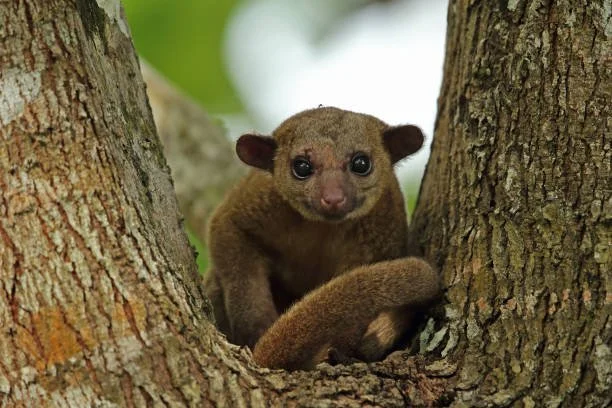
Panama is increasingly recognized as a leader in ecotourism, thanks to its rich biodiversity and commitment to sustainable travel practices. Nestled between the Pacific Ocean and the Caribbean Sea, the country boasts a remarkable variety of ecosystems, including tropical rainforests, mangroves, and coral reefs. The Panamanian government has actively promoted conservation efforts, creating numerous protected areas and national parks, such as Coiba National Park and Darién National Park, which serve as sanctuaries for unique flora and fauna. This focus on preservation not only safeguards the environment but also enhances the country's appeal as a destination for environmentally conscious travelers.

In addition to its natural wonders, Panama encourages responsible tourism through community-based initiatives that empower local populations. Many ecotourism projects are designed to benefit indigenous communities, providing them with opportunities to showcase their culture while promoting sustainable practices. Tourists can engage in activities like guided nature walks, bird watching, and cultural exchanges, which help to foster appreciation for the environment and local heritage. By participating in these initiatives, travelers contribute directly to the preservation of Panama’s ecosystems and the well-being of its communities.

Furthermore, Panama's strategic investment in ecotourism infrastructure, including eco-lodges and sustainable transportation options, has solidified its reputation as a prime ecotourism destination. The emphasis on reducing the carbon footprint through initiatives such as solar energy use and waste management reflects the country's dedication to sustainable development. As awareness of environmental issues grows globally, Panama stands out as a model for integrating conservation with tourism, attracting backpackers and nature enthusiasts eager to explore its unparalleled biodiversity while promoting sustainability.

Lost and Found's Famous Massive Tree

Lost and Found Hostel offers an unforgettable experience in the heart of the lush cloud forest, where adventure awaits just a one-hour hike from the property. The trail meanders through dense foliage, filled with vibrant flora and fauna, leading hikers into a serene world suspended between earth and sky. As you trek along the winding path, the sounds of nature envelop you, creating an immersive atmosphere that captivates the senses. This journey culminates in a breathtaking encounter with one of the forest's most remarkable inhabitants: the massive strangler fig tree.

Strangler fig trees are fascinating organisms that begin their lives as epiphytes, germinating in the branches of host trees. As they grow, they send down roots that encircle the host, gradually suffocating it and eventually becoming a towering structure in their own right. This unique growth pattern allows strangler figs to thrive in their tropical environment, often reaching impressive heights. Their expansive canopies provide essential habitat for various wildlife, making them a vital component of the ecosystem. When you arrive at the strangler fig, its immense trunk and twisting roots create an awe-inspiring sight that showcases nature’s resilience and adaptability.

What makes this experience even more magical is the opportunity to walk right through the tree itself. As you approach, the hollowed trunk invites exploration, allowing visitors to step inside and feel the cool, damp air within. The sensation of being enveloped by such a colossal living organism is surreal, offering a profound connection to nature. This unique interaction with the strangler fig, combined with the enchanting beauty of the cloud forest, makes the hike from Lost and Found Hostels not just a journey through the wilderness, but a memorable adventure that deepens your appreciation for the wonders of the natural world.

Surfing in Panama

In Panama, aspiring surfers have a plethora of options for learning to ride the waves, with some of the most notable spots being Santa Catalina, Bocas del Toro, and Playa Venao. Each location offers a unique surfing experience, catering to various skill levels and preferences.

Santa Catalina is particularly renowned for its consistent waves and friendly surf culture. Here, several surf schools provide lessons tailored to beginners and intermediates alike. Instructors emphasize safety, technique, and wave selection, ensuring students build confidence in the water. The beautiful beaches and vibrant sunsets create a stunning backdrop for surf sessions, making it an ideal place to immerse oneself in the sport.

Bocas del Toro offers a more laid-back atmosphere with a variety of surf breaks suitable for learners. The archipelago features schools that specialize in personalized instruction, often taking students to lesser-known spots to avoid crowds. The region's diverse marine life and picturesque surroundings enhance the surfing experience, providing a sense of adventure both on and off the board.

Playa Venao is another excellent destination for those looking to learn surfing. With its long stretch of beach and reliable swells, it’s perfect for beginners to practice in a safe environment. Numerous surf camps and schools offer intensive courses that combine lessons with accommodations, allowing for a complete surf retreat. The vibrant local scene, with beachside bars and restaurants, creates a lively atmosphere after a day in the waves.

Regardless of the location, Panama’s surf schools provide a comprehensive introduction to the sport, emphasizing the importance of respecting the ocean and its power. With experienced instructors and breathtaking coastal scenery, learning to surf in Panama is an unforgettable experience that beckons adventurers from around the globe.

Comparing Panama's Mountain Towns

Panama's mountain towns each offer unique experiences, showcasing the country’s diverse landscapes and cultural richness.

Boquete is perhaps the most famous of these towns, known primarily for its coffee production. Nestled in a lush valley, Boquete is home to numerous coffee plantations where travelers can embark on guided tours, learning about the coffee-making process from bean to cup. The region's high elevation provides the ideal climate for growing high-quality coffee, making it a must-visit for enthusiasts. In addition to coffee, Boquete offers beautiful hiking trails, including the popular Quetzal Trail, which is renowned for its stunning biodiversity.

Volcán, located near the base of the Baru Volcano, features breathtaking views of the surrounding highlands. The landscape is characterized by its cooler climate and fertile grounds, perfect for agriculture. Travelers often enjoy exploring the scenic routes and taking in panoramic vistas. Volcán is less touristy than Boquete, offering a more laid-back atmosphere while still providing access to outdoor activities like birdwatching and hiking.

Cerro Punta is renowned for its steeply terraced farms, where crops like strawberries, vegetables, and flowers thrive. This area boasts dramatic mountain scenery, making it a picturesque destination for visitors interested in agritourism. The cool, moist climate supports a variety of agricultural activities, and travelers can often interact with local farmers and sample fresh produce.

Santa Fe stands out for its abundance of stunning waterfalls and natural beauty. Hiking in this region leads to beautiful cascades, such as the renowned La Cuca Waterfall. The town is less developed than some of its neighbors, providing a tranquil environment ideal for nature lovers seeking adventure. The lush surroundings are perfect for birdwatching and exploring hidden trails, making it a haven for those who appreciate off-the-beaten-path experiences.

Finally, El Valle de Anton is famous for its hiking opportunities, including trails leading to scenic viewpoints and hot springs. The town is situated in a volcanic crater, surrounded by lush greenery and mountains. El Valle is particularly popular for its easy access to nature, with hikes suitable for all skill levels. Visitors can also explore the local artisan market and visit the unique petroglyphs in the area.

Each of these mountain towns offers distinct highlights, from Boquete's coffee tours to Santa Fe's waterfalls, Volcán's landscapes, Cerro Punta's farms, and El Valle's hiking trails, making Panama’s highlands a diverse and exciting destination for travelers.

The Most Common Backpacker Route Through Panama

The typical backpacker route in Panama offers a vibrant mix of stunning landscapes, diverse cultures, and exciting activities. Many travelers begin their journey in Bocas del Toro, an archipelago known for its beautiful beaches, vibrant nightlife, and lush rainforests. From there, travelers often take a shuttle or public bus to the Lost and Found Hostel, a popular stop in the cloud forest mountains where visitors can enjoy hiking through the jungle, waterfalls, and a very social communal atmosphere.

Next, backpackers usually head to Boquete, a charming town famous for its coffee plantations and cooler climate. Here, they can embark on hikes to the nearby Volcán Baru or explore the scenic surroundings. After Boquete, the route typically continues to Santa Catalina, a laid-back beach town perfect for surfing and snorkeling. Many travelers then make their way to Playa Venao, known for its picturesque coastline and surf-friendly waves.

Continuing south, visitors often stop in El Valle de Anton, a unique crater town surrounded by lush hills and hot springs. Finally, the journey culminates in Panama City, where travelers can explore the historic Casco Viejo and the modern skyline. For those eager to explore further, many backpackers venture to the stunning San Blas Islands, renowned for their pristine beaches and indigenous culture, before crossing into Colombia.

Conversely, some travelers start their adventure in Colombia and make the same stops in reverse order, experiencing the beauty of Panama from a different perspective. Whether heading north or south, the journey through Panama is sure to be an unforgettable experience filled with diverse landscapes and rich cultural encounters.

Choosing a Backpacker Hostel

When planning a trip to Panama, finding the right accommodation can significantly impact your travel experience. Hostels often present two distinct categories: cheap and affordable. While these terms are sometimes used interchangeably, they can carry different connotations that travelers should be aware of.

Understanding the Difference!

Cheap hostels typically emphasize low cost above other considerations. This can mean minimal amenities, basic facilities, or a lower standard of cleanliness. Travelers opting for cheap accommodations may prioritize saving money over comfort or additional services. However, it's important to note that not all cheap hostels equate to poor quality; some may offer decent standards despite their affordability.

Affordable Hostels:

On the other hand, affordable hostels strike a balance between cost and quality. They aim to provide a reasonable price point while still offering comfort, cleanliness, and often additional amenities. These hostels cater to budget-conscious travelers who seek value for money without compromising too much on comfort. They are ideal for those who want a good standard of accommodation without breaking the bank.

Affordable VS Cheap Hostels. You Can't Put A Price On Vibe.

Lost and Found Hostel serves as an excellent example of an affordable accommodation option in Panama. Situated between Bocas del Toro and Boquete, Lost and Found Hostel benefits from a strategic location that appeals to travelers exploring both coastal and mountainous regions of Panama.

Despite being affordable, Lost and Found Hostel maintains a reputation for cleanliness, friendly service, and a range of amenities that enhance the guest experience. This includes comfortable dormitory beds, private rooms, hot showers, and communal areas for socializing. The hostel also offers additional activities such as hikes to nearby waterfalls, and cultural experiences, enriching the stay of its guests.

Beyond mere affordability and basic comforts, Lost and Found Hostel has a vibrant community atmosphere. It attracts backpackers and travelers seeking not only a place to sleep but also connections with like-minded individuals. This communal aspect often sets affordable hostels apart, creating memorable experiences through shared adventures and cultural exchanges.

When choosing between cheap and affordable hostels in Panama, it's crucial to consider your priorities. Cheap hostels may offer lower prices but could compromise on comfort and services. In contrast, affordable hostels like Lost and Found prioritize both cost-effectiveness and quality, ensuring a pleasant stay without sacrificing too much on comfort and experience. By understanding these distinctions, travelers can make informed decisions that best suit their budget and travel preferences in Panama.

If you want to learn more about our hostel here and why we think we are the best bang for the buck in Panama have a thorough look at our social media

www.thelostandfoundhostel.com

@lostandfoundhostel

Exploring the Underwater Wonders: Diving in Coiba, Panama

The azure waters of Coiba, an island located off the Pacific coast of Panama, have long been a well-kept secret among diving enthusiasts. The pristine marine ecosystem, teeming with vibrant coral reefs, an array of marine life, and captivating underwater landscapes, makes Coiba a diver's paradise. Join us as we delve into the mesmerizing world beneath the waves and discover why diving in Coiba, Panama, is an experience like no other.

Coiba's waters boast an unparalleled diversity of marine life, earning it the nickname "The Galápagos of Central America." Divers can encounter a stunning array of marine species, from playful dolphins and majestic humpback whales to elusive hammerhead sharks and graceful manta rays. The area's marine biodiversity is attributed to its protected status as a UNESCO World Heritage Site and the formation of marine protected zones, allowing the underwater ecosystem to thrive undisturbed.

The coral reefs surrounding Coiba are a sight to behold, showcasing vibrant corals of various shapes and sizes. These reefs provide shelter and sustenance to an array of marine species, making them a hub of underwater activity. Divers can expect crystal-clear waters with excellent visibility, creating the perfect conditions for capturing awe-inspiring photographs and experiencing the full beauty of the underwater world.

Coiba offers an assortment of dive sites suitable for divers of all skill levels. From gentle sloping reefs to challenging underwater pinnacles, each site offers a unique experience. The underwater topography includes rocky formations, tunnels, and underwater caves waiting to be explored. For advanced divers, the exhilarating currents around Coiba can provide thrilling drift dives, where divers are effortlessly carried along by the ocean's flow, encountering marine life in their natural element.

One of the highlights of diving in Coiba is the chance to come face-to-face with some of the ocean's most magnificent creatures. Between July and October, humpback whales migrate through these waters, providing a captivating opportunity for underwater enthusiasts to witness their majestic displays of breaching and tail-slapping. Hammerhead sharks often patrol the deeper waters, offering an exciting opportunity for divers to observe these enigmatic creatures up close.

Coiba's pristine environment is a result of Panama's dedication to conservation efforts. In 2004, the Coiba National Park was established, encompassing the island and the surrounding marine area. The park's creation aimed to protect the fragile ecosystems both on land and underwater. Strict regulations and limited access have contributed to the preservation of this underwater treasure trove.

Diving in Coiba, Panama, is an adventure that promises unforgettable memories and unparalleled encounters with the ocean's inhabitants. From diverse marine life to captivating coral reefs, the underwater world of Coiba offers a unique opportunity to connect with nature in a pristine and protected environment. Whether you're a novice diver or an experienced enthusiast, exploring Coiba's depths is an experience that will leave you in awe of the beauty and biodiversity that our oceans hold.

The Cost of Backpacking in Panama: Budgeting for Hostels (Dorm beds), Buses, and Eats

Are you an adventurous traveler with Panama on your radar? With its stunning landscapes, rich culture, and diverse wildlife, Panama is a backpacker's paradise waiting to be explored. But before you embark on your journey, it's essential to have a clear idea of how much your adventure might cost. Let's break down the expenses for hostel stays, bus travel, and meals, so you can plan your budget accordingly.

1. Hostel Dorm Beds:

Affordable Accommodation Options

Panama offers a range of accommodation options, but for budget-conscious travelers, hostel dorm beds are the way to go. On average, you can expect to pay around $10 to $20 per night for a dorm bed in a decent hostel. Keep in mind that prices can vary depending on the location and the facilities offered by the hostel. In popular tourist destinations like Panama City, Bocas del Toro, and Boquete, prices might be slightly higher.

2. Bus Travel: Economical and Scenic Journeys

Exploring Panama by bus is not only cost-effective but also a great way to soak in the country's picturesque landscapes. Bus fares can be as low as $1 for short rides within a city and around $10 to $20 for longer intercity journeys. For instance, a bus ride from Panama City to Bocas del Toro might cost you around $30 to $40, depending on the class of bus and the distance traveled. Keep in mind that more luxurious buses might cost a bit more but could offer greater comfort for longer trips.

3. Eating on a Budget:

Savoring Local Flavors

Sampling local cuisine is an integral part of any travel experience, and Panama won't disappoint. To keep your food expenses in check, consider eating at local markets, street food stalls, and affordable eateries. A typical meal at a local restaurant can cost you anywhere from $5 to $10, while street food options might come in at around $2 to $5 per item. Opt for the "menu del día" (menu of the day) offered by many restaurants, which usually includes a main course, side dish, and a drink for a reasonable price.

Total Budget Estimate:

Accommodation (Hostel Dorm Bed): $10 - $20 per night

Bus Travel (Intercity): $10 - $40 per journey

Meals: $10 - $20 per day

For a conservative daily budget, you can expect to spend around $30 to $60, depending on your choices and travel style. This estimate covers accommodation, transportation, and meals, leaving room for additional activities and unforeseen expenses.

Tips for Saving Money:

Cook Your Own Meals:

Many hostels have communal kitchens where you can prepare your meals, saving you money on dining out.

Use Public Transport: Taxis can be expensive; opt for buses or shared rides to get around the city and between towns.

Book Accommodation in Advance: Booking hostels in advance can often lead to better deals and availability, especially during peak tourist seasons.

In conclusion, backpacking in Panama can be both affordable and rewarding. By budgeting wisely and making smart choices, you can explore this captivating country without breaking the bank. So pack your bags, get ready to experience the beauty of Panama, and create memories that will last a lifetime.

The Darien Gap: Unraveling the Mysteries of Panama's Untamed Wilderness

Located between Panama and Colombia, the Darien Gap is a rugged and mysterious stretch of wilderness that captivates adventurers and explorers alike. Covering approximately 10,000 square miles, this vast region is known for its impenetrable rainforests, diverse flora and fauna, rich history, and the challenges it presents to migrants seeking to traverse it. In this blog, we delve into the captivating world of the Darien Gap, shedding light on its unique ecosystems, its intriguing past, and the journeys of brave migrants navigating through its treacherous terrain.

The Darien Gap is a haven for biodiversity, boasting an array of unique plant and animal species. Its lush rainforests are home to rare orchids, towering trees, and vibrant bromeliads that create a mesmerizing tapestry of colors and scents. Among the animal inhabitants, jaguars, pumas, tapirs, and ocelots prowl stealthily through the dense vegetation, while colorful birds such as harpy eagles and toucans soar high above the canopy. The region's rivers and coastal areas support aquatic life like manatees and crocodiles, further adding to the natural marvels that abound in this untamed wilderness.

History of the Darien Gap: Beyond its ecological wonders, the Darien Gap holds a captivating historical significance. It has been inhabited by indigenous tribes, like the Emberá and the Wounaan, for centuries, who have harmoniously coexisted with the dense rainforests. The Darien Gap has also been a focal point of interest for explorers and adventurers attempting to connect North and South America through a land route. Despite numerous attempts by ambitious expeditions, the inhospitable terrain, tropical diseases, and hostile conditions have thwarted their efforts, leaving the gap unconquered to this day.

Challenges Faced by Migrants: The Darien Gap is not only a geographical challenge but also a humanitarian one. Many migrants, seeking to escape violence, poverty, or political instability in their home countries, embark on the perilous journey through the gap in hopes of reaching North America. For these individuals, the Darien Gap becomes a treacherous obstacle course, riddled with dangers like human traffickers, harsh weather, and scarce resources. The treks often result in perilous situations and loss of life, drawing attention to the humanitarian crisis surrounding migration in the region.

Conservation Efforts and the Future: As the world becomes more aware of the ecological and humanitarian significance of the Darien Gap, efforts to protect its delicate ecosystems and address the migrant challenges have gained momentum. Conservation organizations work tirelessly to preserve the region's rich biodiversity, recognizing its importance as a crucial part of the Earth's natural heritage. Additionally, international cooperation and humanitarian aid are vital in finding solutions to the migrant crisis, seeking to provide safer and legal avenues for those in need while addressing the root causes driving migration.

Conclusion: The Darien Gap remains an enigmatic and multifaceted region, an ecological gem brimming with unique flora and fauna, and a historical puzzle that has confounded explorers for centuries. Yet, it also serves as a poignant reminder of the struggles faced by migrants seeking a better life. As we continue to unravel the mysteries of this untamed wilderness, let us approach its exploration and conservation with respect, empathy, and a commitment to finding sustainable solutions for its people and its natural wonders.

Orchids of the Cloudforest: Exploring the Enchanting Beauty of Panama's Floral Treasures

Panama boasts a spectacular array of natural wonders. Among its most captivating features are the cloudforests, mystical and enigmatic ecosystems that host a mesmerizing diversity of flora and fauna. Within these lush and misty realms lie the jewel-like orchids, flourishing in an explosion of colors and forms. Join us on a journey to discover the alluring world of orchids of the cloudforest in Panama.

Panama's cloudforests are characterized by their high-altitude habitats, where frequent mist and fog create an enchanting atmosphere. These regions, often found along the slopes of the volcanic mountain ranges, provide ideal conditions for orchids to thrive. With their delicate and intricate structures, orchids have mastered the art of adaptation to this unique environment.

Panama is home to a staggering number of orchid species, some of which can only be found in these remote cloudforests. Among the well-known varieties are the dancing Lady Slipper (Phragmipedium lindenii) and the ghost orchid (Dendrophylax lindenii). However, numerous lesser-known species await discovery by avid botanists and enthusiasts.

Surviving in the cloudforest is no easy feat, but orchids have evolved fascinating adaptations to endure these conditions. Some have developed intricate root systems that cling to trees, while others have symbiotic relationships with specific fungi for nutrient exchange. Understanding these adaptations is crucial for the conservation of these delicate flowers.

As with many natural wonders, orchids of the cloudforest face significant conservation challenges. Habitat destruction, illegal trade, and climate change pose severe threats to their survival. Organizations and local communities are taking initiatives to protect these precious floral treasures and preserve the delicate balance of the cloudforest ecosystem.

Orchids have ethnobotanical importance. Orchids have played essential roles in the lives of indigenous communities in Panama for centuries. These vibrant blooms hold cultural significance and are often used in traditional medicines and rituals. Exploring the rich history of orchids in indigenous cultures offers a unique perspective on their value beyond their aesthetics.

The orchids of the cloudforest in Panama are captivating jewels hidden within the misty embrace of the high-altitude habitats. Their enchanting beauty and unique adaptations serve as a testament to the marvels of nature's ingenuity. As we immerse ourselves in the allure of these floral wonders, let us also recognize our responsibility to protect and conserve these delicate treasures for the benefit of both the cloudforest ecosystem and the generations yet to come

Jaguars and Pumas: Guardians of the Fortuna Forest Reserve in Panama

Panama, a biodiversity hotspot bridging two continents, is home to a magnificent array of wildlife. Among the most elusive and captivating inhabitants of this tropical paradise are the jaguars and pumas. These majestic big cats play a crucial role in maintaining the delicate balance of the ecosystem, particularly within the Fortuna Forest Reserve, a protected area boasting incredible biodiversity and natural wonders.

The Fortuna Forest Reserve in the Chiriquí Highlands of western Panama, the Fortuna Forest Reserve stands as a symbol of conservation efforts in the region. Spanning over 48,000 hectares of dense forests, cascading waterfalls, and misty mountains, this protected area serves as a haven for countless species, including the elusive jaguars and pumas.

Jaguars: The Iconic Predators: Jaguars, with their distinctive golden coat adorned by striking rosettes, are revered as the largest big cats in the Americas. Their presence in the Fortuna Forest Reserve is vital to maintaining ecological harmony. As apex predators, jaguars help control the populations of prey species, thus preventing overgrazing and ensuring the healthy functioning of the ecosystem.

Pumas: The Agile Ghosts of the Forest: Known as pumas in North America and cougars in Central and South America, these adaptable and elusive cats are also residents of the Fortuna Forest Reserve. Despite their stealthy nature, pumas play an essential role as top-level predators, contributing to the natural control of herbivore populations and promoting a diverse range of plant species.

Despite conservation efforts, both jaguars and pumas face several threats in Panama, such as habitat loss due to deforestation, illegal poaching, and conflicts with humans. It is essential for government agencies, local communities, and environmental organizations to collaborate and implement sustainable solutions to protect these iconic species and their habitats.

Ecotourism has emerged as a powerful tool for raising awareness about the importance of protecting jaguars, pumas, and their habitats. Visiting the Fortuna Forest Reserve offers a unique opportunity to witness these elusive cats in their natural environment while contributing to the local economy and conservation initiatives.

The Fortuna Forest Reserve in Panama is a vital sanctuary for jaguars, pumas, and countless other species. As we appreciate the beauty of these big cats, it is crucial to recognize their pivotal roles in maintaining the ecological balance of the forest. By supporting conservation efforts and promoting responsible ecotourism, we can ensure that these majestic predators continue to roam the wilds of Panama, guarding the intricate web of life in this biodiverse haven for generations to come.

Unveiling Panama's Enchanting Nightlife: A Fusion of Culture and Energy

Panama, a country known for its stunning landscapes and rich history, also boasts a vibrant and lively nightlife scene. As the sun sets over the Pacific and Atlantic oceans, the city streets come alive with an electric atmosphere. From modern clubs to traditional hotspots, Panama offers a diverse range of experiences for night owls seeking to immerse themselves in the country's captivating nightlife.

A Late Start...

In Panama, the night begins fashionably late. Locals typically enjoy a leisurely dinner with family or friends, followed by socializing in bars or lounges. It's not uncommon to find people heading out for a night on the town around 10 or 11 PM. This unique rhythm creates a relaxed ambiance, allowing visitors to fully embrace Panama's nocturnal offerings.

Casco Viejo: Where History Meets Modernity!

One of the most popular nightlife destinations is Casco Viejo, Panama City's historic district. This UNESCO World Heritage Site boasts cobblestone streets, charming colonial architecture, and a blend of trendy bars, rooftop terraces, and live music venues. Dive into the rich history of the area while dancing the night away to a mix of Latin beats and contemporary tunes.

Lively Salsa Nights!

Salsa is the heart and soul of Panama's nightlife. Locals and visitors alike find themselves swaying to the infectious rhythms in salsa clubs scattered across the city. Don't worry if you're not a seasoned dancer - Panamanians are known for their warm hospitality and are more than willing to teach you a step or two.

Panama has iconic rooftop bars. For breathtaking city views and a chic atmosphere, head to one of Panama City's rooftop bars. Sip on a refreshing cocktail as you overlook the glittering skyline, the iconic Panama Canal, and the Pacific Ocean. These elevated venues provide the perfect setting for memorable nights out with friends or a romantic evening under the stars.

A Backpacker's Guide To Santa Catalina

Situated on the Pacific coast of Panama, Santa Catalina is a paradise for adventurous backpackers seeking a laid-back and off-the-beaten-path destination. This charming village, surrounded by lush tropical landscapes and untouched beaches, offers an array of exciting activities and breathtaking sights. In this blog, we'll delve into what a backpacker should expect to see and do in Santa Catalina, Panama.

Surfing is awesome in Santa Catalina. Renowned for its world-class surfing conditions, Santa Catalina is a haven for wave enthusiasts. Whether you're a seasoned pro or a beginner looking to catch your first wave, the village offers surf spots to suit every skill level. Be sure to check out Playa Santa Catalina and Playa Estero for some exhilarating surf sessions amidst stunning scenery.

Island-Hopping to Coiba National Park: Santa Catalina serves as the gateway to Coiba National Park, a UNESCO World Heritage Site. Embark on a thrilling island-hopping adventure and explore the rich biodiversity of Coiba's pristine waters. Snorkeling and diving enthusiasts will be awe-struck by the vibrant marine life, including dolphins, sharks, and humpback whales (seasonal).

For a more secluded beach experience, head to Playa La Viejita, a hidden gem just a short walk from Santa Catalina. Here, you can relax on the untouched sandy shores, watch the sunset, and revel in the tranquil ambiance away from the crowds.

Santa Catalina is a prime destination for wildlife enthusiasts. Embark on a whale-watching tour during the migration season (July to October) to witness majestic humpback whales passing through these waters. Moreover, keep an eye out for the diverse bird species and elusive howler monkeys that call the area home.

Embracing the Pura Vida Lifestyle. One of the charms of Santa Catalina is its laid-back atmosphere and the warm hospitality of its locals. Embrace the "Pura Vida" lifestyle, where time slows down, and relaxation takes precedence. Engage with the locals, share stories, and learn about their vibrant culture and traditions.

Santa Catalina, Panama, is a dream destination for backpackers seeking adventure, nature, and a break from the typical tourist hotspots. From thrilling surf sessions to encounters with ocean wildlife and serene beach experiences, Santa Catalina offers a captivating journey into the heart of Panama's coastal paradise. Embrace the beauty, soak in the culture, and create lasting memories in this hidden gem of Central America. Happy backpacking!

A Tale of Two Currencies: Panamanian Money vs. United States Money

Currency is a fascinating reflection of a nation's history, culture, and economic strength. In this blog, we'll explore the intriguing differences between the currencies of Panama and the United States. Panama, located at the crossroads of North and South America, and the United States, a global economic powerhouse, have distinct monetary systems that offer insight into their respective societies. Let's delve into the unique characteristics that set Panamanian money apart from its American counterpart.

Panama's official currency is the Panamanian Balboa (PAB), which was introduced in 1904. The Balboa has parity with the United States Dollar (USD), meaning they have the same value. However, you won't find Balboa banknotes in circulation, as they are only issued as coins. Instead, Panama predominantly uses US Dollar banknotes, featuring iconic symbols like the founding fathers and national monuments.

The design of currency notes often showcases a country's heritage and cultural landmarks. US Dollar notes boast striking portraits of historical figures such as George Washington and Abraham Lincoln. On the other hand, Panamanian coins portray national symbols, like the Coat of Arms and native flora and fauna, celebrating the country's biodiversity and natural beauty.

Despite the parity between the Balboa and the US Dollar, their exchange rate might slightly fluctuate due to factors like inflation and economic conditions. However, the US Dollar's global reserve currency status contributes to its relative stability compared to the Balboa, which is primarily limited to Panama's economy.

While both currencies are widely accepted within Panama, US Dollars are more prevalent, especially in tourist areas and international transactions. The USD's dominance stems from its global recognition and status as a safe-haven currency. This situation is a testament to the strong economic ties between the United States and Panama.

Panama's Unique Dual Currency System: One of the most intriguing aspects of Panama's monetary system is the use of two official currencies - the Balboa and the US Dollar. This dual currency system allows the country to maintain financial stability while conducting international trade primarily in USD. The Balboa's coin-only status sets Panama apart, making it one of the few countries with such a unique currency arrangement.

In summary, the differences between Panamanian money and United States money go beyond just physical appearance. They reflect each country's history, economy, and international influence. The Balboa and the US Dollar coexist harmoniously, illustrating Panama's reliance on the US economy while still preserving its own cultural identity

Get Your Drink On in Panama!

Welcome to the enchanting world of Panamanian liquor, where centuries-old traditions and modern craftsmanship converge to produce some of the finest spirits in the world. Situated at the crossroads of North and South America, Panama boasts a diverse landscape that plays a pivotal role in shaping the unique flavors of its liquors.

Panama's liquor heritage is deeply rooted in the traditions of its indigenous communities. Chicha, a traditional fermented corn-based beverage, has been consumed for generations and still holds cultural significance today. Its preparation and consumption continue to be an integral part of traditional ceremonies and celebrations, preserving the essence of Panama's native culture.

One cannot talk about Panamanian liquor without mentioning the country's exceptional rum production. The fertile soil, tropical climate, and abundant sugarcane fields provide the ideal environment for rum production. Panamanian rum is renowned for its smoothness, depth of flavor, and versatility. It is aged in a variety of barrels, including American oak, bourbon, and sherry casks, resulting in a wide range of complex profiles.

Seco Herrerano is Panama's national spirit and an essential part of the country's cultural identity. This clear spirit is made from sugarcane juice, similar to Brazilian cachaça. Its production dates back to the early 1900s and is carefully crafted in traditional copper stills. Seco Herrerano is a staple at social gatherings and is often enjoyed neat, on the rocks, or in refreshing cocktails like Chichita Panameña.

In addition to its rich rum and seco heritage, Panama has also embraced the art of brewing beer. Cerveza Panamá is the country's most popular beer brand, offering a range of lagers and ales that complement Panama's warm climate. Moreover, the emergence of local craft breweries has brought a delightful assortment of unique flavors, appealing to beer connoisseurs and enthusiasts alike.

As the craft spirits movement sweeps the globe, Panama has witnessed the rise of several innovative craft distilleries. These distilleries experiment with unique ingredients and aging techniques, producing limited-edition bottles that offer a glimpse into the creativity and ingenuity of Panama's modern liquor landscape.

Panamanian liquor is more than just a drink; it's a reflection of the country's vibrant culture, history, and passion for craftsmanship. From the traditional Chicha of indigenous communities to the internationally acclaimed rums and the national treasure Seco Herrerano, each spirit has a story to tell. The diverse flavors and dedication to quality make Panamanian liquor a delightful experience for both locals and curious travelers seeking to uncover the hidden gems of this fascinating Central American nation. Salud!

Butterflies of Panama: Discovering the Marvels of the Blue Morpho

Panama, a biodiverse paradise nestled between the Atlantic and Pacific Oceans, is home to a breathtaking array of butterfly species. With its lush rainforests and diverse ecosystems, the country provides the perfect habitat for these delicate insects to flourish. In this blog, we delve into the wondrous world of Panamanian butterflies, with a special focus on the captivating Blue Morpho butterfly.

Panama boasts over 1,500 butterfly species, making it a true haven for lepidopterists and nature enthusiasts alike. From tiny, iridescent hairstreaks to large, brightly colored swallowtails, these winged wonders add splashes of color to the country's natural landscape.

The Blue Morpho butterfly, undoubtedly one of the most iconic species in Panama, captures the imagination of all who encounter it. Known for its mesmerizing iridescent blue wings, the Blue Morpho's appearance is nothing short of enchanting. However, its striking coloration serves a deeper purpose than just beauty.

The Magic Behind the Blue: The vivid blue wings of the Blue Morpho are not due to pigmentation, but rather a unique structural phenomenon. Tiny scales on the butterfly's wings reflect light, resulting in a dazzling display of iridescence. When in flight, this butterfly transforms into a glimmering gem, captivating observers with its brilliance.

Blue Morpho butterflies are predominantly found in the tropical rainforests of Panama, where they thrive in the humid, lush environment. They prefer the lower levels of the forest canopy and are often seen gliding gracefully through the air. The males are known for their territorial behavior, frequently engaging in aerial displays to establish dominance.

Like all butterflies, the Blue Morpho undergoes a fascinating life cycle. Starting as an egg laid on the underside of a leaf, it hatches into a caterpillar, voraciously feeding on leaves to grow. After undergoing metamorphosis, the caterpillar transforms into a chrysalis, where the miraculous transformation into an adult butterfly occurs. The entire process symbolizes nature's ability to renew and rejuvenate itself.

The Blue Morpho butterfly plays a vital role in the ecosystem. As pollinators, they assist in the reproduction of numerous plant species, contributing to the balance and sustainability of the rainforest. Additionally, their presence also serves as a natural indicator of environmental health and stability.

Panama's butterflies are a testament to the country's biodiversity and the importance of preserving its natural habitats. Among these fluttering wonders, the Blue Morpho stands out with its captivating beauty and extraordinary characteristics. The Blue Morpho's magical iridescence serves as a reminder of the wonders that nature has to offer and the need to protect these magnificent creatures and their habitats for generations to come. So, the next time you find yourself in Panama's tropical paradise, keep an eye out for the awe-inspiring Blue Morpho butterfly and be ready to be enchanted by its mesmerizing allure.