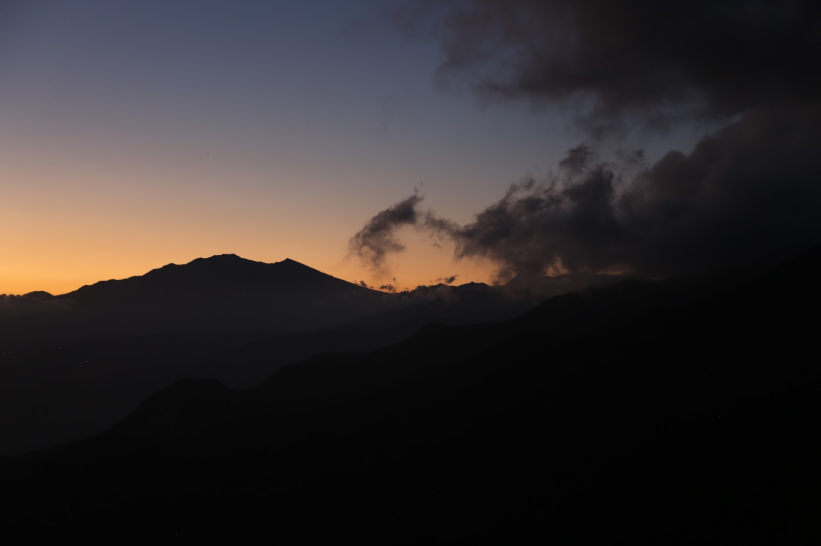
Panama is a country full of vibrant experiences, from its bustling capital city to remote beaches, tropical jungles, and picturesque highlands. Travelers flock to Panama for adventure, culture, and natural beauty.
Panama City, the capital, is a hub for international flights and offers a mix of modern skyscrapers and historic charm. Casco Viejo, the old quarter, is a UNESCO World Heritage site with colorful colonial buildings, cafes, and lively nightlife.
The Panama Canal is one of the country’s most iconic attractions. Visitors can watch massive ships pass through the locks at Miraflores or explore nearby museums to learn about its history and construction.
For nature enthusiasts, Panama offers dozens of national parks, including Soberanía National Park, which is perfect for hiking and birdwatching. Monkey watching and canopy tours are popular activities here.
Boquete, in the highlands, is famous for its coffee plantations, waterfalls, and cooler mountain air. Hiking Cerro Punta or the Baru Volcano provides breathtaking views of the Chiriquí highlands.
Bocas del Toro is an archipelago in the Caribbean, renowned for turquoise waters, coral reefs, and vibrant marine life. Surfing, snorkeling, and island hopping are top activities for visitors here.
Santa Catalina, on the Pacific coast, is a paradise for surfers and divers. Nearby Coiba Island offers incredible biodiversity, including whale watching, snorkeling, and jungle exploration.
Panama’s beaches are diverse. Playa Venao, on the Azuero Peninsula, is popular with surfers and has affordable beachfront accommodations. Playa Blanca offers luxury resorts and calm waters for swimming.
Isla Taboga, close to Panama City, is a great day-trip destination. Visitors can enjoy hiking, beaches, and small villages. Ferry access makes it easy to explore.
San Blas Islands, home to the Guna Yala indigenous people, offer pristine beaches, clear waters, and cultural immersion. Many travelers choose guided tours for overnight stays on traditional islands.
Adventure travel in Panama is abundant. White-water rafting, ziplining, and jungle treks are available near Boquete, El Valle, and other highland regions.
Hiking trails in Panama range from easy nature walks to challenging volcano climbs. Online tools like AllTrails and Wikiloc help travelers plan routes safely.
Eco-tourism is growing, with many lodges and hostels offering sustainable accommodations. Travelers can stay in eco-lodges near rainforests, rivers, or mangroves.
For wildlife watching, Panama is rich in diversity. Sloths, toucans, capuchin monkeys, and colorful frogs are common sights in national parks. Marine wildlife includes dolphins, sea turtles, and migrating humpback whales.
Yoga retreats and wellness centers are increasingly popular in Panama. Places like Boquete and Bocas del Toro host retreats, and some hostels, including Lost and Found Hostel, offer affordable yoga classes.
The food scene in Panama reflects its cultural diversity. Traditional dishes like sancocho, ceviche, and arroz con pollo are must-tries, while fresh seafood is abundant on both coasts.
Street food is also a popular way to sample Panamanian flavors. Empanadas, pastelitos, and fresh fruit from markets provide affordable options for travelers.
Panama has a growing craft coffee culture, particularly in the highlands. Coffee tours near Boquete allow visitors to see plantations, sample beans, and learn about the production process.
Nightlife in Panama City is vibrant, especially in Casco Viejo. Rooftop bars, live music venues, and clubs offer a mix of Latin rhythms and international beats.
Public transportation in Panama is efficient. Buses, taxis, and the Metro in Panama City provide affordable options, while domestic flights and ferries connect islands and distant provinces.
Traveling by bus is economical and allows exploration of remote towns. Many buses travel from Panama City to Boquete, David, and coastal regions.
Panama offers cultural festivals throughout the year. Carnival is a major celebration with parades, music, and traditional dances, attracting visitors nationwide.
The country’s history is visible in its museums, churches, and old forts. Panama Viejo, the ruins of the original Panama City, provide insight into colonial life and pirate attacks.
Shopping in Panama City ranges from modern malls like Multiplaza to artisanal markets in Casco Viejo, where travelers can buy handmade crafts and local souvenirs.
Scuba diving in Panama is world-class. Coiba Island, Bocas del Toro, and Pearl Islands provide clear waters, coral reefs, and abundant marine life.
Surfing destinations include Playa Venao, Santa Catalina, and the Pacific coast beaches near Pedasí. Both beginners and experienced surfers find ideal conditions throughout the year.
Birdwatching is exceptional. Panama hosts over 900 species, including toucans, quetzals, and hummingbirds, with the best spots in Soberanía and Darién National Park.
For adventure and luxury combined, eco-resorts in Panama provide jungle lodges, spa treatments, and guided excursions, ideal for those wanting comfort and immersion.
Panama’s islands are diverse. The Pearl Islands are famous for whale watching, snorkeling, and luxury stays, while San Blas Islands focus on cultural experiences and pristine beaches.
Fishing trips are popular along both coasts. Offshore fishing in the Pacific targets tuna, marlin, and dorado, while coastal fishing in the Caribbean offers snappers and groupers.
Cultural immersion is possible through local markets, indigenous communities, and workshops in arts, dance, and cooking. Guna and Emberá villages offer authentic experiences for curious travelers.
The weather in Panama varies by region. Coastal areas are tropical and humid, while the highlands enjoy cooler temperatures. The dry season, from December to April, is ideal for most travel activities.
Boat tours are essential for island exploration. From Bocas del Toro to the Pearl Islands, guided tours provide transportation, snorkeling gear, and local insights.
Volunteering opportunities are available for those wishing to combine travel with service. Programs often focus on conservation, education, or wellness, including yoga teaching and marine protection.
Adventure seekers can explore caves, waterfalls, and rivers in the highlands. Locations like El Valle de Anton provide zipline tours, waterfall hikes, and natural hot springs.
Travel blogs and community websites like Nomadic Matt, TripAdvisor forums, and Lonely Planet Thorn Tree offer practical insights, hidden gems, and updated advice for Panama travelers.
Road trips in Panama are popular. Renting a car allows exploration of remote beaches, mountains, and towns, though travelers should be aware of road conditions and local driving norms.
Panama offers unique wildlife encounters. Sloths, capuchin monkeys, and colorful birds are common in rainforests, while marine wildlife includes dolphins, whales, and sea turtles.
Panama’s Caribbean coast offers unique travel experiences. Towns like Portobelo and Colón provide rich history, fort ruins, and cultural insights into colonial and indigenous life.
Portobelo is famous for its historic forts, churches, and vibrant festivals. Visitors can explore cobblestone streets, local markets, and scenic bays while learning about Panama’s maritime history.
Colón, a gateway to the Caribbean, offers access to the Panama Canal’s Atlantic entrance. Travelers often combine visits with excursions to nearby rainforests and wildlife reserves.
San Blas Islands, home to the Guna Yala indigenous people, remain among Panama’s most pristine destinations. Travelers can experience traditional culture while enjoying white-sand beaches and turquoise waters.
The Pearl Islands in the Gulf of Panama provide luxury resorts, whale watching, and scuba diving opportunities. Isla Contadora and Isla del Rey are popular for snorkeling and day trips.
Whale watching tours along the Pacific coast, especially in the Gulf of Chiriquí, allow visitors to see humpback whales and occasionally dolphins. July to October is peak season for sightings.
Adventure tourism in Panama is booming. Ziplining, canopy tours, and waterfall hikes in El Valle de Anton, Boquete, and Chiriquí offer adrenaline-packed experiences for travelers.
Hiking trails throughout Panama range from easy jungle walks to challenging volcanic climbs. Trails in Soberanía, Darién, and Baru Volcano are ideal for both beginners and experienced hikers.
Birdwatching in Panama is exceptional. The country hosts over 900 species, including quetzals, toucans, and hummingbirds, attracting birders from around the world.
Diving in Coiba Island and Bocas del Toro provides encounters with colorful coral reefs, tropical fish, and manta rays. Coiba’s protected waters are UNESCO-recognized for biodiversity.
Surfing is a major draw. Playa Venao and Santa Catalina offer consistent waves suitable for beginners and advanced surfers, with surf schools and rental shops available.
Yoga retreats and wellness centers are abundant. Boquete and Bocas del Toro host multi-day retreats, meditation workshops, and holistic wellness programs. Hostels like Lost and Found offer affordable daily yoga classes for travelers.
Eco-tourism lodges in Panama focus on sustainability and nature immersion. Visitors can stay in treehouses, jungle cabins, or beachfront bungalows while engaging in conservation projects.
Coffee tours in Boquete showcase Panama’s famous Arabica beans. Visitors learn about cultivation, harvesting, and roasting processes, often followed by tastings of high-quality coffee.
Nightlife in Panama City is vibrant. Rooftop bars in Casco Viejo offer cocktails with panoramic city views, while local clubs provide Latin beats, live music, and dancing.
Street food is accessible throughout Panama. Empanadas, ceviche, pastelitos, and tropical fruit juices offer affordable and delicious options for travelers on a budget.
Local markets provide authentic cultural experiences. Mercado de Mariscos in Panama City is ideal for fresh seafood, while artisanal markets offer handmade crafts and souvenirs.
Transportation options are varied. Public buses connect major cities and towns, ferries service islands, and domestic flights link distant provinces efficiently.
Car rentals allow for independent exploration of remote beaches, highland towns, and national parks. Roads are generally well-maintained, though some rural routes may be challenging.
Travel blogs, online forums, and social media groups provide up-to-date advice, hidden gems, and practical tips for navigating Panama safely and affordably.
Volunteer and work-exchange opportunities are plentiful. Platforms like Workaway, HelpX, and Worldpackers connect travelers with hostels, eco-projects, and yoga retreats in exchange for lodging.
Panama’s culinary scene is diverse. In addition to traditional dishes, international cuisine is available in Panama City, Boquete, and tourist hubs, reflecting the country’s cosmopolitan influences.
Island hopping tours allow visitors to explore San Blas, Bocas del Toro, and Pearl Islands efficiently, with day trips or multi-day excursions including snorkeling, kayaking, and cultural experiences.
Wildlife experiences include sloths, capuchin monkeys, and colorful frogs in rainforests, while coastal waters host dolphins, sea turtles, and migrating humpback whales.
Historical sites like Panama Viejo, Casco Viejo, and Portobelo Forts provide insight into colonial history, pirate activity, and early city settlements.
National parks across Panama protect biodiversity and provide opportunities for hiking, photography, and wildlife observation. Darién National Park is particularly rich in flora and fauna.
Cultural immersion can include Guna Yala visits, Emberá village experiences, and attending local festivals with traditional music, dance, and crafts.
Boating and kayaking trips are popular in Bocas del Toro, San Blas, and coastal estuaries. Guided tours provide safety, equipment, and local knowledge of marine ecosystems.
Panama’s highlands provide a cooler climate ideal for hiking, birdwatching, and wellness retreats. Boquete, Cerro Punta, and Volcán Baru attract eco-tourists and adventure travelers alike.
Surf schools along Playa Venao and Santa Catalina cater to beginners, while advanced surfers seek offshore reef breaks for more challenging waves.
For wellness travelers, spa services, meditation workshops, and holistic nutrition programs complement yoga retreats across the country.
Cultural festivals like Carnival, the Festival of the Black Christ, and local harvest celebrations offer travelers insight into Panamanian traditions, music, and cuisine.
Affordable hostels, boutique hotels, and luxury resorts provide diverse lodging options. Travelers can choose accommodations that fit budgets, comfort preferences, and proximity to activities.
Panama’s Caribbean coast offers snorkeling and diving with vibrant coral reefs, tropical fish, and occasional encounters with manta rays or whale sharks.
Travel insurance and safety precautions are advised for adventure activities, including rafting, ziplining, and diving, to ensure a secure and enjoyable experience.
Volunteer opportunities in marine conservation, wildlife protection, and eco-tourism are available through local NGOs and international organizations.
Public transportation in Panama is reliable for most urban routes. Long-distance buses connect major cities, while ferries provide access to remote islands and archipelagos.
Panama City’s Casco Viejo district is ideal for walking tours, architectural photography, and experiencing local restaurants and bars.
Panama Canal tours, including Miraflores Visitor Center, offer detailed insights into engineering, logistics, and the canal’s historical significance.
Food markets throughout Panama, such as Mercado de Mariscos and local farmers’ markets, allow travelers to taste fresh seafood, tropical fruits, and traditional Panamanian dishes.
Hiking trails in Soberanía National Park and El Valle de Anton provide access to waterfalls, wildlife, and scenic viewpoints suitable for all skill levels.
Eco-lodges near rainforests and rivers emphasize sustainability, offering solar-powered accommodations, organic meals, and opportunities for wildlife observation.
Yoga and wellness retreats offer programs ranging from daily classes to multi-week immersive experiences, often including meditation, nutrition workshops, and nature excursions.
Adventure travel in Panama includes canyoning, waterfall rappelling, mountain biking, and jungle treks, particularly around highland towns like Boquete and El Valle.
The Pearl Islands offer opportunities for whale watching, snorkeling, and exploring remote beaches with small boutique accommodations.
Scuba diving destinations include Coiba Island, Bocas del Toro, and Isla Secas, known for rich marine life, coral reefs, and clear tropical waters.
Panama’s food scene blends indigenous, Spanish, and Caribbean influences, with dishes like sancocho, ceviche, and tamales commonly found throughout the country.
Local guides provide valuable insight into hidden beaches, jungle trails, and authentic culinary experiences. Hiring guides supports local communities and enriches the travel experience.
Panama offers a variety of shopping experiences, from upscale malls to artisanal markets, providing souvenirs, crafts, and local specialties.
Nightlife in Panama ranges from rooftop bars and cocktail lounges to dance clubs featuring salsa, reggaeton, and international music.
Island tours in San Blas and Bocas del Toro often include snorkeling, kayaking, beachcombing, and interactions with local communities.
Panama’s national parks, including Darién and Soberanía, provide habitat for jaguars, monkeys, exotic birds, and a wide range of tropical flora.
Travelers should plan according to Panama’s weather. The dry season, from December to April, is ideal for beaches, island hopping, and hiking in the highlands. The rainy season, May to November, brings lush landscapes but can affect road conditions and outdoor activities.
Visa requirements vary depending on nationality. Many travelers can enter Panama visa-free for 90 days, while others must obtain a tourist visa. Checking official government sites ensures compliance and smooth entry.
Health and safety are important when traveling in Panama. Vaccinations, mosquito protection, and safe water practices help prevent common tropical illnesses, while travel insurance is recommended for adventure activities.
Transportation options in Panama include buses, taxis, domestic flights, ferries, and car rentals. Each provides access to urban centers, remote beaches, islands, and highland towns, supporting diverse travel itineraries.
Panama offers a variety of wellness opportunities. Yoga retreats, meditation workshops, and holistic wellness programs are available in Boquete, Bocas del Toro, and even some hostels in Panama City, allowing travelers to focus on health and relaxation.
Cultural immersion is rich in Panama. Travelers can experience local music, dance, traditional crafts, and festivals, gaining insight into Guna, Emberá, and mestizo traditions while exploring both rural and urban areas.
Food tourism is rewarding. Sampling ceviche, fresh seafood, empanadas, tropical fruits, and local coffee enhances the travel experience, while cooking classes and food tours provide hands-on cultural connection.
Adventure tourism thrives in Panama. Surfing, ziplining, hiking, white-water rafting, and scuba diving are widely available, making the country ideal for travelers seeking active experiences across both coasts and highlands.
Panama’s diverse islands, from San Blas to the Pearl Islands and Bocas del Toro, offer snorkeling, kayaking, wildlife watching, and cultural experiences. Each archipelago provides unique accommodations, from budget hostels to boutique eco-lodges.
Overall, Panama is a multifaceted travel destination. From urban exploration in Panama City and historic Casco Viejo to highland retreats, tropical beaches, lush rainforests, and vibrant cultural experiences, the country offers something for every type of traveler. Using online resources, travel guides, and local recommendations ensures a safe, affordable, and unforgettable adventure.