
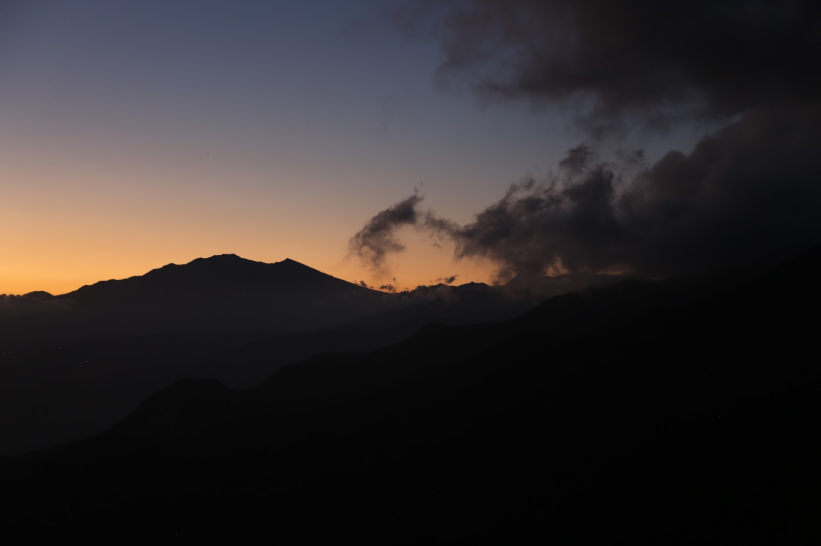
Boquete nach Bocas: Die einfachste Route in Panama – und der Stopp, der heimlich alles verändert

Die Strecke von Boquete nach Bocas del Toro hat sich über die Jahre einen Ruf aufgebaut, der fast schon übertrieben wirkt. Man hört ständig von Shuttles, Verbindungen, Booten, Zeitplänen – es klingt, als müsste man sich auf eine kleine Expedition vorbereiten. Doch sobald man es selbst macht, merkt man schnell: Es ist eigentlich unglaublich einfach. Du buchst einen Shuttle, steigst ein, folgst einer Route, die tausende Reisende jeden Monat nehmen, und ehe du dich versiehst, sitzt du schon im Boot Richtung Karibik. Es ist unkompliziert, reibungslos und fast schon zu effizient für etwas, das sich wie ein Abenteuer anfühlen sollte. Und vielleicht ist genau das der Grund, warum unterwegs etwas passiert, womit viele nicht rechnen.

Denn irgendwo zwischen der kühlen Bergluft von Boquete und der tropischen Energie von Bocas del Toro entscheiden sich immer mehr Reisende, diese einfache Route bewusst zu unterbrechen. Nicht, weil sie müssen, sondern weil sie es wollen. Weil sie vorher etwas gehört haben – Empfehlungen, Geschichten, fast schon eindringliche Hinweise von anderen Reisenden, die über einen bestimmten Ort mit einer Überzeugung sprechen, die schwer zu ignorieren ist. Der Shuttle verlangsamt sich, der Eingang taucht auf, und plötzlich steht man vor einer Entscheidung: einfach weiterfahren oder aussteigen und herausfinden, warum so viele genau hier stoppen. Und erstaunlich oft fällt die Entscheidung für das Aussteigen.

Interessant ist dabei, dass im Nachhinein kaum jemand sagt: „Ich habe meine Reise komplizierter gemacht.“ Stattdessen hört man Sätze wie: „Ich bin dort einfach hängen geblieben.“ Als wäre es zufällig passiert. Als hätte es nichts mit all den Gesprächen zu tun, die man zuvor geführt hat. In Hostels, in Bussen, bei einem Bier – immer gibt es jemanden, der sich leicht nach vorne beugt und sagt: „Du musst dort stoppen.“ Nicht „du könntest“, nicht „wenn du Zeit hast“, sondern musst. Und wenn genug Menschen etwas mit dieser Sicherheit sagen, dann fühlt es sich irgendwann nicht mehr wie ein Tipp an, sondern wie etwas, das man später bereuen würde, wenn man es ignoriert.

Genau hier kommt das eigene Ego ins Spiel, denn niemand sieht sich gerne als beeinflussbar. Jeder glaubt, seine Entscheidungen selbst zu treffen, seinen eigenen Weg zu gehen, unabhängig zu reisen. Aber die Wahrheit ist: Dieser Stopp hat nichts mit Logik zu tun. Es geht nicht um Effizienz, nicht um Zeitersparnis, nicht um den einfachsten Weg. Es geht um Neugier, um Gefühl – und ja, auch um diesen kleinen inneren Druck, nichts zu verpassen. Denn je öfter man von einem Ort hört, desto weniger fühlt sich das Auslassen wie Freiheit an, sondern eher wie ein möglicher Fehler.

Also steigen die Leute aus. Sie sagen sich: „Nur eine Nacht.“ Nur kurz schauen, was dran ist. Nur eine kleine Unterbrechung auf einer Strecke, die eigentlich gar keine braucht. Und genau hier beginnt die eigentliche Ironie. Die Route, die vorher mühelos war, wird plötzlich bewusst verlangsamt. Pläne verschieben sich, Weiterreisen werden aufgeschoben, und der Fokus verändert sich. Es geht nicht mehr darum, so schnell wie möglich anzukommen, sondern darum, das zu erleben, was gerade passiert. Denn was man dort findet, ist nicht einfach nur ein Zwischenstopp – es ist ein Moment, der die ganze Reise neu ausrichtet.

Und wenn man schließlich doch in Bocas del Toro ankommt, passiert etwas Interessantes. Natürlich ist es wunderschön – die Inseln, das Wasser, die entspannte Atmosphäre. Aber wenn später die Geschichten erzählt werden, verschiebt sich der Fokus. Die Gespräche gehen zurück zu diesem einen Stopp. Zu der Entscheidung auszusteigen. Zu dem Teil der Reise, der eigentlich nie als Höhepunkt geplant war, es aber irgendwie geworden ist. Und genau das ist der Punkt, den kaum jemand direkt zugibt: Die einfachste Route in Panama bleibt nicht wegen ihrer Einfachheit in Erinnerung, sondern wegen des Moments, in dem man sich entschieden hat, sie zu unterbrechen.

Du kannst also im Shuttle sitzen bleiben. Du kannst die Strecke von Boquete nach Bocas del Toro genauso machen, wie sie gedacht ist – schnell, effizient und ohne Umwege. Daran ist nichts falsch. Aber die, die nicht aussteigen, sind oft genau die, die später zuhören, wenn andere ihre Geschichten erzählen, und leise merken, dass sie etwas verpasst haben. Denn die eigentliche Wahrheit versteht man meist erst im Nachhinein: Diese Reise ging nie nur darum, nach Bocas zu kommen. Sie ging darum, zu erkennen, wann es sich lohnt, den einfachen Weg einmal zu verlassen – genau dort, wo alle anderen es auch getan haben.

Boquete to Bocas: The Easiest Route in Panama—And the Stop Everyone Pretends Wasn’t the Highlight

The journey from Boquete to Bocas del Toro has somehow built a reputation for being more complicated than it actually is, which is almost funny when you experience it yourself. People talk about shuttles, connections, boats, timing—it all sounds like a mini expedition—but the truth is, it’s one of the easiest travel routes in Panama. You book a shuttle, you get in, you follow a well-worn path that thousands of travelers take every month, and before you know it, you’re stepping onto a boat headed toward Caribbean water and island life. It’s smooth, predictable, and honestly, almost too easy for something that’s supposed to feel like an adventure. And maybe that’s exactly why something unexpected has happened along the way.

Because somewhere between the cool mountain air of Boquete and the tropical buzz of Bocas del Toro, people are choosing to interrupt that simplicity. Not because they have to, not because the route demands it, but because they’ve heard something—whispers, recommendations, half-serious warnings from other travelers who speak about one place with a kind of energy that’s hard to ignore. The shuttle slows, the entrance appears, and suddenly the easiest journey in Panama presents a decision: continue as planned, or get off and see what all the noise is about. And more often than not, people get off.

What’s interesting is that nobody frames it as a disruption when they talk about it later. They don’t say, “I complicated my trip.” They say, “I ended up staying there.” As if it just happened. As if it wasn’t a decision influenced by every conversation they’d had leading up to that moment. In hostels, on buses, over beers, there’s always someone who leans in and says it the same way: “You have to stop there.” Not “you should,” not “if you have time,” but have to. And when enough people repeat something with that level of certainty, it stops sounding like advice and starts feeling like something you’d regret ignoring.

This is where the ego quietly steps in, because no traveler likes to think they’re being influenced. Everyone believes they’re making independent choices, carving their own path, doing things differently. But the truth is, stopping along this route isn’t about logic—it’s about instinct, curiosity, and yes, a bit of pride. Because once you’ve heard about a place enough times, skipping it doesn’t feel like independence—it feels like you might be missing something. And no one wants to be the person who later hears the stories and realizes they rushed past the one stop that actually mattered.

So people get off the shuttle, telling themselves it’s just for a night, just to see what the fuss is about, just to break up the journey that was already perfectly manageable. And that’s where the irony really starts to show itself. The route that required no effort suddenly becomes something people willingly delay. Plans shift, schedules loosen, and the focus moves away from the destination and onto the experience happening right in front of them. Because what they find isn’t just a stop—it’s a shift in pace, in energy, in the entire direction of their trip.

Later, when they finally do make it to Bocas del Toro, something interesting happens. They still love it—the islands, the water, the atmosphere—but when the stories start coming out, when people ask about highlights, the conversation drifts backward. Back to that unexpected stop. Back to the decision to get off. Back to the part of the journey that wasn’t supposed to be the main event but somehow became it anyway. And that’s the part no one really admits upfront: the easiest route in Panama isn’t memorable because of how simple it is—it’s memorable because of where people choose to interrupt it.

So yes, you can stay on the shuttle. You can do the route exactly as planned, move efficiently from Boquete to Bocas del Toro, and arrive without delay. There’s nothing wrong with that. But the travelers who don’t stop are usually the ones who later hear the stories with a quiet realization that they passed something by. Because the real truth—the one people only fully understand after the fact—is that this journey was never just about getting to Bocas. It was about what happens when you decide, just once, to step off the easy path and see why everyone else did too.

You Don’t Come Here to Scroll. You Come Here to Meet People.

Lost & Found Is Legendary — Creating FOMO for 20 Years

There are two kinds of places in the world:

The ones you visit…

…and the ones you keep hearing about long after you’ve left.

Lost & Found is the second kind.

📵 Step One: Put the Phone Down (You Won’t Need It Anyway)

You arrive with your habits.

Check your phone.

Open an app.

Scroll. Refresh. Scroll again.

And then—nothing.

No signal worth committing to. No algorithm feeding you content. No endless distraction.

Just people.

At first, it feels strange. Almost uncomfortable.

Then something clicks.

You look up.

Someone else looks up.

And suddenly, instead of watching life through a screen…

you’re in it.

🧑‍🤝‍🧑 Step Two: Meet Everyone (Whether You Planned To or Not)

This isn’t the kind of place where you “might” meet people.

You will.

Not because there’s a forced icebreaker or a scheduled activity—but because the space itself makes it impossible not to connect.

You sit down.

Someone talks to you.

You talk back.

And just like that, the night starts.

Within hours:

You’re sharing stories with people from five different countries

You’re laughing at things that wouldn’t be funny anywhere else

You’re part of something you didn’t plan

There’s no slow build here.

👉 It happens fast.

🍻 Step Three: The Nights You Didn’t Expect

Every day has a plan.

Every night ignores it.

What starts as “just one drink” turns into:

A table full of strangers

A game no one fully understands

Conversations that go way too deep, way too quickly

Time stretches.

You forget what day it is.

And at some point, you realize:

👉 This is the story you’re going to tell later.

🌄 Step Four: Shared Days, Shared Stories

It’s not just the nights.

The days matter too.

Hikes through the jungle.

Waterfalls.

That one moment where everyone stops and looks around and thinks, this is actually unreal.

And because you’re doing it together, everything feels bigger.

The views are better.

The laughs hit harder.

The memories stick.

😂 The Pattern Everyone Falls Into

It happens to almost everyone:

> “I’m just staying one night.”

Then:

“Okay… maybe two.”

“Fine, I’ll leave tomorrow.”

“…I missed my shuttle.”

It’s not an accident.

It’s momentum.

The kind you don’t want to break.

🔥 The FOMO Is Real (And It’s Been Building for 20 Years)

Here’s the thing about Lost & Found:

It doesn’t rely on ads.

It runs on stories.

For two decades, travelers have left with the same message:

> “You HAVE to go there.”

That’s it.

No complicated pitch.

No polished marketing.

Just word-of-mouth that keeps getting louder.

Because when people leave, they don’t just remember the place.

They remember:

Who they met

What happened

How it felt

And they don’t want others to miss it.

🧠 Why It Became Legendary

It’s not luxury.

It’s not convenience.

It’s not even about being the easiest place to get to.

It’s the opposite.

Lost & Found works because it strips things back to what actually matters:

People

Shared experiences

Unplanned moments

In a world that’s optimized for comfort and control…

👉 This place gives you neither—and that’s exactly why it works.

⚡ What You Take With You

You don’t leave with:

Perfect photos

A quiet, restful stay

A routine experience

You leave with:

Inside jokes

Unexpected friendships

Stories that don’t sound real when you tell them

And one thought that keeps coming back:

> “That place was different.”

🏁 Final Line

You don’t come here to scroll.

You come here to meet people.

And whether you planned it or not—

👉 Lost & Found becomes the part of your trip you don’t stop talking about.

“The most social experience in Panama — a place you must pass through.”

The Lost and Found Hostel: The Social Experiment That Somehow Worked

There are hostels… and then there are experiments.

Most places give you a bed, maybe a weak breakfast, and a WiFi password that only works if you stand on one leg near the bathroom. But somewhere deep in the mountains between Boquete and Bocas del Toro, there’s a place that decided to ask a very dangerous question:

> What would happen if you took a bunch of strangers, removed their escape routes, added jungle, cheap beer, and just enough chaos… and forced them to interact?

Welcome to Lost & Found.

🧪 The Setup: A Social Experiment Disguised as a Hostel

On paper, it sounds questionable at best:

Remote jungle location

Limited WiFi (translation: your phone becomes a paperweight)

One main hangout area

Shared everything

Zero chance of hiding

In most businesses, these would be problems.

Here? These are features.

Because what Lost & Found accidentally (or maybe intentionally) created is something the modern world is quietly losing:

👉 Real human interaction without an exit button

📵 Step 1: Remove the Digital Crutch

At most hostels, people arrive, plug in their phones, put on headphones, and disappear into their own little algorithm-approved bubbles.

At Lost & Found, that plan lasts about 7 minutes.

The WiFi is just unreliable enough to break your addiction—but not so bad that you panic and try to hike back to civilization.

So what happens?

You look up.

You make eye contact.

You say the most terrifying word in the modern English language:

> “Hey.”

🍻 Step 2: Force the Interaction (But Make It Fun)

There’s no hiding here.

You don’t sit in a corner scrolling TikTok while pretending to be “recharging your social battery.” The layout doesn’t allow it. The vibe doesn’t allow it. The people don’t allow it.

Within minutes, you’re:

Sharing a table with strangers

Being dragged into a card game you don’t understand

Laughing at jokes that probably aren’t that funny—but feel hilarious at the time

And somehow, without realizing it…

👉 You’ve made friends.

Not “Instagram mutuals.”

Not “we liked each other’s stories once.”

Actual, real, slightly chaotic, possibly lifelong travel friends.

🌍 Step 3: Mix the Perfect Ingredients

The genius of the place isn’t just the setup—it’s the people it attracts.

Everyone who ends up here has already said yes to something slightly inconvenient:

A detour

A recommendation

A “you HAVE to go there” moment

Which means by the time they arrive, they’re already open.

Open to:

Meeting people

Trying new things

Saying yes

So instead of a random mix of travelers, you get a group that’s weirdly aligned in the best way possible.

It’s like casting for a reality show… except no one’s acting.

🌄 Step 4: Add Just Enough Adventure

Then there’s the environment.

You’re not in a city. You’re not surrounded by distractions.

You’re in the jungle.

That means:

Group hikes

Waterfalls

Getting slightly lost (on purpose… mostly)

Shared “we survived that” moments

And nothing bonds people faster than:

Mild physical exertion

Questionable navigation decisions

And a cold drink at the end of it

😂 The Unexpected Side Effects

Somewhere along the way, strange things start happening:

People who “don’t usually talk to strangers” become the loudest ones at the table

Introverts become temporarily extroverted (and slightly confused about it)

Groups form in hours that would take weeks anywhere else

You’ll hear things like:

> “I was only going to stay one night…”

Followed by:

> “…it’s been five.”

⚖️ The Serious Truth Behind the Chaos

Here’s the part that isn’t a joke:

Places like this are rare now.

The world has optimized for:

Convenience

Privacy

Personal space

Individual experiences

But in doing so, it’s quietly removed something essential:

👉 Shared experience with strangers

Lost & Found brings that back.

Not in a forced, awkward, “team-building exercise” kind of way…

But in a natural, slightly messy, genuinely human way.

🧠 Why It Works (When It Shouldn’t)

By normal standards, it shouldn’t.

It’s not the easiest place to get to

It’s not the most comfortable

It’s not the most modern

And yet…

👉 People don’t remember the comfort

👉 People don’t remember the WiFi

They remember:

The people

The nights

The stories

Because what the hostel really sells isn’t a bed.

It’s connection.

🚫 The Warning (Yes, Really)

This place isn’t for everyone.

If you want:

Silence

Privacy

Perfect infrastructure

A place to “just chill alone”

You might hate it.

But if you want:

To meet people instantly

To laugh more than expected

To leave with stories you didn’t plan

Then you don’t just visit Lost & Found.

👉 You pass through it—and it changes your trip.

🏁 Final Verdict

“The most social experience in Panama — a place you must pass through” isn’t marketing.

It’s a side effect.

A happy accident.

A social experiment that removed just enough comfort to bring people back to each other…

…and somehow, against all odds—

👉 It worked.

From Boquete to Your Cup: The Ultimate Panama Coffee Guide

Panama is one of the most exciting coffee destinations in the world—small in size, but massive in reputation. Thanks to its volcanic soil, high elevations, and unique microclimates (especially in the western highlands), the country produces some of the most sought-after and expensive coffees on the planet. From everyday local brews to rare, auction-winning beans, here’s a deep dive into the different kinds of coffee you’ll find in Panama—and the most famous among them.

The Crown Jewel: Geisha Coffee

No conversation about Panamanian coffee can start anywhere but with Geisha coffee (also spelled Gesha). Originally from Ethiopia, this variety found its true fame in Panama—specifically in the highlands of Boquete.

Geisha coffee is known for its incredibly delicate and complex flavor profile. Think jasmine flowers, bergamot (like Earl Grey tea), tropical fruits, and a silky, tea-like body. It’s not your typical strong, bitter coffee—it’s light, aromatic, and almost perfumed.

The global spotlight hit when Hacienda La Esmeralda entered Geisha beans into the Best of Panama coffee competition in 2004—and shattered expectations. Since then, Geisha coffees from Panama regularly break world price records at auctions, sometimes selling for hundreds (even thousands) of dollars per pound.

The Classic Backbone: Caturra

If Geisha is the superstar, Caturra is the dependable backbone of Panamanian coffee production.

Caturra is a mutation of Bourbon coffee and is widely grown across Panama because of its good yield and adaptability. You’ll find it in regions like Boquete and Volcán. Its flavor tends to be balanced and approachable—medium body, mild acidity, and notes of chocolate, nuts, and citrus.

This is the kind of coffee you’re most likely to drink daily in Panama—especially if you order a simple “café negro” at a local spot.

The Bright and Sweet: Catuai

Another staple is Catuai, a hybrid of Mundo Novo and Caturra. It’s popular because it’s hardy and produces consistent crops, even in windy or rainy conditions.

Flavor-wise, Catuai often leans toward sweetness—caramel, honey, and ripe fruit—with a smooth finish. Depending on how it’s processed (washed, honey, or natural), it can range from clean and crisp to rich and fruity.

The Old-School Classic: Typica

Typica is one of the oldest coffee varieties in the world and was among the first planted in Panama.

While it’s more delicate and lower-yielding than modern hybrids, Typica is prized for its clean cup profile. Expect gentle sweetness, light body, and refined acidity. It doesn’t shout like Geisha—it whispers—but coffee purists love it for its elegance.

The Rising Star: Pacamara

A newer and exciting variety you’ll find in Panama is Pacamara, a cross between Pacas and Maragogipe.

Pacamara beans are physically large and often produce bold, complex flavors. In Panama, they can have notes of chocolate, tropical fruit, and spice, often with a creamy texture. While not as globally hyped as Geisha, it’s gaining attention among specialty coffee lovers.

Where It All Grows: Panama’s Coffee Regions

Boquete – The Heart of Specialty Coffee

The mountain town of Boquete is the epicenter of Panama’s coffee fame. High altitude, cool nights, and rich volcanic soil create perfect conditions for slow-growing beans with complex flavors. This is where most Geisha coffee is produced.

Volcán & Tierras Altas – Underrated Excellence

Nearby regions like Volcán and the broader Tierras Altas area produce exceptional coffee as well, often at slightly lower prices than Boquete—but with equally impressive quality.

Renacimiento – Hidden Gem

The Renacimiento district, near the Costa Rican border, is less known but produces excellent beans, particularly Caturra and Catuai varieties.

The Most Famous Coffee Event

Each year, Panama hosts the Best of Panama coffee competition, where top producers submit their finest lots. International judges score the coffees, and the winners are auctioned to global buyers. This event is a huge reason Panama coffee—especially Geisha—has reached legendary status.

Processing Methods: Why Flavor Varies So Much

In Panama, how coffee is processed after picking is just as important as the variety:

Washed (Lavado): Clean, bright, and crisp flavors

Honey (Miel): Slightly sweeter, more body

Natural (Seco): Fruity, bold, sometimes wine-like

Geisha, in particular, can taste completely different depending on the process—ranging from tea-like and floral (washed) to intensely fruity (natural).

Why Panama Coffee Is So Special

What makes Panamanian coffee stand out isn’t just one factor—it’s the combination:

High-altitude farms (often 1,500–2,000 meters)

Volcanic soil rich in minerals

Unique microclimates influenced by both the Pacific and Caribbean

Passionate, small-scale producers focused on quality over quantity

Final Sip

From the world-famous elegance of Geisha coffee to the everyday reliability of Caturra and Catuai, Panama offers an incredible range of coffee experiences.

Whether you’re sipping a $2 cup in a local café or tasting a rare auction-winning Geisha, one thing is certain: Panama may be small, but in the world of coffee, it punches far above its weight.

Où trouver le Quetzal au Panama

Peu d’oiseaux en Amérique centrale fascinent autant les amoureux de la nature et les ornithologues que le Resplendent Quetzal. Avec son plumage vert émeraude brillant, sa poitrine rouge éclatante et les longues plumes de queue spectaculaires du mâle, cet oiseau semble presque irréel. Lorsqu’il glisse silencieusement à travers les forêts brumeuses des montagnes, l’expérience paraît presque magique.

Au Panama, observer un quetzal dans la nature est considéré comme l’une des rencontres les plus extraordinaires que l’on puisse vivre. Bien que cet oiseau soit discret et difficile à apercevoir, il existe plusieurs endroits dans le pays où les voyageurs ont de bonnes chances de le voir, surtout s’ils savent où chercher.

Les forêts nuageuses des hautes terres

Le quetzal vit principalement dans des forêts nuageuses fraîches et humides, situées entre environ 1 200 et 3 000 mètres d’altitude. Ces forêts de montagne sont couvertes de mousse et riches en orchidées, broméliacées et autres plantes tropicales.

Les avocatiers sauvages sont particulièrement importants pour le quetzal, car leurs fruits constituent l’une de ses principales sources de nourriture.

Au Panama, ces forêts se trouvent surtout dans les hautes terres de l’ouest du pays, dans la province de Chiriquí, près de la frontière avec le Costa Rica.

Boquete : l’endroit le plus célèbre pour observer les quetzals

La petite ville de montagne Boquete est le point de départ le plus connu au Panama pour partir à la recherche du quetzal. Elle se situe dans une vallée verdoyante sur les pentes du Volcán Barú, le plus haut sommet du pays.

À proximité se trouve l’un des sentiers les plus célèbres de la région : le Sendero Los Quetzales, aussi appelé le « sentier des quetzals ». Ce magnifique chemin de randonnée relie Boquete à la ville de montagne Cerro Punta et traverse une forêt nuageuse dense et préservée.

Les randonneurs qui partent tôt le matin ont souvent la chance d’apercevoir un quetzal perché dans les arbres, surtout près des avocatiers sauvages. Les guides locaux connaissent souvent les zones où les oiseaux nichent et peuvent grandement augmenter les chances d’une observation.

Cerro Punta : un paradis caché pour les ornithologues

Bien que Boquete soit plus célèbre, la région autour de Cerro Punta est considérée par de nombreux passionnés d’oiseaux comme l’un des meilleurs endroits au Panama pour voir des quetzals. Située plus haut dans les montagnes, la région offre un climat idéal pour ces oiseaux rares.

De nombreux visiteurs explorent également le vaste La Amistad International Park, un parc naturel immense qui s’étend entre le Panama et le Costa Rica. Cette zone protégée abrite de vastes forêts nuageuses intactes où vivent les quetzals.

Comme Cerro Punta reçoit moins de visiteurs que Boquete, l’expérience y est souvent plus calme et plus authentique.

La réserve forestière de Fortuna

Un autre endroit excellent mais moins connu pour observer le quetzal est la Fortuna Forest Reserve. Cette réserve se situe dans les montagnes entre les versants caraïbe et pacifique du pays.

La région est réputée pour sa biodiversité exceptionnelle et abrite de nombreuses espèces d’oiseaux rares. Les quetzals y sont régulièrement observés lorsqu’ils se nourrissent de fruits dans les cimes des arbres.

Comme la réserve est assez isolée, il est souvent conseillé d’y aller avec un guide local expérimenté.

La meilleure période pour voir un quetzal

Les quetzals peuvent être observés toute l’année au Panama. Cependant, la meilleure période est la saison de reproduction, entre février et mai. Durant ces mois, les oiseaux sont plus actifs et reviennent fréquemment aux mêmes arbres pour se nourrir.

Le début de la matinée, juste après le lever du soleil, est généralement le meilleur moment pour essayer de les voir.

Conseils pour observer un quetzal

Observer un quetzal demande parfois de la patience, mais quelques conseils peuvent améliorer vos chances :

Partir très tôt le matin

Chercher des avocatiers sauvages avec des fruits

Marcher calmement dans la forêt nuageuse

Apporter des jumelles ou un appareil photo avec zoom

Engager un guide local

Un oiseau légendaire d’Amérique centrale

Le Resplendent Quetzal est un oiseau profondément ancré dans l’histoire et la culture de l’Amérique centrale. Dans les civilisations anciennes de la région, il était considéré comme sacré et symbolisait la liberté, la beauté et la richesse. Ses magnifiques plumes étaient utilisées dans les coiffes cérémonielles des rois et des dirigeants.

Aujourd’hui encore, apercevoir un quetzal dans les forêts brumeuses des montagnes du Panama est un moment inoubliable. C’est comme découvrir un véritable trésor vivant au cœur de la nature sauvage.

Waar je de Quetzal in Panama kunt vinden

Weinig vogels in Midden-Amerika spreken zo tot de verbeelding van natuurliefhebbers en vogelspotters als de Resplendent Quetzal. Met zijn schitterende smaragdgroene veren, felrode borst en de lange sierlijke staartveren van het mannetje lijkt deze vogel bijna sprookjesachtig. Wanneer hij stil door de mistige bergbossen zweeft, voelt het alsof je iets zeldzaams en magisch meemaakt.

Ook in Panama wordt het zien van een quetzal beschouwd als een van de mooiste natuurervaringen die je kunt hebben. Hoewel de vogel vrij schuw is en vooral in afgelegen bergwouden leeft, zijn er verschillende plekken in het land waar reizigers een goede kans hebben om hem te zien – vooral als ze weten waar ze moeten zoeken.

De nevelwouden van het Panamese hoogland

De quetzal leeft vooral in koele, vochtige nevelwouden op hoogtes tussen ongeveer 1.200 en 3.000 meter. Deze bossen zitten vol met met mos bedekte bomen, orchideeën en bromelia’s. Wilde avocadobomen zijn bijzonder belangrijk, omdat hun vruchten een van de belangrijkste voedselbronnen voor quetzals zijn.

In Panama vind je deze leefomgeving vooral in het westen van het land, in de hooglanden van de provincie Chiriquí, dicht bij de grens met Costa Rica.

Boquete – de bekendste plek om quetzals te zien

Het bergstadje Boquete is de bekendste uitvalsbasis in Panama voor mensen die op zoek gaan naar quetzals. Het stadje ligt in een groene vallei aan de voet van de hoogste berg van Panama, de Volcán Barú.

Een van de beroemdste wandelroutes in deze regio is de Sendero Los Quetzales, ook wel het Quetzal-pad genoemd. Deze spectaculaire route verbindt Boquete met het hooggelegen dorp Cerro Punta en loopt door prachtig, ongerept nevelwoud.

Wie vroeg in de ochtend over dit pad wandelt, heeft een goede kans om een quetzal hoog in de bomen te zien zitten, vooral wanneer de vogels zich voeden met vruchten van wilde avocadobomen. Lokale vogelgidsen kennen vaak de plekken waar de vogels nestelen en kunnen de kans op een waarneming aanzienlijk vergroten.

Cerro Punta – een verborgen paradijs voor vogelspotters

Hoewel Boquete bekender is bij toeristen, beschouwen veel vogelspotters de regio rond Cerro Punta als een van de beste plekken in Panama om quetzals te zien. Het gebied ligt hoger in de bergen en heeft daardoor een klimaat dat perfect is voor deze bijzondere vogel.

Veel natuurliefhebbers bezoeken hier ook het enorme beschermde natuurgebied La Amistad International Park. Dit nationale park strekt zich uit over zowel Panama als Costa Rica en bevat enorme stukken ongerept nevelwoud.

Omdat Cerro Punta minder toeristisch is dan Boquete, kun je hier vaak in alle rust van de natuur genieten.

Het Fortuna Forest Reserve

Een andere uitstekende, maar minder bekende plek om quetzals te zoeken is het Fortuna Forest Reserve. Dit natuurgebied ligt in de bergen tussen de Caribische en Pacifische kant van Panama.

Het reservaat staat bekend om zijn enorme biodiversiteit en veel zeldzame vogelsoorten leven hier. Quetzals worden regelmatig gezien wanneer ze zich voeden met vruchten hoog in de boomtoppen.

Omdat het gebied vrij afgelegen is, kiezen veel bezoekers ervoor om met een ervaren gids op pad te gaan.

Wanneer kun je het beste een quetzal zien?

Quetzals kunnen het hele jaar door in Panama worden gezien, maar de beste periode is tijdens het broedseizoen van februari tot mei. In deze maanden zijn de vogels actiever en keren ze vaker terug naar dezelfde bomen.

De beste tijd van de dag om ze te zoeken is vroeg in de ochtend, vlak na zonsopgang, wanneer ze actief op zoek gaan naar voedsel.

Tips om een quetzal te spotten

Het zien van een quetzal vraagt soms geduld, maar met een paar eenvoudige tips vergroot je je kansen:

Begin vroeg in de ochtend

Zoek naar avocadobomen met vruchten

Wandel stil door het nevelwoud

Neem een verrekijker of camera met zoom mee

Overweeg een lokale gids

Een legendarische vogel van Midden-Amerika

De Resplendent Quetzal heeft al eeuwenlang een bijzondere betekenis in de cultuur van Midden-Amerika. In oude beschavingen werd de vogel beschouwd als heilig en stond hij symbool voor vrijheid en schoonheid. Zijn schitterende veren werden gebruikt in ceremoniële hoofdtooien van koningen en leiders.

Ook vandaag de dag blijft een ontmoeting met deze vogel iets heel bijzonders. Wanneer een quetzal plotseling verschijnt tussen de mistige bomen van de Panamese bergwouden, voelt het alsof je een levend stukje mythe hebt ontdekt.

Wo man den Quetzal in Panama finden kann

Nur wenige Vögel in Mittelamerika faszinieren Naturfreunde und Vogelbeobachter so sehr wie der Resplendent Quetzal. Mit seinem schimmernden smaragdgrünen Gefieder, der leuchtend roten Brust und den unglaublich langen Schwanzfedern der Männchen wirkt dieser Vogel fast wie aus einer anderen Welt. Wenn er lautlos durch den nebelverhangenen Bergwald gleitet, fühlt sich die Begegnung beinahe magisch an.

Auch in Panama gehört eine Sichtung des Quetzals zu den eindrucksvollsten Naturerlebnissen überhaupt. Obwohl der Vogel eher scheu ist und in abgelegenen Bergwäldern lebt, gibt es mehrere Orte im Land, an denen Reisende gute Chancen haben, ihn zu entdecken – besonders wenn sie wissen, wo sie suchen müssen.

Die Bergnebelwälder Panamas

Der Quetzal lebt vor allem in kühlen, feuchten Nebelwäldern in Höhenlagen zwischen etwa 1.200 und 3.000 Metern. Diese Wälder sind voller moosbedeckter Bäume, Orchideen und Bromelien. Besonders wichtig sind wilde Avocadobäume, deren Früchte eine der Hauptnahrungsquellen des Quetzals sind.

In Panama findet man diese Lebensräume hauptsächlich im Westen des Landes, in den Hochlandregionen der Provinz Chiriquí nahe der Grenze zu Costa Rica.

Boquete – der bekannteste Ort für Quetzal-Beobachtungen

Die kleine Bergstadt Boquete ist der berühmteste Ausgangspunkt für die Suche nach Quetzalen in Panama. Die Stadt liegt in einer fruchtbaren Bergregion an den Hängen des höchsten Berges des Landes, dem Volcán Barú.

In der Umgebung von Boquete befindet sich einer der bekanntesten Wanderwege Panamas: der Sendero Los Quetzales. Dieser spektakuläre Bergpfad verbindet Boquete mit der Hochlandstadt Cerro Punta und führt durch dichten Nebelwald.

Wer früh morgens auf diesem Pfad unterwegs ist, hat gute Chancen, einen Quetzal in den Baumkronen zu entdecken, besonders wenn die Vögel in den Avocadobäumen nach Früchten suchen. Lokale Vogelguides kennen oft die Brutplätze und können die Chancen auf eine Sichtung deutlich erhöhen.

Cerro Punta – ein Geheimtipp für Vogelbeobachter

Während Boquete bekannter ist, gilt die Region um Cerro Punta unter vielen Vogelbeobachtern sogar als einer der besten Orte in Panama, um Quetzale zu sehen. Die Gegend liegt höher in den Bergen und bietet ideale klimatische Bedingungen für diese seltenen Vögel.

Viele Naturfreunde besuchen hier auch den riesigen Nationalpark La Amistad International Park. Dieses Schutzgebiet erstreckt sich über die Grenze zwischen Panama und Costa Rica und umfasst riesige, unberührte Nebelwälder.

Da Cerro Punta deutlich weniger touristisch ist als Boquete, erleben Besucher hier oft eine besonders ruhige und authentische Natur.

Das Fortuna Forest Reserve

Ein weiterer hervorragender, aber weniger bekannter Ort für Quetzal-Beobachtungen ist das Fortuna Forest Reserve. Dieses Waldreservat liegt in den Bergen zwischen der Karibik- und der Pazifikseite Panamas.

Die Region ist für ihre außergewöhnliche Artenvielfalt bekannt und beherbergt zahlreiche seltene Vogelarten. Quetzale werden hier regelmäßig gesehen, besonders wenn sie sich von Früchten in den Baumkronen ernähren.

Da das Gebiet relativ abgelegen ist, lohnt es sich oft, mit einem erfahrenen Guide unterwegs zu sein.

Die beste Zeit, um einen Quetzal zu sehen

Quetzale können das ganze Jahr über in Panama beobachtet werden. Die beste Zeit ist jedoch während der Brutzeit zwischen Februar und Mai. In dieser Zeit sind die Vögel aktiver und kehren häufiger zu denselben Bäumen zurück.

Die besten Chancen hat man früh am Morgen, kurz nach Sonnenaufgang. Dann sind die Vögel besonders aktiv auf der Suche nach Nahrung.

Tipps für die Quetzal-Beobachtung

Einen Quetzal zu entdecken erfordert manchmal Geduld, aber mit ein paar einfachen Tipps steigen die Chancen deutlich:

Sehr früh am Morgen starten

Nach fruchttragenden Avocadobäumen Ausschau halten

Ruhig durch den Nebelwald wandern

Fernglas oder Kamera mit Zoom mitbringen

Wenn möglich einen lokalen Guide engagieren

Ein legendärer Vogel Mittelamerikas

Der Resplendent Quetzal spielt seit Jahrhunderten eine besondere Rolle in der Kultur Mittelamerikas. Schon in den alten Zivilisationen der Region galt er als heiliger Vogel und Symbol für Freiheit, Schönheit und Wohlstand. Seine prächtigen Federn wurden von Herrschern in zeremoniellen Kopfschmuck eingearbeitet.

Heute ist eine Begegnung mit diesem Vogel immer noch etwas ganz Besonderes. Wenn ein Quetzal plötzlich zwischen den nebelverhangenen Bäumen der panamaischen Hochlandwälder auftaucht, fühlt es sich an, als würde man einen lebenden Mythos entdecken.

Where to Find the Quetzal in Panama

Few birds in the Americas inspire as much excitement among birdwatchers and nature lovers as the dazzling Resplendent Quetzal. With its shimmering emerald feathers, bright red chest, and impossibly long tail plumes on the males, this legendary bird almost looks unreal when it glides through the misty cloud forests of Central America. In Panama, seeing a quetzal is considered one of the most magical wildlife experiences you can have.

Although the bird is rare and shy, Panama offers several excellent locations where travelers have a good chance of spotting one—especially if they know where and when to look.

The Best Region: Panama’s Highland Cloud Forests

The quetzal lives in cool, humid cloud forests at high elevations, typically between 1,200 and 3,000 meters above sea level. These forests are filled with moss-covered trees, orchids, bromeliads, and wild avocado trees, which provide the quetzal’s favorite food.

In Panama, these conditions exist mainly in the western highlands of the country near the border with Costa Rica.

Boquete: The Most Famous Place to See Quetzals

The small mountain town of Boquete is the best-known place in Panama to search for quetzals. Surrounded by cool forests and fertile valleys, Boquete sits on the slopes of Volcán Barú, the highest mountain in the country.

The most famous quetzal-watching area near Boquete is the Sendero Los Quetzales, also known as the Quetzal Trail. This spectacular mountain trail connects Boquete with the town of Cerro Punta and runs through some of the most pristine cloud forest in the country.

Early morning hikes along this trail often reward patient visitors with the sight of a quetzal perched quietly in an avocado tree. Local bird guides know the nesting areas and greatly increase your chances of seeing one.

Cerro Punta: A Hidden Quetzal Hotspot

While Boquete is more famous, the nearby highland farming region of Cerro Punta is actually one of the best places in Panama to see quetzals. Located higher in the mountains near the Costa Rican border, Cerro Punta offers cooler temperatures and dense forests that quetzals love.

Many birdwatchers visit La Amistad International Park, a massive protected rainforest reserve that stretches across both countries. The park contains huge areas of untouched cloud forest where quetzals live naturally.

Because Cerro Punta receives fewer tourists than Boquete, sightings can sometimes be even better here.

Fortuna Forest Reserve

Another excellent but lesser-known place to find quetzals is the Fortuna Forest Reserve. This reserve lies between the Caribbean and Pacific slopes of the mountains and contains thick highland forests and cool mountain valleys.

The area is extremely rich in biodiversity, and many birdwatchers travel here specifically to search for rare species. Quetzals are regularly spotted feeding in fruiting trees along quiet forest roads.

Because the reserve is remote and less visited, hiring a knowledgeable guide is often the best way to locate the birds.

When Is the Best Time to See a Quetzal?

Quetzals can be seen year-round in Panama, but the best time is during the breeding season from February to May. During this time, the birds are more active and easier to spot because they frequently return to the same nesting trees.

Early morning is the most productive time to search. Quetzals often feed shortly after sunrise, especially on wild avocados growing high in the forest canopy.

Tips for Spotting a Quetzal

Seeing a quetzal often requires patience and a bit of luck. A few simple tips can increase your chances:

Go very early in the morning

Look for fruiting avocado trees

Walk quietly through cloud forest trails

Bring binoculars or a zoom camera

Consider hiring a local bird guide

Even experienced birdwatchers sometimes spend several hours searching before the emerald bird suddenly appears.

A Magical Bird of Legend

The Resplendent Quetzal has been admired for thousands of years. In ancient Mesoamerican cultures, it was considered a sacred bird and a symbol of freedom and beauty. Its feathers were so valuable that rulers wore them in ceremonial headdresses.

Today, seeing one in the wild is still a powerful moment. Watching a quetzal glide silently through the misty forests of Panama’s mountains feels like witnessing a piece of living legend.

For travelers exploring Panama’s highlands, searching for the quetzal is more than birdwatching—it’s an unforgettable adventure in one of the most beautiful ecosystems in Central America.

Pourquoi le Lost and Found Hostel est peut-être l’endroit le plus amusant où séjourner au Panama

Caché dans les forêts nuageuses de l’ouest du Panama se trouve une auberge qui semble fonctionner selon des règles complètement différentes du reste du monde du voyage.

Le légendaire Lost and Found Hostel n’est pas luxueux, pas parfait, et n’essaie certainement pas de rivaliser avec les hôtels boutique élégants ou les resorts Instagram.

Et c’est précisément pour cela qu’il pourrait bien être l’endroit le plus amusant où séjourner dans tout le pays.

L’endroit ressemble à une version légèrement chaotique mais incroyablement sociale d’un camp de vacances pour adultes — un lieu où des inconnus deviennent amis en quelques heures, où les aventures arrivent presque par hasard, et où personne n’a vraiment envie de repartir.

Une auberge qui ressemble à une machine à remonter le temps

Aujourd’hui, beaucoup d’auberges modernes cherchent à être élégantes et minimalistes : murs en béton, décoration parfaitement étudiée, nomades numériques devant leurs ordinateurs portables et peut-être un bar à cocktails sophistiqué.

Le Lost and Found est l’opposé total.

L’endroit a un charme rétro et old school. Des structures en bois perchées dans la jungle, des sentiers qui disparaissent dans la forêt et des espaces communs où les gens parlent vraiment entre eux au lieu de regarder leur téléphone.

On a l’impression d’être dans le genre d’auberge de backpackers que les voyageurs découvraient il y a vingt ans, avant que tout ne devienne trop poli et trop commercial.

Et cet esprit old school est contagieux.

En réalité, c’est un camp d’été pour adultes

La meilleure façon de comprendre le Lost and Found est d’imaginer ceci :

Un camp d’été… mais pour des adultes avec des passeports et parfois un sens du jugement un peu discutable.

Le matin, quelqu’un finit toujours par dire :

« Qui veut aller explorer un sentier dans la jungle ? »

En quelques minutes, un groupe se forme.

À midi, quelqu’un propose de participer à la célèbre chasse au trésor ou d’explorer un nouveau sentier.

Et au coucher du soleil, tout le monde se retrouve au bar à raconter en riant les histoires incroyables de la journée.

Il est presque impossible de rester seul ici, parce que toute l’atmosphère de l’auberge pousse les gens à se rencontrer.

On mange ensemble.

On randonne ensemble.

On boit ensemble.

On se perd dans la jungle ensemble.

Et à un moment donné, on réalise qu’on a des amis venant de cinq pays différents.

L’environnement oblige les gens à se rencontrer

Une grande partie de la magie vient de l’emplacement.

Le Lost and Found se trouve profondément dans les montagnes entre David et Bocas del Toro, entouré d’une forêt nuageuse dense.

Il n’y a pas de ville au coin de la rue.

Pas de zone touristique.

Pas de distractions.

Il faut marcher sur un petit sentier dans la jungle pour atteindre l’auberge. Une fois arrivé, on se retrouve dans un petit monde rempli de voyageurs.

Et comme tout le monde est dans la même situation — un peu boueux, un peu fatigué et probablement avec une bière à la main — les conversations commencent naturellement.

Ici, tout le monde finit par se connaître

Beaucoup d’auberges disent être sociales. Au Lost and Found, c’est pratiquement inévitable.

Les espaces communs sont conçus pour que les gens se retrouvent facilement. Le bar devient le point de rassemblement le soir, et très vite on connaît presque tout le monde.

En une journée, on sait par exemple :

• qui vient d’arriver du Costa Rica

• qui part demain pour Bocas

• qui a appris à surfer à Santa Catalina

• et qui a perdu ses chaussures pendant une randonnée

Après deux nuits, l’auberge ressemble moins à un simple hébergement et davantage à une petite famille internationale temporaire.

Les imperfections font tout le charme

Et voici la partie amusante.

Le Lost and Found n’est pas parfait.

Il y a de petites particularités partout.

Peut-être que les escaliers grincent.

Peut-être que l’humidité de la jungle rend tout un peu humide.

Peut-être qu’un singe hurleur se met à crier dans la forêt à six heures du matin comme un réveil furieux.

Mais ces petites imperfections disparaissent complètement au second plan.

Parce que lorsque vous êtes assis au bar avec de nouveaux amis après une journée d’aventure dans la jungle, personne ne pense à la perfection architecturale.

Ce sont les gens et l’atmosphère qui comptent.

Et c’est exactement ce dont les voyageurs se souviennent.

L’endroit le plus facile au monde pour se faire des amis

Dans certaines auberges, il faut faire un effort pour rencontrer des gens.

Au Lost and Found, cela arrive tout seul.

En quelques heures seulement, vous allez probablement :

• rejoindre une randonnée improvisée dans la jungle

• dîner avec des inconnus qui deviennent des amis

• discuter avec des voyageurs venant de pays que vous n’avez jamais visités

C’est l’un des rares endroits où les voyageurs en solo se sentent immédiatement intégrés.

Et c’est pour cela que beaucoup de gens restent plus longtemps que prévu.

Un lieu pour les aventures… et parfois pour l’amour

Le mélange de jungle, d’activités d’aventure et d’énergie sociale crée une ambiance très particulière.

Les gens viennent ici pour explorer la nature.

Mais ils rencontrent aussi d’autres voyageurs qui vivent exactement la même aventure.

Et cette combinaison mène souvent à des aventures spontanées.

Parfois c’est une randonnée au lever du soleil.

Parfois une marche nocturne dans la jungle.

Et parfois on rencontre quelqu’un qui change complètement la direction de son voyage.

Voyager a cette drôle de façon de faire arriver les choses.

Pourquoi les backpackers n’oublient jamais cet endroit

Le Panama possède des plages magnifiques, des spots de surf incroyables, des îles tropicales et des villes animées.

Mais des endroits comme le Lost and Found sont spéciaux parce qu’ils offrent quelque chose que beaucoup d’endroits ont perdu :

un véritable sentiment de communauté.

Pendant quelques jours, des voyageurs du monde entier se retrouvent dans la jungle, partagent des histoires, rient beaucoup trop fort et créent des souvenirs qu’ils raconteront encore des années plus tard.

Et quand ils repartent, beaucoup disent exactement la même chose :

« Je pensais rester seulement une nuit. »

Mais d’une façon ou d’une autre… ils sont restés bien plus longtemps.

Waarom Lost and Found Hostel misschien wel de leukste plek is om te verblijven in Panama

Verborgen in de nevelwouden van westelijk Panama ligt een hostel dat volgens totaal andere regels lijkt te werken dan de rest van de reiswereld.

Het legendarische Lost and Found Hostel is niet chic, niet perfect afgewerkt en probeert zeker niet te concurreren met stijlvolle boetiekhotels of Instagram-resorts.

En precies daarom zou het wel eens de leukste plek kunnen zijn om te verblijven in het hele land.

Het voelt als een licht chaotisch, extreem sociaal, volwassen zomerkamp – een plek waar vreemden binnen een paar uur vrienden worden, waar avonturen spontaan ontstaan en waar bijna niemand echt zin heeft om weer te vertrekken.

Een hostel dat voelt als een tijdmachine

Veel moderne hostels proberen tegenwoordig strak en minimalistisch te zijn: betonnen muren, perfect gestylede decoratie, digitale nomaden achter hun laptops en misschien een hippe cocktailbar.

Lost and Found is het tegenovergestelde.

De plek voelt heerlijk retro en oldschool. Houten gebouwen midden in de jungle, wandelpaden die verdwijnen in het bos en gemeenschappelijke ruimtes waar mensen daadwerkelijk met elkaar praten in plaats van op hun telefoon te kijken.

Het voelt als het soort backpackershostel dat reizigers twintig jaar geleden ontdekten, voordat alles te gepolijst en commercieel werd.

En die ouderwetse backpackerssfeer werkt aanstekelijk.

Eigenlijk is het een zomerkamp voor volwassenen

De makkelijkste manier om Lost and Found te beschrijven is deze:

Stel je een zomerkamp voor… maar dan voor volwassenen met paspoorten en soms een beetje twijfelachtige beslissingen.

’s Ochtends wordt iedereen wakker en iemand zegt onvermijdelijk:

“Wie heeft er zin om een junglepad te verkennen?”

Binnen een paar minuten ontstaat er een groep.

Tegen de middag stelt iemand voor om mee te doen aan de beroemde Treasure Hunt of een nieuwe wandeling te maken.

En tegen zonsondergang zit ineens het hele hostel samen aan de bar en vertelt iedereen lachend wat er die dag gebeurd is.

Het is bijna onmogelijk om hier alleen te blijven, omdat de hele sfeer van het hostel mensen samenbrengt.

Je eet samen.

Je wandelt samen.

Je drinkt samen.

Je verdwaalt samen in de jungle.

En ergens onderweg realiseer je je dat je ineens vrienden hebt gemaakt uit vijf verschillende landen.

De omgeving zorgt ervoor dat iedereen elkaar leert kennen

Een groot deel van de magie komt door de locatie.

Lost and Found ligt diep in de bergen tussen David en Bocas del Toro, omringd door dicht nevelwoud.

Er is geen dorp om de hoek.

Geen toeristische boulevard.

Geen afleiding.

Je moet eerst een kort junglepad omhoog wandelen om het hostel te bereiken. Zodra je aankomt, bevind je je in een kleine wereld vol reizigers.

En omdat iedereen in dezelfde situatie zit – een beetje modderig, een beetje bezweet en waarschijnlijk met een biertje in de hand – ontstaan gesprekken vanzelf.

Hier leert echt iedereen elkaar kennen

Veel hostels zeggen dat ze sociaal zijn. In Lost and Found is het bijna onvermijdelijk.

De gemeenschappelijke ruimtes zijn zo ingericht dat mensen vanzelf bij elkaar terechtkomen. De bar wordt ’s avonds het centrale punt waar iedereen samenkomt.

Binnen een dag weet je bijvoorbeeld:

• wie net uit Costa Rica is gekomen

• wie morgen naar Bocas reist

• wie heeft leren surfen in Santa Catalina

• en wie zijn schoenen is kwijtgeraakt tijdens een wandeling

Na twee nachten voelt het hostel minder als een accommodatie en meer als een tijdelijke internationale familie.

De kleine imperfecties maken het juist perfect

En hier wordt het grappig.

Lost and Found is niet perfect.

Overal zijn kleine eigenaardigheden.

Misschien kraakt er een trap.

Misschien maakt de junglevochtigheid alles een beetje klam.

Misschien schreeuwt er ’s ochtends om zes uur een brulaap in het bos alsof het een woedende wekker is.

Maar deze kleine imperfecties verdwijnen volledig naar de achtergrond.

Want wanneer je na een dag jungle-avonturen met nieuwe vrienden aan de bar zit te lachen, denkt niemand aan perfecte architectuur.

De mensen en de sfeer nemen het volledig over.

En dat is precies wat reizigers later onthouden.

De makkelijkste plek ter wereld om vrienden te maken

In sommige hostels moet je moeite doen om mensen te leren kennen.

In Lost and Found gebeurt het vanzelf.

Binnen een paar uur zul je waarschijnlijk:

• meegaan met een spontane junglewandeling

• met totaal onbekende mensen aan tafel zitten voor het avondeten

• praten met reizigers uit landen waar je nog nooit bent geweest

Het is een van de weinige plekken waar solo-reizigers zich meteen onderdeel van de groep voelen.

En daarom blijven veel gasten langer dan ze oorspronkelijk gepland hadden.

Een plek voor avonturen… en soms ook voor liefde

De combinatie van jungle, avontuur en sociale energie creëert een bijzondere sfeer.

Mensen komen hier om de natuur te ontdekken.

Maar ze ontmoeten ook andere reizigers die precies hetzelfde doen.

En die combinatie zorgt ervoor dat hier voortdurend spontane avonturen ontstaan.

Soms is het een wandeling bij zonsopgang.

Soms een nachtelijke tocht door de jungle.

En soms ontmoet je iemand die ineens je hele reis verandert.

Reizen heeft die bijzondere manier om dat soort dingen te laten gebeuren.

Waarom backpackers deze plek nooit vergeten

Panama heeft prachtige stranden, surfspots, tropische eilanden en levendige steden.

Maar plekken zoals Lost and Found zijn speciaal omdat ze iets bieden dat op veel andere plaatsen verloren is gegaan:

een gevoel van gemeenschap.

Voor een paar dagen komen hier reizigers uit de hele wereld samen in de jungle, delen ze verhalen, lachen ze veel te hard en creëren ze herinneringen die ze nog jaren later vertellen.

En wanneer ze uiteindelijk vertrekken, zeggen veel mensen hetzelfde:

“Ik wilde eigenlijk maar één nacht blijven.”

Maar op de een of andere manier werden het er meer.

Warum das Lost and Found Hostel einer der lustigsten Orte in ganz Panama ist

Versteckt in den Nebelwäldern von West-Panama liegt ein Hostel, das scheinbar nach ganz anderen Regeln funktioniert als der Rest der Reisewelt.

Das legendäre Lost and Found Hostel ist nicht geschniegelt, nicht perfekt durchgestylt und versucht ganz sicher nicht, mit schicken Boutique-Hotels oder Instagram-Resorts zu konkurrieren.

Und genau deshalb könnte es der lustigste Ort sein, an dem man im ganzen Land übernachten kann.

Dieses Hostel fühlt sich an wie eine leicht chaotische, unglaublich soziale Version eines Ferienlagers für Erwachsene – ein Ort, an dem Fremde innerhalb weniger Stunden zu Freunden werden, Abenteuer zufällig passieren und eigentlich niemand so richtig wieder abreisen möchte.

Ein Hostel wie eine kleine Zeitmaschine

Viele moderne Hostels versuchen heute möglichst stylisch und minimalistisch zu wirken: glatte Betonwände, perfekt kuratierte Deko, digitale Nomaden an ihren Laptops und vielleicht noch eine Designer-Cocktailbar.

Das Lost and Found ist das komplette Gegenteil.

Hier fühlt sich alles angenehm retro und oldschool an. Holzkonstruktionen mitten im Dschungel, Pfade, die im Wald verschwinden, und Gemeinschaftsbereiche, in denen Menschen tatsächlich miteinander reden statt nur auf ihre Handys zu schauen.

Es erinnert an die Art von Backpacker-Hostel, die Reisende vor zwanzig Jahren entdeckt haben – bevor alles zu perfekt und kommerziell wurde.

Und genau dieser alte Backpacker-Spirit steckt an.

Eigentlich ist es ein Ferienlager für Erwachsene

Der einfachste Weg, das Lost and Found zu beschreiben, ist folgender:

Stell dir ein Sommerlager vor… nur für Erwachsene mit Reisepässen und manchmal fragwürdigen Entscheidungen.

Am Morgen wacht man auf und irgendjemand sagt garantiert:

„Wer hat Lust auf eine Wanderung im Dschungel?“

Innerhalb von fünf Minuten hat sich eine Gruppe gebildet.

Bis zum Mittag schlägt jemand vor, am berühmten Treasure Hunt teilzunehmen oder einen neuen Jungle-Trail zu erkunden.

Und abends sitzt plötzlich das ganze Hostel zusammen an der Bar und erzählt sich lachend die Geschichten des Tages.

Es ist fast unmöglich, hier allein zu bleiben, weil die gesamte Atmosphäre des Hostels Menschen zusammenbringt.

Man isst zusammen.

Man wandert zusammen.

Man trinkt zusammen.

Man verläuft sich gemeinsam im Dschungel.

Und irgendwo zwischendurch stellt man fest, dass man plötzlich Freunde aus fünf verschiedenen Ländern hat.

Die Umgebung zwingt die Menschen zusammen

Ein großer Teil der Magie kommt von der Lage.

Das Lost and Found Hostel liegt tief in den Bergen zwischen David und Bocas del Toro, umgeben von dichtem Nebelwald.

Es gibt kein Dorf um die Ecke.

Keine große Touristenstraße.

Keine Ablenkungen.

Man muss einen kurzen Dschungelpfad hinaufwandern, um das Hostel überhaupt zu erreichen – und sobald man angekommen ist, befindet man sich in einer kleinen Welt voller Reisender.

Und weil alle im selben Boot sitzen – vielleicht etwas verschwitzt, ein bisschen schlammig und wahrscheinlich mit einem Bier in der Hand – entstehen Gespräche ganz von selbst.

Hier lernt wirklich jeder jeden kennen

Viele Hostels behaupten, sozial zu sein. Im Lost and Found ist es praktisch unvermeidlich.

Die Gemeinschaftsbereiche sind so gestaltet, dass Menschen automatisch zusammenkommen. Die Bar wird am Abend zum Treffpunkt, und nach kurzer Zeit kennt man plötzlich fast jeden im Hostel.

Innerhalb eines Tages weiß man zum Beispiel:

• wer gerade aus Costa Rica angekommen ist

• wer morgen nach Bocas weiterreist

• wer in Santa Catalina surfen gelernt hat

• und wer seine Schuhe auf einer Wanderung verloren hat

Nach zwei Nächten fühlt sich das Hostel weniger wie eine Unterkunft und mehr wie eine kleine internationale Familie auf Zeit an.

Die kleinen Unperfektheiten machen den Charme aus

Jetzt kommt der lustige Teil.

Das Lost and Found ist nicht perfekt.

Hier und da gibt es kleine Eigenheiten.

Vielleicht knarrt eine Treppe.

Vielleicht sorgt die tropische Luft dafür, dass alles ein bisschen feucht ist.

Vielleicht schreit morgens um sechs ein Brüllaffe im Dschungel wie ein wütender Wecker.

Aber diese kleinen Unperfektheiten verschwinden völlig im Hintergrund.

Denn wenn man nach einem langen Dschungeltag mit neuen Freunden an der Bar sitzt und lacht, denkt niemand über Architektur oder Perfektion nach.

Die Atmosphäre und die Menschen übernehmen die Hauptrolle.

Und genau daran erinnern sich Reisende später.

Der einfachste Ort der Welt, um Freunde zu finden

In manchen Hostels muss man sich Mühe geben, Leute kennenzulernen.

Im Lost and Found passiert das ganz automatisch.

Innerhalb weniger Stunden wird man wahrscheinlich:

• bei einer spontanen Wanderung mitlaufen

• mit völlig fremden Menschen zu Abend essen

• mit Reisenden aus Ländern sprechen, die man noch nie besucht hat

Es ist einer der wenigen Orte, an denen sich Alleinreisende sofort willkommen fühlen.

Und genau deshalb bleiben viele Gäste viel länger als geplant.

Ein Ort für Abenteuer… und manchmal auch für Liebe

Die Mischung aus Dschungel, Abenteueraktivitäten und sozialer Energie sorgt für eine ganz besondere Stimmung.

Menschen kommen hierher, um die Natur zu entdecken.

Aber sie treffen auch andere Reisende, die genau dasselbe suchen.

Und diese Kombination führt dazu, dass hier ständig spontane Abenteuer entstehen.

Manchmal ist es eine Wanderung zum Sonnenaufgang.

Manchmal ein nächtlicher Spaziergang durch den Dschungel.

Und manchmal lernt man jemanden kennen, der die gesamte Reiseroute plötzlich verändert.

Reisen hat diese besondere Art, Dinge passieren zu lassen.

Warum Backpacker diesen Ort nie vergessen

Panama hat traumhafte Strände, Surfspots, tropische Inseln und lebhafte Städte.

Aber Orte wie das Lost and Found sind besonders, weil sie etwas bieten, das viele andere Orte verloren haben:

Gemeinschaft.

Für ein paar Tage treffen sich hier Reisende aus der ganzen Welt im Dschungel, erzählen Geschichten, lachen viel zu laut und sammeln Erinnerungen, die man noch Jahre später erzählt.

Und wenn sie wieder abreisen, sagen viele denselben Satz:

„Ich wollte eigentlich nur eine Nacht bleiben.“

Aber irgendwie sind daraus mehrere geworden.

Why Lost and Found Hostel Is the Most Ridiculously Fun Place to Stay in Panama

Hidden in the cloud forests of western Panama sits a hostel that seems to operate under a completely different set of rules than the rest of the travel world.

The legendary Lost and Found Hostel is not polished, it’s not fancy, and it certainly isn’t trying to compete with boutique hotels or Instagram influencer resorts.

And that is exactly why it might be the most fun place to stay in the entire country.

This is a hostel that feels like stepping into a slightly chaotic, wildly social, adult version of summer camp — where strangers become friends in hours, adventures happen by accident, and nobody really wants to leave.

A Hostel That Feels Like a Time Machine

Most modern hostels today try to look sleek and minimal. Clean concrete walls, curated decor, quiet digital nomads on laptops, and maybe a carefully designed cocktail bar.

Lost and Found is the opposite.

The place feels retro in the best possible way. Wooden structures perched in the jungle, trails disappearing into the forest, common areas where people actually talk to each other instead of scrolling on their phones.

It feels like the kind of backpacker hostel that travelers used to discover twenty years ago, before everything became overly polished and commercial.

And that old-school spirit is contagious.

It’s Basically Adult Summer Camp

The easiest way to understand Lost and Found is to imagine summer camp… but for adults who have passports and questionable decision-making skills.

Everyone wakes up in the morning and someone inevitably says:

“Who wants to go explore a jungle trail?”

Within minutes a group forms.

By lunchtime someone else suggests swimming in a river or joining the famous treasure hunt.

By sunset everyone is back at the bar telling ridiculous stories about what just happened during the day.

It’s impossible to stay isolated here because the entire setup of the hostel pushes people together.

You eat together.

You hike together.

You drink together.

You get lost in the jungle together.

And somewhere along the way, you accidentally make friends from five different countries.

The Environment Forces People to Connect

Part of the magic comes from the location.

Lost and Found sits deep in the mountains between David and Bocas del Toro, surrounded by thick cloud forest.

There is no town around the corner.

No big tourist strip.

No outside distractions.

You hike up a jungle trail to reach the hostel, and once you arrive, you’re basically inside a little world of travelers.

And because everyone is in the same boat — slightly muddy, slightly tired, and probably holding a beer — conversations start very easily.

Everyone Must Meet Everyone

Some hostels claim to be social. Lost and Found practically forces it.

The common areas are designed in a way where people naturally end up hanging out together. The bar becomes the evening gathering place, and before long everyone seems to know everyone’s name.

Within a day you’ll know:

• who just came from Costa Rica

• who is heading to Bocas tomorrow

• who learned to surf in Santa Catalina

• who lost their shoes on a hike

By the second night, the hostel feels less like accommodation and more like a temporary international family.

The Imperfections Make It Perfect

Here’s the funny part.

Lost and Found is not perfect.

There are little quirks everywhere.

Maybe the stairs creak.

Maybe the jungle humidity makes everything slightly damp.

Maybe a monkey screams somewhere in the forest at 6 AM like an angry alarm clock.

But somehow these imperfections completely fade into the background.

Because when you’re laughing with new friends over beers after a jungle adventure, nobody is thinking about architectural symmetry.

The people and atmosphere take over.

And that’s what travelers remember.

The Easiest Place on Earth to Make Friends

Some hostels require effort to meet people.

Lost and Found makes it almost unavoidable.

Within hours you’ll probably:

• join a random hiking group

• sit down for dinner with strangers who become friends

• end up talking with travelers from countries you’ve never visited

It’s one of the few places where solo travelers immediately feel like part of something.

And that’s why people who planned to stay one night often stay three… or five.

Where Adventures (and Sometimes Romance) Happen

There’s something about the mix of jungle atmosphere, adventure activities, and social energy that creates a certain… chemistry.

People come here to explore.

But they also come here to meet other travelers who are doing the exact same thing.

That combination means this place is one of the easiest spots in Panama to start spontaneous adventures.

Sometimes that adventure is a sunrise hike.

Sometimes it’s a late-night jungle walk.

Sometimes it’s meeting someone who completely changes the direction of your trip.

Travel has a funny way of doing that.

Why Backpackers Never Forget This Place

Panama has beautiful beaches, surf towns, tropical islands, and lively cities.

But places like Lost and Found stand out because they offer something slightly different.

They offer community.

For a few days, travelers from all over the world gather in the jungle, share stories, laugh too much, and create the kind of travel memories that stick forever.

And when people leave, they usually say the same thing:

“I only planned to stay one night.”

But somehow, they didn’t.

The Best Travel Blogs for Panama (With Useful Links for Planning Your Trip)

Panama is one of the most exciting destinations in Central America for backpackers, surfers, adventure travelers, and digital nomads. With tropical islands, rainforest mountains, vibrant cities, and a growing backpacker scene, more travelers are searching online for reliable travel blogs about Panama to help plan their trips.

Because Panama is still slightly under the radar compared to places like Costa Rica or Mexico, travel blogs often provide the most up-to-date and detailed information available. From backpacking routes to surf towns, transportation tips, and hidden jungle hostels, these blogs are some of the best online resources for planning a trip.

Below are some of the best travel blogs about Panama, including a few that backpackers rely on heavily when planning their route through the country.

1. Nomadic Matt – Panama Travel Guide

One of the most famous backpacking websites in the world, Matthew Kepnes runs a massive travel blog that includes a helpful Panama section.

His guides focus on budget travel, backpacking itineraries, and practical travel advice for independent travelers.

You’ll find useful information about:

backpacking routes through Panama

budget travel tips

hostel recommendations

transportation advice

Link:

https://www.nomadicmatt.com/travel-guides/panama-travel-tips/

This blog is particularly helpful for travelers visiting Panama City, Boquete, and Bocas del Toro.

2. Lost and Found Hostel Blog

One of the most unique travel blogs in Panama actually comes from a hostel itself: the blog from Lost and Found Hostel.

This blog has become a surprisingly powerful travel resource for backpackers exploring Panama.

The articles focus heavily on:

how to travel across Panama by bus

backpacker travel routes

adventure activities

jungle hiking and wildlife

hidden destinations around the country

Because the hostel sits directly on the route between David and Bocas del Toro, the blog often includes very practical transportation guides and insider tips.

Link:

https://www.thelostandfoundhostel.com/blog

3. The Broke Backpacker – Backpacking Panama Guide

Another extremely popular resource for young travelers is the blog run by Will Hatton.

The site focuses heavily on budget backpacking, adventure travel, and off-the-beaten-path destinations.

Their Panama guide includes:

backpacking routes

hostel recommendations

budget tips

safety advice

The guide even highlights Lost and Found Hostel as one of the most unique places to stay in Panama because of its jungle location and social atmosphere.

Link:

https://www.thebrokebackpacker.com/backpacking-panama-travel-guide/

4. Adventures & Sunsets – Panama Backpacking Route

The blog run by Maggie Dobbins offers one of the best step-by-step backpacking itineraries through Panama.

The Panama guide covers routes connecting:

Panama City

Santa Catalina

Boquete

Lost and Found Hostel

Bocas del Toro

It’s especially useful for travelers trying to understand how to move across the country efficiently.

Link:

https://www.adventuresnsunsets.com/panama-backpacking-guide-itinerary-routes-hostels-what-to-do/

5. Backpackers Wanderlust – Panama Travel Guide

The Backpackers Wanderlust blog is another helpful planning resource.

Their Panama section includes information about:

transportation around the country

must-visit destinations

backpacking routes

cultural tips

This guide highlights Panama’s diversity, from Caribbean islands to mountain cloud forests.

Link:

https://www.backpackerswanderlust.com/panama-travel-guide/

6. Wanderlust Chloe – Panama Travel Blog

For travelers looking for more visual inspiration and destination stories, the blog by Chloe Gunning offers beautifully written guides and photography.

Her Panama section includes posts about:

Panama City nightlife

tropical islands

cultural experiences

food and travel stories

Link:

https://www.wanderlustchloe.com/central-america/panama/

7. Take Your Backpack – Panama Backpacking Guide

This blog is written by long-term traveler Tim Wenger and focuses heavily on independent travel and backpacking logistics.

Their Panama guide includes:

travel planning advice

realistic budgets

itinerary ideas

local travel tips

Link:

https://www.takeyourbackpack.com/backpacking-in-panama/

Why Travel Blogs Are the Best Resource for Panama

Unlike heavily touristed destinations, Panama still has many hidden places that traditional guidebooks rarely cover.

Travel blogs are often better sources for:

bus routes and transport updates

backpacker hostels

new surf towns

adventure activities

secret hiking spots

They also tend to reflect the real experiences of travelers currently exploring the country.

A Growing Trend in Panama Travel Content

Interestingly, some of the most helpful travel information about Panama now comes directly from hostels and local travel businesses.

Places like Lost and Found Hostel produce extremely detailed guides because they interact with backpackers every day and understand the most common travel questions.

As a result, these blogs often become one of the most useful planning tools for travelers exploring Panama.

Backpacking Panama: The Coolest Spots, Wild Adventures, and Legendary Hostels Every Traveler Talks About

Backpacking Panama has quietly become one of the hottest travel trends in Central America. With tropical islands, surf towns, jungle hostels, rooftop bars, and a backpacker scene that feels both adventurous and social, Panama is the kind of place where travelers arrive for a week and somehow stay for a month.

From hidden jungle lodges to Caribbean party islands, the country delivers the perfect mix of adventure travel, nightlife, surfing, and nature. Whether you’re chasing waterfalls, learning to surf, or dancing until sunrise on a Caribbean island, backpacking Panama is about living in the moment and collecting unforgettable stories.

Here are some of the trendiest backpacker experiences in Panama right now.

Jungle Adventures at Lost and Found Hostel

High in the cloud forests of western Panama sits one of the most unique hostels in Central America: Lost and Found Hostel.

Hidden deep in the mountains between David and Bocas del Toro, this legendary jungle lodge has become a rite of passage for backpackers traveling through the country.

Unlike most hostels, you hike 15 minutes through the rainforest just to reach it, which instantly makes it feel like you’ve discovered something secret.

But what really makes Lost and Found famous is the incredible social atmosphere and adventurous activities.

The most iconic activity is the Treasure Hunt. Travelers are given clues and maps before heading deep into the jungle to find hidden locations and secret viewpoints scattered throughout the forest trails. It’s part adventure challenge, part exploration game, and part bonding experience with other backpackers.

Another unforgettable activity is the Night Safari, where guests walk through the jungle after dark with flashlights searching for glowing insects, frogs, sloths, and other nocturnal wildlife. The rainforest becomes a completely different world at night.

After a day of exploring the trails, the social bar at the hostel fills up with travelers swapping stories over beers while mist rolls through the mountains outside. It’s the kind of place where strangers become friends within hours.

Learning to Surf in Santa Catalina

On the Pacific Coast, the once sleepy fishing village of Santa Catalina has transformed into one of the most exciting surf destinations in Central America.

Today it’s a backpacker hotspot where travelers come to learn to surf, explore remote beaches, and experience Panama’s laid-back coastal lifestyle.

Surf schools line the main road, offering lessons for beginners who want to ride their first wave. The waves here are famously consistent, making Santa Catalina one of the best places in Panama to learn.

Days are spent surfing, relaxing in hammocks, or watching incredible Pacific sunsets over the ocean.

But Santa Catalina is also the gateway to one of Panama’s greatest natural treasures.

The Legendary Island of Coiba

Just offshore from Santa Catalina lies the incredible Coiba National Park.

This massive marine reserve surrounds Isla Coiba, an island once used as a remote prison colony that is now protected wilderness.

Today it’s one of the best places in Central America for snorkeling and diving.

Visitors often spot:

• sea turtles

• reef sharks

• giant schools of tropical fish

• dolphins

• sometimes even whale sharks

The beaches are wild and untouched, giving the island a remote, almost prehistoric feeling.

For backpackers, a day trip to Coiba is one of those experiences that instantly becomes a highlight of the entire trip.

Poolside Vibes and Waterslides at Bambuda Lodge

In the lush Caribbean hills above Bocas del Toro sits one of the most entertaining hostels in the country: Bambuda Lodge.

The lodge has built a reputation for its epic pool overlooking the jungle and ocean.

But what travelers really come for is the giant waterslide that launches directly into the pool.

Days here are all about sunshine, music, cocktails, and meeting other travelers from around the world. It’s the perfect balance of relaxing and social, where you can chill by the pool all afternoon before heading into town for nightlife.

Living Like Royalty at Bambuda Castle

If sliding into pools isn’t enough, backpackers can also stay in an actual castle.

Just outside the mountain town of Boquete stands the incredible Bambuda Castle.

Yes… it’s a real castle.

Complete with stone towers, mountain views, and cozy common areas, the hostel feels like something out of a fantasy movie.

Travelers spend their days hiking volcanoes, exploring waterfalls, and enjoying the cool mountain air before returning to the castle for dinner and drinks.

It’s easily one of the most unique places to stay in Panama.

Rooftop Nights in Casco Viejo

Back in the capital, the nightlife scene is equally unforgettable.

The historic district of Casco Viejo has become famous for its rooftop bars overlooking the skyline of Panama City.

Travelers bounce between rooftop lounges where DJs play late into the night while cocktails are served with views of the Pacific Ocean and the modern skyline.

The vibe here is stylish but still relaxed enough for backpackers.

It’s the perfect place to dress up a little, meet other travelers, and experience Panama’s cosmopolitan side.

Caribbean Party Energy: Filthy Fridays

Then there’s the party that every backpacker eventually hears about.

On the Caribbean islands of Bocas del Toro, Fridays are legendary thanks to the infamous Filthy Friday.

This floating island party takes travelers on a boat crawl between beach bars across the archipelago.

Each stop means another beach, another DJ, and another round of dancing in the sand.

By sunset, the party usually ends with hundreds of travelers celebrating together on one final beach as the Caribbean sky turns orange and pink.

It’s chaotic, unforgettable, and a must-experience part of backpacking Panama.

Why Backpackers Love Panama

Panama has something many destinations lose as they become popular: authentic adventure.

You can surf in the morning, explore tropical islands in the afternoon, and dance on a Caribbean beach that night.

You can sleep in a jungle hostel one day and a castle the next.

The distances are short, the transportation is cheap, and the experiences are wildly diverse.

For travelers looking for adventure travel, surf culture, backpacker hostels, nightlife, and jungle exploration, Panama delivers everything in one compact country.

And once you start meeting other backpackers along the way, you quickly realize something else.

Almost everyone you meet is extending their trip.

Because Panama has a way of doing that to people. 🌴

Panama Shuttle vs Bus: Which One Is Better for Traveling Around Panama?

One of the biggest decisions travelers face when planning a trip through Panama is how to get around the country. Two of the most common transportation options are public buses and shared tourist shuttles.

Both options can take you to most of Panama’s popular destinations—from Panama City to Boquete, Bocas del Toro, and Santa Catalina. But they offer very different experiences when it comes to price, travel time, comfort, and convenience.

Understanding the differences can save you money—or help you travel faster depending on your priorities.

This guide breaks down buses vs shuttles in Panama so you can decide which one is best for your trip.

The Panama Bus System

Public buses are the backbone of transportation in Panama. The country has a surprisingly extensive bus network connecting almost every town and region.

Most long-distance routes run along the Pan-American Highway, linking major hubs like Panama City, Santiago, and David. From these hubs, smaller buses branch off to rural towns and tourist destinations.

In fact, buses are widely considered the most affordable way to travel across the country, and many backpackers rely on them for long-distance travel.

Many buses are air-conditioned coaches or Toyota Coaster minibuses with around 20–30 seats. On long routes they can be quite comfortable, although luggage is usually stored underneath or strapped to the roof.

Tourist Shuttles in Panama

Tourist shuttles are shared vans that connect the most popular travel destinations. These are usually small vans carrying around 10–20 passengers.

They operate on routes frequently used by travelers, such as:

Panama City to Boquete

Santa Catalina to Boquete

Boquete to Bocas del Toro

Shuttles typically offer door-to-door service, meaning they pick you up directly from your hostel or hotel and drop you off at your next accommodation.

Because of this convenience, they are especially popular among travelers who want to avoid bus transfers or language barriers.

1. Price Comparison

Price is the biggest difference between buses and shuttles.

Public Bus Prices

Buses in Panama are extremely cheap.

Typical long-distance bus prices:

Panama City to David: about $18–$20

Santa Catalina to Soná: about $5

Bus trips of around 100 km often cost about $5.

For backpackers traveling on a tight budget, buses are almost always the cheapest option.

Shuttle Prices

Shuttles are significantly more expensive.

Typical prices include:

Santa Catalina to Panama City: about $60

Boquete to Santa Catalina: around $35

Bocas del Toro to Boquete: about $30 + tax.

That means a shuttle can cost two to four times more than taking the bus.

2. Travel Time

Travel time is where shuttles sometimes win.

Bus Travel Time

Bus routes often require connections between towns, which can increase total travel time.

For example:

Santa Catalina to Boquete by bus

Usually requires 2–3 bus changes

Each transfer can add waiting time, so what might be a 6-hour drive could become an 8-hour journey.

Shuttle Travel Time

Shuttles are usually direct routes, which means no transfers.

Because they run point-to-point, they often arrive 1–2 hours faster than buses on longer journeys.

If you have limited travel time, shuttles can be worth the extra money.

3. Comfort

Comfort is another major difference.

Bus Comfort

Long-distance buses in Panama can be surprisingly comfortable.

Some features include:

Air conditioning

reclining seats

large coach buses on major routes

However, on smaller rural routes the buses can be basic and sometimes crowded.

Another thing travelers quickly notice: the air conditioning is often extremely cold.

Shuttle Comfort

Shuttles are typically modern passenger vans.

They offer:

smaller groups of passengers

luggage storage

scheduled bathroom stops

quieter atmosphere

However, when the van is full, space can be tight and legroom limited.

4. Convenience

Convenience is where shuttles clearly have the advantage.

Bus Convenience

Bus travel often requires:

finding the bus terminal

buying tickets in person

making connections between towns

sometimes speaking basic Spanish

For example, traveling between destinations may require stopping in cities like Santiago or David before continuing onward.

For experienced travelers this is simple, but for first-time visitors it can feel confusing.

Shuttle Convenience

Shuttles are extremely simple.

Typically you:

1. Book online

2. Get picked up at your hostel

3. Arrive directly at your next destination

There are no transfers or terminals to navigate.

5. Cultural Experience

This is something many travelers don’t think about beforehand.

Bus Travel

Taking the bus allows you to experience Panama more like a local.

You’ll share rides with Panamanians going to work, visiting family, or transporting goods between towns. It’s also a great way to see the countryside and small villages.

Shuttle Travel

Shuttles are more of a tourist bubble.

Most passengers will be other travelers, and the journey feels more like a tour transfer than a local experience.

Which Option Is Best for You?

The best transportation choice depends on your travel style.

Choose Buses If You Want:

The cheapest possible travel

A more local travel experience

Flexibility with schedules

To travel like a backpacker

Choose Shuttles If You Want:

Direct routes

Less planning

Hotel pickup and drop-off

Faster travel with fewer connections

The Reality for Most Backpackers

Most budget travelers in Panama use a mix of both options.

They take buses for long stretches across the country because they are so cheap. But for certain routes—especially complicated ones—they sometimes use shuttles to save time.

For example, a traveler might take the bus across the country but book a shuttle for tricky routes like Santa Catalina to Boquete.

Final Thoughts

When comparing Panama shuttle vs bus, the choice comes down to money vs convenience.

Buses are the clear winner for budget travelers and adventurous backpackers. They’re incredibly cheap and connect almost every town in the country.

Shuttles, on the other hand, are easier, faster, and more comfortable for travelers who prefer simplicity.

In the end, the best way to explore Panama might be a combination of both—taking buses when you want to save money and shuttles when you want to save time.

And whichever option you choose, the journey itself is part of the adventure.

There are many shuttle companies with signs in the towns you will be visiting offering their transportation services. You can also reach them online through their website and Instagram and Whatsapp. You can reserve usually just by contacting them online. Good luck!

Important note!

Many of these shuttle companies in Bocas or Boquete or Santa Catalina will take you directly to Lost and Found Hostel and from Lost and Found Hostel to these destinations as well.

Backpacking Panama Budget Per Day: How Much Does It Really Cost?

Backpacking through Panama is one of the most exciting and underrated travel experiences in Central America. With lush rainforests, tropical islands, volcano hikes, and vibrant cities, Panama offers an incredible amount of adventure in a relatively small country.

But one of the first questions travelers ask before planning their trip is simple:

“How much does it cost to backpack Panama per day?”

The good news is that Panama can be surprisingly affordable—especially if you travel like a backpacker. While the country has a reputation for being slightly more expensive than some of its neighbors, budget travelers can easily explore Panama for a reasonable daily budget by staying in hostels, taking local buses, and eating simple meals.

In this guide, we’ll break down typical backpacking costs in Panama, including accommodation, food, transportation, and activities. We’ll also look at a real example of daily costs at one of the country’s most famous jungle hostels.

Average Backpacking Budget Per Day in Panama

For most backpackers, the typical daily travel budget in Panama falls somewhere between $35 and $60 per day depending on your travel style.

Here’s a general breakdown:

Accommodation (hostels): $12–$25

Food: $10–$25

Transportation: $5–$15

Activities: $5–$20

Budget travelers who use public buses and cook occasionally can stay near the lower end of this range, while those taking tours or island trips may spend more on certain days.

Compared to destinations like Costa Rica, Panama can actually feel quite affordable once you learn how to travel locally.

Accommodation Costs in Panama

Hostels are the backbone of the backpacking scene in Panama. In popular destinations like Bocas del Toro, Boquete, and Santa Catalina, dorm beds usually range between $12 and $25 per night.

These hostels often include shared kitchens, social areas, and sometimes even swimming pools or beachfront access.

One of the most unique backpacker stays in Panama is the famous Lost and Found Hostel, a jungle hostel hidden in the cloud forests between David and Bocas del Toro.

Example Daily Budget at Lost and Found Hostel

Lost and Found Hostel is known for being extremely social, surrounded by jungle hiking trails, and very affordable for backpackers traveling through western Panama.

Here’s an example of what a typical day might cost there.

Dorm bed: $15.50

Meals at the hostel restaurant:

Breakfast: $6.50

Lunch: $6.50

Dinner: $6.50

Drinks at the bar:

Beer: $2

So a comfortable day might look like this:

Dorm bed — $15.50

Three meals — $19.50

Two beers — $4

Total daily cost: $39

For under $40 per day, travelers get accommodation, three cooked meals, and drinks in a social jungle hostel surrounded by rainforest trails.

Considering the location and atmosphere, many backpackers find this to be one of the best value experiences in Panama.

Transportation Costs Across Panama

Transportation is another area where backpackers can save a lot of money.

Panama has an excellent network of buses connecting cities and towns. Long-distance buses are comfortable and surprisingly cheap.

Some typical prices include:

Bus from Panama City to Santiago — around $10

Bus from Santiago to David — around $12

Local buses between towns — usually $1 to $4

Using buses instead of tourist shuttles can easily cut transportation costs in half.

Food Costs in Panama

Food prices in Panama depend heavily on where you eat.

Local restaurants called fondas offer simple Panamanian meals for around $4 to $6. These meals often include rice, beans, meat, salad, and fried plantains.

Street food is also common and affordable.

Typical examples include:

Empanadas: $1–$2

Fresh fruit smoothies: $2–$3

Simple lunches: $4–$6

Tourist restaurants, especially in popular areas like Bocas del Toro or Panama City, can be more expensive, sometimes costing $10–$20 per meal.

Activity Costs for Backpackers

One of the best things about traveling in Panama is that many activities are either cheap or completely free.

Popular backpacker activities include:

Jungle hiking in Boquete — free or small park fee

Surfing in Santa Catalina — board rentals around $10

Island hopping in Bocas del Toro — $25–$35 boat tours

Coffee farm tours — $20–$30

Many hostels also organize group hikes, waterfalls trips, and social events.

How to Keep Your Backpacking Budget Low

Backpacking Panama can stay very affordable if you follow a few simple strategies.

Travel by bus instead of private shuttles whenever possible. Eat at local fondas instead of tourist restaurants. Choose social hostels that include affordable meals and activities.

Many backpackers also save money by spending several days in one place rather than constantly moving between destinations.

Slow travel not only reduces costs but also allows you to experience places more deeply.

The Reality of Backpacking Panama

One of the reasons Panama is becoming increasingly popular among backpackers is that it offers incredible variety without requiring a huge budget.

Within one trip you can:

Explore skyscrapers and rooftop bars in Panama City

Surf Pacific waves in Santa Catalina

Hike cloud forests near Boquete

Swim in Caribbean waters around Bocas del Toro

And if you travel smart, you can experience all of this for around $35–$60 per day.

Final Thoughts

So what is the real backpacking Panama budget per day?

For most travelers:

Budget backpacker: $35–$45 per day

Comfortable backpacker: $45–$60 per day

At places like the Lost and Found Hostel, a popular destination, it’s even possible to enjoy a full day of food, accommodation, and drinks for around $39.

Considering the jungles, beaches, mountains, and adventures waiting across the country, Panama remains one of the best value backpacking destinations in Central America.

And once you arrive, you may quickly realize something many travelers discover:

Panama is the kind of place where you planned to stay for a few days… but end up staying much longer. 🌴🎒

Tropical Fairways: The Fascinating World of Golf in Panama

When most travelers think about Panama, they imagine tropical beaches, rainforest adventures, and the engineering marvel of the Panama Canal. But hidden among the country’s palm-lined coastlines and rolling green hills lies another world entirely—one of immaculate fairways, oceanfront greens, and mountain courses cooled by fresh breezes.

Golf in Panama is one of the country’s most underrated experiences. With year-round warm weather, spectacular scenery, and a growing number of world-class courses, Panama has quietly become a fascinating destination for golfers looking for something unique. Here you can tee off beside the Pacific Ocean in the morning, play in a lush tropical valley in the afternoon, and finish the day watching the sunset over the rainforest.

A Tropical Climate Perfect for Golf

One of the biggest advantages Panama offers golfers is its climate. Because the country lies just north of the equator, temperatures remain relatively consistent throughout the year.

Morning rounds often begin with golden sunlight reflecting off tropical foliage, while afternoon breezes cool the courses near the ocean. During the dry season—typically from December to April—the conditions are nearly perfect for golf.

Unlike colder climates where golf seasons are limited, in Panama the fairways are playable all year long.

Golf Beside the Ocean

One of the most spectacular golfing experiences in Panama can be found along the Pacific coast. Courses here often run alongside cliffs and beaches where the sound of waves becomes the soundtrack to your round.

A standout course is the stunning Buenaventura Golf Club. Designed by the legendary Jack Nicklaus, this championship course winds through lakes, tropical gardens, and ocean breezes.

Wide fairways, challenging bunkers, and pristine greens make it one of the most prestigious golfing destinations in Central America.

Nearby, the Mantarraya Golf Club offers another unforgettable experience. This course sits directly beside the Pacific Ocean, allowing players to enjoy dramatic sea views from several holes.

Watching pelicans glide over the waves while lining up a shot is something you don’t experience on most golf courses.

Golf in the Mountains

While Panama’s coastal courses are stunning, some of the most pleasant golf in the country can actually be found in the mountains.

Highland towns such as Boquete offer cooler temperatures thanks to their elevation. Here, golfers trade ocean views for misty mountains, coffee farms, and lush green valleys.

The Lucero Golf & Country Club is one of the most beautiful courses in the region. Located high above the valley, the course provides sweeping views of forests and mountains that stretch to the horizon.

Playing here feels almost surreal. One moment you’re lining up a putt, and the next you’re watching clouds drift slowly across the mountainside.

Golf in the Heart of the Capital

For travelers visiting Panama’s capital city, it’s also possible to enjoy golf without leaving the urban area.

One historic course is the Panama Golf Club, one of the oldest golf courses in the country. Established in the early 20th century, it has long served as a social hub for local golfers and visiting players alike.

Despite being located near the bustling city of Panama City, the course offers a surprisingly peaceful environment with mature trees and classic course design.

Another modern option is the Santa María Golf Club, a beautifully designed course known for its immaculate landscaping and challenging layout.

Wildlife on the Fairways

One of the most fascinating aspects of golfing in Panama is the wildlife.

Because many courses are surrounded by rainforest, lakes, and natural landscapes, it is common to see animals while playing.

Depending on the course and location, golfers might spot:

• iguanas sunning themselves near bunkers

• tropical birds flying over fairways

• monkeys calling from nearby trees

• colorful butterflies drifting across greens

This blend of sport and nature makes golfing in Panama feel more like an outdoor adventure than a typical round of golf.

A Growing Golf Destination

Although Panama has long been known for its canal and its beaches, the country’s golf scene has expanded significantly in recent years.

Luxury resorts, residential communities, and international tournaments have helped raise Panama’s profile as a golf destination.

Golf tourism is growing as travelers discover that the country offers a rare combination:

• world-class courses

• tropical scenery

• relatively uncrowded fairways

• easy travel connections

Because Panama sits at the crossroads of the Americas, golfers from North America, Europe, and South America can reach the country relatively easily.

The Experience Beyond the Course

Golfing in Panama is about more than just the game itself. Many courses are located close to beaches, jungles, and charming towns, making it easy to combine golf with exploration.

After finishing a round, you might spend the afternoon:

• relaxing on a Pacific beach

• exploring rainforest hiking trails

• visiting coffee farms in the mountains

• enjoying fresh seafood overlooking the ocean

This combination of golf and adventure makes the experience especially appealing for travelers who want more than just a typical golf holiday.

The Future of Golf in Panama

As tourism continues to grow, Panama is increasingly recognized as one of Central America’s hidden gems for golf.

With new developments, expanding resorts, and a growing international reputation, the country is likely to attract more golfers in the coming years.

Yet despite this growth, many courses still maintain a relaxed atmosphere that feels far removed from the crowded golf destinations found elsewhere in the world.

A Golfer’s Tropical Paradise

Golfing in Panama offers something rare: the chance to play on beautiful courses surrounded by dramatic landscapes while enjoying warm weather throughout the year.

From oceanfront fairways along the Pacific coast to cool mountain greens high in the highlands, the country provides a diverse and fascinating golfing experience.

For travelers exploring Panama, bringing a set of golf clubs—or even renting them for a day—might reveal a completely unexpected side of this tropical country.

Because in Panama, the game of golf doesn’t just take place on grass and sand.

It unfolds in the middle of jungles, oceans, mountains, and some of the most beautiful scenery in the Americas. ⛳🌴

Luck, Numbers, and Neon Lights: The Fascinating World of Gambling and Lottery Culture in Panama

Panama is famous for its tropical islands, lush jungles, and the engineering marvel of the Panama Canal. But beyond the beaches and rainforest adventures, there is another side of Panamanian culture that many travelers quickly notice: the country has a surprisingly lively gambling scene. From small lottery ticket vendors on street corners to glamorous casinos inside luxury hotels, gambling has become a colorful and deeply rooted part of everyday life.

Whether you are wandering through the streets of Panama City, relaxing in a mountain town like Boquete, or exploring coastal villages, it is almost impossible not to encounter people buying lottery tickets, discussing lucky numbers, or trying their luck at slot machines.

For visitors, the world of gambling in Panama offers a fascinating glimpse into local culture, traditions, and the universal human love of chance.

The Lottery: A National Obsession

If there is one form of gambling that truly defines Panamanian culture, it is the national lottery run by the Lotería Nacional de Beneficencia.

Unlike many countries where lotteries feel like occasional games, in Panama the lottery is woven into daily life. On draw days, you can see people lining up to buy tickets from vendors known locally as billeteros. These vendors often sit at small stands or walk the streets carrying stacks of colorful tickets clipped together with metal clips.

Many Panamanians play the lottery every week, often buying the same numbers repeatedly. For some people, these numbers have deep personal meaning.

They might represent:

• birthdays

• anniversaries

• lucky numbers from dreams

• important family dates

For others, the numbers come from superstition, stories, or even unusual events.

The Famous Wednesday and Sunday Drawings

The most important lottery drawings in Panama take place twice a week.

Every Wednesday and Sunday, the national lottery holds large public drawings that are broadcast across the country. The process is almost ceremonial. Large rotating drums filled with numbered balls determine the winning numbers, and the results are announced with great excitement.

The Sunday drawing is especially famous. It is often the biggest prize of the week, and many families gather around televisions, radios, or online streams to watch the results.

Even people who do not normally gamble may buy a ticket for the Sunday drawing just for the fun of it.

Lottery Vendors: A Familiar Sight Everywhere

One of the most charming aspects of Panama’s lottery culture is the presence of lottery vendors almost everywhere.

In cities and towns throughout the country, you will see vendors selling lottery tickets outside supermarkets, along busy streets, near bus terminals, and even in small rural villages.

They often sit beside small tables covered with hundreds of ticket strips. Each strip contains multiple numbers, and buyers can purchase either an entire strip or just a portion of one.

For many vendors, selling lottery tickets is their full-time job. Some families have sold tickets for generations, building loyal groups of customers who return every week hoping their numbers will finally come up.

Lucky Numbers and Local Superstitions

Ask a Panamanian how they choose their lottery numbers and you might hear some surprising answers.

Many people believe that dreams reveal lucky numbers. For example, if someone dreams about an animal or an unusual situation, they might look up what number that symbol represents in traditional number charts.

Other players pay attention to strange events that happen during the day.

Perhaps they see a car with a repeating number pattern, or they notice a number appearing several times during the week. These moments are sometimes interpreted as signs of luck.

This mix of superstition, intuition, and hope adds an extra layer of excitement to lottery culture in Panama.

Casinos: Bright Lights and High Stakes

While the lottery dominates everyday gambling, Panama also has a thriving casino industry.

The largest concentration of casinos can be found in Panama City, where modern casino floors glow with rows of slot machines, poker tables, roulette wheels, and blackjack games.

One of the most famous places for gambling in the capital is the luxurious Sortis Hotel Spa & Casino. Casinos like this combine gaming with upscale restaurants, nightlife, and live entertainment.

Another well-known gaming destination is the Majestic Casino, where both locals and visitors gather to try their luck.

These casinos attract a mix of tourists, business travelers, and local players looking for an exciting evening.

Gambling Outside the Capital

While Panama City has the largest casinos, gambling is not limited to the capital.

Smaller casinos and gaming rooms can be found in other cities such as:

• David

• Santiago

• Colón

These casinos tend to be smaller but still offer slot machines, poker tables, and other classic games.

For travelers exploring Panama, stumbling upon a casino in a provincial town can be an unexpected but entertaining experience.

Sports Betting and Modern Gambling

In recent years, sports betting has also become popular in Panama.

Small betting shops allow people to place wagers on international football matches, boxing fights, basketball games, and other sporting events.

Major international leagues—from European soccer to the NFL—are commonly featured.

This has introduced a more modern form of gambling that appeals to younger generations who enjoy combining sports knowledge with betting strategies.

Gambling as a Social Experience

In Panama, gambling is rarely seen as a solitary activity.

Buying lottery tickets, visiting casinos, or placing sports bets often becomes a social event. Friends discuss lucky numbers together, families share lottery strips, and groups gather around slot machines or card tables.

Even if someone loses money, the experience itself can be entertaining.

The excitement, the anticipation, and the possibility of a big win are all part of the thrill.

The Dream of the Big Win

At the heart of every lottery ticket and casino chip is the same simple idea: hope.

The dream that a single number, a lucky spin, or a winning hand could suddenly change everything.

In Panama, this dream is visible everywhere—from lottery vendors under umbrellas on busy street corners to the flashing lights of casino floors late at night.

Most players know the odds are small, but that hardly matters. For the price of a ticket or a few coins in a slot machine, they buy something more powerful than money.

They buy a moment of possibility.

And sometimes, just sometimes, luck really does strike. 🍀

Van Boom tot Chocoladereep: Hoe Cacao in Chocolade Verandert (en Waar Je Cacao in Panama Kunt Zien Groeien)

Chocolade is een van de meest geliefde voedingsmiddelen ter wereld, maar weinig mensen weten hoe complex de reis is van een cacaoboom in de tropen tot de gladde chocoladereep die je uiteindelijk opent. Het proces duurt maanden en vereist veel zorg en vakmanschap: van het oogsten van cacaovruchten in vochtige jungles tot fermenteren, drogen, roosteren, malen en verfijnen van de bonen tot chocolade.

Wanneer je door Panama reist, kun je zelfs cacaobomen zien groeien op kleine boerderijen en plantages in verschillende delen van het land. In sommige regio’s produceren boeren cacao nog steeds met traditionele methoden die al eeuwenlang worden gebruikt. Als je eenmaal begrijpt hoe cacao in chocolade verandert, worden bezoeken aan zulke boerderijen nog interessanter, omdat je beseft hoeveel werk er in elke chocoladereep zit.

Dit artikel beschrijft het volledige proces van boom tot chocoladereep en legt uit waar cacao in Panama groeit en hoe reizigers het vaak tegenkomen tijdens hun reis door het land.

De Cacaoboom: Waar Chocolade Begint

Chocolade begint met de Theobroma cacao, een tropische boom waarvan de naam letterlijk “voedsel van de goden” betekent.

Cacaobomen groeien het best in warme, vochtige klimaten dicht bij de evenaar, waar de temperatuur meestal tussen de 20°C en 32°C ligt en er veel regen valt.

De bomen blijven relatief klein en worden meestal 4 tot 8 meter hoog. Een bijzonder kenmerk van de cacaoboom is dat de vruchten direct uit de stam en dikke takken groeien in plaats van aan de uiteinden van takken.

In elke cacaovrucht zitten 20 tot 50 cacaobonen, omgeven door een zoete, witte pulp.

Een cacaoboom begint meestal na 3 tot 5 jaar vruchten te produceren en kan tientallen jaren oogst leveren.

Waar Cacao Groeit in Panama

Cacao groeit goed in veel tropische laaglanden van Panama, vooral in gebieden met vruchtbare grond, veel regen en gedeeltelijke schaduw van grotere bomen.

Belangrijke cacaoregio’s zijn onder andere:

• Bocas del Toro

• Ngäbe-Buglé Comarca

• Chiriquí Province

• Colón Province

In deze regio’s wordt cacao vaak verbouwd op kleine familieboerderijen in plaats van grote industriële plantages.

Wanneer je door landelijke gebieden reist—vooral op de weg tussen David en Bocas del Toro—kun je soms cacaobomen zien groeien langs boerderijen en bosranden.

Veel ecologische boerderijen en kleine landbouwprojecten bieden ook cacaotours, waar bezoekers het proces van chocolade maken van dichtbij kunnen zien.

Het Oogsten van de Cacaovruchten

Wanneer cacaovruchten rijp zijn, veranderen ze van kleur afhankelijk van de variëteit. Ze kunnen geel, oranje, rood of paars worden.

Boeren oogsten de vruchten met de hand met een machete of een speciaal mes. Dit moet voorzichtig gebeuren om de boom niet te beschadigen.

In tegenstelling tot veel andere gewassen produceert een cacaoboom het hele jaar door vruchten, hoewel er meestal twee belangrijkste oogstseizoenen per jaar zijn.

Na de oogst worden de vruchten meteen geopend. Boeren slaan ze met een machete open zodat de cacaobonen zichtbaar worden, die bedekt zijn met een kleverige witte pulp.

In dit stadium smaken de bonen nog helemaal niet naar chocolade. Ze hebben eerder een fruitige en licht bittere smaak.

Fermentatie: De Belangrijkste Stap voor Smaak

Nadat de bonen uit de vruchten zijn gehaald, worden ze in houten fermentatiekisten of hopen gelegd en bedekt met bananenbladeren.

Deze stap is cruciaal omdat hier de smaak van de toekomstige chocolade ontstaat.

Tijdens de fermentatie:

• breken natuurlijke gisten de suikers in de pulp af

• ontstaat warmte in de bonen

• beginnen chemische reacties die de smaak ontwikkelen

Fermentatie duurt meestal 5 tot 7 dagen.

Zonder fermentatie zou chocolade vlak en bitter smaken.

Het Drogen van de Bonen

Na de fermentatie moeten de bonen drogen om het vochtgehalte te verlagen.

Boeren spreiden de bonen uit in de zon op grote houten platforms of droogmatten.

De bonen worden regelmatig omgedraaid zodat ze gelijkmatig drogen.

Het droogproces duurt meestal 5 tot 10 dagen, afhankelijk van het weer.

Aan het einde van dit proces zijn de bonen donkerder van kleur geworden en hebben ze al een deel van hun chocoladearoma ontwikkeld.

Het Roosteren van de Cacaobonen

Na het drogen worden de bonen naar chocoladeproducenten gestuurd waar ze worden geroosterd.

Roosteren heeft verschillende functies:

• het versterkt de chocoladesmaak

• het vermindert bitterheid

• het steriliseert de bonen

• het maakt de schil los van de kern

De temperatuur en duur van het roosteren verschillen per soort cacao en per chocolademaker.

Breken en Scheiden (Winnowing)

Na het roosteren worden de bonen gebroken om de buitenste schil te verwijderen.

Hierdoor ontstaan kleine stukjes die cacaonibs worden genoemd.

Cacaonibs zijn het eetbare deel van de boon en bevatten zowel cacaomassa als cacaoboter—de twee belangrijkste ingrediënten van chocolade.

Het Malen tot Cacaomassa

De cacaonibs worden vervolgens gemalen tot een dikke pasta die cacaomassa of chocoladelikeur wordt genoemd (ondanks de naam bevat dit geen alcohol).

Tijdens het malen komt de natuurlijke vetstof vrij die cacaoboter heet. Daardoor verandert het mengsel in een vloeibare chocolademassa.

In dit stadium is de smaak nog erg bitter, omdat er nog geen suiker is toegevoegd.

Raffineren en Concheren

Om chocolade glad en romig te maken worden suiker en soms melk toegevoegd.

Daarna wordt het mengsel verfijnd in een machine die een conche wordt genoemd.

Tijdens het concheren wordt de chocolade uren of zelfs dagen lang gemengd en belucht. Dit zorgt voor een zachtere textuur en verwijdert ongewenste zure smaken.

Hoe langer chocolade wordt geconcheerd, hoe fijner en zachter de smaak wordt.

Tempereren van de Chocolade

Voordat chocolade in repen kan worden gegoten, moet deze eerst worden getempereerd.

Tempereren betekent dat de chocolade zorgvuldig wordt verwarmd en afgekoeld zodat de cacaoboter in de juiste kristalstructuur stolt.

Dit geeft chocolade zijn:

• glanzende uiterlijk

• stevige “snap” wanneer je een stuk breekt

• betere weerstand tegen smelten

Zonder tempereren zou chocolade dof en zacht worden.

Het Vormen van Chocoladerepen

Tot slot wordt de getempereerde chocolade in vormen gegoten.

De vormen worden licht getikt om luchtbellen te verwijderen en vervolgens gekoeld totdat de chocolade hard wordt.

Daarna worden de repen uit de vormen gehaald, verpakt en zijn ze klaar om gegeten te worden.

Van cacaoboom tot chocoladereep kan het hele proces weken tot zelfs maanden duren.

Cacao Zien Tijdens het Reizen in Panama

Een van de leuke dingen van reizen door Panama is dat je cacao soms gewoon kunt zien groeien langs boerderijen en landelijke wegen.

In regio’s zoals Bocas del Toro en de bergen van Chiriquí groeien cacaobomen vaak naast bananenplanten, koffieplanten en andere tropische gewassen.

Veel boeren verbouwen cacao onder de schaduw van grotere bomen in een systeem dat agroforestry wordt genoemd. Dit lijkt sterk op een natuurlijk regenwoud en is goed voor biodiversiteit.

Voor reizigers kan het een bijzonder moment zijn om kleurrijke cacaovruchten direct uit een boomstam te zien groeien—vooral wanneer je weet dat dit het begin is van chocolade.

Van Junglevrucht tot Chocolade

De verandering van cacaovrucht tot chocoladereep is een van de meest fascinerende processen in de voedselwereld. Wat begint als een bittere tropische boon ondergaat fermentatie, droging, roostering, maling en verfijning voordat het verandert in de zoete lekkernij die overal ter wereld wordt gegeten.

De volgende keer dat je door het platteland van Panama reist, kijk dan eens goed naar de boerderijen en bosranden langs de weg. Misschien zie je wel cacaovruchten die rechtstreeks uit boomstammen groeien—een kleine herinnering dat elke chocoladereep zijn oorsprong heeft diep in de tropen. 🍫🌱