
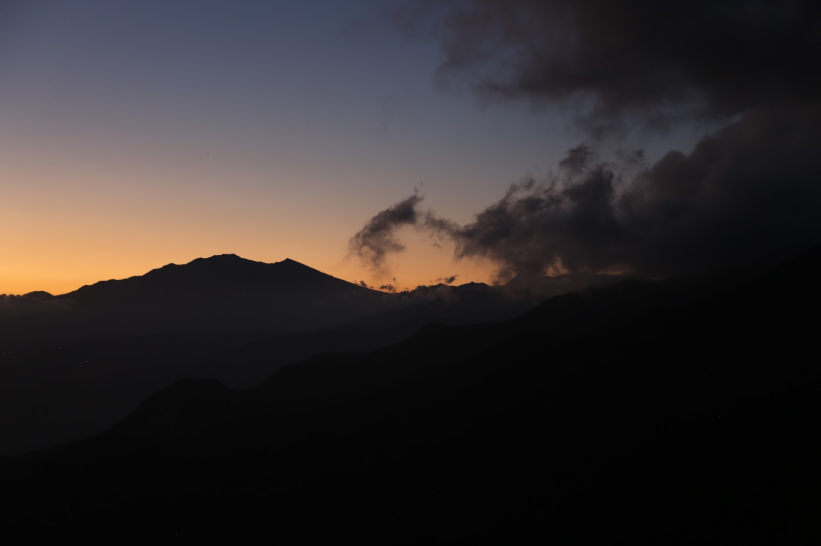
Bocas del Toro: Main Island or the Others? The Ultimate Backpacker Deep Dive

If you’re heading to Bocas del Toro as a backpacker, you’re not just choosing accommodation — you’re choosing your entire experience. This decision, more than almost anything else on your trip, will shape your days, your nights, your budget, your social life, and even how “Panama” your trip feels.

At first glance, it seems simple: stay on the main island or stay somewhere quieter. But once you’re there, you quickly realize that Bocas isn’t one destination — it’s multiple worlds spread across water, each with its own rhythm, personality, and trade-offs.

And the difference between them is massive.

🌆 Isla Colón: The Backpacker Playground

Let’s start with Isla Colón — because whether you plan to stay there or not, you’ll pass through it. It’s the beating heart of Bocas, the transport hub, the nightlife center, and the place where most backpackers begin (and often accidentally stay longer than planned).

Bocas Town is a chaotic, colorful strip of Caribbean energy. Wooden buildings painted in bright colors line the waterfront, boats buzz in and out constantly, music spills out of bars, and there’s always movement — people arriving, leaving, partying, planning, recovering.

From a backpacker perspective, Isla Colón is ridiculously easy.

Everything you could possibly need is within walking distance:

Hostels for every budget and vibe

Restaurants from cheap eats to trendy cafés

Tour agencies on every corner

ATMs (important — cash is king here)

Supermarkets, pharmacies, and random essentials

Bars, clubs, and late-night food

You don’t need to plan. You don’t need to think. You just exist, and things happen around you.

And that’s why so many people stay longer than intended.

🍻 The Social Scene

If your goal is to meet people quickly, Isla Colón is unmatched. Within hours of arriving, you’ll likely:

Be chatting to strangers in your hostel

Get invited to a tour or beach trip

End up at a bar you didn’t plan to go to

Somehow form a group for the next day

It’s one of those places where social momentum builds fast. People are open, transient, and in the same mindset — which makes connections easy and often surprisingly strong, even if short-lived.

The nightlife plays a huge role in this. It’s not just about drinking — it’s about shared experiences. Bar hopping, waterfront drinks, spontaneous dance floors, late-night food runs — it all blends into a kind of rolling social environment.

⚠️ The Downsides

But Isla Colón is not paradise in the traditional sense.

After a few days, you may notice:

Noise — especially at night

A slightly chaotic, backpacker-heavy atmosphere

Higher prices compared to other islands

A feeling that you’re in a “bubble” rather than somewhere remote

It’s easy to forget you’re in a tropical archipelago when you’re surrounded by bars, crowds, and constant activity.

And that’s when many travelers start looking elsewhere.

🌿 Isla Bastimentos: Jungle, Beaches, and Escape

Just a short boat ride away lies Isla Bastimentos — and it feels like you’ve left civilization behind.

This is where Bocas transforms into something wilder, quieter, and far more immersive.

There are no cars.

There are fewer people.

There is a lot more nature.

Instead of roads, you’ll find jungle paths. Instead of bars on every corner, you’ll find scattered hostels, eco-lodges, and small local communities. The pace slows down immediately.

🌊 The Experience

Staying on Bastimentos feels like stepping into a different version of travel:

You wake up to jungle sounds instead of traffic

You walk through dense greenery to reach beaches

You swim in places that feel untouched

You spend more time doing less — and enjoying it

Places like Red Frog Beach are iconic for a reason. Wide, wild, and backed by jungle, they offer that raw Caribbean beauty that many people imagine before arriving in Bocas.

🧘 The Vibe

Bastimentos attracts a different kind of backpacker:

People looking to slow down

Travelers escaping the party scene

Nature lovers and surfers

Couples or solo travelers wanting space

It’s not anti-social — you’ll still meet people — but interactions tend to be calmer, more intentional, and less driven by nightlife.

⚠️ The Trade-Offs

But this beauty comes with logistical reality.

Life here requires effort:

You rely on water taxis for almost everything

Food options are more limited and often pricier

There are fewer shops, ATMs, or conveniences

Nights are quiet — sometimes very quiet

Miss the last boat? You’re staying put.

Want variety? You’ll need to move for it.

It’s not difficult — but it’s not effortless like Isla Colón.

🚤 Isla Carenero: The Perfect Middle Ground

Then there’s Isla Carenero — the island that quietly solves the dilemma.

It’s just a 1–2 minute boat ride from Isla Colón, but the difference in atmosphere is immediate. The noise fades, the crowds thin out, and everything feels more relaxed.

🌴 Why Backpackers Love It

Carenero gives you:

Peace and quiet when you want it

Immediate access to Isla Colón when you need it

A more “island” feel without isolation

You can:

Wake up by the water

Spend the day relaxing or swimming

Head into town for dinner or nightlife

Be back in bed within minutes

It’s incredibly balanced.

⚠️ The Reality

Of course, you’re still dependent on boats, even if it’s just a short ride. That means:

Small but constant transport costs

Slightly less spontaneity late at night

Fewer options than the main island

But for many, this is the sweet spot.

💰 Budget Breakdown: What Changes Where You Stay

Your island choice directly affects your spending.

Isla Colón:

Cheapest food options available

Wide range of hostels (budget to party)

No transport costs within town

Outer Islands:

Higher food prices (less competition, more logistics)

Accommodation can be similar or slightly higher

Daily water taxi costs add up

Ironically, staying “in paradise” can cost more — not because it’s luxury, but because it’s less convenient.

🧠 The Backpacker Strategy (This Is What Most People Get Right)

Here’s the truth:

Almost no one regrets doing both.

The smartest way to experience Bocas is to split your stay.

Phase 1: Isla Colón

Arrive. Settle in. Meet people. Explore. Go out. Book tours. Get your bearings.

Phase 2: Outer Island (Bastimentos or Carenero)

Escape. Slow down. Enjoy nature. Recharge. Actually feel where you are.

This contrast is what makes Bocas special.

If you only stay on Isla Colón, you miss the paradise.

If you only stay on the outer islands, you miss the energy.

Together, they create the full experience.

🌴 Final Verdict

So… where should you stay?

Isla Colón if you want:

Social energy

Convenience

Nightlife

Easy travel

Isla Bastimentos if you want:

Jungle and beaches

Peace and quiet

A raw, natural experience

Isla Carenero if you want:

Balance

Easy access + calm vibe

The best of both worlds

But the real answer?

Don’t choose.

Because Bocas del Toro isn’t meant to be experienced from one place. It’s meant to be felt across islands — moving between noise and silence, chaos and calm, people and nature.

And somewhere between a late night in Bocas Town and a quiet morning on a jungle-fringed beach, you’ll understand exactly why this place is so hard to leave.

Voetbal, vuurwerk en pure chaos: is een voetbalwedstrijd in Panama de moeite waard?

Als je door Panama reist en je afvraagt of het de moeite waard is om een voetbalwedstrijd te bezoeken, dan is het antwoord volmondig ja — maar waarschijnlijk niet om de redenen die je denkt. Je gaat hier niet naartoe voor perfect spel, wereldsterren of hypergeorganiseerde entertainment. Je gaat voor de sfeer, de energie en het gevoel dat alles een beetje ongepolijst en echt is. Voetbal — of fútbol — in Panama draait om emotie, trots en momenten die onverwacht uitbarsten in pure chaos.

De sport heeft de laatste jaren een enorme groei doorgemaakt, vooral sinds Panama zich voor het eerst kwalificeerde voor het 2018 FIFA World Cup. Dat moment veranderde alles. De Panama national football team werd een bron van nationale trots, en tot op de dag van vandaag voel je die energie nog overal — op straat, in bars, in gesprekken. Wanneer het nationale team speelt, staat het land als het ware stil.

Maar als backpacker kom je waarschijnlijk eerder terecht bij een lokale clubwedstrijd. En dat is waar het écht interessant wordt.

Lokale wedstrijden in Panama zijn niet gemaakt om toeristen te imponeren. Ze bestaan gewoon — met of zonder jou. Stadions zijn kleiner, tickets zijn goedkoop en het publiek bestaat vooral uit locals die hun team al jaren volgen. Families nemen hun kinderen mee, vriendengroepen hangen samen rond en hier en daar zitten fanatieke supporters die elke wedstrijd beleven alsof het de finale is. Het voelt niet als een show. Het voelt als het echte leven.

In het begin kan de sfeer je zelfs een beetje verrassen. Het is niet meteen intens. Mensen druppelen langzaam binnen, praten, eten, lachen. Verkopers lopen rond met snacks en drankjes. Het voelt bijna ontspannen, alsof iedereen rustig op gang komt.

Maar dan verandert het.

Een gemiste kans. Een harde tackle. Een discutabele beslissing van de scheidsrechter. En ineens stijgt het volume. Trommels beginnen te slaan. Mensen gaan zingen, schreeuwen, reageren. Vlaggen verschijnen. De energie bouwt zich op in golven. En wanneer er gescoord wordt, ontploft alles. Mensen springen op, omhelzen elkaar, schreeuwen alsof het het belangrijkste moment van hun leven is.

Het is geen constante intensiteit zoals in sommige grote voetballanden. Het komt en gaat. Maar juist daardoor voelen de hoogtepunten zo echt.

Wat het extra bijzonder maakt, is hoe ongefilterd alles is. In de ene hoek speelt muziek, in de andere discussieert iemand luid over de wedstrijd. Sommigen analyseren elk detail, anderen zijn gewoon aan het genieten van de sfeer met een drankje in de hand. Het is rommelig, levendig en volledig menselijk.

Dan de vraag die veel reizigers hebben:

Is het veilig?

Ja — in het algemeen is het veilig om een voetbalwedstrijd in Panama te bezoeken, zolang je je gezond verstand gebruikt. De meeste wedstrijden zijn relaxed en zelfs familievriendelijk. Je ziet kinderen, koppels en groepen vrienden samen genieten van de wedstrijd. Het is geen omgeving waar je spanning of gevaar moet verwachten.

Dat gezegd hebbende: voetbal blijft emotioneel. Rivaliteit bestaat, en mensen kunnen fanatiek reageren. Je kunt geschreeuw horen of verhitte discussies zien, vooral tijdens spannende momenten. Maar het escaleert zelden. De belangrijkste regel is simpel: meng je er niet in. Ga niet provoceren, kies geen extreme kant en blijf gewoon toeschouwer.

Vanuit praktisch oogpunt is het slim om je vervoer te plannen. Sommige stadions liggen in gebieden die ’s avonds rustiger worden. Aankomen is meestal eenvoudig, maar vertrekken kan wat chaotischer zijn. Een taxi of rideshare regelen maakt het een stuk makkelijker. Binnen het stadion geldt hetzelfde als overal: houd je spullen bij je en let een beetje op.

Wat kun je verwachten als backpacker?

Allereerst: je valt een beetje op, maar op een goede manier. Panama wordt niet overspoeld door voetbaltouristen, dus je aanwezigheid wekt eerder nieuwsgierigheid dan iets anders. Mensen kunnen vragen waar je vandaan komt of een praatje maken. Het is een makkelijke manier om contact te leggen met locals.

Ten tweede: verwacht dat niet alles perfect georganiseerd is. Wedstrijden beginnen soms iets later, dingen verlopen niet altijd strak volgens plan, en het geheel kan een beetje geïmproviseerd aanvoelen. Maar dat is juist de charme. Het voelt levend, niet geregisseerd.

Ten derde: verwacht rustige momenten afgewisseld met plotselinge explosies van energie. Je zit misschien ontspannen te kijken, en een paar seconden later sta je ineens midden in het lawaai en de chaos.

En vooral: verwacht echtheid.

Want dat is waar het uiteindelijk om draait.

Je gaat niet voor perfect voetbal. Je gaat om iets te ervaren dat echt is — een stukje Panamees leven dat je anders misschien nooit zou zien. Je deelt een moment met mensen die er echt om geven, en voor even maakt het niet uit waar je vandaan komt.

⚽ Conclusie

Is het de moeite waard om een voetbalwedstrijd in Panama te bezoeken?

Zeker weten.

Is het veilig?

Ja, zolang je een beetje oplet.

Wat kun je verwachten?

Geen perfectie.

Geen luxe.

Geen wereldtop voetbal.

Maar wel:

Geluid.

Energie.

Onvoorspelbaarheid.

En momenten die volledig spontaan aanvoelen.

En waarschijnlijk loop je weg met één gedachte:

“Dat was veel leuker dan ik had verwacht.”

Fútbol, Fire, and Pure Chaos: Is Going to a Soccer Game in Panama Worth It?

If you’re traveling through Panama and wondering whether it’s worth going to a soccer match, the answer is a confident yes — but not because you’re about to witness the highest level of football on the planet. You go because it’s raw, unpredictable, and completely unfiltered. Soccer — or fútbol — in Panama isn’t about polished entertainment or global superstars. It’s about energy, pride, and the kind of atmosphere that builds slowly before suddenly exploding into something unforgettable.

The sport has grown massively in the country, especially after Panama qualified for its first-ever World Cup at the 2018 FIFA World Cup. That moment shifted football from background noise to national obsession. The Panama national football team became a symbol of unity, and even years later, you can still feel that pride in everyday life — flags, jerseys, conversations, and that unmistakable excitement whenever the national team plays. On those nights, the country doesn’t just watch football — it lives it.

But as a backpacker, you’re more likely to end up at a local club match, and that’s where things get interesting in a completely different way.

Local games in Panama don’t try to impress you. They’re not designed for tourists, and that’s exactly what makes them special. Stadiums are smaller, tickets are cheap, and the crowd is made up mostly of locals who are there because they genuinely care. Families bring kids, groups of friends arrive together, and scattered among them are passionate supporters who follow their teams with real loyalty. You’re not watching a spectacle built for an audience — you’re stepping into something that already exists, whether you’re there or not.

At first, the atmosphere might catch you off guard. It doesn’t always start intense. People drift in slowly, chatting, eating, checking their phones, greeting friends. Vendors walk through the stands selling snacks and drinks. There’s a casual, almost laid-back feeling — like everyone is easing into the experience rather than being thrown into it.

But then, almost without warning, it changes.

A near miss. A bad tackle. A controversial call. And suddenly the volume rises. Drums start beating somewhere in the stands. Chants begin, sometimes coordinated, sometimes completely chaotic. Flags appear, voices overlap, and the entire stadium seems to wake up at once. And when a goal is scored, everything erupts — shouting, jumping, strangers high-fiving or hugging like they’ve known each other for years.

It’s not constant intensity like in some of the world’s biggest football cultures. It comes in waves. But that’s what makes it feel so real. The highs hit harder because they’re not manufactured — they’re earned in the moment.

There’s also a beautiful unpredictability to it all. Music might be playing in one corner of the stadium while a heated argument about a referee decision is happening in another. Someone might be passionately analyzing the game next to you, while a group nearby is more focused on laughing, drinking, and enjoying the night. It’s football, but it’s also social, messy, and completely human.

Now, let’s talk about what most travelers are really thinking:

Is it safe?

The honest answer is yes — going to a soccer game in Panama is generally safe, especially if you approach it with basic awareness. Most matches are relaxed and family-friendly environments. You’ll see children, older fans, couples, and groups all sharing the same space. It’s not an atmosphere built around aggression or intimidation.

That said, football is emotional everywhere in the world, and Panama is no exception. Rivalries exist, and people care. You might hear shouting, see heated reactions, or feel the tension during close games. But it very rarely escalates into anything serious. The key is simple: don’t try to be part of the drama. Don’t provoke, don’t take sides too aggressively, and don’t get involved in heated exchanges.

Be present, enjoy it, observe — and you’ll be completely fine.

From a practical perspective, there are a few things to keep in mind. Stadiums aren’t always in the most lively areas after dark, so planning how you get there and back is important. Arriving is usually straightforward, but leaving — especially after a night game — can feel a bit chaotic. Having a taxi or rideshare plan makes everything easier. Inside the stadium, keep your belongings secure, just like you would in any crowded place.

So what’s the experience actually like as a backpacker?

First, expect to stand out a little — but in a good way. Panama doesn’t get flooded with football tourists, so your presence is more of a curiosity than anything else. People might ask where you’re from, who you support, or simply strike up a conversation. It’s an easy environment to connect with locals without it feeling forced.

Second, expect things to be a bit… flexible. Kickoff times might not be exact. Organization might feel slightly improvised. The flow of the game day experience can feel loose compared to more structured leagues. But instead of being frustrating, it adds to the charm. You’re not watching a perfectly polished product — you’re part of something that feels alive and slightly unpredictable.

Third, expect moments of calm followed by sudden bursts of chaos. You might find yourself casually watching the game one minute, and then suddenly on your feet the next, caught up in a wave of energy you didn’t see coming.

And finally, expect authenticity.

Because that’s what this is really about.

You’re not going for flawless football. You’re going to experience a slice of life in Panama that most travelers miss. You’re going to feel the rhythm of the crowd, the emotion of the game, and that shared connection that football creates, even between complete strangers.

There’s something powerful about standing in a stadium, surrounded by people who care deeply about what’s happening in front of them, even if the stakes aren’t global. For those 90 minutes, nothing else really matters. And somehow, you get to be part of that.

⚽ Final Verdict

Is it worth going to a soccer game in Panama?

Without a doubt.

Is it safe?

Yes — just use the same awareness you would anywhere else.

What should you expect?

Not perfection. Not luxury. Not world-class football.

Expect noise.

Expect energy.

Expect unpredictability.

Expect moments that feel completely unscripted.

And most importantly, expect to walk away thinking:

“That was way more fun than I expected.”

Are Hostels Safe in Panama? The Backpacker Truth (With a Few Plot Twists)

Hostels in Panama are, in general, safe. Not “leave-your-passport-on-the-table-and-go-for-a-swim” safe — but definitely “relax, meet people, and enjoy your trip without constantly looking over your shoulder” safe. The reality sits somewhere comfortably in the middle, and once you understand how hostel life actually works, it becomes one of the easiest environments to navigate as a traveler.

Panama has a solid backpacker trail, and hostels along that route are well adapted to the rhythm of travelers coming and going. You’ll find dorm rooms, common areas, kitchens, bars, hammocks, and that familiar mix of people from all over the world who somehow all ended up in the same place at the same time. Staff are used to international guests, the vibe is usually relaxed, and most places have basic security measures like lockers, reception hours, and controlled entry. Violent crime inside hostels is extremely rare, which means you’re not walking into anything inherently dangerous.

But here’s the twist — and it’s one that surprises almost every first-time backpacker:

The biggest risk in a hostel isn’t locals.

It’s other backpackers.

Not in a dramatic, crime-documentary kind of way — more in a “someone made a bad decision at 2am” kind of way. Petty theft does happen, and when it does, it’s usually small things: a phone left charging unattended, cash taken from an open bag, headphones that quietly disappear. It’s not constant, and it’s not everywhere, but it’s common enough that experienced travelers treat it as part of the environment.

And here’s what makes it weirdly tricky: everyone looks trustworthy.

You’re surrounded by people who also just got off a bus, who also have backpacks, who also seem friendly, tired, and slightly sunburned. There’s no obvious “this is the person to watch out for.” And 99% of the time, there isn’t a problem. But that 1% is exactly why lockers exist.

And you should absolutely use them.

Lockers are not there because the staff don’t trust the guests. They’re there because shared spaces come with shared risks. Once you lock up your valuables — passport, money, electronics — you remove almost all of the real problems you could run into. It’s one simple habit that makes a massive difference.

Once that’s sorted, everything else becomes a lot more fun.

Because hostel life in Panama is not just about a place to sleep — it’s about the experience. Social hostels are everywhere, and they tend to become little worlds of their own. People arrive for one night and end up staying for five. Plans change constantly. Someone suggests a hike, a trip, a night out, and suddenly you’re part of it.

In places like Lost and Found Hostel, the social side is half the reason people go. You’re in the middle of the mountains, surrounded by jungle, and somehow within a few hours you’ve met a group of people you’re eating dinner with, hiking with, and probably laughing with late into the night. It’s chaotic in the best possible way.

Of course, where there’s a social scene, there’s usually alcohol. And where there’s alcohol, there’s a slight dip in decision-making quality. This is where most “hostel problems” actually begin — not with danger, but with distraction. People forget where they left things, trust situations a bit too quickly, or assume that because everyone feels like a friend, everything is automatically safe.

It’s not about being paranoid. It’s about staying just aware enough to avoid obvious mistakes.

Think of it like this:

Relax your shoulders, not your common sense.

Outside the hostel, the level of safety can depend a bit more on where you are. In Panama City, for example, some neighborhoods require a bit more awareness at night, just like in any major city. In smaller towns, beach areas, or mountain regions, things tend to feel more relaxed and slower-paced. But inside the hostel itself, the vibe is usually consistent — social, informal, and easygoing.

Another interesting thing about hostels is how quickly they create a sense of trust. You meet someone over breakfast, and by the afternoon you’re planning to travel together. You share stories, recommendations, sometimes even rooms or transport. It’s one of the best parts of backpacking — that instant connection with strangers.

And most of the time, that trust is well placed.

But it’s still trust in a temporary environment. People come and go. You don’t really know anyone for long. So while it’s easy to feel like you’re in a small community (and in many ways you are), it’s still smart to keep a tiny bit of distance when it comes to your valuables and personal space.

The funny thing is, once you understand all of this, hostels actually feel safer — not less.

Because you know the rules.

Use your locker.

Don’t leave valuables lying around.

Be aware when things get a bit wild socially.

And trust your instincts if something feels off.

Do that, and you unlock the best part of hostel travel.

Because beyond the bunk beds and shared bathrooms, hostels in Panama are where things happen. They’re where you meet people who completely change your trip. Where plans fall apart and turn into something better. Where you arrive alone and somehow end up with a group.

They’re a little chaotic, occasionally unpredictable, and full of personalities from every corner of the world.

But dangerous?

Not really.

Just… don’t leave your phone on the table and walk away.

That’s the only real plot twist.

Is Street Food Safe in Panama? A Backpacker’s Honest Guide

Street food in Panama is one of those things every backpacker ends up wondering about — usually while standing in front of a sizzling pan, watching something golden and delicious being pulled out of hot oil for a couple of dollars. The short answer is yes, it’s generally safe. The longer, more honest answer is that it’s safe if you pay attention, trust your instincts, and understand how food works in a hot, tropical environment. Panama isn’t a place where street food is considered risky or unusual. Locals eat it every single day, often as part of their routine, whether it’s breakfast on the go, a quick lunch, or a late-night snack. That alone is one of the biggest indicators that you’re not stepping into something inherently unsafe — if locals trust it, it’s usually a good sign.

One of the reasons street food works so well in Panama is the pace at which it moves. The best stalls are busy, and that matters more than anything else. High turnover means food is constantly being cooked, served, and replaced, rather than sitting around in the heat. And heat is the real factor you need to think about here. Panama is hot and humid, and that environment can spoil food quickly if it’s left out too long. But when something is fried fresh, grilled in front of you, or pulled straight from a pot, it’s about as safe as it gets. That’s why foods like empanadas, carimañolas, grilled meats, and fried plantains are such reliable options. They’re cooked at high temperatures, served immediately, and rarely hang around long enough to become a problem. You’ll often see vendors working continuously, dropping batches into oil or onto grills as customers line up, which is exactly the situation you want to find yourself in.

Where you need to be a little more cautious is with anything that isn’t piping hot or freshly prepared. Ceviche, for example, is incredibly popular in Panama and can be absolutely fantastic, but it relies on being kept cold and fresh. If it’s sitting out without proper refrigeration, especially in the heat, that’s when risk creeps in. The same goes for cut fruit — it can be perfectly safe if it’s peeled or sliced in front of you, but pre-cut fruit that’s been sitting exposed is better avoided. Sauces are another small but important detail. You’ll often see bottles of mayonnaise-based or creamy sauces sitting out on counters, and while they add flavor, they’re also more sensitive to heat. If a place is busy, those sauces are being used quickly and are generally fine. If not, it’s smarter to skip them.

What makes Panama relatively easy compared to other destinations is that hygiene standards are often a bit higher than people expect. You’ll frequently see vendors using gloves, handling money and food separately, and working in setups that, while simple, are functional and clean enough. That doesn’t mean everything is perfect, but it does mean you’re not navigating extreme conditions. It’s more about awareness than worry. A quick glance at how a vendor operates tells you almost everything you need to know. Are they actively cooking? Are people lining up? Does the food look fresh? If the answer is yes, you’re probably in a good spot.

For backpackers, street food becomes part of daily life very quickly. It’s cheap, filling, and often more authentic than sitting down in a restaurant. You might start your morning with something fried and salty from a roadside stall, grab a quick bite between buses, or end a night out with whatever is still sizzling nearby. And for the most part, people eat this way throughout their trip without any issues at all. That said, minor stomach adjustments can happen anywhere when you travel. New bacteria, different oils, different preparation styles — your body notices. But that’s not the same as food being unsafe. It’s just part of adapting to a new place.

The real trick is not overthinking it, but also not switching your brain off completely. Eat where it’s busy, choose food that’s hot and freshly made, avoid anything that looks like it’s been sitting out too long, and don’t ignore your instincts. If something feels off, just walk away — there’s always another option a few steps down the street. Panama has no shortage of food, and part of the experience is trying different places until you find the ones that feel right.

In the end, street food in Panama is not something to avoid — it’s something to embrace, just with a bit of awareness. Some of the best meals you’ll have won’t come from restaurants or menus, but from simple setups with plastic chairs, handwritten signs, and the sound of oil crackling in the background. It’s quick, it’s local, and it’s a huge part of the culture. And if you approach it the right way, it won’t just be safe — it’ll be one of the highlights of your trip.

Weihnachten in Panama: Ein unerwartetes tropisches Abenteuer für Backpacker

Weihnachten in Panama ist nicht das, was die meisten Backpacker erwarten – und genau das macht es so unvergesslich. Keine klirrende Kälte, kein Schnee, keine dicken Jacken oder Kaminfeuer. Stattdessen warme Nächte, feuchte Luft, das ferne Knallen von Feuerwerk und Musik, die schon Tage vor Weihnachten durch die Straßen klingt. Es fühlt sich weniger wie ein einzelner Feiertag an, sondern eher wie ein langsamer Aufbau von Energie, der schließlich in etwas Lautes, Emotionales und Lebendiges übergeht.

Für die Einheimischen ist Weihnachten alles andere als ruhig oder zurückhaltend. Bereits Anfang Dezember beginnt sich die Stimmung aufzubauen. Häuser werden mit Lichtern geschmückt, Weihnachtsbäume stehen in den Wohnzimmern, und selbst Plastik-Weihnachtsmänner stehen in der tropischen Hitze und wirken leicht fehl am Platz. Doch das Auffälligste ist die Atmosphäre: Es läuft ständig Musik, Menschen treffen sich, und überall liegt dieses Gefühl in der Luft, dass etwas bevorsteht – auch wenn man nicht genau sagen kann, wann.

Im Gegensatz zu vielen anderen Ländern steht in Panama nicht der 25. Dezember im Mittelpunkt, sondern der Abend davor – Nochebuena. Dann passiert alles. Familien kommen oft erst spät zusammen, manchmal beginnt das eigentliche Festessen erst kurz vor Mitternacht. Die Tische sind reich gedeckt, Getränke fließen, Gespräche werden lauter und lebhafter. Es ist ungezwungen, lang, chaotisch und voller Energie.

Und dann kommt Mitternacht.

Keine stille Besinnlichkeit, kein ruhiger Übergang – der Himmel explodiert förmlich. Überall gleichzeitig zündet Feuerwerk, nicht organisiert, sondern wild, verstreut und beeindruckend. Aus allen Richtungen hört man Knallen und Jubel. Menschen feiern, Musik wird lauter, Hunde bellen, und für einen Moment scheint das ganze Land gleichzeitig wach zu sein.

Für Backpacker kann sich das fast surreal anfühlen.

Man steht in einem T-Shirt unter Palmen, sieht das Feuerwerk über sich und denkt: Wie kann das derselbe Feiertag sein, den ich mein Leben lang kannte?

Doch dann kommt der 25. Dezember – und plötzlich ändert sich alles.

Nach der intensiven Nacht wird der Weihnachtstag ruhig. Nicht leer, aber deutlich entspannter. Familien bleiben unter sich, die Straßen werden stiller, viele Geschäfte schließen. Transportmöglichkeiten sind eingeschränkt. Wenn du ohne festen Plan reist, fühlt es sich vielleicht so an, als wäre das Land plötzlich stehen geblieben.

Und genau hier beginnt die eigentliche Backpacker-Erfahrung.

Während sich das lokale Leben auf Familie konzentriert, wenden sich Reisende einander zu.

In sozialen Hostels – wie zum Beispiel im Lost and Found Hostel – bekommt Weihnachten eine ganz eigene Bedeutung. Menschen aus aller Welt kommen zusammen, oft ohne gemeinsame Traditionen und ohne feste Pläne. Und genau das macht den Zauber aus.

Es beginnt ganz einfach: ein paar Gespräche, jemand schlägt vor, zusammen zu kochen, jemand bringt Musik mit, Getränke tauchen auf, Geschichten werden erzählt. Und plötzlich entsteht eine Art improvisiertes Weihnachtsfest, das nicht geplant war – und sich trotzdem vollkommen echt anfühlt.

Darin liegt etwas Besonderes. Keine Erwartungen, keine Verpflichtungen – nur Menschen, die sich entscheiden, gemeinsam zu feiern, weil sie zufällig am selben Ort sind. Es geht weniger um Tradition und mehr um Verbindung.

Und genau das macht es oft so intensiv.

Vielleicht kommt zwischendurch ein Gefühl von Heimweh auf. Gedanken an Familie, an gewohnte Rituale. Doch dieses Gefühl vermischt sich mit etwas anderem: Freiheit. Du bist nicht an feste Abläufe gebunden. Du erlebst etwas völlig Neues. Und genau das macht diese Momente oft stärker, lebendiger und bedeutungsvoller.

Mit etwas Glück bekommst du sogar Einblick in ein lokales Weihnachtsfest. Die Menschen in Panama sind bekannt für ihre Herzlichkeit, und es kommt vor, dass Reisende eingeladen werden, mitzufeiern. Mit einer Familie am Tisch zu sitzen, Essen zu teilen, zu lachen – das zeigt dir eine tiefere Seite dieses Festes: Gemeinschaft, Großzügigkeit und echtes Miteinander.

Was ebenfalls sofort auffällt, ist der Klang von Weihnachten. Es ist kein leises Fest. Musik läuft bis spät in die Nacht. Feuerwerk beginnt Tage vorher und endet erst Tage später. Stimmen, Lachen und Leben füllen die Straßen. Selbst wenn es am 25. ruhiger wird, bleibt diese Energie spürbar.

Für Backpacker gibt es auch eine praktische Seite. Reisen rund um Weihnachten erfordert Flexibilität. Busse fahren seltener oder sind ausgebucht. Touren pausieren. Restaurants bleiben geschlossen. Es ist nicht die einfachste Zeit, um schnell durchs Land zu reisen. Doch wenn du dich darauf einlässt und einfach an einem Ort bleibst, wird genau das Teil der Erfahrung.

Und genau darin liegt der Kern von Weihnachten in Panama.

Es geht nicht darum, das Gewohnte nachzustellen. Es geht nicht darum, „Zuhause“ zu kopieren. Es geht darum, loszulassen und sich auf etwas Neues einzulassen – etwas Wärmeres, Lauteres, Unvorhersehbares.

Vielleicht wanderst du am Weihnachtstag durch den Dschungel, statt am Kamin zu sitzen. Vielleicht feierst du mit Menschen, die du erst seit ein paar Tagen kennst. Vielleicht isst du Dinge, die du noch nie probiert hast. Und trotzdem fühlt es sich nach Weihnachten an.

Vielleicht sogar mehr als sonst.

Denn am Ende geht es an Weihnachten immer um Verbindung. Und in Panama nimmt diese Verbindung einfach eine andere Form an – weniger geplant, weniger vorhersehbar, aber genauso echt.

Und irgendwo zwischen Feuerwerk, Musik, gemeinsamen Mahlzeiten und neuen Freundschaften wird dir klar:

Das ist nicht das Weihnachten, das du erwartet hast.

Aber vielleicht das, das du nie vergessen wirst.

Kerst in Panama: Een Onverwachte Tropische Ervaring voor Backpackers

Kerst in Panama is niet wat de meeste backpackers verwachten — en dat is precies wat het zo onvergetelijk maakt. Geen koude lucht, geen sneeuw, geen dikke jassen of knusse open haarden. In plaats daarvan krijg je warme nachten, vochtige lucht, het geluid van vuurwerk in de verte en muziek die al dagen vóór kerst door de straten klinkt. Het voelt minder als één dag en meer als een langzaam opbouwend gevoel dat uiteindelijk uitbarst in iets luids, emotioneels en vol leven.

Voor locals is kerst allesbehalve rustig of subtiel. Het begint al vroeg in december en neemt langzaam het dagelijks leven over. Huizen worden versierd met lichtjes, kerstbomen verschijnen in woonkamers, en zelfs plastic kerstmannen staan in de tropische hitte te “zweten”. Maar wat vooral opvalt, is de sfeer. Er is altijd muziek. Altijd beweging. Altijd het gevoel dat er iets staat te gebeuren, zelfs als je niet precies weet wanneer.

In tegenstelling tot veel andere landen draait het in Panama niet om eerste kerstdag, maar om kerstavond — Nochebuena. Dán gebeurt alles. Families komen laat samen, vaak pas ’s avonds echt, en het diner begint soms pas vlak voor middernacht. Tafels staan vol eten, drankjes blijven komen en gesprekken worden steeds luider naarmate de avond vordert. Het is niet gehaast of formeel — het is lang, luid en vol energie.

En dan slaat de klok twaalf.

Geen stille overgang, geen rustige momenten. De lucht explodeert letterlijk. Vuurwerk knalt overal tegelijk — geen georganiseerde shows, maar een chaotische, prachtige explosie verspreid over het hele land. Je hoort het uit alle richtingen: buurten, heuvels, dorpen. Mensen juichen, honden blaffen, muziek wordt harder. Het voelt alsof het hele land tegelijk feestviert.

Voor een backpacker kan dit bijna surrealistisch aanvoelen.

Je staat daar in een T-shirt, onder palmbomen, terwijl het vuurwerk de lucht verlicht, en je denkt: hoe kan dit dezelfde kerst zijn die ik altijd heb gekend?

Maar dan komt eerste kerstdag — en alles verandert.

Na de intensiteit van de nacht ervoor wordt 25 december ineens rustig. Niet leeg, maar kalm. Families trekken zich terug, straten worden stiller en veel winkels sluiten. Transport kan beperkt zijn. Als je reist zonder plan, kan het ineens voelen alsof alles tot stilstand is gekomen.

En precies daar begint de echte backpacker-ervaring.

Want terwijl locals zich terugtrekken in hun familiekring, keren reizigers zich naar elkaar.

In sociale hostels — zoals Lost and Found Hostel — krijgt kerst een compleet andere betekenis. Hier komen mensen van over de hele wereld samen, zonder gedeelde tradities en vaak zonder plan. En juist dat maakt het bijzonder.

Het begint simpel. Een paar gesprekken. Iemand stelt voor om samen te koken. Iemand anders zet muziek op. Er verschijnen drankjes. Verhalen worden gedeeld. En voordat je het weet, heb je samen een kerst gecreëerd die nergens gepland was, maar toch volledig echt voelt.

Er zit iets bijzonders in zo’n ervaring. Geen verplichtingen, geen verwachtingen — alleen mensen die samen iets willen vieren omdat ze toevallig op dezelfde plek zijn. Het gaat minder om traditie en meer om verbinding.

En juist dat maakt het vaak zo intens.

Misschien voel je even heimwee. Denk je aan thuis, aan familie, aan hoe kerst normaal voelt. Maar dat gevoel mengt zich met iets anders: vrijheid. Je bent niet gebonden aan vaste patronen. Je beleeft iets compleet nieuws. En dat maakt de herinnering vaak sterker, levendiger en persoonlijker.

Als je geluk hebt, krijg je zelfs een kijkje in een lokale kerst. Panamezen staan bekend om hun gastvrijheid, en het komt voor dat reizigers worden uitgenodigd om mee te vieren. Aan tafel zitten met een lokale familie, eten delen, lachen — dat geeft een diepere blik op wat kerst hier echt betekent: samen zijn, delen en genieten.

Wat ook meteen opvalt, is het geluid. Kerst in Panama is allesbehalve stil. Muziek speelt tot laat. Vuurwerk gaat dagenlang door. Gelach klinkt door de straten. Zelfs wanneer het rustiger wordt op eerste kerstdag, blijft die energie ergens hangen.

Voor backpackers is er ook een praktische kant. Reizen rond kerst vraagt flexibiliteit. Bussen kunnen vol zitten of minder vaak rijden. Tours liggen soms stil. Restaurants kunnen gesloten zijn. Het is niet de makkelijkste periode om snel door het land te trekken. Maar als je dat accepteert en juist even blijft waar je bent, wordt het onderdeel van de ervaring.

En dat is eigenlijk de kern van kerst in Panama.

Het gaat niet om het nabootsen van wat je gewend bent. Het gaat niet om het vinden van “thuis” in een andere vorm. Het gaat om loslaten en jezelf openstellen voor iets nieuws. Iets warms, iets luids, iets onverwachts.

Misschien wandel je door de jungle op eerste kerstdag in plaats van bij een haard te zitten. Misschien vier je met mensen die je een paar dagen geleden nog niet kende. Misschien eet je iets totaal anders dan je gewend bent. En toch… voelt het als kerst.

Misschien zelfs meer dan anders.

Want uiteindelijk draait kerst om verbinding. En in Panama krijgt die verbinding gewoon een andere vorm — minder gepland, minder voorspelbaar, maar minstens zo echt.

En ergens tussen het vuurwerk, de muziek, het eten en de nieuwe vriendschappen besef je:

Dit is niet de kerst die je had gepland.

Maar het is wel degene die je nooit meer zult vergeten.

Christmas in Panama: A Backpacker’s Unexpected Tropical Holiday

Christmas in Panama is not what most backpackers expect — and that’s exactly what makes it unforgettable. There is no cold air biting at your face, no snow settling quietly on rooftops, no need for layers or scarves. Instead, you get warm nights, humid air, the distant crack of fireworks, and music drifting through the streets long before the holiday even begins. It feels less like a single day and more like a slow build of energy that eventually spills over into something loud, emotional, and full of life.

For locals, Christmas is not a low-key or subtle affair. It builds throughout December, gradually taking over neighborhoods, homes, and daily routines. Decorations appear early — lights wrapped around balconies, plastic Christmas trees glowing in living rooms, inflatable Santas sweating gently in the tropical heat. But what stands out most is the atmosphere. There’s always music. Always people gathering. Always a sense that something is about to happen, even if you’re not entirely sure what or when.

Unlike in many countries where Christmas Day itself is the main event, in Panama everything revolves around Christmas Eve — Nochebuena. This is when the country truly comes alive. Families gather late in the evening, often not even sitting down to eat until close to midnight. The food is abundant and rich, with dishes passed around, drinks poured generously, and conversations flowing just as freely. It’s not rushed. It’s not formal. It’s long, loud, and full of energy.

And then midnight arrives.

There is no quiet countdown. No soft transition into Christmas Day. Instead, the sky explodes. Fireworks go off in every direction — not organized displays, but a scattered, chaotic, beautiful eruption across the entire country. You hear them echoing from every neighborhood, every hillside, every town. Dogs bark, people cheer, music gets louder, and for a moment it feels like everyone is celebrating at once.

For a backpacker, this can feel surreal.

You might find yourself standing outside in a T-shirt, watching fireworks light up palm trees, wondering how this is the same holiday you’ve known your entire life. It’s familiar, but completely different at the same time.

But then comes Christmas Day — and this is where things shift.

After the intensity of the night before, December 25th becomes quiet. Not empty, but calm. Families rest. Streets slow down. Many shops close. Transport options can be limited. If you’re traveling without a plan, you might suddenly realize that everything has paused. And that’s when the backpacker experience really begins to stand out.

Because while local life turns inward toward family, travelers tend to turn toward each other.

In social hostels — especially places like Lost and Found Hostel — Christmas becomes something entirely different. Here, people arrive from all over the world with no shared tradition, no set expectations, and often no real plan. And yet, somehow, that’s exactly what creates the magic.

You start with a group of strangers. A few conversations. Maybe someone suggests cooking something together. Someone else finds a speaker. Drinks appear. Stories get shared. And before long, you’ve created a version of Christmas that feels just as real — just less structured.

There’s something uniquely powerful about spending a holiday like this. No pressure, no routine, no obligations — just people choosing to celebrate together because they happen to be in the same place at the same time. It becomes less about tradition and more about connection.

And it’s often in these moments that the experience hits differently.

You might feel a wave of nostalgia at some point — thinking about home, familiar faces, or traditions you’ve left behind. But that feeling usually blends with something else: a sense of freedom. You’re not repeating the same holiday. You’re living a completely new one. And that contrast creates memories that feel sharper, more vivid, and somehow more meaningful.

If you’re lucky, you might even get a glimpse into a local Christmas. Panamanians are known for their warmth and hospitality, and it’s not uncommon for travelers to be welcomed into celebrations, especially in smaller towns or more social environments. Sitting at a table with a local family, sharing food and laughter, you start to see the deeper side of the holiday — one built on generosity, community, and genuine connection.

Another thing that defines Christmas in Panama is the constant presence of sound. It’s not a quiet holiday. Music plays late into the night. Fireworks go on for days, not just hours. Laughter spills into the streets. It feels alive in a way that’s hard to describe until you’re in the middle of it. Even when things slow down on Christmas Day, that energy lingers in the background.

For backpackers, there’s also a practical side to consider. Travel during this time requires a bit more flexibility. Buses may be full or running on reduced schedules. Tours may pause. Restaurants may close. It’s not the easiest time to move quickly from place to place. But if you lean into that — if you stay put, slow down, and embrace where you are — it becomes part of the experience rather than a problem.

And that’s really the key to Christmas in Panama.

It’s not about recreating what you’re used to. It’s not about finding the perfect version of home abroad. It’s about letting go of expectations and stepping into something different. Something warmer, louder, and more spontaneous.

You might spend the day hiking through jungle trails instead of sitting by a fire. You might celebrate with people you met only days ago instead of lifelong friends. You might eat something completely unfamiliar instead of your usual holiday meal. And yet, somehow, it still feels like Christmas.

Maybe even more so.

Because at its core, the holiday has always been about connection — and in Panama, that connection just takes a slightly different form. It’s less structured, less predictable, but no less meaningful.

And somewhere between the fireworks, the music, the shared meals, and the unexpected friendships, you realize something important:

This isn’t the Christmas you planned.

But it might be the one you remember the most.

Drama at Dinnertime: Panama’s Love Affair with Telenovelas

In Panama, there’s a certain hour of the evening when the streets feel just a little quieter, conversations pause mid-sentence, and living rooms across the country glow with the same flickering light. It’s not a national announcement or a football match. It’s something far more dramatic, far more emotional, and far more addictive: the nightly telenovela.

Telenovelas are not just television in Panama — they are ritual, routine, and, for many, a full emotional investment. They arrive every evening like clockwork, weaving stories of love, betrayal, revenge, heartbreak, and improbable coincidence into the fabric of daily life. And once you’re hooked, there’s no casual viewing. You don’t just watch a telenovela. You commit to it.

What makes telenovelas so irresistible is their intensity. Every emotion is dialed up. Love is never simple — it is forbidden, complicated, or constantly under threat. Villains are unapologetically cruel. Heroes suffer endlessly before finding redemption. Secrets are revealed in the most dramatic ways possible, often at the worst possible moment. It’s storytelling that doesn’t hold back, and that’s exactly the point. Life may be unpredictable, but in a telenovela, it is guaranteed to be dramatic.

In Panama, this style of storytelling has found a perfect audience. After long days of work, travel, or navigating the tropical heat, people gather in front of the TV not just to relax, but to feel something. The telenovela becomes a shared emotional outlet — a space where it’s completely acceptable to shout at the screen, argue about characters, or gasp dramatically when a plot twist lands exactly where it should.

And those plot twists come often.

One episode ends with a shocking revelation. The next begins with consequences that spiral into even more chaos. Characters disappear, return, fall in love, betray each other, and somehow survive situations that would end any normal storyline. Yet within all the exaggeration, there’s something deeply relatable. Themes of family, loyalty, ambition, and survival resonate strongly, especially in a country where community and relationships play such a central role in everyday life.

What’s particularly fascinating is how social the experience is. Telenovelas are rarely watched in isolation. Families watch together. Friends discuss episodes the next day. Conversations begin with, “Did you see what happened last night?” and quickly turn into animated debates about who was right, who was wrong, and what might happen next. It’s not unusual for people to structure parts of their evening around a favorite show, making sure they’re home in time or at least near a screen.

Even those who claim they don’t watch often know exactly what’s going on.

There’s also a sense of longevity and loyalty that comes with telenovelas. Unlike many modern shows designed for quick consumption, these stories unfold over weeks or months. Viewers build relationships with characters, invest in their journeys, and ride every emotional high and low along the way. Missing an episode feels like missing a real-life event — something that must be caught up on as soon as possible.

Of course, like any obsession, there’s humor in it too. People will roll their eyes at overly dramatic scenes while secretly being completely absorbed. They’ll joke about predictable twists, yet still react as if they didn’t see them coming. It’s a shared understanding: yes, it’s exaggerated — and yes, we love it anyway.

In recent years, streaming platforms have added a new dimension to this cultural habit. Viewers can now binge entire series, revisit classics, or discover productions from other countries. But the traditional nightly telenovela still holds its ground. There’s something special about watching it unfold in real time, knowing that thousands of others are experiencing the same drama at that exact moment.

In Panama, telenovelas are more than entertainment. They are a daily escape, a conversation starter, and a small but powerful thread that connects people across households, neighborhoods, and generations.

Because in a world that can sometimes feel unpredictable, there’s comfort in knowing that every evening, right on schedule, someone will fall in love, someone will betray someone else, and somewhere — without fail — a secret will be revealed at the worst possible moment.

And honestly? No one here would want it any other way.

Schatten des Dschungels: Die Fer-de-Lance — Panamas gefürchtetste Schlange

Es gibt viele Tiere in Panama, die Respekt verlangen – doch nur wenige bestimmen wirklich, wie man sich durch den Dschungel bewegt. Die Fer-de-Lance gehört dazu. Sie zischt nicht, sie warnt nicht hörbar, sie zeigt sich nicht. Sie ist einfach da – still, reglos und nahezu unsichtbar auf dem Waldboden. Wissenschaftlich bekannt als Bothrops asper und lokal terciopelo genannt, hat diese Schlange einen Ruf, der irgendwo zwischen Realität und Legende liegt. In ganz Zentralamerika gilt sie als die gefährlichste Schlange, der man begegnen kann, und ist für den Großteil schwerer Schlangenbisse verantwortlich. Sie wird nicht gefürchtet, weil man sie oft sieht – sondern weil man sie meist erst bemerkt, wenn es zu spät ist.

Die wahre Stärke der Fer-de-Lance liegt in ihrer Fähigkeit zu verschwinden. Ihr Körper ist ein perfektes Zusammenspiel aus Braun-, Beige- und Schattenmustern, die abgestorbenes Laub, Erde und Waldreste täuschend echt nachahmen. Im gefilterten Licht des Regenwaldes wirkt sie weniger wie ein Tier und mehr wie ein Teil des Bodens selbst. Wanderer sind schon bis auf wenige Zentimeter an ihr vorbeigegangen, ohne sie zu erkennen. Sie jagt nicht aktiv – sie wartet. Zusammengerollt liegt sie entlang von Pfaden, an Waldrändern oder dort, wo sich kleine Säugetiere bewegen. Und genau dort, wo auch Menschen gehen.

Wenn der Moment kommt, ist ihre Geschwindigkeit kaum begreifbar. Der Angriff der Fer-de-Lance ist kein Vorgang, den man bewusst wahrnimmt – er ist bereits geschehen, bevor das Gehirn ihn registriert. In einem Sekundenbruchteil schnellt sie nach vorne, injiziert ihr Gift durch lange, bewegliche Fangzähne und zieht sich sofort zurück, oft bereit für einen weiteren Schlag. Ihr Gift ist hämotoxisch, es zerstört Blutgefäße und Gewebe, statt das Nervensystem anzugreifen. Die Auswirkungen sind heftig und setzen schnell ein: brennender Schmerz, starke Schwellungen, innere Blutungen und Gewebezerfall, der als Nekrose bekannt ist. Ohne Behandlung kann ein Biss lebensbedrohlich sein, und selbst mit medizinischer Versorgung ist die Heilung oft langwierig.

In Zentralamerika werden jedes Jahr tausende Schlangenbisse registriert, und ein großer Teil davon geht auf Arten der Gattung Bothrops zurück – insbesondere auf die Fer-de-Lance. Vor allem in ländlichen Regionen, auf Feldern und entlang von Wegen kommt es zu Zwischenfällen. Bauern, Arbeiter und Wanderer sind am häufigsten betroffen. Besonders bemerkenswert ist dabei, dass diese Schlange nicht nur tief im unberührten Dschungel lebt. Sie fühlt sich auch in Übergangsbereichen wohl – an Waldrändern, auf Plantagen, entlang von Pfaden und sogar in der Nähe menschlicher Siedlungen.

Diese Nähe zum Menschen trägt zu ihrem Ruf als „aggressiv“ bei – ein Begriff, der oft verwendet wird, aber nur teilweise zutrifft. Die Fer-de-Lance jagt keine Menschen und sucht keine Konfrontation. Was sie jedoch ist: extrem defensiv und perfekt angepasst. Fühlt sie sich bedroht, zieht sie sich nicht immer zurück. Stattdessen kann sie sich zusammenrollen, ihre Position halten und mehrfach zuschlagen, wenn sie keinen Fluchtweg sieht. In Kombination mit ihrer Tarnung führt das zu Begegnungen, die plötzlich, intensiv und für viele erschreckend wirken.

Ihre bevorzugten Lebensräume verstärken dieses Gefühl zusätzlich. Feucht, schattig und voller organischer Ablagerungen – genau dort, wo man als Wanderer am wenigsten genau hinschaut. Nach Regenfällen, die in Panama häufig sind, wird der Dschungel lebendiger – und auch die Fer-de-Lance aktiver. Feuchtigkeit zieht Beute an, und Beute zieht Räuber an. In Nebelwäldern und Bergregionen wie rund um Lost and Found Hostel herrschen ideale Bedingungen: dichte Vegetation, kühle Temperaturen und eine permanente Feuchtigkeit, die Sicht und Geräusche dämpft. Eine atemberaubende Umgebung – aber auch eine, in der Aufmerksamkeit entscheidend ist.

Und doch bleibt die Realität: Die meisten Reisenden werden dieser Schlange nie begegnen. Sichtungen sind selten, Bisse noch seltener. Aber die Möglichkeit ist real genug, um das Verhalten erfahrener Wanderer zu prägen. Man setzt jeden Schritt bewusster, achtet auf den Boden, besonders auf laubbedeckten Wegen. Nachts nutzt man Stirnlampen, vermeidet es, in unsichtbare Bereiche zu greifen, und trägt geeignetes Schuhwerk – nicht aus Angst, sondern aus Respekt vor der Umgebung.

Gleichzeitig übt die Fer-de-Lance eine seltsame Faszination aus. Wenn man sie einmal klar sieht, zeigt sich ihre beeindruckende Schönheit. Die Muster ihres Körpers wirken fast kunstvoll, ihre Augen ruhig und wachsam, ihr Körper angespannt und doch vollkommen kontrolliert. Sie ist ein Meisterwerk der Evolution – gebaut für Effizienz, Präzision und Überleben. Sie bewegt sich nur, wenn es nötig ist, und bleibt sonst ein Teil des Waldes.

Am Ende ist die Fer-de-Lance kein Monster, sondern ein Symbol für das Gleichgewicht des Dschungels. Sie reguliert Populationen von Nagetieren und spielt eine wichtige Rolle im Ökosystem. Sie ist weder gut noch böse – sie ist einfach da. Und genau das macht sie so eindrucksvoll.

Durch Panamas Wälder zu gehen bedeutet, Teil dieses Systems zu werden. Es bedeutet, sich durch eine Welt zu bewegen, in der Schönheit und Gefahr untrennbar miteinander verbunden sind. Der gleiche Pfad, der dich zu einem Wasserfall oder einem atemberaubenden Aussichtspunkt führt, kann auch durch das Revier eines der effizientesten Raubtiere Amerikas verlaufen.

Und irgendwo unter den Blättern, unsichtbar und reglos, könnte sie bereits dort sein – nicht auf der Jagd nach dir, nicht auf der Suche nach Konflikt, sondern einfach wartend, so wie sie es immer getan hat, im stillen Schatten des Dschungels.

Shadow of the Jungle: The Fer-de-Lance — Panama’s Most Feared Snake

There are many creatures in Panama that demand respect, but very few that truly control the way you move through the jungle. The fer-de-lance is one of them. It does not roar, it does not announce itself, and it does not give warnings you’ll easily notice. It simply exists — silent, still, and almost perfectly invisible beneath the forest floor. Known scientifically as Bothrops asper and locally as terciopelo, this snake has earned a reputation that borders on myth. Across Central America, it is widely considered the most dangerous snake you are likely to encounter, responsible for the majority of serious snakebite incidents in the region. It is feared not because it is everywhere, but because when it is there, you probably won’t see it until it’s far too late.

The true power of the fer-de-lance lies in its ability to disappear. Its body is patterned in a series of earthy browns, muted tans, and sharp triangular shapes that mimic dead leaves, shadows, and broken forest debris with astonishing precision. In the dappled light of the rainforest, it becomes less of an animal and more of a suggestion — something your eyes pass over without registering. Hikers have stepped within inches of one without ever realizing it. This is not a snake that hunts by pursuit; it hunts by patience. It coils quietly along trails, forest edges, and natural corridors used by small mammals, waiting for the exact moment when prey — or an unaware human — comes close enough to trigger a strike.

When that moment comes, the speed is almost impossible to comprehend. The strike of a fer-de-lance is not something you see — it is something that has already happened before your brain has time to react. In a fraction of a second, it launches forward, delivers venom through long, curved fangs, and retracts just as quickly, often preparing to strike again if it feels threatened. Its venom is hemotoxic, meaning it attacks blood, tissue, and vascular systems rather than the nervous system. The effects can be immediate and severe: intense, burning pain, rapid swelling, internal bleeding, and progressive tissue destruction known as necrosis. Without treatment, bites can become life-threatening, and even with medical care, recovery can be slow and serious.

Across Central America, thousands of snakebite incidents are reported each year, and a significant portion of them are attributed to Bothrops species like the fer-de-lance. In rural areas, agricultural zones, and forested regions, it is considered the leading cause of serious envenomations. Farmers working in fields, hikers moving through dense trails, and even people walking near forest edges are the most common victims. What makes this particularly striking is that the fer-de-lance is not confined to deep jungle. It thrives in the overlap between wild and human spaces — along paths, near plantations, beside roads, and anywhere rodents are plentiful.

This overlap is what gives the snake its reputation for being “aggressive,” a label often repeated by locals and travelers alike. In reality, the fer-de-lance is not hunting humans, nor is it driven by malice. What it is, however, is highly defensive and extraordinarily well-adapted. When threatened, it does not always flee. Instead, it may hold its ground, coil tightly, and respond with repeated strikes if it feels cornered or stepped on. Combined with its near-perfect camouflage, this behavior creates encounters that feel sudden, shocking, and, to many, intentional.

The environments it prefers only increase this sense of unease. Damp, shaded, and full of organic debris, these landscapes are exactly where hikers tend to look the least. After rainfall — which is frequent in Panama — the jungle becomes even more active, and so does the fer-de-lance. Moisture brings prey, and prey brings predators. In cloud forests and mountain regions like those surrounding Lost and Found Hostel, the conditions are ideal: thick vegetation, cooler temperatures, and a constant layer of mist that softens visibility and sound. It is a place of incredible beauty, but also one where awareness matters.

And yet, despite all of this, actual encounters remain rare for most travelers. Seeing a fer-de-lance in the wild is uncommon. Being bitten is even less so. But the possibility is real enough that it subtly shapes behavior. Experienced hikers walk with more intention. They watch where they step, especially on leaf-covered trails. They use headlamps at night, avoid placing hands where they cannot see, and wear proper footwear not out of fear, but out of respect for the environment they are moving through.

There is also, undeniably, a strange fascination that comes with this snake. Up close — in the rare moments when it is seen clearly — the fer-de-lance is strikingly beautiful. Its scales form intricate patterns that seem almost designed, its eyes steady and alert, its body coiled with quiet tension. It is a creature built for efficiency, for precision, for survival. It does not waste energy. It does not reveal itself unnecessarily. It simply exists as one of the rainforest’s most perfectly adapted predators.

In the end, the fer-de-lance is not something to fear blindly, but something to understand. It plays a crucial role in maintaining ecological balance, controlling rodent populations and supporting the health of the ecosystem. It is neither villain nor monster, but a reminder that the jungle is not just a place to visit — it is a living system, complex and indifferent to human presence.

To walk through Panama’s forests is to step into that system, to move through a world where beauty and danger exist side by side. The same trail that leads to a breathtaking view or a hidden waterfall may also pass quietly through the territory of this remarkable snake. And somewhere beneath the leaves, unseen and unmoving, it may already be there — not watching you, not hunting you, but simply waiting, as it always has, perfectly still in the shadow of the jungle.

The Ultimate Packing Guide for Panama’s Rainy Season (Especially for the Jungle Life)

Rainy season in Panama isn’t just weather — it’s an experience. It’s loud tin roofs at night, mist rolling through the mountains in the morning, and sudden downpours that turn dusty paths into rivers in minutes. It’s unpredictable, slightly chaotic, and honestly one of the best times to be here… if you pack properly.

And if your plans include heading into the cloud forest to Lost and Found Hostel, then your packing choices matter even more. This isn’t city travel anymore. This is jungle humidity, muddy trails, damp clothes, and cool mountain nights — all in the same 24 hours.

The goal is not to stay perfectly dry (you won’t). The goal is to stay comfortable, functional, and just the right amount of rugged.

🌧️ Understanding What You’re Walking Into

Before you even think about packing, adjust your expectations.

Rainy season in Panama usually means:

Heavy but short bursts of rain (often in the afternoon)

Constant humidity — even when it’s sunny

Trails that turn into mud slides

Gear that never fully dries

Lush, green landscapes at their absolute peak

Up in the mountains, especially near Lost and Found, add:

Cooler evenings and mornings

Thick mist and cloud cover

A constant feeling that everything is slightly damp

You’re not fighting the environment — you’re adapting to it.

👕 Clothing Strategy: Rotate, Dry, Repeat

You don’t need a huge wardrobe — you need the right system.

The 3-Outfit Rule

Bring 2–3 lightweight outfits you can rotate:

One to wear

One drying

One backup

Anything more is just extra weight that will probably stay damp anyway.

Quick-Dry Fabrics Only

Avoid cotton at all costs. It holds moisture and takes forever to dry. Instead, pack:

Synthetic or merino shirts

Athletic shorts or lightweight hiking pants

Breathable underwear designed for travel

You’ll notice the difference immediately when something dries in hours instead of days.

Rain Gear (But Keep It Light)

You need protection — but not too much.

Lightweight rain jacket OR poncho

Breathability is more important than full waterproofing

A heavy jacket will just trap heat and make you sweat more than the rain ever could.

A “Dry Outfit” for Evenings

This is underrated but essential.

Keep one outfit as your “clean/dry” set:

Something comfortable for evenings

Never wear it during the day

Mentally boosts morale when everything else is damp

At Lost and Found Hostel, this becomes your cozy, social outfit after a long day in the jungle.

👟 Footwear: Accept the Wet Life

Your feet will get wet. There is no scenario where they don’t.

So instead of resisting it, plan for it.

Best Option: Trail Runners

Lightweight

Breathable

Dry relatively fast

Good grip in mud

Alternative: Hiking Boots

Better support

But stay wet longer

Can feel heavy in mud

Essential: Sandals or Flip-Flops

For the hostel

For your sanity

For letting your feet breathe

Pro tip: bring good socks. They matter more than you think.

🎒 Backpack Setup: Staying Semi-Dry in a Wet World

Dry Bags Are a Game Changer

Separate your gear:

Electronics

Dry clothes

Important items

Even if your backpack gets soaked, your essentials won’t.

Rain Cover for Your Pack

A sudden downpour can hit hard and fast. A simple cover makes a huge difference.

Microfiber Towel

You’ll use it constantly:

After showers

After rain

After life in general

Headlamp

In remote places like Lost and Found, it gets dark — properly dark. A headlamp beats your phone flashlight every time.

Plastic Bags (Seriously)

They’re simple but incredibly effective:

Wet clothes storage

Emergency waterproofing

Organization

🦟 Small Items That Make a Big Difference

Mosquito Repellent

Rain increases mosquito activity. You’ll want it.

Anti-Fungal Care

Humidity + wet skin = problems if ignored. A small powder or cream goes a long way.

Wet Wipes

When everything feels damp, these feel like luxury.

Portable Clothesline

Because drying clothes becomes a daily challenge.

🧠 The Mental Packing List (Just as Important)

Rainy season in Panama is as much mental as it is physical.

You need to accept:

You will be wet sometimes

You will be muddy often

Your clothes won’t feel perfectly dry

Plans will change due to weather

But also:

The jungle is greener, wilder, and more alive than ever

Fewer crowds, more atmosphere

Some of your best travel moments will happen in the rain

🎒 What Not to Bring (You’ll Regret It)

Skip:

Jeans (heavy, slow-drying, uncomfortable)

Heavy jackets

Too many clothes

Anything you “might wear once”

At Lost and Found Hostel and across Panama, practicality always beats style.

🌿 Final Thought: Pack for the Experience, Not the Fantasy

Rainy season in Panama isn’t about looking good or staying perfectly dry. It’s about adapting, embracing the environment, and letting go of control a little bit.

If you pack right, you won’t be the person hiding from the rain.

You’ll be the one:

Walking through it

Laughing in it

Hiking through mist-covered jungle trails

Sitting under a roof listening to it pour

And realizing that the wild, messy, slightly uncomfortable moments are exactly what make this place unforgettable.

Because in Panama — especially in the mountains — the rain isn’t ruining your trip.

It is the trip.

Der Inoffizielle Backpacker-Guide zum Hookup in Panama (Ohne es zu versuchen – und genau deshalb klappt’s)

Fangen wir ehrlich an: Wenn du nach Panama kommst mit einem Plan wie „Heute Abend jemanden klarmachen“, dann wird dich dieses Land ziemlich schnell wieder auf den Boden holen. Panama funktioniert nicht nach Strategie. Es funktioniert nach Vibes, Zufällen, ein bisschen Chaos und Entscheidungen, die man nach dem zweiten (oder dritten) Drink trifft.

Und genau deshalb funktioniert es überhaupt.

Die besten Verbindungen entstehen hier nämlich nicht, wenn du aktiv danach suchst, sondern wenn du leicht verschwitzt bist, ein bisschen müde von einer Wanderung und plötzlich mit jemandem sprichst, als würdet ihr euch schon ewig kennen. Das ist keine perfekte, durchgeplante Romantik – das ist Backpacker-Chemie. Schnell, unerwartet und meistens beginnend mit: „Warte mal… saßt du nicht auch vor drei Tagen in diesem Shuttle?“

Und wenn es einen Ort gibt, an dem solche Dinge auffallend oft passieren, dann ist es Lost and Found Hostel.

Schon die Anreise ist ein kleines Abenteuer. Du nimmst einen Transport, dann noch einen, hinterfragst kurz deine Lebensentscheidungen – und landest schließlich mitten im Nebelwald, irgendwo im Grünen, wo dein Handyempfang verschwindet und dein echtes Sozialleben plötzlich beginnt.

Kein Scrollen. Keine Ablenkung. Nur du, ein Haufen anderer Backpacker und das gemeinsame Gefühl, dass ihr alle ein bisschen „abgeschnitten“ seid – auf die bestmögliche Art.

Tag eins ist noch harmlos. Du kommst an, lernst ein paar Leute kennen, vergisst ihre Namen sofort wieder und setzt dich zum gemeinsamen Abendessen. Jemand öffnet ein Bier, jemand schlägt ein Spiel vor, alle lachen. Du denkst dir: „Netter Ort, coole Leute“ – und gehst schlafen.

Tag zwei? Da kippt die Stimmung langsam.

Du wachst auf und plötzlich fühlen sich alle vertraut an. Ihr geht zusammen wandern, rutscht durch den Schlamm, helft euch gegenseitig über Wurzeln, als wärt ihr in einer leicht chaotischen Survival-Show. Du siehst die Leute ungeschminkt, verschwitzt, echt – und genau das wirkt besser als jeder perfekt geplante Auftritt.

Gespräche werden länger. Blicke bleiben einen Moment zu lang hängen. Du merkst, dass jemand über deine Witze ein kleines bisschen zu viel lacht. Und irgendwo in deinem Kopf geht ein Licht an: „Ah… okay. Hier passiert gerade was.“

Tag drei? Jetzt wird’s interessant.

Plötzlich gibt es Insider-Witze. Leute sitzen enger zusammen. Eine Berührung bleibt einen Tick länger bestehen als nötig. Und irgendwann liegst du abends in einer Hängematte, schaust in den Sternenhimmel und führst ein Gespräch, das viel zu tief ist für jemanden, den du eigentlich erst seit zwei Tagen kennst.

Das Verrückte ist: Zeit funktioniert hier anders. Drei Tage fühlen sich an wie drei Wochen. Was anderswo langsam entstehen würde, entwickelt sich hier in Rekordtempo. Du lernst dich schnell kennen, teilst Geschichten, die du zu Hause vielleicht nie erzählen würdest, und ehe du dich versiehst, steckst du mitten in einer kleinen, ungeplanten Reiseromanze.

Ein bisschen Jungle-Atmosphäre, ein paar Drinks, keine Ablenkung – und alles fühlt sich intensiver an. Fast wie ein Film. Nur dass du mittendrin bist und keine Ahnung hast, wie du da gelandet bist.

Und ja, natürlich hooken hier Leute up. Aber das ist nicht der Punkt.

Der Punkt ist: Es passiert nicht, weil jemand es erzwingen will. Es passiert, weil niemand es erzwingt.

Niemand läuft hier herum wie auf einer Mission. Die Leute sind einfach offen, entspannt und ein bisschen losgelöst von ihrem normalen Alltag. Und wenn du all die üblichen Ablenkungen wegnimmst, bleibt etwas übrig, das sich überraschend echt anfühlt.

Außerdem – seien wir ehrlich – Backpacker ticken sowieso anders. Alle haben ihr normales Leben kurz pausiert, leben aus dem Rucksack und vertrauen Fremden auf fragwürdigen Transportwegen. Die sozialen Barrieren fallen schnell. Was übrig bleibt, ist Neugier und dieses typische „Mal sehen, was passiert“.

Und genau deshalb sind es meistens die Leute, die sich am wenigsten anstrengen, bei denen am meisten passiert.

Die entspannten, offenen, spontanen Typen – das sind die, die irgendwann dastehen und denken: „Okay… das ist jetzt schneller eskaliert als erwartet.“

Während jemand, der zu sehr versucht, es sofort auffällt. Ein bisschen so, als würde man mit Parfum und Fünf-Punkte-Plan zu einer Dschungelwanderung erscheinen.

Lass das lieber.

Sei einfach da. Setz dich dazu. Geh mit auf die Wanderung, auch wenn du müde bist. Sprich mit Leuten, ohne Erwartungen. Denn hier passieren Dinge nicht trotz des Chaos – sondern wegen des Chaos.

Und wenn etwas passiert, dann selten so, wie du es dir vorgestellt hast. Vielleicht ist es locker und lustig. Vielleicht überraschend intensiv. Vielleicht eine kurze Urlaubsromanze. Oder einfach einer dieser Momente, bei denen du später denkst: „Was genau war das… und warum war es so gut?“

So oder so: Du gehst mit einer Geschichte.

Und wahrscheinlich mit einem veränderten Reiseplan.

Denn das ist vielleicht das Typischste an Lost and Found Hostel: Niemand bleibt nur eine Nacht. Aus einer wird drei. Aus drei wird „Ich schau mal, wann ich weiterziehe.“ Und irgendwo in diesen zusätzlichen Tagen, zwischen Wanderungen, Abendessen, Lachen und langen Gesprächen… passiert meistens etwas.

Nicht, weil du es geplant hast.

Sondern weil du endlich aufgehört hast, es zu versuchen.

Und genau so funktioniert Panama.

De Onofficiële Backpackersgids om te Hook-Uppen in Panama (Zonder het te Proberen, Toch Slagen, en Je Eigen Planning Vergeten)

Laten we beginnen met een eerlijke waarheid: als je Panama binnenkomt met een strak plan om “iemand te scoren”, dan gaat het land je meteen een beetje uitlachen. Panama werkt niet met strategieën. Het werkt op vibes, toevalligheden, een beetje zweet, en beslissingen die je neemt na je tweede (of derde) drankje.

En juist daarom werkt het.

Want de beste connecties in Panama ontstaan niet wanneer je er actief naar op zoek bent, maar wanneer je een beetje moe bent, een beetje vies van een hike, en plots met iemand praat alsof je elkaar al jaren kent. Het is geen perfecte romantiek — het is backpacker-chemie. Snel, onverwacht, en meestal beginnend met: “Wacht… zat jij niet ook in die shuttle van drie dagen geleden?”

En als er één plek is waar dit soort dingen opvallend vaak gebeuren, dan is het Lost and Found Hostel.

Om te beginnen: je komt er niet zomaar. Je neemt transport, dan nog meer transport, je vraagt je even af waarom je dit jezelf aandoet, en uiteindelijk sta je midden in een groene, mistige jungle waar je telefoon geen bereik meer heeft en je sociale leven ineens… heel echt wordt.

Geen eindeloos scrollen. Geen afleiding. Alleen jij, een groep andere backpackers, en het besef dat jullie allemaal samen op deze prachtige, afgelegen plek zitten.

Dag één is nog onschuldig. Je komt aan, leert een paar mensen kennen, vergeet direct hun namen, en schuift aan bij een gezamenlijke maaltijd. Iemand opent een drankje, iemand stelt een spelletje voor, er wordt gelachen. Je denkt: “Leuke plek, gezellige mensen,” en gaat slapen.

Dag twee begint het al te verschuiven. Je wordt wakker en iedereen voelt ineens vertrouwd. Je gaat samen hiken, glijdt door de modder, helpt elkaar over boomwortels alsof je in een soort low-budget survivalprogramma zit. Je ziet elkaar zonder filter — bezweet, moe, een beetje rommelig — en gek genoeg werkt dat beter dan welke perfecte outfit dan ook.

Gesprekken worden langer. Blikken blijven net iets te lang hangen. Je merkt dat iemand net iets harder lacht om jouw grappen dan nodig is. En ergens in je hoofd gaat er een klein lampje aan: “Oh… oké. Dit zou wel eens iets kunnen zijn.”

Dag drie? Ja, daar wordt het interessant.

Binnen no-time zijn er inside jokes. Mensen zitten dichter bij elkaar. Iemand raakt je arm aan en niemand trekt zich meteen terug. Je ligt ’s avonds in een hangmat onder een sterrenhemel en hebt zo’n gesprek dat veel te diep is voor iemand die je eigenlijk net hebt ontmoet.

En het gekke is: tijd voelt hier anders. Drie dagen voelt als drie weken. Wat ergens anders langzaam zou opbouwen, gebeurt hier in een paar dagen. Je leert elkaar snel kennen, deelt verhalen die je thuis misschien niet zo snel zou vertellen, en voor je het weet zit je midden in een soort mini-romance die nergens gepland was.

Gooi daar een beetje jungle-sfeer, een paar drankjes en nul afleiding bij, en alles voelt net wat intenser. Net wat filmischer. En vooral: net wat sneller.

Maar laten we duidelijk zijn: het is geen rare, geforceerde hookup-scene. Dat is juist waarom het werkt. Niemand loopt rond met een plan. Mensen zijn gewoon open, sociaal, en een beetje losgekoppeld van de buitenwereld. En wanneer je die afleiding weghaalt, blijft er iets over wat verrassend echt voelt.

Ja, mensen hook-uppen hier. Absoluut.

Maar het begint bijna nooit met die intentie.

Het begint met een gesprek. Een hike. Een grap. Een “ga je ook mee eten?” En daarna ontwikkelt het zich vanzelf, zonder druk, zonder strategie.

En laten we eerlijk zijn: backpackers zitten sowieso al in een andere mindset. Iedereen heeft zijn normale leven even achtergelaten, leeft uit een rugzak, en vertrouwt vreemden op rare transporten. Dus sociale drempels verdwijnen snel. Wat overblijft is nieuwsgierigheid en een soort “we zien wel waar dit heen gaat”-mentaliteit.

En dat is precies waarom de mensen die het minst hun best doen, vaak het meeste succes hebben.

De relaxte, open, spontane types — dat zijn degenen die ineens denken: “Oké… dit escaleerde sneller dan verwacht.”

Terwijl iemand die te hard probeert meteen opvalt. Een beetje alsof je naar een jungle hike komt met parfum en een vijfstappenplan.

Doe dat niet.

Gewoon meedoen. Aan tafel zitten. Mee op hike gaan, zelfs als je moe bent. Met mensen praten zonder verwachtingen. Want hier gebeuren dingen niet ondanks de chaos — maar dankzij de chaos.

En als er iets gebeurt, is het meestal niet wat je had verwacht. Misschien is het luchtig en leuk. Misschien verrassend intens. Misschien een korte reisromance. Of gewoon één van die momenten waarvan je later denkt: “Wat gebeurde daar eigenlijk… en waarom voelde het zo goed?”

Hoe dan ook: je vertrekt met een verhaal.

En waarschijnlijk met een aangepaste planning.

Want dat is misschien nog het meest typische aan Lost and Found Hostel: niemand blijft er maar één nacht. Eén nacht wordt drie. Drie wordt “ik zie wel wanneer ik wegga.” En ergens in die extra dagen, tussen de hikes, de diners, het lachen en de late gesprekken… gebeurt er meestal iets.

Niet omdat je het geforceerd hebt.

Maar omdat je eindelijk even gestopt bent met proberen.

En in Panama is dat precies hoe het werkt.

The Unofficial Backpacker’s Guide to Hooking Up in Panama (Without Trying Too Hard, Failing, Then Somehow Succeeding Anyway)

Let’s start with a hard truth: if you land in Panama thinking you’ve got this whole “hookup strategy” figured out, the country will humble you almost immediately. This is not a place that responds well to plans. Panama doesn’t care about your itinerary, your expectations, or your carefully crafted “be charming at 8:30pm” schedule. Panama runs on vibes, weather, and whatever slightly chaotic decision you make after your second drink.

And somehow, that’s exactly why things work out.

Because here’s the secret nobody tells you: the best connections in Panama happen when you’re a little bit sweaty, slightly lost, mildly sleep-deprived, and not entirely sure what day it is. This is not polished romance. This is backpacker chemistry — fast, unpredictable, and usually starting with something like, “Wait… weren’t you on the same shuttle as me three days ago?”

Now, if there’s one place that consistently turns these random moments into something… more, it’s Lost and Found Hostel.

First of all, getting there already feels like a test. You take transport, then more transport, then question your life choices, then finally end up in the middle of a lush, misty jungle where your phone signal gives up and your social life suddenly becomes very real, very fast. There is no escape scrolling here. No hiding behind a screen. Just you, a bunch of other backpackers, and the shared realization that you’re all stuck (in a good way) in the same beautiful nowhere.

And that’s when things start to get interesting.

Because day one is innocent. You arrive, you meet a few people, maybe you exchange names you won’t remember properly until the next morning. There’s a casual group dinner, someone opens a drink, someone suggests a card game. You laugh, you go to bed, and you think, “Cool place, nice people.”

Day two is where the shift happens. You wake up, and somehow everyone feels familiar already. You end up hiking together, slipping around in mud, helping each other across roots like you’re in some low-budget survival documentary. You see each other slightly disheveled, sweaty, and unfiltered — which, weirdly, is a much better look than anything you could have planned. Conversations get longer. Eye contact lingers just a bit more. You start noticing who laughs at your jokes a little too much.

By day three, the group dynamic has fully formed. Inside jokes exist. People are sitting closer together. There’s that one moment where your hands brush and neither of you pulls away immediately, and suddenly your brain is like, “Oh. Oh this is happening.”

Also, important detail: time behaves strangely here. A few days feels like a few weeks. So what would normally be a slow build somewhere else turns into a full emotional arc in about 72 hours. You meet, you bond, you flirt, you share stories you probably wouldn’t tell at home, and before you know it, you’re lying in a hammock at night having one of those conversations that feels way deeper than it has any right to be.

Add in a bit of jungle atmosphere, a sky full of stars, and maybe a drink or two, and suddenly everything feels a little more intense, a little more cinematic, and a lot more likely to escalate.

Now let’s address the obvious: no, this is not some chaotic free-for-all. It’s not weird or forced or uncomfortable. That’s actually what makes it work. Nobody is walking around like they’re on a mission. People are just open, social, and slightly disconnected from the outside world. And when you remove distractions, expectations, and the usual noise of everyday life, what’s left is… real connection. Or at least something that feels real enough in the moment to make you completely forget your original travel plans.

And yes, people absolutely end up hooking up here. But it rarely starts with that intention. It starts with a conversation. A shared hike. A joke. A “hey, are you going to dinner?” And then it just builds, naturally, without the weird pressure you get in more obvious party destinations.

Also — and this is important — everyone is in the same boat. Backpackers are already operating in a slightly unhinged, open-minded mode. You’ve all chosen to leave your normal lives behind, live out of a bag, and trust strangers on questionable transportation. So when it comes to meeting people, there’s already a level of openness that just doesn’t exist back home. It’s like social barriers have been quietly removed, and all that’s left is curiosity and a willingness to see what happens.

Which is why the funniest part of all of this is that the people who try the least tend to have the most success. The ones who show up relaxed, friendly, and genuinely interested in the experience — they’re the ones who end up in those unexpected, “well that escalated quickly” situations.

Meanwhile, anyone trying too hard stands out immediately, like someone who showed up to a jungle hike wearing cologne and a five-step plan.

Don’t be that person.

Instead, just exist. Be part of the group. Say yes to things. Join the hike even if you’re a bit tired. Sit at the communal table even if you feel awkward for five minutes. Talk to people without expecting anything. Because in this environment, things don’t happen despite the randomness — they happen because of it.

And when it does happen, it’s usually not what you expected. It might be quick and fun. It might be surprisingly meaningful. It might turn into a travel romance that lasts a few days or a few countries. Or it might just be one of those moments that lives in your memory as “that time in the mountains when everything just clicked for no reason.”

Either way, you’ll leave with a story.

And probably a slightly altered travel plan.

Because that’s the final twist: Lost and Found Hostel has a habit of making people stay longer than they intended. One night turns into three. Three turns into “I’ll figure it out later.” And somewhere in that extended stay, between the hikes, the dinners, the laughter, and the late-night conversations, something tends to happen.

Not because you forced it.

But because you finally stopped trying to.

And in Panama, that’s exactly how it works.

Volcán Barú: La verità senza filtri sull’escursione più dura di Panama

La salita al Volcán Barú da Boquete è spesso descritta come un’esperienza imperdibile. Ma ciò che molti viaggiatori scoprono solo lungo il percorso è quanto questa escursione sia davvero impegnativa. Non si tratta di una passeggiata tranquilla nella natura, ma di una lunga e costante salita fino al punto più alto di Panama.

Partiamo dai fatti. Il sentiero principale da Boquete è lungo circa 13,5 chilometri solo all’andata, per un totale di circa 27 chilometri tra andata e ritorno. A questo si aggiunge un dislivello di oltre 1.600 metri, quasi interamente in salita. È una combinazione che rende questa escursione una vera sfida.

Il sentiero non è tecnico, ma questo non significa che sia facile. Si tratta di una larga pista per fuoristrada, rocciosa, irregolare e spesso erosa. Quando è asciutto, il terreno è polveroso e instabile; quando piove, diventa scivoloso e faticoso. Non servono abilità di arrampicata, ma una buona resistenza fisica è fondamentale.

Ciò che rende questa escursione particolarmente dura è la costanza della salita. Ci sono pochissimi tratti pianeggianti dove poter recuperare davvero. Si sale per ore senza sosta, e la fatica si accumula lentamente ma inesorabilmente.

Molti escursionisti iniziano intorno a mezzanotte o all’una di notte per raggiungere la cima all’alba. Questo aggiunge un ulteriore livello di difficoltà. Camminare al buio richiede concentrazione, e il corpo è stanco perché dovrebbe dormire. Quando sorge il sole, hai già diverse ore di cammino alle spalle.

Anche l’altitudine gioca un ruolo importante. Con i suoi 3.474 metri, il Volcán Barú è abbastanza alto da farti sentire la mancanza di ossigeno. Potresti ritrovarti senza fiato più facilmente, anche se sei in buona forma.

Quindi, sei abbastanza in forma? Se fai sport regolarmente, ami camminare o sei abituato ad attività di resistenza, probabilmente troverai questa escursione dura ma fattibile. Ti metterà alla prova, ma in modo positivo.

Se invece hai una forma fisica media e poca esperienza con lunghe salite, la situazione cambia. È possibile riuscirci, ma sarà molto impegnativo. La discesa, in particolare, è dura per le ginocchia, e molti la trovano quasi più difficile della salita.

Per chi non è allenato o sottovaluta il percorso, i problemi sono comuni. Alcuni si fermano a metà, altri arrivano in cima completamente esausti e senza energie per godersi il momento. Succede più spesso di quanto si pensi.

Il Volcán Barú può ingannare. Non ci sono tratti tecnici o pericolosi, ma la combinazione di distanza, dislivello e terreno lo rende una vera prova fisica.

La forza mentale è fondamentale. A un certo punto—spesso nel cuore della notte—l’entusiasmo iniziale svanisce. Sei stanco, fa freddo, è buio e la cima sembra lontanissima. È in quel momento che devi trovare la motivazione per continuare.

Anche il meteo può influenzare molto l’esperienza. In basso può fare caldo e umido, mentre in cima fa freddo e vento. Molti escursionisti non se lo aspettano e non sono adeguatamente preparati.

E poi arriva la ricompensa. Nelle giornate limpide, dalla cima del Volcán Barú puoi vedere sia l’Oceano Pacifico che il Mar dei Caraibi. È una vista unica al mondo.

Ma bisogna essere sinceri: non è garantito. Le nuvole sono frequenti, e potresti arrivare in cima senza vedere nulla. È qualcosa da accettare prima di partire.

Come capire se sei pronto? Una buona indicazione è se riesci a camminare per 6–8 ore con una salita costante. Se ti sembra fattibile, sei sulla buona strada. In caso contrario, è meglio prepararsi.

Il ritmo è fondamentale. L’errore più comune è partire troppo veloce. Questa è una prova di resistenza, non di velocità. Andare piano e in modo costante è la strategia migliore.

Acqua e cibo sono essenziali. Consumerai molta energia e non ci sono punti di ristoro lungo il percorso. Restare senza acqua o snack può rendere l’esperienza molto più difficile.

Le scarpe fanno una grande differenza. Il terreno roccioso, soprattutto in discesa, può essere molto impegnativo. Scarpe robuste con una buona aderenza aiutano enormemente.

Un’altra verità importante: non sei obbligato a farla a piedi. Molte persone scelgono di salire in 4x4. Non è la stessa esperienza, ma è un’alternativa valida.

Per chi completa l’escursione a piedi, la soddisfazione è enorme. Non è solo un’attività, è qualcosa che si conquista passo dopo passo.

Alla fine, il Volcán Barú è difficile quanto dicono—se non di più. Ma con la giusta preparazione, aspettative realistiche e una buona mentalità, è assolutamente possibile.

Non sottovalutarlo. È l’errore più comune di tutti.

Volcán Barú : La vérité sans filtre sur la randonnée la plus difficile du Panama

L’ascension du Volcán Barú depuis Boquete est souvent présentée comme une expérience incontournable. Mais ce que beaucoup de voyageurs ne réalisent qu’une fois engagés sur le sentier, c’est à quel point cette randonnée est exigeante. Ce n’est pas une simple promenade en nature, mais une montée longue, constante et physiquement éprouvante jusqu’au point culminant du Panama.

Commençons par les faits. Le sentier principal depuis Boquete mesure environ 13,5 kilomètres à l’aller, soit près de 27 kilomètres au total. À cela s’ajoute un dénivelé de plus de 1 600 mètres, presque entièrement en montée. Cette combinaison à elle seule en fait une randonnée sérieuse.

Le chemin n’est pas technique, mais cela ne veut pas dire qu’il est facile. Il s’agit d’une large piste de type 4x4, rocheuse, irrégulière et souvent érodée. Par temps sec, le sol est poussiéreux et instable ; sous la pluie, il devient glissant et épuisant. Aucune compétence en escalade n’est requise, mais une bonne endurance est essentielle.

Ce qui rend cette randonnée particulièrement difficile, c’est la constance de l’effort. Il y a très peu de sections plates pour récupérer. La montée est continue pendant des heures, mettant les jambes à rude épreuve sans véritable pause.

La plupart des randonneurs commencent vers minuit ou une heure du matin afin d’atteindre le sommet au lever du soleil. Cela ajoute une difficulté supplémentaire. Marcher dans l’obscurité demande de la concentration, et votre corps lutte contre le manque de sommeil. Lorsque le soleil se lève, vous avez déjà plusieurs heures d’effort derrière vous.

L’altitude est un autre facteur à ne pas sous-estimer. Avec ses 3 474 mètres, le Volcán Barú est suffisamment élevé pour que l’air plus rare se fasse sentir. Vous pouvez être plus rapidement essoufflé, même si vous êtes en bonne condition physique.

Alors, êtes-vous en assez bonne forme ? Si vous êtes actif, que vous faites du sport régulièrement ou des activités d’endurance, cette randonnée sera difficile mais réalisable. Elle vous mettra à l’épreuve, mais de manière positive.

Si votre condition physique est moyenne et que vous n’êtes pas habitué aux longues montées, ce sera nettement plus difficile. Vous pouvez y arriver, mais attendez-vous à un véritable défi. La descente, en particulier, est éprouvante pour les genoux et est souvent considérée comme aussi difficile que la montée.

Pour ceux qui ne sont pas en forme ou qui sous-estiment la randonnée, les difficultés apparaissent rapidement. Certains font demi-tour, d’autres atteignent le sommet complètement épuisés, incapables de profiter pleinement de l’expérience. C’est plus fréquent qu’on ne le pense.

Le Volcán Barú peut être trompeur. Il n’y a pas de passages techniques ni dangereux, mais la combinaison de la distance, du dénivelé et du terrain en fait un véritable test physique.

La force mentale joue un rôle crucial. À un moment donné—souvent en pleine nuit—l’enthousiasme disparaît. Il fait sombre, vous êtes fatigué, peut-être même frigorifié, et le sommet semble encore loin. C’est à cet instant que votre détermination est mise à l’épreuve.

La météo peut également influencer fortement votre expérience. En bas, il peut faire chaud et humide, tandis qu’au sommet, il fait froid et venteux. Beaucoup de randonneurs ne s’y attendent pas et ne sont pas suffisamment équipés.

Et puis vient la récompense. Par temps clair, depuis le sommet du Volcán Barú, il est possible de voir à la fois l’océan Pacifique et la mer des Caraïbes. C’est une vue unique au monde.

Mais soyons honnêtes : ce n’est pas garanti. Les nuages sont fréquents, et il est tout à fait possible d’atteindre le sommet sans rien voir du tout. Il faut accepter cette éventualité avant de se lancer.

Comment savoir si vous êtes prêt ? Une bonne indication est de pouvoir marcher entre 6 et 8 heures avec une montée constante. Si cela vous semble faisable, vous êtes probablement prêt. Sinon, un peu de préparation est conseillé.

Le rythme est essentiel. L’erreur la plus courante est de partir trop vite. Cette randonnée est une épreuve d’endurance—aller lentement et régulièrement est la meilleure stratégie.

L’hydratation et l’alimentation sont cruciales. Vous allez dépenser beaucoup d’énergie, et il n’y a aucun point de ravitaillement sur le chemin. Manquer d’eau ou de nourriture peut rendre l’expérience très difficile.

Les chaussures jouent également un rôle important. Le terrain rocheux, surtout à la descente, peut être éprouvant. De bonnes chaussures avec de l’adhérence font toute la différence.

Une autre vérité importante : vous n’êtes pas obligé de faire la randonnée à pied. Beaucoup de personnes montent en véhicule 4x4. Ce n’est pas la même expérience, mais c’est une alternative tout à fait valable.

Pour ceux qui atteignent le sommet à pied, le sentiment d’accomplissement est immense. Ce n’est pas juste une activité de plus, c’est quelque chose que l’on mérite.

Au final, le Volcán Barú est aussi difficile qu’on le dit—voire plus. Mais avec une bonne préparation, des attentes réalistes et un mental solide, c’est tout à fait réalisable.

Ne le sous-estimez pas. C’est l’erreur la plus fréquente.

Volcán Barú: De Eerlijke Waarheid Over Panama’s Zwaarste Hike

De beklimming van de Volcán Barú vanuit Boquete wordt vaak gezien als een absolute must-do, maar veel mensen beseffen pas onderweg hoe zwaar deze hike echt is. Dit is geen ontspannen wandeling door de natuur. Het is een lange, meedogenloze klim naar het hoogste punt van Panama—en die gaat je zowel fysiek als mentaal testen.

Laten we beginnen met de feiten. De hoofdroute vanuit Boquete is ongeveer 13,5 kilometer enkele reis, wat neerkomt op zo’n 27 kilometer in totaal. Daarbij overbrug je meer dan 1.600 hoogtemeters, bijna volledig bergop. Alleen al deze cijfers maken duidelijk dat dit geen lichte tocht is.

Het pad zelf is technisch niet moeilijk, maar dat betekent niet dat het makkelijk is. Het is een brede, rotsachtige jeepweg, vaak ongelijk, uitgesleten en modderig. In droge omstandigheden is het pad stoffig en los, terwijl het bij regen glad en zwaar wordt. Je hebt geen klimervaring nodig, maar wel uithoudingsvermogen.

Wat deze hike echt zwaar maakt, is de constante stijging. Er zijn nauwelijks vlakke stukken waar je echt kunt herstellen. Je blijft urenlang omhoog lopen, zonder echte pauzes voor je benen. Die constante inspanning begint na verloop van tijd flink door te wegen.

De meeste mensen beginnen rond middernacht of 1 uur ’s nachts om de zonsopgang op de top te halen. Dat maakt het nog uitdagender. Je loopt in het donker, vaak moe, terwijl je lichaam eigenlijk wil slapen. Tegen de tijd dat de zon opkomt, heb je al uren geklommen.

Ook de hoogte speelt een rol. Met 3.474 meter is de Volcán Barú hoog genoeg om het verschil in zuurstof te merken. Je raakt sneller buiten adem, zelfs als je normaal gesproken fit bent.

Dus—ben je fit genoeg? Als je regelmatig sport, wandelt of aan duursport doet, dan is deze hike waarschijnlijk zwaar maar haalbaar. Het zal je uitdagen, maar op een goede manier.

Heb je een gemiddelde conditie en weinig ervaring met lange bergwandelingen, dan wordt het een stuk pittiger. Je kunt het halen, maar het wordt een echte test. Vooral de afdaling is zwaar voor je knieën, en veel mensen vinden die bijna net zo lastig als de klim omhoog.

Voor mensen met weinig conditie of een onderschatting van de tocht, ontstaan de problemen. Sommigen keren halverwege om, anderen halen de top volledig uitgeput en kunnen er nauwelijks van genieten. Dat komt vaker voor dan je denkt.

De Volcán Barú is verraderlijk. Er zijn geen technische of gevaarlijke stukken, maar de combinatie van afstand, hoogteverschil en terrein maakt het een serieuze uitdaging.

Mentale kracht is minstens zo belangrijk als fysieke conditie. Op een bepaald moment—meestal midden in de nacht—verdwijnt de motivatie. Je bent moe, het is donker, misschien koud, en de top lijkt nog ver weg. Dat is het moment waarop doorzettingsvermogen telt.

Het weer kan ook een grote rol spelen. Onderaan is het vaak warm en vochtig, terwijl het boven koud en winderig kan zijn. Veel mensen zijn daar niet goed op voorbereid.

En dan is er de beloning. Op een heldere dag kun je vanaf de top van de Volcán Barú zowel de Stille Oceaan als de Caribische Zee zien. Dat is een uniek uitzicht dat je nergens anders ter wereld hebt.

Maar eerlijk is eerlijk: dat gebeurt niet altijd. Bewolking komt vaak voor, en het kan zomaar zijn dat je boven aankomt en niets ziet. Daar moet je rekening mee houden.

Hoe weet je of je er klaar voor bent? Een goede test is of je 6 tot 8 uur kunt wandelen met een constante stijging. Als dat haalbaar klinkt, zit je goed. Zo niet, dan is voorbereiding belangrijk.

Tempo is alles. Veel mensen beginnen te snel en raken daardoor te vroeg uitgeput. Dit is een langeafstandsinspanning—rustig en consistent is de sleutel.

Voldoende water en eten zijn essentieel. Je verbrandt veel energie en er zijn geen voorzieningen onderweg. Zonder genoeg brandstof wordt het al snel een zware ervaring.

Goed schoeisel maakt een groot verschil. Het rotsachtige pad, vooral tijdens de afdaling, kan zwaar zijn voor je voeten en gewrichten. Stevige schoenen met grip helpen enorm.

Nog een eerlijke waarheid: je hoeft niet per se te lopen. Veel mensen kiezen ervoor om met een 4x4 naar boven te gaan. Het is niet dezelfde ervaring, maar wel een prima alternatief.

Voor wie de hike wel voltooit, is het gevoel van voldoening groot. Dit is geen simpele activiteit, maar iets wat je echt verdient.

Uiteindelijk is de Volcán Barú zo zwaar als mensen zeggen—misschien zelfs zwaarder. Maar met de juiste voorbereiding, realistische verwachtingen en een sterke mindset is het absoluut te doen.

Onderschat het alleen niet. Dat is de grootste fout die mensen maken.

Volcán Barú: Die schonungslose Wahrheit über Panamas härteste Wanderung

Der Aufstieg auf den Volcán Barú von Boquete aus wird oft als absolutes Highlight angepriesen—doch viele merken erst unterwegs, wie anspruchsvoll diese Tour wirklich ist. Das ist kein gemütlicher Spaziergang durch die Natur, sondern ein langer, kräftezehrender Aufstieg auf den höchsten Punkt Panamas, der dich körperlich und mental fordert.

Fangen wir mit den Fakten an. Der Hauptweg von Boquete ist etwa 13,5 Kilometer lang—einfach. Das bedeutet rund 27 Kilometer hin und zurück. Dazu kommt ein Höhenunterschied von über 1.600 Metern, fast ausschließlich bergauf. Allein diese Zahlen machen deutlich: Das ist eine ernsthafte Herausforderung.

Der Weg selbst ist technisch nicht schwierig, aber trotzdem alles andere als einfach. Es handelt sich um eine breite, steinige Jeep-Piste, oft uneben, ausgewaschen und bei Nässe rutschig. Bei trockenem Wetter ist der Untergrund locker und staubig. Du brauchst keine Kletterfähigkeiten, aber eine gute Grundkondition.

Was diese Wanderung wirklich hart macht, ist die Gleichmäßigkeit der Steigung. Es gibt kaum flache Abschnitte, auf denen du dich erholen kannst. Stattdessen geht es stundenlang konstant bergauf. Deine Beine arbeiten ohne Pause, und die Erschöpfung baut sich langsam, aber sicher auf.

Viele starten die Wanderung gegen Mitternacht oder um ein Uhr morgens, um zum Sonnenaufgang den Gipfel zu erreichen. Das bringt eine zusätzliche Schwierigkeit mit sich. Du wanderst im Dunkeln, bist müde und dein Körper arbeitet gegen seinen natürlichen Rhythmus. Wenn die Sonne aufgeht, hast du bereits mehrere Stunden hinter dir.

Auch die Höhe spielt eine Rolle. Mit 3.474 Metern ist der Volcán Barú hoch genug, um die dünnere Luft zu spüren. Du kommst schneller außer Atem, selbst wenn du eigentlich fit bist.

Also—bist du fit genug? Wenn du regelmäßig Sport treibst, gerne wanderst oder Ausdauertraining machst, wirst du es wahrscheinlich schaffen. Es wird anstrengend, aber machbar. Du wirst gefordert, aber nicht überfordert.

Wenn du eine durchschnittliche Fitness hast und nicht an lange Bergwanderungen gewöhnt bist, wird es deutlich härter. Du kannst es schaffen, aber es wird ein echter Kampf. Vor allem der Abstieg belastet die Knie stark, und viele sagen, dass er fast genauso schwierig ist wie der Aufstieg.

Für Menschen mit wenig Kondition oder falschen Erwartungen wird es problematisch. Einige drehen um, andere erreichen den Gipfel völlig erschöpft und können den Moment kaum genießen. Das passiert häufiger, als man denkt.

Der Volcán Barú täuscht. Es gibt keine technischen Passagen oder gefährlichen Stellen—aber die Kombination aus Distanz, Höhenmetern und Untergrund macht ihn zu einer echten Herausforderung.

Die mentale Stärke ist entscheidend. Irgendwann, meist mitten in der Nacht, verschwindet die anfängliche Euphorie. Es ist kalt, dunkel, du bist müde und der Gipfel scheint noch weit entfernt. Genau dann zeigt sich, wie stark dein Wille ist.

Auch das Wetter kann den Unterschied machen. Unten ist es oft warm und feucht, während es oben kalt und windig wird. Viele unterschätzen das und sind nicht ausreichend vorbereitet.

Und dann kommt die Belohnung. An klaren Tagen kannst du vom Gipfel des Volcán Barú gleichzeitig den Pazifik und das Karibische Meer sehen—ein einzigartiger Anblick weltweit.

Aber ehrlich gesagt: Das klappt nicht immer. Wolken sind häufig, und es kann gut sein, dass du oben ankommst und nichts siehst. Damit musst du rechnen.

Wie kannst du einschätzen, ob du bereit bist? Eine gute Orientierung ist, ob du 6 bis 8 Stunden mit gleichmäßiger Steigung gehen kannst. Wenn ja, bist du auf einem guten Weg. Wenn nicht, solltest du dich vorbereiten.

Das richtige Tempo ist entscheidend. Viele starten zu schnell und verbrauchen ihre Energie zu früh. Diese Wanderung ist ein Ausdauerlauf—langsam und konstant ist der Schlüssel.

Ausreichend Wasser und Verpflegung sind unerlässlich. Du verbrauchst viel Energie, und es gibt keine Versorgungsmöglichkeiten unterwegs. Ohne genug Wasser kann es schnell unangenehm werden.

Auch gutes Schuhwerk ist wichtig. Der steinige Untergrund, besonders beim Abstieg, kann sehr belastend sein. Feste Schuhe mit gutem Halt machen einen großen Unterschied.

Eine weitere ehrliche Wahrheit: Du musst nicht zu Fuß gehen. Viele entscheiden sich für eine Fahrt mit dem Geländewagen. Es ist nicht dasselbe Erlebnis, aber eine legitime Alternative.

Wer es zu Fuß schafft, wird mit einem starken Gefühl der Erfüllung belohnt. Es ist keine einfache Aktivität, sondern eine Leistung, die man sich verdient.

Am Ende ist der Volcán Barú so schwer, wie man sagt—vielleicht sogar schwerer. Aber mit der richtigen Vorbereitung, realistischen Erwartungen und mentaler Stärke ist es absolut machbar.

Unterschätze ihn nur nicht. Genau das ist der größte Fehler, den die meisten machen.

Volcán Barú: La Verdad Sin Filtros Sobre la Caminata Más Dura de Panamá

Subir el Volcán Barú desde Boquete es una de esas experiencias que todo viajero escucha recomendar… pero lo que muchos no entienden hasta que están en el camino es lo exigente que realmente es. No es un paseo por la selva ni una caminata ligera con vistas bonitas. Es un ascenso largo, constante y físicamente demandante hasta el punto más alto de Panamá.

Empecemos con los datos claros. El sendero principal desde Boquete tiene aproximadamente 13.5 kilómetros en un solo sentido, lo que significa unos 27 kilómetros en total ida y vuelta. A eso se le suma un desnivel de más de 1,600 metros, casi todo en subida. Es una combinación que, por sí sola, ya lo convierte en un reto serio.

El camino en sí no es técnico, pero eso no lo hace fácil. Se trata básicamente de una ruta ancha tipo camino de jeep, con muchas piedras, irregularidades y tramos erosionados. Cuando está seco, el terreno es suelto y polvoriento; cuando llueve, se vuelve resbaloso y pesado. No necesitas habilidades de escalada, pero sí resistencia física y mental.

Lo que realmente hace dura esta caminata es la constancia del esfuerzo. No hay muchos tramos planos donde puedas descansar de verdad. Es una subida continua durante horas, donde las piernas trabajan sin pausa y el cansancio se acumula poco a poco.

La mayoría de las personas empieza la caminata alrededor de la medianoche o la 1 de la mañana para llegar a la cima al amanecer. Esto añade otro nivel de dificultad. Caminar en la oscuridad requiere concentración, y además estás luchando contra el sueño. Cuando finalmente sale el sol, ya llevas varias horas subiendo.

La altitud también juega un papel importante. Aunque el Volcán Barú no es extremo comparado con otras montañas del mundo, sus 3,474 metros son suficientes para que notes la falta de oxígeno. Es común sentirse más cansado y sin aire, incluso si estás en buena forma física.

Entonces, la gran pregunta: ¿estás en condiciones para hacerlo? Depende. Si eres una persona activa, que hace ejercicio regularmente o está acostumbrada a caminatas largas, probablemente lo encontrarás difícil pero alcanzable. Te va a exigir, pero es un reto que puedes manejar.

Si tienes una condición física media, sin mucha experiencia en caminatas largas en subida, la experiencia cambia bastante. Es probable que puedas lograrlo, pero será muy duro. La bajada, además, castiga bastante las rodillas, y muchos dicen que es casi tan difícil como la subida.

Para quienes no están en forma o subestiman la caminata, aquí es donde empiezan los problemas. Hay personas que se devuelven a mitad de camino, otras que llegan completamente agotadas y sin energía para disfrutar la cima. Es más común de lo que se piensa.

El Volcán Barú engaña porque no parece extremo. No hay partes peligrosas ni técnicas, pero la combinación de distancia, desnivel y terreno lo convierte en una prueba física real.

La parte mental es clave. Llega un momento—generalmente en plena madrugada—en que el entusiasmo inicial desaparece. Estás cansado, hace frío, estás en la oscuridad y la cima parece no acercarse. Ese es el punto donde necesitas fuerza mental para seguir.

El clima también puede cambiarlo todo. Abajo puede hacer calor y humedad, mientras que arriba hace frío y viento. Muchas personas no esperan ese cambio y llegan a la cima sin suficiente abrigo.

Y luego está la recompensa. En un día despejado, desde la cima del Volcán Barú puedes ver tanto el océano Pacífico como el mar Caribe. Es una vista única en el mundo y uno de los momentos más memorables del viaje.

Pero hay que ser honestos: no siempre pasa. Las nubes son frecuentes, y existe la posibilidad de llegar arriba y no ver absolutamente nada. Es algo que debes aceptar antes de hacer la caminata.

¿Cómo saber si estás listo? Una buena referencia es preguntarte si puedes caminar entre 6 y 8 horas con subida constante. Si la respuesta es sí, probablemente estás preparado. Si te parece demasiado, quizá necesites entrenar un poco más.

El ritmo lo es todo. Uno de los errores más comunes es empezar demasiado rápido. Esta caminata es una prueba de resistencia, no de velocidad. Ir despacio y constante es la mejor estrategia.

La hidratación y la comida son fundamentales. Vas a gastar mucha energía y no hay lugares para comprar nada en el camino. Quedarte sin agua o comida puede arruinar completamente la experiencia.

El calzado también marca una gran diferencia. El terreno rocoso puede ser duro, especialmente en la bajada. Un buen par de zapatos con agarre y soporte te va a ayudar muchísimo.

Otra verdad importante: no es obligatorio subir caminando. Muchas personas optan por subir en vehículo 4x4. No es la misma experiencia, pero es una alternativa válida si quieres disfrutar la vista sin el esfuerzo físico.

Para quienes completan la caminata, la sensación de logro es enorme. No es solo otra actividad más, es algo que realmente te ganas paso a paso.

Al final, el Volcán Barú es tan duro como dicen—o incluso más. Pero si vas preparado, con expectativas realistas y una buena mentalidad, es totalmente posible.

Solo no lo subestimes. Ese es el error más común de todos.