
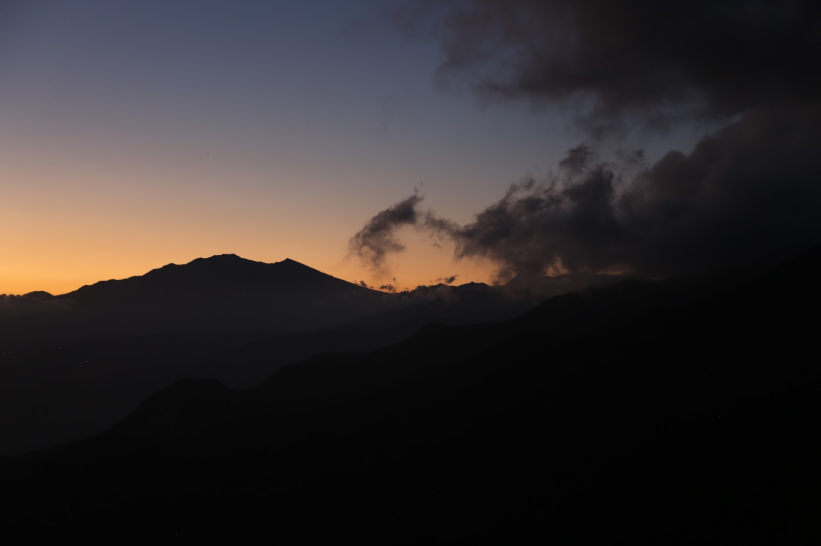
Few places on Earth have reinvented themselves as dramatically as Panama. Today, it’s a gleaming hub of finance, glass towers rising above the Pacific, where international bankers, lawyers, and investors move billions with a few keystrokes. But peel back the modern skyline, and you uncover a past filled with treasure fleets, jungle ambushes, and some of the most infamous pirates in history. Panama’s story is not a straight line, it’s a wild transformation from lawless frontier to global financial powerhouse.
Long before the skyscrapers of Panama City existed, this narrow strip of land was the beating heart of the Spanish Empire’s treasure route. Gold and silver mined in Peru were transported north by ship, unloaded on Panama’s Pacific coast, then hauled across the isthmus by mule and river before being loaded again onto ships bound for Spain. It was one of the richest supply lines in the world, and naturally, one of the most dangerous.
This immense flow of wealth attracted pirates like sharks to blood. Among them was the infamous Henry Morgan, a man whose name would later become synonymous with rum but whose legacy in Panama is far more explosive. In 1671, Morgan led a daring অভিযান across the isthmus, assembling a ragtag army of buccaneers who hacked their way through jungle and ambushed Spanish defenses. The result was the devastating destruction of the original Panama City, now known as Panamá Viejo. The city was looted and burned, its wealth scattered and its power shattered in a single violent episode that still echoes through history.
After the attack, the Spanish rebuilt the city a few kilometers away in a more defensible location, what we now know as Casco Viejo. With thick stone walls, narrow streets, and strategic lookout points, it was designed to resist future invasions. Walking through Casco Viejo today, you can still feel the lingering presence of that era, balconies overlooking the sea, churches that once guarded treasures, and alleyways that could have hidden smugglers, soldiers, or spies.
For centuries, Panama remained a crossroads of empire, a place where goods passed through but power was controlled from afar. Yet its geography continued to define its destiny. The idea of connecting the Atlantic and Pacific Oceans had existed for hundreds of years, but it wasn’t until the early 20th century that it became reality with the construction of the Panama Canal. Completed in 1914 after immense human effort and loss, the canal transformed global trade and firmly placed Panama at the center of world commerce.
The canal did more than move ships, it reshaped the country’s identity. What had once been a pirate’s prize became a strategic and economic asset of global importance. Control of the canal zone, long held by the United States, eventually returned to Panama in 1999, marking a turning point in national sovereignty and pride. From that moment, Panama was no longer just a passageway, it was a player.
As the 20th century progressed, Panama began to evolve again, this time into a financial hub. Its use of the U.S. dollar, stable banking laws, and strategic location made it attractive for international business. Banks from around the world set up operations, and the skyline of Panama City began to rise, steel and glass replacing cannons and fortifications.
Today, Panama is known for its robust banking sector, offshore financial services, and global connectivity. It has become a place where companies are registered, deals are structured, and money flows across borders with remarkable efficiency. Yet this transformation has not been without controversy. The Panama Papers leak exposed the inner workings of offshore finance, revealing how Panama’s legal and financial systems were used by individuals and corporations worldwide. The event thrust the country into the global spotlight, sparking debates about transparency, regulation, and the true nature of modern finance.
What makes Panama fascinating is how these layers of history coexist. In the same day, you can walk through the ruins of Panamá Viejo, where pirates once burned a city to the ground, wander the cobblestone streets of Casco Viejo, where colonial defenses still stand, and then look up at a skyline that rivals cities like Miami or Dubai. Few places offer such a vivid contrast between past and present.
And yet, in many ways, Panama has always been about movement, of goods, of people, of wealth. Pirates sought to intercept it, empires tried to control it, and today, bankers manage it. The tools have changed, swords replaced by contracts, ships replaced by digital transactions, but the underlying story remains the same. Panama is still a gateway, still a place where the world passes through.
In the end, the journey from pirates to bankers is not as strange as it might seem. Both were drawn by the same thing, opportunity. Whether it was gold carried on muleback or capital moving through global markets, Panama has always sat at the center of something bigger than itself. That is what makes it not just a destination, but a story, one that continues to evolve with every passing decade.
Panama’s Secret Jungle: The Wildest Creatures You Never Knew Existed
When most people imagine wildlife in Panama, they picture postcard animals, sloths draped over branches, monkeys swinging overhead, toucans perched like ornaments in the canopy. But that version of Panama barely scratches the surface. Step into the dense, humid forests of places like Soberanía National Park and the natural world quickly becomes stranger, more intricate, and far more surprising than expected. This is a country where evolution has experimented freely, producing animals with bizarre adaptations, secretive behaviors, and appearances that seem almost unreal.
One of the most peculiar mammals you might encounter is the tamandua, a creature that looks like it was designed without a blueprint. With a long tubular snout, no visible teeth, and a tongue that can flick in and out up to 40 times per minute, it is perfectly adapted for feeding on ants and termites. Its powerful forelimbs are equipped with curved claws that can tear into insect nests or defend against predators like ocelots. Despite its somewhat clumsy appearance on the ground, the tamandua is surprisingly agile in trees, using its prehensile tail like an extra hand to grip branches. When threatened, it can rear up on its hind legs and use its claws in a defensive stance, an unusual behavior that makes it look almost like a miniature bear preparing to box.
In the same forests, often hidden on leaves above streams, live the mesmerizing glass frogs. These tiny amphibians are among the most visually astonishing creatures in the tropics. Their translucent skin allows you to see internal organs clearly, including their beating heart, liver, and digestive tract. This transparency is not just a curiosity, it may help camouflage them from predators by breaking up their outline against leaves. Many species exhibit complex parental behavior, with males guarding eggs from predators and dehydration. When the eggs hatch, the tadpoles drop into the water below, beginning a completely different stage of life. It is a delicate, high-risk strategy that has somehow persisted for millions of years.
Higher in the canopy, rarely seen but often heard, lives the kinkajou, a nocturnal acrobat with an almost cartoonish appearance. Its large, forward-facing eyes give it excellent night vision, while its long, prehensile tail acts as a balancing tool as it moves through branches. Unlike monkeys, kinkajous are more closely related to raccoons, yet their behavior is uniquely their own. They feed primarily on fruit, nectar, and honey, using a long tongue to extract sweet liquids from flowers. In doing so, they play an important ecological role as pollinators, something few people realize. Their movements are silent and fluid, and encountering one feels like glimpsing a ghost drifting through the treetops.
Among the most misunderstood creatures in Panama are the vampire bat. Despite their ominous name, these bats are highly specialized and surprisingly sophisticated animals. They feed on the blood of mammals, usually livestock, making small, precise cuts with razor-sharp teeth. Their saliva contains anticoagulants that keep the blood flowing, and they use heat sensors in their noses to locate ideal feeding spots. Socially, vampire bats are remarkably cooperative, often sharing food with individuals that failed to feed, a behavior that suggests complex social bonds. While their feeding habits can sound unsettling, they are an essential part of the ecosystem and rarely interact with humans.
Equally elusive is the olingo, a small arboreal mammal that seems to exist just beyond human awareness. With dense, woolly fur and a long tail, olingos are perfectly adapted to life high in the canopy. They are primarily frugivorous, feeding on fruits, but will also consume insects and nectar. Their movements are slow and deliberate, and they are so well camouflaged that even experienced researchers can struggle to spot them. Entire populations can live above busy trails without ever being noticed, a testament to how much of the rainforest remains hidden in plain sight.
Panama’s forests also host a remarkable array of lesser-known carnivores. The jaguarundi, a sleek, low-slung wild cat, moves more like a weasel than a feline, hunting during the day rather than at night. Ocelots, with their striking spotted coats, are stealthy nocturnal predators that rely on dense vegetation for cover. Even smaller predators, like tayras, members of the weasel family, display incredible intelligence and adaptability, often foraging both on the ground and in trees.
Birdlife introduces another level of surreal beauty and strangeness. The potoo is perhaps one of the most bizarre birds you could encounter. During the day, it perches upright, perfectly mimicking a broken tree branch, complete with subtle color variations that resemble bark. At night, it transforms into a wide-mouthed insect hunter, its enormous eyes reflecting light in an almost eerie glow. Its haunting, mournful call echoes through the forest, often startling those unfamiliar with its source.
Nearby, the dazzling blue cotinga flashes through the canopy like a living jewel. Its bright blue coloration is not due to pigment, but structural coloration, where microscopic feather structures scatter light to produce an intense, almost electric blue. This makes sightings especially striking, as the bird can appear dull in shade and suddenly brilliant in sunlight.
Insects and smaller creatures add yet another layer of complexity. Leafcutter ants form massive colonies that can stretch underground for meters, harvesting leaves not to eat directly, but to cultivate fungus, their primary food source. This agricultural behavior mirrors human farming in surprising ways. Meanwhile, katydids and stick insects have evolved camouflage so precise that they mimic leaves, twigs, or even bird droppings, complete with textures and imperfections that make them nearly impossible to detect.
Amphibians and reptiles in Panama often feel like living relics of an ancient world. Poison dart frogs, though tiny, display bright warning colors that signal their toxicity. These toxins are derived from their diet, meaning captive individuals can lose their toxicity entirely. Basilisks, known as “Jesus lizards,” possess specialized feet that allow them to run across water by slapping the surface rapidly, creating air pockets that support their weight for short distances.
Even the forest floor holds surprises. Armadillos, with their armored shells, dig extensive burrow systems and can disappear underground in seconds. Some species can even jump when startled, a behavior that seems completely at odds with their otherwise slow demeanor. Meanwhile, coatis, relatives of raccoons, move in social groups, using their long snouts to forage for insects and fruit, constantly chattering as they go.
What truly sets Panama apart is how quickly you can access this biodiversity. Just outside Panama City, the forest begins, and with it, an entirely different world. In a single day, you might hear howler monkeys roaring in the distance, spot a sloth inching along a branch, and, if you are paying close attention, notice the subtle movements of creatures that most people walk right past.
The deeper you look, the more the illusion of familiarity disappears. Panama’s wildlife is not just diverse, it is deeply strange, filled with adaptations that challenge expectations and creatures that seem to exist on the edge of imagination. It is a place where transparency, mimicry, nocturnality, and specialization have combined to create a living mosaic of life.
In the end, the real magic of Panama’s जंगल is not just in what you see, but in what you almost see, the flicker of movement, the shape that doesn’t quite match the branch, the sound that comes from nowhere. These forests are alive with hidden stories, and the more time you spend in them, the more you realize that the wildest creatures are often the ones you never knew existed at all.
Crack of the Bat in the Tropics: Why Watching Baseball in Panama Is a Must-Do Experience
Watching a baseball game in Panama is one of the most authentic ways to tap into the country’s cultural heartbeat. It is not just a sport here, it is a living tradition, woven into daily life, neighborhood identity, and national pride. For travelers looking to go beyond beaches and canals, stepping into a Panamanian ballpark offers something far more immersive, a front-row seat to history, passion, and community.
Baseball in Panama dates back to the late 19th and early 20th centuries, introduced largely through American influence during the construction of the Panama Canal construction. Workers, engineers, and military personnel from the United States brought the game with them, and it quickly took root among local communities. Unlike some imported traditions that fade over time, baseball in Panama grew organically, embraced and reshaped by the people into something uniquely their own.
By the mid-20th century, baseball had become the country’s unofficial national sport. Local leagues flourished, especially in provinces like Los Santos, Herrera, and Colón, where fierce rivalries still define the game today. These regional competitions are not just about wins and losses, they are about pride, history, and identity. Entire towns rally behind their teams, and the atmosphere can feel more like a festival than a sporting event.
Panama has also produced an impressive number of players who have gone on to shine on the global stage, particularly in Major League Baseball. Names like Mariano Rivera, widely regarded as one of the greatest closers in baseball history, and Rod Carew have become national heroes. Their success has only deepened the country’s love for the game, inspiring young players across Panama to dream big.
But statistics and history only tell part of the story. The real magic of baseball in Panama comes alive when you attend a game in person. Whether you find yourself in a modest provincial stadium or a larger venue in Panama City, the experience is vibrant, loud, and deeply communal. Fans don’t just watch, they participate. They shout, sing, argue with umpires, and celebrate every hit as if it were a championship moment.
The food alone is worth the visit. Vendors roam the stands selling everything from grilled meats and fried snacks to cold beers and sugary treats. The smells of sizzling food mix with the humid evening air, creating a sensory experience that feels unmistakably tropical. Unlike the polished, commercialized feel of some major league stadiums, games in Panama retain a raw, authentic energy that feels refreshingly real.
One of the most fascinating aspects is how accessible the experience is. Tickets are often inexpensive, and seating is informal, allowing you to move around, chat with locals, and truly soak in the environment. It is not unusual for strangers to strike up conversations, explain the game, or share a drink. In many ways, attending a baseball game here feels less like being a spectator and more like being welcomed into a community gathering.
Timing your visit can make the experience even more special. The national championship tournament, known locally as the Campeonato Nacional, brings out the most intense rivalries and the largest crowds. During these games, the atmosphere reaches another level, drums, horns, and chanting fans transform the stadium into something closer to a carnival than a sporting event.
There is also something uniquely atmospheric about night games in Panama. As the sun sets and the temperature cools slightly, the stadium lights flicker on, illuminating the field against a backdrop of palm trees and tropical sky. The sound of the bat cracking through the warm night air carries differently here, sharper, almost cinematic. It is the kind of moment that sticks with you long after your trip ends.
For travelers, attending a baseball game offers a different lens through which to understand Panama. It reveals the country not as a transit hub or tourist destination, but as a place with deep traditions, strong local pride, and a love for simple, shared experiences. It is where generations come together, where children watch their heroes, and where the rhythm of the game mirrors the rhythm of life itself.
In the end, watching baseball in Panama is not just about sport. It is about connection, history, and atmosphere. It is about feeling the pulse of a country through cheers, laughter, and the timeless crack of the bat. If you are looking to truly experience Panama, skip one evening at the bar and head to the ballpark instead, you might just find it becomes one of the highlights of your entire journey.
From Jungle Crossroads to Urban Nation: The Fascinating Rise of Population in Panama
Panama’s population story is one of quiet but steady transformation, shaped by geography, history, and its unique role as a global crossroads. Today, the country has a population of roughly 4.6 million people, a number that may seem modest, yet represents a dramatic expansion over the past century. What makes Panama especially interesting is not just how much it has grown, but how consistently and strategically that growth has unfolded.
To understand modern population trends, it helps to look back. In 1960, Panama had just over 1.1 million people. By 2024, that number had surged to more than 4.5 million, an increase of over 300 percent in just six decades. This kind of growth is not explosive in the way of some developing nations, but rather steady and sustained, reflecting a country that has gradually improved living conditions, healthcare, and economic opportunity.
One of the most fascinating aspects of Panama’s population growth is how it has slowed over time. In the 1960s, the country experienced growth rates as high as 3 percent annually, a period of rapid expansion fueled by high birth rates and improving public health. Today, that growth rate has settled to around 1.2 percent, placing it close to the global average. This decline reflects a broader demographic transition, as families have fewer children and urban lifestyles become more dominant.
Urbanization is perhaps the most defining feature of Panama’s modern population story. Over 70 percent of the population now lives in cities, with the majority concentrated in and around Panama City. This concentration is not random. Panama City acts as the economic engine of the country, driven by industries linked to global trade, finance, and logistics, particularly through the Panama Canal. As a result, people from rural areas continue to migrate toward urban centers in search of opportunity, creating a strong internal population shift.
Another key factor shaping population growth is migration. Panama has long been a destination for foreigners, from Caribbean laborers during the canal era to modern expatriates, retirees, and professionals. This steady inflow has contributed to population increases while also making the country one of the more culturally diverse in Central America. Unlike some nations where growth is driven almost entirely by birth rates, Panama’s expansion is partly fueled by its openness and economic appeal.
An often-overlooked detail is how young the population still is. With a median age of around 30 years, Panama remains a relatively youthful country. This has important implications. A younger population means a growing workforce, which can drive economic expansion, but it also places pressure on infrastructure, education systems, and job creation. In many ways, Panama is still in a demographic “sweet spot,” where growth can be beneficial if managed properly.
Interestingly, while the total population continues to rise, the pace of increase in actual numbers has begun to stabilize. Annual growth now adds roughly 50,000 to 60,000 people per year, lower than past peaks. This suggests that Panama is gradually moving toward a more mature demographic stage, where population growth becomes slower and more predictable.
Geography also plays a subtle but important role. Much of Panama’s land is mountainous, forested, or protected, limiting where large populations can settle. This naturally concentrates people into specific areas, particularly along the Pacific corridor. The result is a country where vast areas and sparsely populated regions coexist with dense urban hubs, giving Panama a unique population distribution compared to larger nations.
Looking ahead, Panama’s population is expected to continue growing, but at a controlled pace. Improvements in healthcare and life expectancy, now nearing 80 years, mean people are living longer, while declining fertility rates balance overall growth. The challenge for the future will not be rapid expansion, but sustainable development, ensuring that cities can handle growth without losing quality of life.
In the end, the population growth of Panama mirrors the character of the country itself, steady, strategic, and shaped by its role as a bridge between worlds. It is not a story of explosive change, but of gradual evolution, where each decade adds new layers to a nation that continues to grow in both size and significance.
Jungle Botanicals and Urban Spirits: The Rise of Gin in Panama
For a country long defined by rum and sugarcane, Panama is quietly undergoing a botanical awakening. Gin, once considered a foreign spirit tied to British tradition, has begun carving out its own identity here, shaped by rainforest biodiversity, tropical climate, and a new generation of experimental distillers. What makes gin in Panama so fascinating is not just its growth, but how deeply it is beginning to reflect the land itself.
Unlike rum, which is rooted in centuries of history, gin in Panama is a relatively recent phenomenon. Its rise mirrors global craft spirit trends, but with a distinctly local twist. At its core, gin is a neutral spirit infused with botanicals, always anchored by juniper, yet in Panama, distillers are starting to look beyond traditional European ingredients. Instead, they are turning to the surrounding environment, drawing inspiration from native plants, fruits, and spices that thrive in the country’s diverse ecosystems.
In regions stretching from the highlands of Chiriquí to the dense jungles near Darién Gap, Panama hosts an astonishing variety of flora. Many of these plants have never been used in gin before. Distillers experiment with ingredients like wild citrus peels, cacao husks, tropical flowers, and even obscure rainforest herbs, creating gins that taste unlike anything found in Europe. The result is often brighter, more aromatic, and layered with unexpected notes, hints of guava, lemongrass, or earthy spice that evoke the landscape.
Though still emerging, Panama’s craft distilling scene is gaining momentum, particularly around Panama City. Here, small-batch producers are redefining what gin can be in a tropical context. Unlike traditional London Dry styles, which emphasize sharp juniper and dryness, Panamanian gins often lean toward balance and approachability. They are designed not just for classic cocktails, but for warm evenings, open-air bars, and the slower rhythm of tropical life.
One of the more intriguing aspects of gin production in Panama is how climate influences the final product. While gin is not typically aged like rum, the heat and humidity can still affect how botanicals are extracted during distillation. Essential oils from plants behave differently under tropical conditions, sometimes resulting in more intense aromas and a softer, rounder mouthfeel. Some experimental producers have even begun aging gin briefly in oak barrels, a technique that blurs the line between gin and rum, adding subtle vanilla and spice notes.
Historically, gin’s presence in Panama can be traced back to international influence, particularly through shipping routes and the construction of the Panama Canal. Sailors, engineers, and travelers brought their drinking preferences with them, including gin-based cocktails like the gin and tonic. In the tropical heat, tonic water’s quinine once served a practical purpose, helping to prevent malaria, making the drink both refreshing and functional in earlier times.
Today, that same gin and tonic has been reinvented across Panama. In the rooftop bars and hidden courtyards of Casco Viejo, bartenders are elevating it into an art form. Instead of a simple lime wedge, you might find it garnished with dehydrated pineapple, fresh herbs, or exotic spices. The presentation is as important as the flavor, turning a once-simple drink into a sensory experience that reflects Panama’s creativity and access to fresh ingredients.
Another fascinating element is how gin is bridging cultures within Panama. Unlike rum, which is deeply tied to local tradition, gin feels more global, attracting both locals and expatriates. This has created a unique social dynamic where old-world techniques meet new-world experimentation. It is not uncommon to find a bar serving both a classic British-style gin and a locally inspired version infused with tropical botanicals, offering a side-by-side comparison of tradition and innovation.
Despite its growth, gin in Panama remains somewhat under the radar. There are no massive, globally recognized brands dominating the scene, which gives it a sense of discovery. For travelers and enthusiasts, this means every bottle or cocktail can feel like a hidden gem, something you are unlikely to encounter anywhere else.
What truly sets Panamanian gin apart is its sense of place. While many countries can produce technically excellent gin, few can infuse it with such a vivid connection to their environment. Each sip has the potential to carry echoes of rainforest humidity, coastal breezes, and mountain air, a distilled expression of a country better known for its canal and its rum.
In the end, gin in Panama is still writing its story. It is experimental, evolving, and full of possibility. And that is precisely what makes it so compelling. It invites curiosity, encourages exploration, and offers a new way to experience a country that continues to surprise those willing to look a little deeper.
The Quiet Spirit of the Isthmus: Uncovering the Depths of Rum in Panama
Panama rarely announces itself loudly in the global rum conversation, yet that silence is part of its mystique. Tucked between two oceans and stitched together by trade routes for centuries, the country has developed a rum culture that feels both deeply traditional and quietly sophisticated. While travelers may arrive thinking of the Panama Canal or rainforest adventures, many leave with a newfound respect for a spirit that has been aging patiently in the tropical heat, developing character far beyond its years.
Panamanian rum owes much of its identity to Spanish colonial influence, which shaped not only the language and architecture, but also the way rum is distilled and aged. Unlike heavier Caribbean styles, Panama favors column still distillation, producing a lighter, cleaner base spirit. This method allows for a remarkable level of control, giving master blenders the ability to craft rums that are subtle rather than overpowering. The result is a style that whispers instead of shouts, layered with notes of toasted oak, honey, orange peel, and sometimes even a faint nuttiness that surprises seasoned drinkers.
One of the lesser-known secrets of Panamanian rum lies in the country’s microclimates. While most people imagine tropical uniformity, regions like Herrera and Los Santos experience long dry seasons, quite different from the humid Caribbean islands. This dryness affects how barrels breathe. In these areas, evaporation, known romantically as the “angel’s share,” behaves differently, often concentrating flavors in a way that produces unusually smooth, rounded rums. Some distillers even claim that Panama’s Pacific breezes subtly influence aging warehouses, though this remains more folklore than science, adding to the spirit’s intrigue.
At the center of Panama’s rum legacy stands Varela Hermanos, a family-run operation that has been producing rum since the early 20th century. Their flagship brand, Ron Abuelo, is not just a household name but a symbol of national craftsmanship. What fascinates many enthusiasts is that the company still controls every step of production, from cultivating sugarcane to distillation and aging. This vertical integration is rare in the rum world and allows for a level of consistency that has helped Panama quietly compete with global heavyweights.
Dig a little deeper and you will uncover an even more obscure detail, Panama has long been a hub for contract distillation. Some rums labeled under foreign or independent brands have actually been distilled and aged in Panama before being shipped abroad for bottling. This behind-the-scenes role means that even experienced rum drinkers may have unknowingly tasted Panamanian rum without realizing it. It is one of the industry’s best-kept secrets, adding a layer of mystery to the country’s influence.
Historically, rum in Panama was not always a polished sipping spirit. In earlier decades, it was a rougher drink, consumed by laborers and sailors moving through the isthmus. During the construction of the Panama Canal construction, rum became a common fixture among workers from across the Caribbean, blending drinking traditions and tastes. Over time, as techniques improved and aging became more refined, Panama transformed its rum from a utilitarian beverage into something worthy of slow appreciation.
Modern Panama, especially in Panama City, has embraced this evolution. In the cobblestone streets of Casco Viejo, rum is being rediscovered by a new generation of bartenders and enthusiasts. Here, mixologists experiment with cacao, tropical fruits, and native herbs, elevating rum into cocktails that rival those of any major global city. At the same time, there is a growing culture of sipping rum neat, appreciating the craftsmanship much like a fine whiskey or cognac.
Another fascinating detail is how Panamanian rum labels can sometimes be misleading to newcomers. Age statements may not always mean what they appear to mean, especially when the solera system is involved. In this method, younger rums are blended with older ones over time, creating a final product that contains a spectrum of ages. While controversial among purists, this technique can produce incredibly complex and balanced spirits, and Panama has quietly mastered the art.
Sugarcane itself carries its own story. In Panama, it has historically been more than just an agricultural product, it has been tied to land ownership, labor, and regional identity. In certain rural communities, small-scale sugarcane pressing and fermentation still occur in traditional ways, producing rustic cane spirits that rarely leave the local area. These raw, unpolished drinks offer a glimpse into what rum may have tasted like centuries ago, before refinement and export markets shaped its modern form.
What ultimately sets Panamanian rum apart is its sense of restraint. It does not rely on flashy marketing or bold, overpowering flavors. Instead, it rewards patience. The longer you sit with a glass, the more it reveals, subtle spice, dried fig, burnt sugar, even hints of tobacco or leather in older expressions. It is a spirit that invites contemplation, shaped by a country that has always been a crossroads, yet retains a strong, quiet identity of its own.
In the end, rum in Panama is not just a drink, it is a slow story told through wood, heat, and time. It reflects the rhythm of the isthmus itself, unhurried, complex, and full of hidden layers waiting to be discovered.
The Panama Metro: The Clean, Modern Backbone of Panama City
The Panama Metro is one of the most modern and impressive public transportation systems in all of Central America, and it plays a central role in daily life in Panama, especially in the capital city of Panama City. For many first-time visitors, it often comes as a surprise how polished and efficient the system feels, especially compared to what people might expect in the region. It is clean, fully air-conditioned, clearly organized, and designed to handle the daily flow of commuters moving between residential suburbs and the dense urban core of the city. In many ways, it feels more like a metro system from a major global capital than a smaller Central American country, and it continues to expand steadily as the city grows outward in every direction.
At present, the Metro consists of multiple operational lines that connect key districts, business zones, residential neighborhoods, and major transport hubs. One of its most important features is its connection to the Albrook Terminal, which is the central bus hub for long-distance travel across the country. This makes it extremely convenient for both locals and travelers who are moving between different regions of Panama. Stations are modern and structured, with escalators, elevators, security checkpoints, and clear bilingual signage in both Spanish and English in many locations. Platforms are elevated or underground depending on the line, and everything is designed with efficiency and passenger flow in mind, which helps reduce confusion even for first-time users.
To use the Metro, passengers traditionally needed a rechargeable transport card known as the Metro Card, which can be purchased at station kiosks or vending machines. The card itself is inexpensive, usually only a few dollars, and once purchased it can be topped up with credit as needed. You simply tap the card at the entrance gates and again when exiting, making the system straightforward and easy to understand. However, one of the most significant recent improvements is that many stations now also accept contactless Visa and Mastercard payments directly at the turnstiles, allowing passengers to tap their debit or credit card, or even a mobile wallet, without needing a physical card at all. This has made the system significantly more convenient for tourists or short-term visitors who do not want to deal with setup or top-ups.
The cost of riding the Metro is extremely low, making it one of the most affordable urban transport systems in the region. Most journeys cost only a few cents to around a dollar depending on distance and route, which is why it is heavily used by daily commuters. Because of this affordability, the Metro is not just a tourist convenience but a core part of everyday life in Panama City. It is common to see office workers, students, service employees, and families all sharing the same system during peak hours, creating a very mixed and authentic cross-section of city life.
Crowding on the Metro depends heavily on timing and direction of travel. During weekday rush hours, typically between 6:00–9:00 AM and 4:30–7:00 PM, trains can become very crowded, especially on main commuter routes that connect suburban areas to downtown business districts. At these times, passengers may experience standing-room-only conditions, particularly near central stations. However, even during busy periods, trains remain orderly and efficient, and the flow of service is consistent. Outside of rush hour, the system becomes significantly more comfortable, with plenty of seating and space, making midday and late evening travel very easy and relaxed.
Safety is one of the strongest features of the Panama Metro. The system is widely considered very safe, with visible security presence, surveillance cameras, and well-maintained stations. Trains are modern, air-conditioned, and consistently clean, with rules enforced regarding behavior, food, and general conduct. This creates a calm and controlled environment compared to many urban transit systems in larger global cities. For travelers, this level of safety and order is often one of the most reassuring aspects of moving around Panama, especially in a capital city.
Another key feature of the Metro is its ongoing expansion. New lines and extensions have been built in recent years, and further development is planned as Panama City continues to grow outward into its surrounding suburbs. This expansion reflects the rapid urbanization of the capital and its increasing importance as a financial and logistical hub for the region. As new residential areas develop, the Metro is gradually extending its reach, making it even more central to how the city functions on a daily basis.
For travelers, the Metro is one of the easiest and most efficient ways to move around Panama City without relying on taxis or rideshare services. It connects directly to key points in the city, including shopping districts, transport hubs, and residential neighborhoods, and it offers a fast, predictable alternative to road traffic, which can become congested during peak hours. Its air-conditioned environment is also a major advantage in the tropical climate of Panama, making it far more comfortable than walking or waiting in the heat.
In the end, the Panama Metro is much more than just a transport system, it is a symbol of modern urban development in Panama. It reflects a city that is rapidly growing, modernizing, and integrating efficient infrastructure into everyday life. It is affordable, expanding, clean, safe, and surprisingly easy to navigate, making it one of the standout public transport systems in the entire region and an essential part of life in Panama City.
From Panama City to Boquete by Bus: Full Journey, Costs, Stops, and What It’s Really Like
Traveling by bus from Panama City to Boquete is one of the most popular budget routes in Panama, and while it is not complicated, it is a long journey that gives you a real sense of how dramatically the country changes from coast to mountains. The total trip usually takes around 7 to 9 hours, but on slower travel days with waiting time or traffic, it can stretch slightly longer. It is always done in two main parts: a long intercity bus to the city of David, and then a short local connection up into the highlands of Boquete.
The first leg is the main journey, the bus from Panama City to David. This is a long-distance coach service that departs from the Albrook Bus Terminal, which is the central hub for national travel. The ride typically takes 6.5 to 8 hours and costs about $15 to $25 USD, depending on the bus type and schedule. These buses are usually large, air-conditioned coaches with assigned seating, and they follow the main highway west across the country. The route takes you out of the dense urban skyline of Panama City, through agricultural regions, past tropical lowlands, and into gradually more rural and mountainous terrain as you approach western Panama.
One important and often appreciated detail of this journey is that the Panama City to David bus stops for a proper lunch break along the way. This is usually at a roadside restaurant or designated rest area where passengers get off the bus for around 30 to 45 minutes. It is a chance to stretch your legs, use proper bathroom facilities, and eat a hot meal before continuing the long drive. These stops are very typical in long-distance travel across Panama and help break up what would otherwise feel like a very long continuous ride. You will often find simple Panamanian meals available, such as rice, chicken, plantains, and fresh juice or soda, making it a functional and sometimes surprisingly enjoyable part of the trip.
As the bus continues west, the landscape becomes greener and more open, with farmland, hills, and smaller towns replacing the urban sprawl. The highway itself is generally smooth and modern in most sections, but the journey feels long mainly because of distance rather than difficulty. By the time you reach David, you are in the largest city in western Panama and the main transport hub for the Chiriquí province.
Once in David, the second leg of the journey begins. This part is much shorter and more relaxed. You transfer to a local bus or shared shuttle heading to Boquete, which takes around 45 minutes to 1 hour and costs about $2 to $3 USD. These buses run frequently throughout the day, often every 20 to 30 minutes, so there is usually no long waiting time. The final stretch of the journey is also one of the most scenic, as the road begins to climb steadily into the highlands, with cooler air, green mountains, coffee plantations, and misty cloud forest landscapes appearing as you get closer to Boquete.
In total, the full journey usually costs around $17 to $28 USD, making it one of the most affordable ways to travel across Panama. While it is not the fastest option compared to private shuttles or flights, it is one of the most authentic ways to experience the country’s geographic diversity in a single trip. You start in the modern capital of Panama City, pass through tropical lowlands and farmland, stop for a roadside lunch with locals and travelers, and end in the cool mountain air of Boquete, which feels like an entirely different world compared to where you began.
How Much Is Beer in Panama? A Real Price Breakdown (Supermarkets, Bars, Hostels, Hotels, Parties)
If you’re heading to Panama, beer is one of the easiest and cheapest pleasures you’ll find, but the price changes a lot depending on where you drink it. The short answer is: beer is generally affordable across the country, especially compared to North America or Europe, but location and setting can easily double or triple the price.
Let’s break it down properly so you know what to expect.
Supermarket Prices (Cheapest Option)
In supermarkets in Panama City and other towns, beer is at its lowest price.
A standard local beer like Balboa or Atlas typically costs:
Around $0.80 to $1.25 USD per can or bottle
Larger bottles (common 1L style) can range from $1.50 to $2.50 USD
Imported beers are more expensive:
Usually $2 to $4 USD per bottle or can
Premium imports can go higher
Supermarkets are where locals buy beer for home drinking, parties, or beach trips, and it’s very common to see people picking up entire cases at once because the price is so low compared to bars.
Hostels and Budget Accommodation
In backpacker-style accommodation, beer prices are still reasonable but slightly marked up for convenience.
In hostels across Bocas del Toro or mountain towns like Boquete, you’ll usually see:
$1.50 to $3 USD per beer
Hostels often sell beer from a fridge, sometimes self-serve style, which makes it easy to socialize without leaving the property. The price is still close to supermarket levels, just with a small convenience markup.
Some social hostels also run happy hours, especially in tourist-heavy areas, where prices drop closer to supermarket cost or include deals like “3 for $5–$6”.
Hotels and Mid-Range Restaurants
Hotels and sit-down restaurants are where prices start to climb.
In mid-range hotels and tourist restaurants:
Local beers usually cost $2.50 to $5 USD
Imported beers can range from $4 to $7 USD
In upscale hotel bars in Panama City, especially rooftop lounges or financial district venues, prices can go higher:
Sometimes $6 to $9 USD per beer
At this level, you are paying for atmosphere, service, and location rather than the beer itself.
Bars, Nightlife, and Party Areas
Nightlife pricing depends heavily on where you are.
In casual local bars:
Beer is usually $1.50 to $3 USD
Sometimes cheaper during early evening or promotions
In tourist nightlife areas like beach towns or party zones in Bocas del Toro:
Expect $2.50 to $5 USD per beer
Cocktails are more common, but beer remains the cheapest option
In clubs or high-end nightlife venues:
Beer can range from $4 to $8 USD
During parties, especially organized events or beach parties, pricing often sits in the middle, with beers around $3 to $5 USD, sometimes with entry fees that include a drink or two.
Beach Bars and Remote Areas
On beaches and island destinations, prices depend on logistics. Everything has to be transported by boat, which adds cost.
In places like San Blas or remote Caribbean islands:
Beer often costs $2.50 to $5 USD
Sometimes higher on isolated islands due to supply difficulty
Even though it’s more expensive than supermarkets, it is still relatively affordable compared to similar remote island destinations globally.
The Real Cost Reality
The interesting thing about beer in Panama is that the price difference is not about the beer itself, but about access and convenience.
Supermarket = cheapest, local life pricing
Hostels = social, slightly marked up
Bars and restaurants = experience pricing
Hotels and nightlife = premium location pricing
Remote islands = logistics pricing
Locals often drink beer at home or buy it in supermarkets because it is extremely affordable there, while travelers tend to pay more in social settings.
Drinkclusions
Beer in Panama is generally cheap, widely available, and culturally embedded in social life. Whether you are buying a cold Balboa from a supermarket in Panama City or drinking a sunset beer in Bocas del Toro, you will rarely feel like beer is expensive in absolute terms.
The biggest difference is not cost, but context:
a $1 beer at a shop becomes a $4–$7 experience once you add views, music, or a beach setting.
In Panama, you are never far from a cold beer, and you are almost never paying “tourist extreme” prices unless you choose the most premium setting.
How to Make the Best Patacones in Panama: Crispy, Golden, and Perfect Every Time
If you’re spending time in Panama, learning how to make patacones is one of the most rewarding culinary experiences you can have. These crispy fried plantains are simple on the surface, but getting them to taste like true homemade Panamanian patacones comes down to technique, timing, and a few small details that make all the difference.
The first and most important step is choosing the right plantains. You want green plantains, not yellow or ripe ones. Green plantains are firm, starchy, and neutral in flavor, which is exactly what you need for that classic savory crunch. Ripe plantains will turn soft and sweet when fried, delicious in their own way, but not what you’re aiming for here.
Start by peeling the plantains. This can be a little tricky compared to bananas because the skin is thicker and tougher. The easiest method is to cut off both ends, then make a shallow slit down the length of the peel and pry it off with your fingers or a knife. Once peeled, slice the plantains into thick rounds, about an inch or slightly less.
Now comes the first fry. Heat a generous amount of oil in a pan, enough to cover the pieces halfway, over medium heat. You don’t want the oil too hot at this stage. Add the plantain slices and fry them gently for a few minutes until they turn light golden and slightly softened. They shouldn’t be crispy yet, this step is just to cook them through and prepare them for the signature smash.
Remove the slices and let them cool just enough to handle. Then flatten each piece. In Panama, people often use a traditional wooden press called a tostonera, but you can easily use the bottom of a glass, a plate, or even your hand. Press them into flat discs, not too thin, you want them to hold structure while still maximizing surface area for crispiness.
Here’s where the transformation happens. Increase the heat of the oil slightly for the second fry. Return the flattened plantains to the pan and fry them again until they turn deep golden brown and crispy on the outside. This second fry is what gives patacones their addictive crunch, so don’t rush it.
As soon as they come out of the oil, season them immediately with salt. This is crucial. The salt sticks best while they’re still hot, and it enhances that perfect balance of flavor. Some locals also rub a little garlic onto the surface or serve them with a garlic sauce for an extra kick.
If you want to take things a step further and get that authentic homemade Panamanian taste, there are a few insider touches. Some people lightly soak the flattened plantains in salted water or garlic water before the second fry, which adds subtle flavor and helps achieve an even crispier texture. Others use a mix of oils or reuse oil that has been seasoned from previous frying, something that naturally builds flavor over time in home kitchens.
Patacones are best served fresh, straight from the pan. In Panama City, they’re often paired with fried fish, grilled meats, or even eaten on their own as a snack. If you’re near the coast, say around areas like Cinta Costera, you’ll see them served with a squeeze of lime and maybe a side of ceviche, simple, bold, and incredibly satisfying.
Making patacones yourself during your trip adds a whole new layer to the experience. It’s not just about the food, it’s about connecting with a daily tradition. Once you hear that familiar sizzle and see those golden edges crisp up, you’ll understand why patacones are such a staple in Panama. And once you taste them fresh and homemade, it’s very hard to go back.
Panama and the Secret Obsession with Golden Patacones
In Panama, there’s a quiet, almost universal agreement about one thing, few foods are as satisfying as a perfectly fried patacón. Crispy, golden, slightly salty, and endlessly versatile, patacones are more than just a side dish. They are a daily craving, a comfort food, and for many, a subtle national obsession that shows up everywhere from humble street stalls to seaside restaurants.
Patacones begin with the humble plantain, a fruit that looks like a banana but behaves very differently. While bananas are soft, sweet, and typically eaten raw, plantains are starchier, firmer, and almost always cooked. When green, plantains are savory and dense, making them perfect for frying. As they ripen, they turn sweeter and softer, shifting into an entirely different culinary role. This dual personality is what makes plantains one of the most important ingredients in Panamanian cuisine.
The magic of patacones lies in their simplicity. Thick slices of green plantain are fried once, smashed flat, and then fried again until crisp. The result is a texture that’s hard to beat, crunchy on the outside, tender in the center, and sturdy enough to hold toppings or soak up sauces without falling apart. A sprinkle of salt is often all they need, though many people add garlic, lime, or even a hint of spice.
Across Panama City, you’ll find patacones used in creative and indulgent ways. They’re served as a base for shredded meat, cheese, or ceviche, turning them into something closer to an edible plate. In coastal areas, especially along routes leading to places like Cinta Costera, patacones are often paired with fried fish or shrimp, creating a perfect combination of crunch and freshness. Some vendors even stack them into “patacón sandwiches,” replacing bread entirely with crispy plantain discs.
But patacones are just one chapter in Panama’s plantain story. When plantains ripen and turn yellow or black-speckled, they become plátanos maduros, sliced and fried into soft, caramelized pieces that are sweet and rich. These are often served alongside rice and meat, offering a contrast that balances savory dishes beautifully. There are also tajadas, thinner slices of plantain fried until lightly crisp, and bolitas de plátano, mashed plantain balls sometimes stuffed with meat or cheese and then fried again for good measure.
In Afro-Caribbean regions of Panama, plantains take on even more variety and depth. They might be mashed, baked, or incorporated into stews, reflecting a broader cultural influence that stretches across the Caribbean. This diversity shows just how adaptable the plantain is, it can be crunchy or soft, savory or sweet, simple or elaborate.
The difference between plantains and bananas goes beyond taste. Plantains are typically larger, have thicker skins, and contain more starch and less sugar when unripe. Bananas are ready to eat as they are, while plantains demand cooking, rewarding patience with flavor and texture that change dramatically depending on ripeness. In a way, plantains are less convenient but far more versatile, which is exactly why they hold such an important place in Panamanian kitchens.
What makes the obsession with patacones so enduring is how they fit into everyday life. They’re quick to prepare, relatively inexpensive, and deeply satisfying. Whether eaten on a beach, at a roadside stand, or at home with family, they bring a sense of familiarity and comfort that few foods can match.
In Panama, patacones aren’t just fried plantains, they’re a symbol of how something simple, when done right, can become unforgettable. Crispy, golden, and impossible to resist, they are the kind of food that keeps people coming back for just one more bite, every single time.
Frituras of Panama: A Deep Dive into the Country’s Crispy Obsession
If you want to understand everyday life in Panama, you don’t start in a fine dining restaurant, you start at a roadside stand, a corner fonda, or a busy market where oil is bubbling and the air smells like corn, plantains, and spice. Fried food, known locally as frituras, is not just a category of cuisine, it’s a way of life, woven into breakfast, lunch, late-night cravings, and everything in between.
At the heart of Panama’s fritura culture is the plantain. Few ingredients are as versatile or as beloved. Thick slices of green plantain are smashed and fried into crispy golden discs known as patacones, crunchy on the outside and soft inside, often served alongside meats or stacked into sandwiches. When plantains ripen and turn sweet, they transform into caramelized fried delights, soft, golden, and almost dessert-like. You’ll find both versions everywhere, from city streets in Panama City to small inland towns where cooking traditions haven’t changed in generations.
Corn is another cornerstone. One of the most iconic frituras is the hojaldre, a deep-fried dough that puffs up into a light, airy bread with a slightly crispy exterior. It’s a breakfast staple, often paired with eggs, cheese, or sausage, and sometimes drizzled with syrup for a sweet twist. Then there are carimañolas, torpedo-shaped fritters made from yuca dough and stuffed with seasoned ground beef or cheese. Crispy on the outside and savory inside, they are a perfect example of Panama’s love for contrast in texture and flavor.
Seafood frituras are especially popular along the coasts. In places like Cinta Costera, vendors serve fried fish, shrimp, and even whole snapper, often accompanied by patacones and a squeeze of lime. The simplicity is part of the charm, fresh ingredients, hot oil, and bold flavor. These dishes reflect Panama’s deep connection to both the Pacific Ocean and the Caribbean Sea.
Meat also plays a starring role. Fried chicken is everywhere, from international chains to small local operations, each with its own seasoning style. Pork is another favorite, especially in the form of chicharrón, crispy chunks of fried pork with a satisfying crunch that gives way to juicy meat inside. It’s rich, indulgent, and often shared among friends, though it’s easy to overdo it if you’re not careful.
Street food culture keeps frituras accessible and ever-present. Walk through a busy neighborhood in the evening, and you’ll find vendors frying up fresh batches of snacks for people heading home from work. The process is part of the experience, watching dough being shaped, hearing the sizzle as it hits the oil, and getting your food served piping hot in a paper wrapper. It’s fast, affordable, and deeply satisfying.
Despite the heavy nature of fried food, there’s a balance in how it’s consumed. Many Panamanians don’t eat frituras constantly, but when they do, they embrace them fully. It’s comfort food, celebration food, and sometimes just the easiest option in a busy day. Over time, newer influences have also begun to appear, with some places experimenting with lighter oils or fusion-style fried dishes, blending traditional techniques with modern tastes.
What makes frituras in Panama truly special isn’t just the food itself, it’s the atmosphere around it. It’s the casual conversations while waiting for your order, the late-night cravings after a long day, and the shared understanding that some of the best meals aren’t plated perfectly, they’re fried fresh and eaten standing up.
In Panama, frituras are more than just indulgence, they’re a cultural heartbeat, crispy, golden, and impossible to ignore.
Gym Life in Panama: Sweat, Social Energy, and Tropical Discipline
Step into a gym anywhere in Panama and you’ll quickly realize it’s more than just a place to lift weights, it’s a cultural snapshot. From gritty neighborhood weight rooms with rusted plates to sleek, air-conditioned fitness centers in Panama City, gym life here reflects the country’s blend of tradition, ambition, and laid-back tropical rhythm.
In Panama, fitness is deeply social. Unlike the silent, headphone-dominated gyms you might find elsewhere, many Panamanian gyms are alive with conversation. Friends train together, strangers spot each other without hesitation, and it’s common to see groups rotating through exercises as if they’ve known each other for years. The gym becomes a meeting place, somewhere between a community center and a proving ground. Music plays a big role too, reggaeton, Latin pop, and sometimes even old-school salsa echo through the space, keeping energy high and workouts intense.
There’s also a strong emphasis on aesthetics. In a country where beach culture thrives and destinations like Bocas del Toro and San Blas Islands are never too far away, looking fit isn’t just about health, it’s part of lifestyle. Lean physiques, defined arms, and strong legs are common goals, especially among younger gym-goers. You’ll notice a lot of focus on classic bodybuilding routines, chest and arms days are practically sacred, while leg day, as everywhere, is sometimes “negotiable.”
Despite this focus, gym life in Panama is not overly rigid. People come and go throughout the day, often fitting workouts around work schedules that can vary widely. It’s not unusual for someone to show up late at night or squeeze in a session during a long midday break. This flexibility reflects the broader rhythm of life in Panama, where structure exists, but adaptability is key.
One interesting aspect is the mix of environments. In smaller towns and rural areas, gyms can feel raw and authentic. You might find open-air setups with basic equipment, fans instead of air conditioning, and a strong sense of grit. In contrast, urban gyms, especially in Panama City, offer modern machines, personal trainers, group classes, and even luxury amenities. This contrast highlights the country’s economic diversity while showing that the drive to stay fit cuts across all backgrounds.
Another defining feature is the climate. Training in Panama means dealing with heat and humidity, especially outside or in non-air-conditioned spaces. Sweating is inevitable, and hydration becomes part of the discipline. But over time, many locals embrace it. There’s a certain pride in pushing through a tough workout in tropical conditions, it adds an extra layer of toughness to the routine.
Nutrition around gym culture is evolving as well. While traditional Panamanian food, rich in rice, beans, and fried elements, still dominates daily life, there’s a growing awareness of fitness nutrition. Protein shakes, meal prep, and healthier options are becoming more common, particularly among serious gym-goers. Still, balance is key, it’s not unusual for someone to train hard and then enjoy a hearty local meal without overthinking it.
Ultimately, gym life in Panama is about more than physical transformation. It’s about community, resilience, and adapting fitness to a uniquely tropical lifestyle. Whether you’re lifting in a polished high-rise gym or grinding through reps in a humble neighborhood setup, the spirit remains the same, show up, work hard, and enjoy the process alongside the people around you.
Driving in Panama: Road Conditions and Ease of Travel
Panama is, overall, a surprisingly easy country to drive in, especially once you leave the congestion of the capital behind. One of the biggest advantages is that a large portion of the country’s main road network is paved and in good condition. The backbone of this system is the Inter-American Highway, which runs from Panama City all the way to the Costa Rica border. This highway connects most major cities and regions, making long distance driving straightforward and relatively comfortable.
Outside of Panama City, driving becomes much easier and more relaxed. Traffic drops significantly, the pace slows down, and navigation is simpler. In provinces like Chiriquí, Veraguas, and Coclé, you will find that most main roads between towns are paved and maintained well enough for regular vehicles. Routes to places like Boquete, David, Santiago, and even many beach areas are accessible without needing a 4x4 vehicle. Signage can be basic at times, but the overall road network is logical, and locals are usually helpful if you need directions.
That said, not every road in Panama is paved. Once you move off the main highways and secondary roads into more rural or remote areas, conditions can change quickly. Dirt and gravel roads are common in the countryside, particularly in mountainous regions, farming areas, and along less developed routes. These roads can be rough, with potholes, mud during the rainy season, and occasional river crossings. While they are often passable, they may require slower driving and, in some cases, a higher clearance vehicle.
Driving conditions also vary depending on the weather. During the rainy season, which typically runs from May through November, even paved roads can develop potholes, and unpaved roads can become muddy or slippery. Visibility may also be reduced during heavy rain, especially in mountainous areas where fog is common. However, with cautious driving, these conditions are manageable and do not usually prevent travel.
One of the more notable aspects of driving in Panama is the style of local drivers. Outside the capital, it is generally calm, but you may still encounter sudden stops, informal passing, or drivers not strictly following lane discipline. Speed bumps, known as “policías muertos,” are very common, especially when entering towns, and are sometimes not well marked, so staying alert is important. Fuel stations are widely available along major routes, making long trips easier to plan.
In terms of accessibility, Panama is a great country for road trips. You can drive from the Pacific coast to the highlands in just a few hours, or cross large portions of the country in a single day thanks to its relatively compact size. Scenic drives are a major highlight, particularly in areas like Chiriquí, where roads wind through mountains, and coffee regions, offering constantly changing landscapes.
Overall, most of Panama’s key roads are paved, and driving outside of Panama City is generally straightforward and enjoyable. As long as you are prepared for occasional rougher sections in rural areas and remain attentive to local driving habits, it is an easy country to explore by car. For many travelers, renting a vehicle opens up a much deeper and more flexible way to experience everything Panama has to offer.
Navigating the David Bus Terminal, Panama’s Gateway to the West
The David Bus Terminal, known locally as Terminal de Transporte de David, is one of the most important transportation hubs in western Panama. Located in the capital of Chiriquí Province, the terminal serves as a vital link between Panama City, the highlands of Boquete and Volcán, the Pacific coast, and even international routes into Costa Rica. For travelers moving through the country, understanding how to navigate this terminal can make the difference between a stressful transfer and a smooth, efficient journey.
Arriving at the terminal, the first thing you notice is its scale and energy. It is a busy, functional space that operates more like a living network than a static station. Buses are constantly arriving and departing, vendors move through the walkways selling snacks and drinks, and passengers line up at ticket windows or cluster near departure gates. Despite the movement, the layout is relatively straightforward. The terminal is organized with clearly marked bays for buses, ticket counters for different companies, and central walkways that allow you to move easily between sections. Most routes are operated by different companies, so knowing your destination ahead of time helps you find the right counter quickly.
Navigating the terminal begins with identifying your route. If you are traveling long distance, such as to Panama City, you will typically look for major bus companies like Tracopa or Expreso Panamá. These buses are larger, more comfortable, and often depart on a scheduled basis throughout the day. The journey to Panama City is one of the most common routes, taking roughly six to seven hours along the Inter-American Highway. Tickets can usually be purchased at the counter on the same day, although during busy travel periods it is wise to arrive early.
For shorter, regional routes, the process is even more flexible. Frequent buses and minibuses connect David to nearby destinations like Boquete, a popular mountain town known for coffee and hiking, and Volcán, a quieter highland area near Volcán Barú. These buses depart regularly, often every 30 to 60 minutes, and tickets are inexpensive. Instead of strict schedules, many of these routes operate on a “leave when full” system, which adds to the dynamic nature of the terminal. You simply find the correct bay, confirm the destination with the driver or attendant, and board when ready.
The terminal also serves as a key point for reaching Panama’s Pacific coast. Routes head toward places like Puerto Armuelles, a coastal town near the Costa Rica border, and other smaller beach communities along the Gulf of Chiriquí. These routes are especially popular with locals and offer a glimpse into everyday life in the region. While less structured than long distance buses, they are reliable and run multiple times per day.
One of the most important international connections from David is the route into Costa Rica. Buses regularly travel to border towns such as Paso Canoas, where travelers can complete immigration procedures before continuing onward to destinations like Golfito or San José. This makes the David Bus Terminal a strategic crossing point for overland travelers moving between Central American countries. The process is relatively straightforward, but it requires awareness of schedules, border hours, and documentation.
Inside the terminal, you will also find essential services that make waiting more comfortable. Small restaurants and food stalls offer everything from traditional Panamanian meals to quick snacks, while convenience stores sell drinks, toiletries, and travel essentials. Seating areas are scattered throughout, though they can fill up during peak hours. Restrooms are available, usually for a small fee, and there are often taxis waiting just outside the terminal for onward travel within the city of David.
Timing is an important part of navigating the terminal efficiently. Early mornings and late afternoons tend to be the busiest periods, especially for commuters and long distance travelers. Midday can be quieter, making it easier to move around and secure tickets. Unlike airports, the system here is less rigid, so flexibility and a bit of patience go a long way. Asking staff or even fellow passengers for guidance is common and often helpful, as people are generally familiar with the flow of routes and departures.
For those arriving in David, the terminal serves as a gateway to the rest of the province. Whether heading into the cool highlands, down to the coast, or onward across borders, nearly every route begins or passes through this central hub. Its importance lies not just in the number of destinations it serves, but in how it connects different regions and styles of travel, from modern long distance coaches to local buses that wind through rural communities.
In the end, the David Bus Terminal is more than just a place to catch a ride. It is a crossroads of movement, culture, and everyday life in western Panama. Once you understand its layout and rhythm, navigating it becomes intuitive. With a bit of preparation and awareness, it opens the door to nearly every corner of the region, making it an essential stop for anyone exploring Panama beyond the capital.
Private Room Prices in Cheap Hostels in Panama, The Full Budget Travel Breakdown
Private rooms in cheap hostels across Panama offer some of the best value accommodation in Central America, especially for travelers who want privacy without paying hotel prices. The country has a wide range of hostel styles, from basic backpacker dorm houses to modern boutique social hostels, and private room pricing varies depending on location, season, and overall demand. In general, private hostel rooms in Panama are far more affordable than in North America or Europe, but they are also highly seasonal and can fluctuate significantly between the dry and rainy seasons. Across the country, most travelers can expect to pay anywhere from around $25 per night at the absolute budget end to $120 or more in peak season or premium tourist areas.
In major urban areas like Panama City, prices are usually the most stable and predictable. Budget hostels in the city often offer private rooms ranging from about $25 to $45 per night, especially in areas outside the most tourist heavy zones. In more central or popular districts, particularly around historic neighborhoods like Casco Viejo, prices rise due to demand, location, and upgraded facilities. In these areas, private rooms in well rated hostels commonly range from $50 to $100 per night, especially in boutique style properties that combine hostel social environments with hotel level design. Panama City is also the best place to find last minute deals, especially during the rainy season when tourism slows down and hostels compete for long term and budget travelers.
Moving outside the capital, beach destinations significantly change the pricing structure. In areas such as Bocas del Toro, Santa Catalina, and Playa Venao, private hostel rooms are influenced heavily by tourism cycles, surf seasons, and island logistics. In low season months, typically from May through November, it is often possible to find private rooms for $30 to $60 per night in simple hostels. However, during peak travel periods such as December through April, prices can easily double, reaching $70 to $120 or more depending on demand and availability. Island destinations like Bocas del Toro tend to be slightly more expensive due to transportation costs and limited space, while surf towns like Santa Catalina often see sharp price spikes during surfing season when waves are optimal and international visitors arrive in larger numbers.
Mountain towns offer a different pricing dynamic that is often more stable year round. In destinations like Boquete or Volcán, private hostel rooms typically range from $25 to $50 in basic accommodations and can go up to $70 or $120 in more comfortable or boutique styled properties. These areas attract a mix of long term travelers, retirees, digital nomads, and hikers, which creates a more consistent demand pattern rather than the extreme seasonal swings seen on the coast. Because of this, mountain hostels often provide some of the best value in the country, especially for travelers who prioritize comfort, cooler weather, and quieter environments over beachfront access.
One of the most important factors influencing hostel pricing in Panama is seasonality. The dry season, which runs roughly from mid December to April, is the most expensive period for accommodation across the country. During this time, demand increases significantly due to North American and European travelers escaping winter, and hostel private rooms can easily reach the higher end of their price range. In contrast, the rainy season from May to November offers the best opportunities for discounts. While it does not rain constantly, short daily showers are common, and this reduced tourist flow often leads to price drops of 20 to 50 percent. During this period, it is not unusual to find private hostel rooms in the $25 to $40 range even in popular areas.
Another factor that influences price is the type of hostel itself. In Panama, hostels vary widely in style. Traditional backpacker hostels tend to offer the lowest prices, often with simple furnishings, shared bathrooms, and minimal amenities. Social or party hostels tend to charge slightly more due to organized activities, bars, and events that create a more energetic environment. Boutique hostels, especially those in tourist centers or historic districts, can charge hotel-level prices for private rooms because they combine design-focused interiors, private bathrooms, coworking spaces, and curated experiences. This means that even within the “cheap hostel” category, pricing can vary dramatically depending on branding and atmosphere.
Location within a city or region also plays a major role. In Panama City, proximity to transportation hubs like metro stations or major bus terminals can slightly reduce prices, while areas with scenic views or tourist attractions tend to increase them. In beach towns, hostels located directly on or near the ocean are significantly more expensive than those a few blocks inland. In mountain towns, properties with views of volcanoes, cloud forests, or coffee plantations often command higher prices due to their unique setting.
It is also important to understand that private rooms in hostels in Panama sometimes compete directly with budget hotels and Airbnb listings. In many cases, travelers find that a private hostel room is either similar in price or slightly more expensive than a basic hotel room. The reason people still choose hostels is usually not just cost, but access to shared kitchens, social environments, tour bookings, and flexible travel communities. This means that the price reflects not just the room itself, but the overall experience and infrastructure around it.
For travelers looking to optimize cost, timing is everything. The cheapest private hostel rooms are almost always found during the rainy season, particularly in September and October, when tourism is at its lowest. During this period, even popular destinations can offer significant discounts and upgrades. Conversely, the most expensive times are during peak dry season months, especially around holidays like Christmas, New Year, Carnival, and Easter week, when availability drops and prices surge across the country.
In the end, private hostel room prices in Panama are best understood as a flexible range rather than a fixed cost. Budget travelers can comfortably find rooms for around $25 to $40 if they travel during the right season and choose less tourist-heavy locations, while those traveling during peak season or staying in premium areas should expect to pay closer to $70 to $120 or more. What makes Panama particularly interesting is that even at the lower price range, travelers can still access safe, clean, and well-located accommodations with strong infrastructure and easy access to transport, beaches, and attractions.
This combination of affordability, variety, and geographic diversity is what makes Panama’s hostel scene so appealing. Whether you are staying in a city high-rise district, a surf town on the Pacific, a Caribbean island, or a mountain village in the highlands, there is almost always a private room option that fits both budget and travel style.
The Ultimate Deep Dive Guide to All-Inclusive Resorts in Panama, Where They Are, How They Really Differ, and When to Get the Best Value Deals
Panama’s all-inclusive resort scene is one of the most misunderstood parts of the country’s tourism landscape. Unlike destinations such as Mexico’s Cancun corridor or the Dominican Republic’s Punta Cana strip, where resorts line up continuously along massive beachfront zones, Panama’s all-inclusive hotels are scattered across distinct geographic pockets, each shaped by completely different landscapes, tourism markets, and development histories. This creates a system that is far more varied than most travelers expect. Instead of one uniform resort experience, Panama offers multiple “types” of all-inclusives: large beachfront entertainment complexes, mid-range family resorts, rainforest-edge hybrids, and a small number of upscale beachfront properties near the capital.
Most of the major all-inclusive resorts are concentrated along the central Pacific coast, especially in areas like Río Hato, Playa Blanca, and Farallón. This region is roughly 90 minutes to two and a half hours from Panama City depending on traffic, making it the country’s main domestic beach escape zone. The coastline here is wide, sandy, and visually impressive, but it is also influenced by strong tides and seasonal wave conditions from the Pacific Ocean. This means resorts here are designed less for calm swimming lagoons and more for pool-centered vacation experiences, entertainment programming, and all-in-one convenience. The beach is a feature, but not always the primary attraction.
One of the most recognizable properties in this zone is the Hotel Riu Playa Blanca, a large-scale international all-inclusive resort that operates 24 hours a day under the classic RIU model. This property is designed for high volume tourism, particularly visitors arriving through package deals from North America and Europe. The resort includes multiple pools, buffet restaurants, themed dining options, bars, and nightly entertainment programs. The atmosphere is lively, social, and structured around constant activity. It is particularly popular with families, groups, and travelers who want a predictable, fully managed vacation experience where everything is included and organized in advance. The rooms are modern and functional rather than boutique or highly personalized, and the resort’s strength lies in consistency and convenience rather than exclusivity or uniqueness. Hotel Riu Playa Blanca
Nearby, the Grand Decameron Panama in Farallón offers a slightly different interpretation of the large all-inclusive model. Instead of a single centralized resort tower, it is laid out more like a sprawling village spread across a large beachfront property. Guests move between clusters of rooms, restaurants, pools, and beach access points, creating a more open and distributed experience. This layout gives it a more exploratory feel compared to the more structured RIU design. The resort is known for its long beachfront, expansive grounds, and variety of activity areas. However, like many Pacific coast resorts, swimming conditions can vary significantly depending on tides and ocean conditions, so much of the experience centers around pools, excursions, and organized entertainment rather than ocean-based relaxation. Grand Decameron Panama
Further inland along the same coastal region is Playa Blanca Hotel & Resort, which stands out because of its enormous saltwater lagoon-style pool complex. This is one of the largest artificial pool systems in Central America, and it fundamentally shapes the guest experience. Instead of focusing primarily on the ocean, this resort creates a controlled water environment that feels more predictable and family-friendly. The property itself is large and self-contained, with restaurants, bars, walking paths, and activity areas spread across a resort-style layout. It is especially popular with domestic Panamanian tourists and regional visitors from nearby countries. Playa Blanca Hotel & Resort
Closer to Panama City, the all-inclusive landscape changes significantly. Instead of large resort complexes built for extended vacation stays, you find hybrid properties that combine city proximity with beachfront access. One of the most well-known is Dreams Playa Bonita Panama, located on the edge of the rainforest where dense jungle hills meet the Pacific coastline. This resort is part of a global luxury all-inclusive brand and is designed around the “Unlimited-Luxury” concept, which typically includes à la carte dining, premium drinks, organized activities, and multiple pools without requiring buffet-only dining structures. The setting is one of its biggest advantages: guests experience both ocean views and lush green rainforest surroundings in the same location, which is rare for a major resort so close to a capital city.
Right next door is The Westin Playa Bonita Panama, which caters to a slightly different type of traveler. While it shares the same general coastline as Dreams, it leans more toward a modern, upscale, business-luxury hybrid experience rather than a fully entertainment-driven resort. The property is known for its large infinity-style pools, spacious rooms, and wide ocean-facing windows. It attracts business travelers extending stays, couples seeking quieter environments, and international visitors who want convenience without the intensity of high-energy resort programming. The beach itself is not the strongest swimming beach in the country, but the visual impact of the ocean combined with the resort’s design makes it a popular luxury escape. The Westin Playa Bonita Panama
What makes these Panama City-area resorts particularly unique is their accessibility. Unlike the Playa Blanca region, which requires a dedicated road trip, these properties are within 20 to 30 minutes of downtown Panama City. This means travelers can combine urban tourism, nightlife, and historical exploration in Casco Viejo with beach resort stays without needing internal flights or long transfers. It creates a dual experience that is rare in most countries: skyscraper city life and tropical beachfront resorts in extremely close proximity.
Beyond these major clusters, Panama’s all-inclusive landscape becomes much more limited but also more varied in character. There are fewer traditional mega-resorts outside the central Pacific zone, largely because Panama’s geography is relatively narrow and much of its coastline is either undeveloped, protected, or better suited for boutique eco-tourism rather than large-scale resort infrastructure. As a result, many “all-inclusive” style stays outside the main zones are actually hybrid eco-lodges or small resorts that bundle meals, lodging, and activities rather than large buffet-and-entertainment complexes.
This geographic concentration creates one of the most important distinctions in Panama’s resort system: the difference between “true all-inclusive mega-resorts” and “experience-based all-inclusive stays.” Mega-resorts like RIU, Decameron, and Playa Blanca operate on volume, predictability, and package tourism. Experience-based stays, often found in more remote or nature-heavy locations, focus on immersion, smaller guest counts, and personalized service. While both may be labeled all-inclusive, the actual experience can feel completely different depending on which type you choose.
Seasonality plays a major role in pricing and availability across all categories. Panama has two primary travel seasons: the dry season, roughly from mid-December to April, and the rainy season, from May through November. During the dry season, conditions are sunny, humidity is lower, and demand from North American and European tourists peaks. This is when resorts are at their most expensive, often reaching full occupancy during Christmas, New Year’s, Carnival, and Easter weeks. During this time, discounts are rare, and booking early becomes essential, especially for beachfront properties near Panama City and Playa Blanca.
The rainy season, on the other hand, is when some of the best deals appear. Although it does not rain all day, most rainfall occurs in short, intense afternoon or evening bursts, leaving mornings often clear and usable. Because international demand drops during this period, resorts frequently reduce prices significantly, offer bonus nights, or include upgraded meal and drink packages to attract visitors. This is particularly true for large resorts like Playa Blanca and Decameron, where occupancy fluctuations are more noticeable due to their reliance on international package tourism.
There is also a lesser-known “shoulder season advantage” in late April and early December. These short windows often provide the best balance between weather stability and lower pricing. Resorts are transitioning between peak and low seasons, meaning occupancy is moderate, staff attention is higher, and upgrade opportunities are more common. Travelers who book during these periods often experience better value overall compared to peak season guests.
Each resort category in Panama has its own clear set of pros and cons. Large Pacific coast resorts offer scale, variety, and affordability, but may lack boutique detail and sometimes face variable beach conditions. City-adjacent resorts offer convenience, modern amenities, and mixed urban-beach experiences, but can feel less isolated and less “vacation-like” compared to remote destinations. Eco-focused or hybrid resorts provide uniqueness and immersion, but usually come with fewer amenities, smaller infrastructure, and less nightlife or entertainment programming.
What makes Panama’s all-inclusive scene especially interesting is how condensed it is. In many countries, you might travel hundreds of kilometers to experience different resort types. In Panama, you can experience a large beachfront mega-resort, a rainforest-edge luxury hotel, and a boutique eco-stay all within a few hours of each other. That geographic compression makes it possible to design highly flexible trips, combining different resort styles within a single itinerary.
In the end, Panama’s all-inclusive resorts are not defined by one standard model, but by contrast. They range from high-energy entertainment complexes designed for group tourism, to quiet luxury escapes near the capital, to hybrid nature-based experiences that blend comfort with environment. The real value for travelers comes from understanding not just which resort to choose, but what type of experience each region naturally produces. Once that is understood, Panama becomes one of the most versatile and underrated all-inclusive destinations in the Americas.
The Fanciest Hotels in Panama, Ultimate Guide to Luxury Stays in the City and Beyond
Panama is one of those rare countries where luxury hotels don’t just exist, they compete at a very high global level. In the capital, especially in Panama City, you’ll find everything from ultra modern skyscraper hotels overlooking the Pacific skyline to restored colonial mansions in UNESCO listed streets. What makes the luxury hotel scene here unique is the contrast: you can wake up in a glass tower in the financial district, then spend the evening in a 500 year old historic neighborhood, all within a 10 minute drive. The country’s strongest luxury cluster is concentrated around areas like Punta Pacifica, Avenida Balboa, and Casco Viejo, where international brands and boutique hotels compete for travelers who want high end comfort, ocean views, and easy access to both business and culture.
One of the most iconic luxury experiences in the country is the Sofitel Legend Casco Viejo, located right in the heart of the historic district. This hotel is widely considered the crown jewel of Panama’s boutique luxury scene because it blends restored colonial architecture with modern French elegance. The building itself sits on the waterfront, and inside you will find marble interiors, high ceilings, ocean view suites, and some of the most exclusive dining and cocktail experiences in the city. Staying here feels less like a hotel and more like being inside a carefully preserved piece of history that has been upgraded with five star comfort. It is also one of the most atmospheric places to stay in the entire country, especially at night when Casco Viejo lights up and the surrounding streets feel alive but intimate.
In contrast, one of the most modern and business oriented luxury hotels is the W Panama, located in the financial district. This hotel represents the bold, urban side of Panama luxury, with futuristic design, vibrant interiors, rooftop lounges, and nightlife energy built directly into the experience. It attracts younger luxury travelers, business professionals, and people who want a more social, energetic atmosphere rather than quiet colonial charm. The rooftop pool and bar scene here are particularly popular because they offer sweeping views of the skyline and the surrounding skyscrapers that define modern Panama City.
Another major heavyweight in the luxury category is the The Santa Maria, a Luxury Collection Hotel & Golf Resort, which feels completely different from the downtown hotels. Located slightly outside the dense urban core, this property is designed like a resort, centered around a championship golf course and large landscaped grounds. It appeals strongly to long stay visitors, golfers, and travelers who want space, quiet, and resort style amenities without leaving the city. The rooms are larger than average, the pool area is expansive, and the overall feeling is calm and open, which is rare in a fast growing capital city.
For travelers who want a more classic international luxury experience, the JW Marriott Panama is one of the most famous high rise hotels in the country. It sits along the waterfront in Punta Pacifica and is known for its massive infinity pool that visually blends into the Pacific Ocean. This hotel is especially popular with international executives and long term visitors because of its serviced residences, strong security, and direct access to shopping and dining. The rooms are designed for comfort over flash, but the views alone make it one of the most sought after stays in the city.
Another important name in the luxury landscape is the Hilton Panama, located along Avenida Balboa, one of the most scenic waterfront roads in the capital. This hotel combines business class convenience with luxury amenities, including a rooftop pool, casino access, and sweeping views of the bay. It is particularly well positioned for travelers who want to be close to both downtown business districts and the coastal walking paths that run along the city’s shoreline.
Beyond these major international brands, Panama also has a strong boutique luxury scene that is growing rapidly. In Casco Viejo, historic buildings have been transformed into design focused hotels like the American Trade Hotel, which blends industrial chic design with jazz club energy, and smaller luxury properties that focus on intimacy, art, and personalized service. These hotels often feel more like curated experiences than traditional accommodations, with rooftop bars, hidden courtyards, and interiors that reflect Panama’s mix of colonial, Caribbean, and modern influences.
What makes luxury hotels in Panama particularly interesting is how they connect to the broader geography of the country. Many high end travelers don’t just stay in the capital, they use it as a gateway to island resorts and nature retreats. From Panama City, it is easy to connect to private island escapes in the Pacific or Caribbean, where eco luxury resorts offer overwater bungalows, rainforest villas, and completely isolated beaches. This makes Panama’s luxury ecosystem feel layered, you can start in a skyscraper hotel, move to a historic boutique property, and then end your trip on a remote island without ever leaving the country.
Prices for these hotels vary widely depending on location and season, but generally Panama offers more value compared to similar luxury destinations in North America or Europe. A five star hotel room in a top property can range from relatively accessible luxury pricing to ultra premium suites with ocean or skyline views that cost significantly more. What you consistently get across all tiers is strong service, modern facilities, and a high standard of comfort.
Another defining feature of Panama’s luxury hotel scene is its connection to the city’s rapid development. The skyline is constantly changing, with new towers and hotel brands entering the market regularly. This competition has pushed standards higher, meaning even mid range luxury hotels often offer amenities that would be considered premium elsewhere. Rooftop pools, spa facilities, fine dining restaurants, and panoramic views are no longer rare extras, they are expected features.
In the end, the fanciest hotels in Panama are not just places to sleep, they are part of the experience of the country itself. Whether you choose the historic elegance of Casco Viejo, the modern energy of the financial district, or the resort style calm of a golf property, each hotel tells a different story about what Panama has become. It is a place where global luxury standards meet local culture, tropical geography, and fast paced urban growth, creating a hotel scene that feels surprisingly diverse for a country its size.
Navigating the Panama Metro, The Complete Beginner to Expert Guide to Getting Around Panama City
The metro system in Panama City is one of the most modern and efficient public transportation networks in Latin America, and for newcomers it quickly becomes the backbone of daily movement across the city. Clean, air conditioned, safe, and surprisingly easy to learn once you understand its structure, the system is designed around just two main lines that intersect key residential neighborhoods, business districts, and transport hubs. What makes it especially interesting is not just the trains themselves, but how deeply integrated the metro is with buses, shopping centers, and even airport connections. For first time visitors, it can feel a bit overwhelming at first, but once the system “clicks,” it becomes one of the simplest urban transit systems to navigate anywhere in the region.
The entire system is built around Line 1 and Line 2. Line 1 is the original north–south spine of the city, running through major districts and connecting residential areas with central hubs like Albrook Mall. Line 2 runs east–west, connecting newer suburban developments and commercial zones toward the Tocumen corridor. The two lines intersect at San Miguelito, which is the most important transfer station in the entire network. Once you understand these three anchors—Line 1, Line 2, and San Miguelito—you essentially understand the entire metro system.
Before you even step onto a train, the first thing every user must understand is the metro card system. There is no cash payment at gates. Instead, you must purchase a rechargeable card known locally as the “tarjeta” or metro card. This card can be bought at any station from ticket counters or automated machines and must be loaded with credit before use. The process is straightforward, but first time users often underestimate it and arrive at stations without sufficient balance. Reloading is simple and can be done repeatedly, and the card itself is reusable indefinitely, making it an essential tool for anyone staying in Panama City for more than a few days.
Once you have your card, entering the system is as simple as tapping it on the electronic gates. These gates open automatically and lead you into the station platforms. Stations in Panama are modern, elevated, and fully covered, which is important in a tropical city where sudden rain and intense sun are part of daily life. Escalators, stairs, and elevators are widely available, and most stations are designed with accessibility in mind, making it easy for people carrying luggage, shopping bags, or traveling with children.
Understanding direction is the most important skill when using the metro. Each line operates in a simple back-and-forth structure. Line 1 runs between Albrook in the south and San Isidro in the north, while Line 2 runs between San Miguelito and Nuevo Tocumen. Unlike metro systems in cities with circular routes or multiple branches, Panama’s system is linear. This means there is no looping confusion, but it also means that if you board in the wrong direction, you must ride all the way to the end of the line before turning around. Every platform clearly displays the final destination of arriving trains, and digital signs inside stations show arrival times and directions, but beginners should still double check before entering.
Trains arrive frequently, especially during peak hours, typically every few minutes. During rush hour periods in the morning and late afternoon, trains can become quite full as locals rely heavily on the metro for commuting to work, school, and business districts. Midday travel is usually the most comfortable time for visitors, with more available seating and less congestion. Despite occasional crowding, the system remains efficient, and trains move quickly between stops with minimal delays.
One of the most important stations in the entire system is Albrook. This station is not just a metro stop, but a massive transportation hub where multiple systems converge. It connects directly to the country’s main bus terminal, making it the central gateway for long distance travel across Panama. From here, buses depart to nearly every region in the country, including coastal towns, mountain regions, and border crossings. The station also connects directly to the mall complex, making it one of the busiest and most important nodes in the entire national transport network. For many travelers, Albrook is either their starting point or their main transfer point when moving between Panama City and the rest of the country.
Closely connected to this hub is the broader transport ecosystem, which includes not only buses but also taxis, rideshares, and nearby air travel connections. Just minutes away is the domestic airport, Tocumen International Airport (and nearby domestic connections via Albrook Airport), which handles both international and regional flights. While the metro does not go directly into the airport terminal, Line 2 brings passengers close enough that a short taxi or shuttle ride completes the journey. This integration makes the metro a key part of airport access, especially for travelers moving between flights or arriving from different parts of the city.
Another critical station is San Miguelito, where Lines 1 and 2 intersect. This station is the primary transfer point in the entire system, and while it is well organized, it can feel busier and more chaotic than other stops due to the volume of passengers switching lines. Clear signage directs passengers between platforms, but first timers should take their time and ensure they are boarding the correct direction before passing through the gates. Once mastered, this transfer becomes one of the most useful parts of the system, allowing easy movement between different sides of the city.
Beyond these major hubs, the metro connects a wide range of neighborhoods, each with its own character. Line 1 passes through central commercial districts where offices, shops, and government buildings are concentrated. Line 2 serves newer residential expansions and growing suburban areas, reflecting the city’s ongoing development. This means the metro is not just a tourist tool, but a real backbone of daily life for thousands of residents who depend on it for commuting.
Fares are another major advantage of the system. The cost per ride is extremely low by international standards, typically under a dollar depending on distance. This affordability makes the metro accessible to nearly everyone and encourages frequent use. For visitors, it is one of the most cost effective ways to explore the city, especially compared to taxis or rideshare services. The metro card can be reloaded at stations, kiosks, and vending machines, and there is no expiration, making it easy to keep and reuse.
Operating hours are consistent and reliable. The metro generally runs from early morning until late evening, with slightly reduced service on weekends and holidays. Peak hours are typically around 6:00–9:00 AM and 4:30–7:00 PM, when commuter traffic is at its highest. Outside of these times, the system is noticeably more relaxed, and travel becomes much easier for visitors unfamiliar with the network.
Navigation inside stations is straightforward but benefits from attention to detail. Each station is clearly labeled, and platform signs always indicate the final destination of the train. Maps are displayed at entrances and platforms, and announcements are made regularly. Unlike older or more complex metro systems, Panama’s network is designed to be intuitive, with minimal lines and clear directional flow. However, the simplicity can sometimes create overconfidence, and travelers should still double check directions before boarding.
One of the most useful aspects of the metro is its integration with other transport systems. At Albrook, passengers can transition directly from metro to national buses without exiting the complex, creating a seamless connection between city and country travel. At multiple stations, taxis and ride share pickup points are located just outside exits, making last mile travel easy. This multi modal integration is one of the reasons the system works so well in practice.
For airport travelers, the metro is especially useful when combined with Line 2 and connecting services to Tocumen International Airport. While not a direct rail link, it significantly reduces travel costs and traffic delays compared to road travel alone. Many locals and long term visitors use this combination regularly because it is predictable and efficient.
For beginners, the simplest way to understand the system is to think of it as two straight lines crossing at one central point. Line 1 is north–south, Line 2 is east–west, and San Miguelito is the bridge between them. Everything else in the system builds around that structure. Once this mental map is established, navigating the city becomes surprisingly intuitive.
What makes the Panama metro truly stand out is its balance between simplicity and real world usefulness. It is not an overly complex network with dozens of lines and confusing branches, but it is also not a limited system that only serves a small part of the city. Instead, it hits a sweet spot where it is easy to learn, efficient to use, and deeply integrated into daily life.
In the end, mastering the Panama metro is less about memorizing routes and more about understanding flow. Once you learn how people move through the system, where the major hubs are, and how the lines connect, the city opens up in a completely different way. What first seems like a foreign system quickly becomes second nature, turning Panama City into a place that is not only accessible, but genuinely easy to explore.
Albrook Mall, The Giant Maze That Connects All of Panama
If there is one place in Panama City that perfectly captures the chaos, energy, and convenience of the country all in one, it is Albrook Mall. More than just a shopping center, Albrook is an entire ecosystem, a massive, almost city-like complex where transportation, shopping, travel, and daily life all collide. Built on the grounds of a former U.S. Air Force base, the mall opened in the early 2000s and has since grown into one of the largest malls in the Americas, with hundreds of stores, restaurants, entertainment areas, and services packed into an enormous space that receives tens of thousands of visitors every single day.
Walking into Albrook Mall for the first time can feel overwhelming. The sheer size of the place is difficult to grasp until you are inside it. With roughly 700 shops spread across themed corridors and sections, it is easy to get lost, and that is part of the experience. The mall is divided into colorful “pasillos” or hallways, each often marked by animal themes like elephants, penguins, or koalas, which helps people navigate what would otherwise feel like a maze. Inside, you will find everything imaginable, from budget clothing and electronics to supermarkets, cinemas, bowling alleys, gyms, pharmacies, and dozens upon dozens of food options. It is not just a place to shop, it is where people come to spend entire afternoons, meet friends, escape the heat, or simply pass time between journeys.
One of the most fascinating things about Albrook Mall is how deeply integrated it is into Panama’s transportation system. Directly beside the mall is the Gran Terminal Nacional de Transporte, the country’s main long-distance bus station. This terminal is the beating heart of travel in Panama, with buses departing daily to nearly every region, from the mountains of Chiriquí to the beaches of the Pacific and the Caribbean coast. The connection between the mall and the terminal is seamless. You can step off a bus from somewhere like David or Bocas del Toro and walk straight into the mall within minutes. For many travelers, Albrook is their first real impression of Panama, and for locals, it is simply part of the routine of moving around the country.
Just steps away from both the mall and the bus terminal is the Albrook Metro Station, which serves as the southern end of Line 1 of the metro system. This makes Albrook incredibly easy to reach from almost anywhere in the city. You can ride the metro from downtown, from residential neighborhoods, or even connect from the airport via Line 2 and a transfer at San Miguelito. The metro is fast, cheap, and efficient, and when you arrive at Albrook station, you are essentially already at the mall. Pedestrian walkways and short paths connect everything together, so you never feel like you are switching between separate places, it all blends into one giant hub.
What makes this setup even more unique is the presence of a nearby airport. Right next to the mall is Marcos A. Gelabert International Airport, commonly known as Albrook Airport. This is the main domestic airport in Panama, where flights depart to places like Bocas del Toro, David, and the San Blas Islands. The airport is small, compact, and easy to navigate, especially compared to the much larger Tocumen International Airport. From the mall, you can reach the airport in just a few minutes by taxi or even a short walk depending on where you are. This creates a rare situation where a shopping mall, a national bus terminal, a metro station, and an airport all exist in the same immediate area, functioning together as a single transportation and lifestyle hub.
Getting to Albrook Mall is one of the easiest things you can do in Panama City. The metro is the most straightforward option, with trains running frequently throughout the day and stopping directly at Albrook station. Buses from across the city also converge here, with multiple routes stopping nearby. If you are coming from Tocumen International Airport, you can take the metro by first boarding Line 2 from the airport, transferring at San Miguelito, and continuing on Line 1 to Albrook. Alternatively, there are direct bus routes that connect the airport to Albrook, making it one of the most accessible destinations in the city. Taxis and rideshares are also widely available and relatively inexpensive, especially given the short distances involved.
Once inside the mall, navigating it becomes part of the adventure. The layout is massive but intentionally organized, with signs, color-coded sections, and landmarks to help guide you. Still, it is very common for first-time visitors to get turned around. A useful strategy is to remember the section you entered through or take note of major anchor stores or food courts nearby. The mall has multiple entrances connected to the bus terminal and surrounding roads, so knowing your exit point is just as important as finding your way in. Despite its size, the mall is designed to handle large crowds efficiently, and even on busy days, movement remains relatively smooth.
Operational hours are consistent and convenient. Most of the mall is open from around 10:00 AM to 8:00 PM Monday through Saturday, with slightly shorter hours on Sunday, typically from late morning into the evening. Individual stores and restaurants may vary, especially food courts and entertainment venues, but overall, the mall operates on a predictable schedule that makes it easy to plan a visit.
What to expect when visiting Albrook Mall depends on your perspective. For some, it is a shopper’s paradise, with endless options and competitive prices. For others, it is a chaotic but fascinating glimpse into everyday Panamanian life. It is not a luxury mall in the traditional sense, it is more raw, more local, and more alive. You will see families, travelers with backpacks, commuters passing through, and locals running errands all sharing the same space. The energy is constant, and the experience feels authentic rather than curated.
Ultimately, Albrook Mall is much more than just a place to shop. It is the central node of movement in Panama, where buses, trains, planes, and people all intersect. It is where journeys begin and end, where locals and foreigners mix, and where the rhythm of the country can be felt in real time. Whether you come to catch a bus, grab a meal, shop for essentials, or simply explore, Albrook offers a uniquely Panamanian experience, one that is busy, practical, and surprisingly fascinating once you understand how it all fits together.