
Panama’s Windy Season, The Strange Season Many Travellers Never Expect

Most people imagine Panama as permanently calm, humid, tropical, and steamy. Travellers picture still Caribbean water, swaying palm trees, rainforest humidity, and sleepy beach towns baking under the equatorial sun. Then sometime between December and March they arrive and suddenly find themselves watching patio furniture blow across a terrace while ocean waves crash violently against the coast.

Welcome to Panama’s windy season.

It is one of the country’s least understood seasonal changes, especially among first time visitors. Unlike countries with dramatic winters or obvious climate shifts, Panama’s seasons are subtler. Temperatures remain warm year round. Palm trees stay green. Beaches remain tropical. Yet during certain months, particularly in the dry season, powerful winds begin sweeping across much of the country and completely transform daily life in some regions.

For travellers, sailors, surfers, beachgoers, island hoppers, and even locals, windy season becomes a defining part of life for several months every year.

What Exactly Is Windy Season?

Windy season in Panama is not an official meteorological season like winter or summer. It is more of a regional climate pattern tied closely to the dry season and powerful trade winds moving across the Caribbean and Central America.

Generally, the windiest period occurs from roughly December through March, sometimes extending into April depending on the year and region.

These winds are driven largely by strong northeast trade winds originating from pressure systems over the Atlantic and Caribbean. As these air masses move across Central America, Panama’s geography funnels and intensifies the wind in certain locations.

The result is that some parts of the country become remarkably windy for weeks or months at a time.

Not everywhere experiences it equally. Some areas barely notice it. Others become famous specifically because of the wind.

Why Panama Gets So Windy

Panama’s narrow geography is one major reason.

The country acts almost like a bridge between the Caribbean Sea and the Pacific Ocean. In some regions, particularly lower elevation gaps between mountain ranges, wind accelerates dramatically as air funnels through narrower passages.

The strongest winds often affect Pacific regions closest to these geographic corridors.

At the same time, Panama’s dry season creates clearer skies and more stable atmospheric conditions, allowing winds to strengthen consistently day after day.

The effect can feel surprising because the country otherwise looks so tropical and lush. You may wake up beneath bright blue skies and blazing sunshine while intense gusts whip through trees all afternoon.

The Azuero Peninsula, Panama’s Windiest Region

One of the most famous windy regions is the Azuero Peninsula on the Pacific side.

Towns like Pedasí, Playa Venao, and nearby beaches can become extremely windy during the dry season. On some afternoons the gusts are strong enough to create rough surf, blowing sand, white capped waves, and dramatically cooler evenings.

The wind shapes life here in many ways.

Surfers often love it because winds influence wave conditions and keep temperatures more comfortable. Fishermen adapt their schedules around it. Beach bars secure loose furniture. Palm trees bend constantly toward the ocean.

For travellers expecting perfectly calm tropical beaches every day, the wind can initially feel shocking. Yet many people end up loving it because it creates a more dynamic atmosphere and makes the heat far more bearable.

The Azuero Peninsula without wind would feel entirely different.

Playa Venao and the Surf Connection

Playa Venao is one of the best examples of how wind becomes part of Panama’s culture.

This famous surf town attracts international surfers, backpackers, digital nomads, and beach lovers year round. During windy season, offshore winds can create excellent surfing conditions, especially early in the morning.

By afternoon the wind often intensifies dramatically. Dust swirls through roads, palm trees bend sideways, and the ocean surface becomes textured with whitecaps.

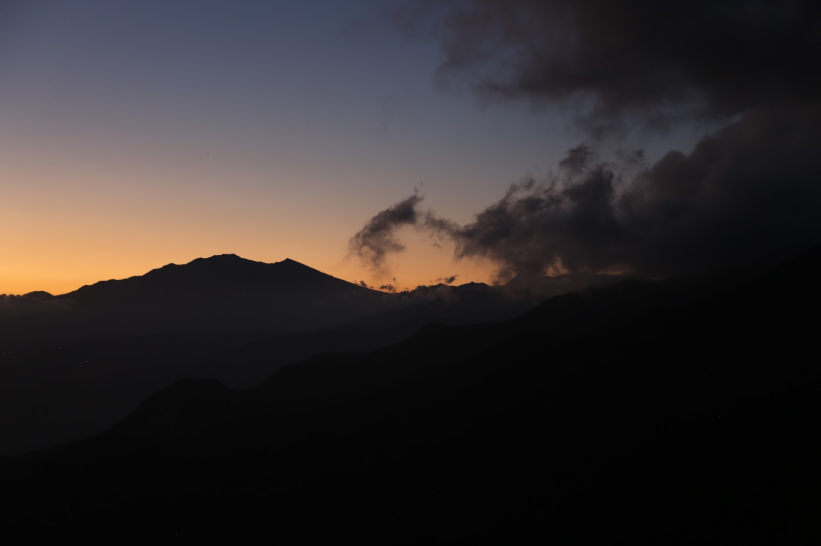
Yet the atmosphere remains beautiful in a rugged way. Sunsets become especially dramatic because the wind pushes clouds across the sky while golden light reflects off crashing waves.

For many travellers, windy season actually enhances the wild surf town feeling that makes Playa Venao so memorable.

Bocas del Toro, When the Caribbean Changes Personality

On the Caribbean side, Bocas del Toro experiences windy periods differently.

Bocas is famous for calm turquoise water much of the year, but during stronger northern swells and trade wind periods the ocean can become rough and chaotic surprisingly quickly.

Boat rides between islands become bumpier. Some beaches develop large surf. Rain squalls move through more dramatically. Ocean crossings that feel peaceful one week can become rough adventures the next.

Interestingly, surfers often celebrate these conditions because winter swells bring some of the best waves of the year to Caribbean Panama.

For ordinary travellers though, windy periods can occasionally disrupt island hopping plans or make certain beaches less swimmable.

Boquete and the Mountain Winds

Even the mountain town of Boquete experiences seasonal winds.

During dry season months, strong gusts sometimes sweep through the highlands, especially in open valleys and elevated viewpoints. The temperatures become cooler and the air noticeably fresher.

Many people actually consider this one of the best times to visit the mountains because the skies remain clear and visibility spectacular. Windy evenings in Boquete can feel surprisingly chilly compared to Panama City’s tropical humidity.

Coffee farms, hiking trails, and mountain viewpoints often look especially beautiful during these clear windy months.

Panama City and the Urban Wind Tunnels

Even Panama City experiences a version of windy season.

Along the coastal cinta costera, in high rise districts like Punta Pacifica and Costa del Este, and near the oceanfront, strong dry season winds can rush between skyscrapers and create powerful gusts.

Residents quickly notice the seasonal shift. The air becomes slightly less humid, skies clearer, and evenings more comfortable.

The city’s famous skyline often looks its sharpest during windy season because haze and humidity decrease significantly.

While Panama City never becomes wildly windy compared to coastal beach regions, the seasonal change is still noticeable.

Why Locals Often Love Windy Season

Many Panamanians actually welcome windy season enthusiastically.

After months of intense humidity and still tropical heat, the wind provides relief. Homes feel cooler. Nights become more comfortable for sleeping. Mosquitoes may decrease somewhat in breezier areas. Outdoor life becomes easier.

In some coastal towns, people specifically wait for windy season because it transforms the atmosphere into something more energetic and refreshing.

It also coincides with Panama’s summer vacation season, festivals, beach trips, and some of the country’s busiest travel months.

The wind becomes associated with road trips, surfing, outdoor parties, carnival season, and long sunny days.

The Downsides of Windy Season

Of course, not everyone enjoys it equally.

For boat operators and seasick travellers, rougher water can become exhausting. Island crossings occasionally become uncomfortable or delayed.

Beach days can be less relaxing when sand blows constantly across towels and into food. Some snorkeling conditions worsen because waves reduce underwater visibility.

Dust also increases significantly in dry Pacific regions. Rural roads become extremely dry and windy afternoons can feel harsh in exposed areas.

Wildfire risk also rises during Panama’s driest and windiest months, especially in grassy regions and agricultural zones.

The Link Between Wind and Kitesurfing

One reason windy season has gained international attention is because Panama has become increasingly popular for kitesurfing and wind sports.

Places like Punta Chame are famous specifically because strong seasonal winds create ideal conditions for kitesurfers from around the world.

During peak windy months, colorful kites fill the sky above beaches and bays as riders take advantage of the reliable conditions.

Without windy season, Panama would not have developed the same reputation within the global kitesurfing community.

Windy Season and Wildlife

The wind also changes wildlife behavior.

On the Pacific side, windy season often coincides with whale migrations offshore and changes in ocean nutrient circulation that affect marine life.

Bird activity can become spectacular in some regions due to clearer skies and migration patterns.

Even simple jungle sounds change. During windy nights in forest regions, trees creak, leaves roar, and cloud forests feel dramatically different from the still humid calm of rainy season.

Is Windy Season a Bad Time to Visit Panama?

Not at all.

In fact, many travellers unknowingly visit during windy season and consider it the best time of year.

The skies are often brilliantly blue. Roads are dry. Beaches are sunny. Sunsets become spectacular. Humidity decreases somewhat. Outdoor activities become easier in many areas.

The key is simply understanding that tropical paradise does not always mean perfectly still air.

Panama during windy season feels more alive, more energetic, and in some regions far more dramatic.

Palm trees sway constantly. Waves crash harder against the shore. Sailboats lean into the wind. Surf towns buzz with activity. The air feels cleaner and sharper.

For many people, that energy becomes part of the country’s charm.

The Strange Beauty of Panama’s Windy Months

There is something uniquely beautiful about Panama during windy season.

A Caribbean island may suddenly feel wild and untamed rather than sleepy and calm. A Pacific beach can transform into a roaring surf landscape beneath glowing orange sunsets. Mountain valleys fill with cool rushing air while clouds race across volcanoes.

The country develops motion.

And perhaps that is why so many travellers remember Panama’s windy season so vividly. It adds drama to landscapes that are already beautiful. It changes how the ocean looks, how towns feel, how beaches sound, and even how people experience daily life.

Panama is not simply a tropical postcard destination.

Sometimes it is a country of roaring ocean wind, bending palm trees, crashing surf, and skies so clear they almost look unreal.

The Ultimate Dolphin Finding Guide to Panama

Panama is one of the greatest countries in the Americas for seeing dolphins in the wild. Many travellers arrive expecting beaches, jungles, islands, volcanoes, surfing, coffee farms, and tropical wildlife, but they leave talking about something else entirely, dolphins appearing suddenly beside their boat in warm turquoise water.

With both a Caribbean and Pacific coastline, Panama has an astonishing variety of marine environments packed into a relatively small country. Calm tropical bays, mangrove estuaries, coral reefs, remote island chains, protected marine parks, volcanic coastlines, and nutrient rich Pacific waters all create ideal conditions for dolphins to thrive. In some places sightings are occasional and lucky. In others, they are so common that local boat captains talk about the dolphins almost like neighbors that simply happen to live offshore.

What makes Panama especially exciting for dolphin lovers is that encounters often feel spontaneous and natural rather than commercialized. In many parts of the world, dolphin tourism revolves around large crowded tour boats chasing pods through busy water. Panama often feels completely different. You may simply be taking a boat to an island, heading toward a snorkeling spot, crossing a gulf, or visiting a remote beach when dolphins suddenly emerge beside you. Sometimes they appear for only seconds. Other times they travel alongside the boat for long stretches, leaping through the wake while everyone onboard completely forgets whatever destination they were originally heading toward.

For travellers who dream about seeing dolphins in the wild, Panama can feel almost unfairly rewarding.

Why Panama Has So Many Dolphins

Panama sits in a uniquely strategic geographic position between two oceans. The Caribbean side offers warm calm waters, coral reefs, mangroves, and protected bays where dolphins can feed and socialize comfortably. Meanwhile, the Pacific side contains nutrient rich waters filled with marine life due to ocean currents and underwater geography that support huge ecosystems of fish, whales, rays, turtles, and dolphins.

The country also has an extraordinary number of islands and protected marine areas. These create safe environments where wildlife can thrive away from heavy industrial activity. Large stretches of coastline remain relatively undeveloped compared to many other tropical destinations, especially outside major tourist hubs.

Another important factor is that dolphins in Panama are often encountered during ordinary travel. The country depends heavily on boats in island regions, meaning travellers naturally spend more time on the water. The more time you spend crossing bays and island chains, the better your chances become.

And in Panama, those chances can be remarkably high.

Bocas del Toro, The Caribbean Dolphin Paradise

If there is one place most associated with dolphins in Panama, it is undoubtedly Bocas del Toro.

This Caribbean archipelago near the Costa Rican border has become legendary among backpackers and island travellers, partly because dolphin sightings are so common that many visitors almost take them for granted after a few days.

The most famous location is Dolphin Bay, a calm protected area surrounded by jungle covered islands and mangroves. The bay lives up to its name. Bottlenose dolphins are seen here extremely frequently, especially during boat tours combining snorkeling, beach hopping, and coral reef visits.

The setting itself feels almost cinematic. The water is often smooth like glass in the mornings. Tropical islands rise from the sea in every direction. Pelicans skim across the surface while boats weave through mangroves. Then suddenly fins begin appearing in the distance.

Sometimes dolphins surface slowly and quietly in small groups. Other times they become playful, riding the waves created by passing boats and leaping through the water beside excited travellers.

One reason Bocas is so reliable is that the dolphins remain in the area year round. Local guides know their favorite feeding and socializing zones extremely well. Many boat captains can identify individual dolphins they see repeatedly over the years.

However, Bocas also highlights the importance of responsible tourism. During busy periods some operators crowd the dolphins too closely. The best experiences happen with smaller eco conscious tours that keep respectful distances and allow the animals to behave naturally. When the water is calm and the boats remain patient, the dolphins often approach voluntarily anyway.

Beyond dolphins, Bocas is one of the most entertaining regions in Panama. Travellers combine dolphin tours with snorkeling, surfing, beach hopping, sloth spotting, bioluminescence tours, Caribbean food, nightlife, and island culture. Many backpackers intending to stay two nights end up staying two weeks.

The Gulf of Chiriquí, Panama’s Most Underrated Dolphin Region

While Bocas receives most of the international attention, experienced travellers and marine enthusiasts often quietly argue that the Pacific side of Panama offers even more spectacular dolphin experiences.

The enormous Gulf of Chiriquí is one of the country’s greatest hidden treasures. Stretching along Panama’s western Pacific coast, this vast marine region contains dozens of islands, secluded beaches, national parks, coral reefs, and untouched waters filled with wildlife.

Dolphin sightings here are incredibly common.

Boat trips departing from places like Boca Chica frequently encounter dolphins while traveling between islands. Sometimes pods appear only briefly. Other times they follow boats for extended periods, leaping repeatedly through the wake while passengers cheer from the deck.

The Pacific setting creates a completely different atmosphere from the Caribbean. The islands feel wilder and more dramatic. Dense jungle hills rise sharply from deep blue water. Frigatebirds soar overhead. The ocean feels larger, more powerful, and more untamed.

One of the most magical aspects of dolphin watching in the Gulf of Chiriquí is how uncrowded it remains. Unlike famous marine tourism destinations elsewhere in the world, you may spend hours surrounded only by ocean and jungle islands. Dolphin encounters feel personal and raw rather than choreographed.

The gulf is also famous for humpback whales, sea turtles, rays, tropical fish, and sport fishing. During whale season, it is entirely possible to encounter both dolphins and humpback whales on the same excursion.

Coiba National Park, The Galápagos of Panama

For serious wildlife lovers, Coiba National Park is one of the greatest marine destinations in Central America.

This massive protected UNESCO marine reserve lies off Panama’s Pacific coast and contains some of the richest ocean biodiversity in the eastern Pacific. Because the waters are heavily protected, marine life flourishes here at astonishing levels.

Dolphins are commonly encountered during the long boat rides toward the islands and around dive sites throughout the park.

What makes Coiba special is the sheer wildness of the experience. This is not casual beach tourism. The islands feel remote and isolated. The ocean crossings can feel adventurous. The marine life density is extraordinary.

Boats moving through the park regularly encounter pods of dolphins slicing through open water. Sometimes they surface gently beside the boat. Sometimes entire groups erupt into acrobatic leaps and spins.

The Pacific waters surrounding Coiba are also famous for whale sharks, humpback whales, sharks, giant schools of fish, turtles, and some of the best diving in the Americas. Even non divers often consider Coiba one of the highlights of their time in Panama simply because of the boat journeys and wildlife encounters alone.

The Pearl Islands, Dolphins Near Panama City

Many visitors are shocked to learn they do not necessarily need to travel far from Panama City to have a realistic chance of seeing dolphins.

The Pearl Islands archipelago in the Gulf of Panama offers surprisingly good opportunities, especially during island crossings.

These islands became internationally famous after television shows filmed there, but the region’s marine life receives far less attention than it deserves. Ferries and private boats traveling between islands frequently encounter dolphins moving through the gulf.

The experience here feels different from Bocas or Coiba. The islands are drier and more rugged looking. The Pacific waters can shift quickly between calm mirror conditions and dramatic ocean swells. Dolphin sightings sometimes happen suddenly and disappear just as fast.

Because the islands are accessible from the capital, this is one of the easiest dolphin experiences for shorter term travellers who cannot spend weeks exploring distant parts of the country.

Some luxury resorts in the Pearl Islands even report dolphins visible from shore on calm days.

Isla Iguana, The Azuero Peninsula’s Marine Jewel

On the Pacific side of the Azuero Peninsula, Isla Iguana Wildlife Refuge offers another excellent opportunity for dolphin sightings.

This protected island near Pedasí is best known for white sand beaches, snorkeling, sea turtles, tropical fish, and seabird colonies. However, dolphins are also commonly seen during the short boat rides between the mainland and the island.

The waters here are often calm and inviting, especially during the dry season. Local captains know the common dolphin routes well and frequently slow the boat when pods appear nearby.

What makes Isla Iguana especially appealing is the relaxed atmosphere surrounding the entire experience. Pedasí itself remains far quieter than Panama’s major tourism centers. The dolphin encounters often feel intimate and peaceful rather than rushed.

During humpback whale season, the surrounding waters become even more spectacular.

Boca Chica, One of Panama’s Best Kept Marine Secrets

Tiny Boca Chica may quietly be one of the best dolphin bases in the entire country.

This sleepy fishing village on the Pacific coast acts as a gateway to the Gulf of Chiriquí and its countless islands. Dolphins are seen so frequently here that many captains almost assume sightings are part of an ordinary excursion.

The beauty of Boca Chica lies in its flexibility. Even short half day island trips can result in dolphin encounters because the surrounding waters are filled with marine life.

The area still feels wonderfully undeveloped compared to more famous tourist zones. Quiet beaches, fishing boats, jungle islands, and peaceful ocean scenery dominate the landscape.

For travellers seeking a less crowded and more authentic marine experience, Boca Chica is incredibly rewarding.

What Species of Dolphins Can You See in Panama?

The most commonly encountered dolphins in Panama are bottlenose dolphins. These are the classic dolphins most people imagine, intelligent, social, curious, and often playful around boats.

They are especially common around Bocas del Toro, the Pearl Islands, Isla Iguana, and the Gulf of Chiriquí.

Spinner dolphins also appear in parts of the Pacific. These dolphins are famous for their acrobatic spinning leaps above the water and can sometimes be seen farther offshore.

Panama’s Pacific waters are so biologically rich that additional dolphin species occasionally appear as well, particularly during offshore excursions and deep water trips.

The Best Time of Year to See Dolphins

One of the best things about dolphin watching in Panama is that dolphins are present year round.

Unlike whale migrations, dolphins do not simply disappear for seasons at a time. Your chances depend more on weather, sea conditions, and how often you are on the water.

The dry season, generally from December through April, often provides calmer seas and clearer visibility. This can make sightings easier and boat rides more comfortable.

However, the rainy season has its own magic. The landscapes become intensely green, the skies dramatic, and tourism numbers lower. Many travellers actually prefer this period because the atmosphere feels wilder and less crowded.

On the Pacific side, whale season from roughly July through October creates particularly exciting marine conditions, with dolphins and whales often sharing the same waters.

Tips for Maximizing Your Chances of Seeing Dolphins

The simplest strategy is also the most effective, spend more time on boats.

In Panama, dolphins frequently appear during ordinary transportation and island hopping rather than specialized dolphin tours alone.

Morning excursions often provide calmer water and better visibility. Smaller boats can sometimes create more intimate experiences, although larger boats occasionally travel farther offshore.

Patience is important too. Dolphins are wild animals, not performers. Some days you may see dozens. Other days only a quick glimpse of fins in the distance.

Still, in regions like Bocas del Toro and the Gulf of Chiriquí, your chances are genuinely excellent.

It is also worth choosing ethical operators who avoid aggressively chasing dolphins. Respectful encounters create far better experiences for both travellers and wildlife.

Why Dolphin Encounters in Panama Feel So Special

What truly makes Panama unique is how naturally dolphin encounters fit into the country’s overall travel experience.

You are not simply going somewhere to watch dolphins for an hour and leave. You are traveling through jungles, crossing tropical bays, visiting remote islands, snorkeling coral reefs, hiking volcanoes, and exploring fishing villages, all while dolphins appear almost as part of the landscape itself.

One week you may see dolphins in calm Caribbean mangroves. The next week you may encounter them in powerful Pacific waters beneath volcanic islands.

Very few countries offer that kind of variety so accessibly.

And because much of Panama still feels relatively undiscovered internationally, many dolphin encounters retain a sense of surprise and authenticity that has disappeared from more commercialized marine tourism destinations.

In Panama, dolphins often appear when you least expect them.

That may be exactly why travellers remember the experience so vividly long after they leave.

Why Volunteering at Lost and Found Hostel Might Be the Ultimate Backpacker Experience in Panama

There are hostels, there are party hostels, there are nature hostels, and then there is Lost and Found Hostel, a place that somehow combines all three into one unforgettable experience hidden high in the cloud forests of western Panama. Tucked deep in the mountains between Boquete and Bocas del Toro, this jungle lodge has become legendary among backpackers, volunteers, solo travellers, and Workawayers moving through Central America. It is not just somewhere to sleep. It becomes your entire world for a while.

What makes volunteering here so different from many hostel exchanges around the world is that your life does not revolve around exhausting daytime labour. Instead, much of the volunteer work happens during social evening shifts. That completely changes the experience. Rather than spending your days cleaning beds while everyone else is out adventuring, volunteers at Lost and Found often spend the daytime doing exactly what travellers come to Panama to do in the first place: hiking through jungle trails, swimming beneath waterfalls, spotting monkeys and hummingbirds, exploring coffee towns, or simply relaxing in hammocks with people they met the night before.

That schedule creates something rare. Volunteers do not feel separated from the guests, they become part of the experience itself. By the afternoon, groups naturally form for adventures. One day you may join travellers hiking to hidden waterfalls in the forest. Another day might involve treasure hunts around the property, yoga overlooking the mountains, birdwatching, or spontaneous jungle walks through the misty cloud forest. Because everyone is free during the day, friendships happen naturally. The hostel becomes less like a workplace and more like a constantly evolving travel community.

The location itself feels unreal. Lost and Found Hostel is famous for being Panama’s only true hike-in jungle hostel. Guests arrive by bus, then walk a trail into the rainforest before the hostel suddenly appears overlooking endless green mountains. The moment people arrive, they understand why so many travellers extend their stay far beyond what they originally planned.

The scenery is one of the biggest reasons volunteers fall in love with the place. The hostel sits inside the Fortuna Nature Reserve surrounded by rainforest, cloud forest, rivers, wildlife, and panoramic views toward Volcán Barú. You wake up above the clouds with hummingbirds flying past breakfast tables. At night, fog rolls through the jungle while music echoes softly from the bar. There are very few places in Central America where nature feels this immersive while still maintaining such a strong social atmosphere.

And the social atmosphere is what truly defines the volunteer experience.

Many hostel work exchanges around the world suffer from a strange divide between volunteers and guests. Volunteers sometimes form isolated cliques or spend most of their time exhausted from work. But Lost and Found has built a reputation for the opposite kind of culture, one where volunteers are integrated into the social life of the hostel itself. Because evening shifts are naturally social, volunteers spend much of their work time talking with travellers, helping create events, running dinners, organizing games, or contributing to the energy of the bar and communal spaces.

The result is that volunteers often become close friends with the travellers passing through. Every night introduces a completely different mix of backpackers from around the world: Germans crossing Central America by bus, Canadians heading toward Colombia, Australians finishing surf trips, Europeans taking gap years, digital nomads hiding from city life, and solo travellers looking for community. Family dinners at communal tables make meeting people almost unavoidable.

Those dinners are one of the hostel’s most iconic traditions. As the sun disappears behind the mountains, everyone gathers together for large shared meals before the evening begins. For many travellers, this becomes the highlight of their stay. People arrive knowing nobody and leave with hiking partners, travel companions, or lifelong friends. Volunteers play a huge role in shaping that atmosphere.

Then the jungle bar comes alive.

Some nights are relaxed and mellow with travellers sharing stories over drinks while music drifts through the mountains. Other nights become energetic social events filled with games, dancing, themed parties, and conversations that somehow last until late into the night. Yet despite the social energy, the hostel never feels like an aggressive party hostel. The jungle setting keeps everything balanced. One hour you might be dancing with backpackers from six countries; the next you are sitting quietly watching lightning storms move through the mountains.

The activities available around the hostel are another reason volunteers rarely get bored. The property itself contains jungle hiking trails, hidden viewpoints, rivers, and wildlife spotting opportunities. Guests regularly see monkeys, hummingbirds, exotic birds, butterflies, and countless tropical insects.

Beyond the hostel grounds, volunteers can join or recommend countless adventures. There are waterfall excursions, hot springs, jungle hikes, yoga sessions, scavenger hunts, night safaris, coffee tours, indigenous community visits, and trips deeper into the mountains. Because volunteers have daytime freedom, they actually get to participate in many of these experiences themselves rather than merely watching guests leave for them.

For young travellers, that balance between work and adventure is incredibly valuable. Many people begin hostel volunteering imagining endless free time, only to discover they are exhausted from early-morning housekeeping shifts or repetitive labour. Lost and Found’s structure feels far more aligned with what backpackers actually dream about when they picture volunteering abroad. You still contribute to the hostel, but you also genuinely get to live the travel experience every day.

That is part of why the hostel has developed such a strong reputation among backpackers moving through Panama. Online reviews constantly describe it as one of the most memorable stops in Central America, praising both the social atmosphere and the unique jungle setting. Many travellers originally plan to stay two nights and remain for a week or longer.

There is also something refreshing about how disconnected the hostel feels from modern city life. There are no traffic sounds, no skyscrapers, and no urban chaos. Days revolve around nature, conversation, hiking, shared meals, and spontaneous adventures. Volunteers often describe losing track of time there. The outside world begins to feel very far away.

At the same time, the hostel still maintains enough comfort and organization to avoid feeling chaotic. The balance between wilderness and community is carefully built. You can spend a day trekking through muddy jungle trails and still return to good food, hot coffee, music, games, and a lively international atmosphere at night.

For many young travellers, volunteering at Lost and Found Hostel becomes more than just a budget travel strategy. It becomes the chapter of their trip they remember most vividly years later. It is the place where strangers became friends, where quiet mornings overlooked cloud forests, where nights stretched endlessly around jungle bars, and where every single day felt like an adventure waiting to happen.

Few volunteer experiences manage to combine freedom, nature, social energy, adventure, and community as naturally as this one. That is why so many backpackers across Central America keep repeating the same thing to each other:

“You cannot pass through Panama without going to Lost and Found.”

The Sound of Panama: What People Listen to Now, What’s Emerging, and Where the Music Is Heading

Music in Panama is one of the clearest reflections of the country itself, diverse, rhythmic, fast changing, and deeply connected to both the Caribbean and Latin American worlds. What people listen to in daily life is not just one genre, but a layered mix that ranges from global urban sounds to deeply local traditions that still dominate parties, festivals, and rural celebrations.

At the same time, new styles are emerging that are reshaping what “Panamanian music” means in 2026. Some are rooted in global trends like Afro fusion and Latin trap, while others are reinterpretations of older Panamanian styles being rediscovered by younger artists.

The foundation: reggaeton and Panama’s hidden influence

One of the most important facts about modern Latin music is that reggaeton has deep roots connected to Panama. Early forms of what later became reggaeton were strongly shaped by Panamanian artists experimenting with reggae en español and dancehall influences. Reggaeton has since become global, but its early DNA is closely tied to Panama’s urban music scene.

Pioneers like El General and Nando Boom helped define the early sound that mixed Caribbean rhythms with Spanish lyrics. El General and Nando Boom are still referenced as foundational figures in Latin urban music history.

Today, reggaeton remains one of the most widely played genres across Panama, especially in cities like Panama City, where it dominates clubs, taxis, radio stations, and social gatherings.

What people actually listen to day to day

If you walk through neighborhoods, ride buses, or attend parties in Panama, you hear a very specific blend of genres that reflects everyday culture rather than global charts alone.

Urban Latin dominates the cities

The most dominant category is modern urban Latin music. This includes reggaeton, Latin trap, and dancehall influenced Spanish rap. Artists like Sech and Boza represent this newer wave of Panamanian global music identity, blending melodic vocals with Caribbean rhythm structures.

In everyday life, this is the music of social media, parties, gyms, and nightlife. It is also the most globally connected sound, linking Panama directly to Puerto Rico, Colombia, and the wider Latin music industry.

Salsa is still deeply alive

Despite the rise of urban genres, salsa remains extremely important in social life. It is not just nostalgia music, it is still central to celebrations, especially family gatherings, festivals, and national holidays.

Panama has produced internationally respected salsa figures like Rubén Blades, and salsa orchestras continue to be a major part of live performance culture. Even younger audiences often know classic salsa songs because they are still played constantly in social environments.

Típico and cumbia in the countryside

Outside urban centers, especially in rural areas and smaller towns, “típico” music is extremely popular. This is a fast paced accordion driven style rooted in Panamanian folk tradition. It is played at dances, festivals, and community events where live bands are more important than streaming charts.

Live music as a cultural bridge

Live performance culture in Panama plays a huge role in keeping older genres alive while also introducing new ones. Salsa orchestras, reggae bands, and cover bands all share the same nightlife spaces.

A key detail is that live music is not separated into “high art” and “popular entertainment” in a strict way. Instead, a single night might include salsa, reggaeton covers, and live tropical fusion all in one venue. This blending helps explain why musical tastes in Panama feel so layered rather than divided.

What’s emerging right now: the new sound of Panama

While traditional genres remain strong, several new movements are shaping what is trending among younger audiences.

Afro fusion and Caribbean experimental sounds

One of the fastest growing trends is Afro Caribbean fusion, where artists combine Afrobeat rhythms, dancehall patterns, and Latin urban vocals. This style reflects Panama’s geographic and cultural position between the Caribbean and South America.

According to recent music analysis, this “Afro fusion wave” is one of the most active emerging directions in Panama’s current music evolution.

It is more melodic, rhythmically layered, and globally oriented than earlier reggaeton styles, often using softer production and more atmospheric beats.

Reggaeton evolution into more melodic and emotional styles

Reggaeton itself is evolving inside Panama. The newer generation is moving away from purely aggressive beats toward more emotional, melodic, and hybrid styles. This includes romantic reggaeton, trap ballads, and pop influenced urban music.

This reflects a broader Latin trend where artists are blending singing and rap more fluidly, making the music more accessible across audiences and age groups.

The return of roots and identity based music

Interestingly, there is also a counter movement where younger musicians are revisiting older Panamanian sounds. Reggae en español, early dancehall, and traditional cumbia influences are being reintroduced into modern production.

This creates a fusion where old rhythms are layered under modern beats, giving the music a nostalgic but updated identity.

Some artists and producers are explicitly referencing Panama’s historical role in shaping urban Latin music, almost reclaiming that legacy in modern form.

Electronic and experimental underground scenes

Although not dominant, there is a growing underground interest in electronic music, experimental Latin beats, and independent production scenes. These are more common in niche nightlife spaces in Panama City and among younger, digitally connected audiences.

This scene is still relatively small compared to reggaeton and salsa, but it is growing through social media and independent events.

The global influence loop

Panama’s music scene is increasingly connected to global Latin music circuits. Artists collaborate with Puerto Rican, Colombian, and Mexican musicians, and trends travel quickly through streaming platforms.

At the same time, Panama is also exporting its own sound again, especially in urban Latin genres. This creates a feedback loop where local styles influence global music, and global trends reshape local production.

Why Panama’s music scene feels so layered

What makes Panama unique is not that it has one dominant genre, but that multiple eras of music are still active at the same time.

Salsa has not disappeared

Reggaeton continues to evolve

Traditional típico remains strong outside cities

Afro fusion and experimental urban music are rising

Live music blends everything together in real time

This creates a soundscape where past and future coexist rather than replace each other.

The bigger picture

Music in Panama is not just entertainment, it is a cultural map. It shows migration patterns, Caribbean influence, urban development, and generational change all at once.

From the early pioneers of El General and Nando Boom, to modern urban artists and experimental producers, the country continues to shape and be shaped by global sound.

And what’s most interesting is that Panama does not replace its old music with new trends, it layers them. The result is a living archive of rhythm, constantly updating itself while never fully forgetting where it came from.

Live Music in Panama: Rooftops, Cover Bands, Jazz Nights, and Mountain Breweries That Come Alive After Dark

Live music in Panama is not confined to one type of venue, genre, or even geography. It stretches from the colonial courtyards of Casco Viejo, to rooftop bars in modern towers of Panama City, and even into the cool highlands of Boquete where beer, fog, and guitars mix in unexpected ways.

What makes Panama’s music scene especially interesting is its fluidity. There is no single “concert culture” that dominates. Instead, live music appears in layers throughout the night, shifting from jazz to salsa to cover bands to acoustic sets in mountain towns. It is less an industry and more a living network of performance spaces that activate as the sun goes down.

Casco Viejo: where history echoes with music

The historic quarter of Casco Viejo is one of the most important cultural anchors for live music in the country. Its cobblestone streets and restored colonial buildings create natural acoustics that seem designed for sound to linger.

At the center of its jazz identity is Danilo’s Jazz Club, a venue known for high level performances that blend international jazz standards with Latin improvisation. The room is intimate, often dimly lit, and focused on listening rather than background noise. Musicians frequently interact with the audience, turning performances into shared experiences rather than distant shows.

Just a few streets away, nightlife becomes more energetic and less structured. Venues like CasaCasco offer multiple floors of music, where live bands, DJs, and fusion acts rotate throughout the night. The building itself feels like a vertical festival, with each level offering a different sonic environment.

Nearby, Tantalo Rooftop transforms into a high energy space after sunset, often combining live percussion, DJs, and guest performers. From the rooftop, music spills into the warm night air while the skyline of Panama City glows in the distance.

Cover bands and the culture of participation

One of the most distinctive features of live music in Panama is the dominance of cover bands in nightlife venues. These bands are not background entertainment, they are central to the social experience.

In many bars across Panama City and especially in Casco Viejo, cover bands perform everything from Latin classics and reggae to international pop and rock en español. The goal is not replication but interaction.

Crowds often sing along, dance between tables, and request songs directly. A single set might shift from salsa to reggaeton to a rock ballad depending on audience energy. Musicians read the room constantly, adjusting tempo and genre in real time.

This creates a unique atmosphere where the boundary between performer and audience is thin. The crowd is not passive, it is part of the performance structure itself.

Jazz as a refined counterpoint

Alongside the energy of cover bands, Panama maintains a strong jazz tradition. The Panama Jazz Festival has helped position the country as a regional hub for jazz education and performance.

Outside festival season, jazz continues in smaller venues, especially in Casco Viejo. At Danilo’s Jazz Club, performances often focus on technical mastery and improvisation. Sets are structured but fluid, allowing musicians to explore rhythm, harmony, and cultural fusion.

What makes Panama’s jazz scene unique is its blending of influences. Caribbean percussion, Afro Latin rhythms, and North American jazz traditions often appear in the same performance, reflecting the country’s position as a cultural crossroads.

Rooftop culture: music above the skyline

Rooftop venues are one of the defining features of Panama’s modern nightlife. In Panama City, music often happens above street level, where the sound mixes with wind, city lights, and ocean air.

At Tantalo Rooftop, live performances often begin at sunset and evolve throughout the night. Early sets are more relaxed, often acoustic or downtempo, before transitioning into more energetic music as the crowd grows.

The experience is as visual as it is auditory. The colonial rooftops of Casco Viejo contrast with the modern skyline of Panama City, creating a layered backdrop that changes as the night progresses.

The surprising mountain music scene in Boquete

While Panama City dominates the urban music landscape, some of the most unexpected live performances happen in the highlands of Boquete. The cool mountain air, coffee plantations, and slower pace of life create a very different musical environment.

One of the most interesting aspects of this region is the presence of live music at local breweries. The brewery in Boquete, known as Boquete Brewing Company, regularly hosts live music nights where local bands and traveling musicians perform in a relaxed, open air setting.

These performances are often more intimate and informal than city venues. Acoustic guitars, small bands, and improvised jam sessions are common. The audience tends to be a mix of travelers, expats, and locals who gather not just for music, but for community.

What makes this setting especially memorable is the contrast. Instead of urban skylines, the backdrop is misty mountains and coffee farms. Instead of nightclub lighting, there are warm string lights and wooden interiors. Music here feels less like performance and more like gathering.

Why live music thrives in such different environments

Panama’s geography plays a major role in shaping its music culture. The country is small but vertically diverse, stretching from tropical coastline to high mountain regions. This allows live music to evolve differently depending on location.

In Panama City and Casco Viejo, music is fast paced, diverse, and tourism driven. In Boquete, at places like Boquete Brewing Company, it becomes slower, more acoustic, and community oriented.

Together, these environments create a national music scene that is not centralized but distributed across different lifestyles and landscapes.

The social rhythm of live music nights

A night of live music in Panama rarely follows a single plan. It tends to evolve organically. You might begin in a rooftop bar in Casco Viejo, move into a jazz club like Danilo’s Jazz Club, and later end up in a cover band venue where the entire crowd is singing together.

On other nights, the experience might happen entirely in one place, especially in mountain towns like Boquete where venues such as Boquete Brewing Company become the center of social life for the evening.

What remains consistent is the sense that music is not separated from life. It is embedded in it.

A country that plays music differently in every region

Live music in Panama is not defined by a single genre or venue type. It is defined by movement, adaptation, and geography. In Casco Viejo, it is atmospheric and historic. In Panama City, it is energetic and diverse. In Boquete, at places like Boquete Brewing Company, it becomes intimate and community driven.

Across all of these spaces, music is not just entertainment. It is a social connector, a way of shaping nights, and a reflection of how different environments produce different kinds of rhythm.

And whether it is a rooftop overlooking the ocean, a jazz club hidden in a colonial courtyard, or a brewery in the misty highlands, Panama always seems to find a way to turn the evening into music.

The World of Gambling in Panama: Casinos, Chance, and the Quiet Economy of Risk

Gambling in Panama is not the loud, chaotic spectacle people sometimes imagine from movies. It is more controlled, more architectural, and in many ways more integrated into the urban rhythm of places like Panama City than outsiders expect. Behind glass hotel towers, inside air conditioned casinos, and along hotel corridors that never quite sleep, there is a parallel economy built on chance, probability, and human psychology.

At the center of this system is the regulated casino industry, overseen by the Junta de Control de Juegos, which sets the framework for what is legal, licensed, and monitored. Unlike some countries where gambling is restricted or pushed underground, Panama has developed a visible, legal, and tourism oriented casino culture.

But beneath the polished floors and electronic sounds of slot machines, there is a deeper cultural story about risk, aspiration, and social behavior.

The casino landscape: polished rooms and controlled chaos

Most of Panama’s formal gambling takes place in hotel casinos rather than standalone mega resorts. These spaces are designed to feel seamless, blending hospitality, tourism, and gaming into a single environment.

In Panama City, casinos are often located inside or attached to major hotels, attracting both international visitors and local patrons. One of the most recognized venues is Sortis Hotel Spa & Casino, a modern complex where gaming floors sit beneath luxury rooms and restaurants.

Another prominent location is Ocean Sun Casino, which caters heavily to tourists and business travelers. Its atmosphere is quieter than traditional “casino cities” elsewhere in the world, focusing more on elegance than spectacle.

There is also Crown Casino, part of a broader network of gaming rooms that have long been embedded in the city’s entertainment scene.

These casinos are not isolated entertainment hubs. They are part of a larger urban ecosystem that includes nightlife, business travel, tourism, and short term leisure culture.

Why gambling fits Panama’s economic identity

Panama is a country shaped by transit. Ships pass through its canal, tourists pass through its airports, and financial flows pass through its banking system. Gambling fits into this broader identity of movement and exchange.

Unlike destinations where casinos define entire cities, Panama treats gambling as one layer in a diversified service economy. It exists alongside logistics, tourism, and international business rather than replacing them.

This makes the industry less about spectacle and more about steady participation. Many casinos rely on hotel guests, conference visitors, and short term tourists rather than destination gamblers.

The psychology of play: why people gamble here

Gambling in Panama is not just about winning money. It is often about occupying time, socializing, or engaging in a structured form of entertainment.

Slot machines dominate much of the floor space in most casinos. They are accessible, require no skill barrier, and offer continuous feedback loops that keep players engaged. Table games like blackjack and roulette attract a smaller but more social crowd, where interaction with dealers and other players becomes part of the experience.

For tourists, gambling is often framed as part of a broader nightlife experience. For locals, it can be a recurring leisure activity, similar to going out for dinner or visiting a bar.

What is notable is the calm atmosphere. Even when money is involved, the environment tends to remain composed rather than chaotic.

Regulation and structure: the invisible framework

The gambling industry in Panama operates under strict licensing and oversight from the Junta de Control de Juegos. This includes control over casino operations, machine certification, taxation, and compliance requirements.

This regulatory structure is one reason casinos in Panama tend to feel orderly. Payout systems, surveillance, and operational rules are standardized, which reduces the unpredictability often associated with informal gambling environments.

It also ensures that casinos remain tied to formal hospitality and tourism sectors rather than drifting into unregulated spaces.

The social side: casinos as meeting spaces

Beyond gambling itself, casinos in Panama function as social environments. People meet at bars inside gaming floors, share tables, or simply observe the activity without actively playing.

In some cases, casinos serve as neutral social territory where different groups overlap: tourists, business travelers, and locals all share the same space without necessarily interacting deeply, but still participating in the same environment.

This creates a layered social dynamic where gambling is almost secondary to presence. The act of being in the space becomes part of the experience.

Risk, control, and perception

One of the most interesting aspects of gambling culture in Panama is how controlled it feels compared to the abstract idea of gambling itself. The physical environments are designed to reduce chaos, manage pacing, and encourage sustained but measured engagement.

This contrasts with the psychological perception of gambling as unpredictable or extreme. In Panama’s regulated casino spaces, everything from lighting to sound design is calibrated to create a stable environment for risk taking.

Yet the core dynamic remains unchanged: uncertainty, probability, and the possibility of loss or reward.

Tourism and the casino economy

Casinos in Panama are closely linked to tourism flows, especially through visitors passing through Panama City. Business travelers often encounter casinos as part of hotel infrastructure rather than standalone destinations.

This integration means that gambling is often incidental rather than intentional. A visitor might arrive for a conference, stay in a hotel, and encounter a casino simply by walking downstairs.

As a result, the industry benefits from Panama’s role as a regional hub, where short stays and transit traffic generate consistent footfall.

The quieter reality behind the lights

Despite the bright interiors and constant machine sounds, gambling in Panama is not a dominant cultural force in the way it is in some global gambling centers. It is present, structured, and normalized within certain environments, but it does not define public life.

Outside casino floors, life continues in markets, buses, waterfronts, and neighborhoods that have little direct connection to gaming culture. This separation helps keep gambling as a contained activity rather than a societal identity.

A controlled version of chance

Ultimately, gambling in Panama exists as a managed expression of uncertainty. It is carefully regulated by the Junta de Control de Juegos, embedded in hotel infrastructure, and shaped by tourism patterns flowing through Panama City.

Inside places like Sortis Hotel Spa & Casino, Ocean Sun Casino, and Crown Casino, the world narrows to probability, routine, and chance.

But just outside those doors, the city returns to its broader identity, one defined not by risk, but by movement, trade, and transition.

Hitchhiking in Panama: The Strange, Social, and Surprisingly Safe Art of Getting a Ride

Hitchhiking in Panama is one of those travel experiences that sits in a curious cultural space. It is not officially “normal” in the way public transport or ride apps are, yet it is also not viewed with the same alarm or suspicion it might carry in other parts of the world. For some travelers, it becomes a practical way to move between remote areas. For others, it is a social experiment in trust, timing, and human interaction on the road.

What makes it especially interesting in Panama is that it is often assumed to be a bit strange, but not inherently dangerous. That perception comes from a combination of cultural familiarity with informal transport, relatively friendly roadside interactions in many rural regions, and the fact that long-distance travel between smaller towns has historically depended on improvisation rather than rigid systems.

Still, it is not something locals necessarily do as a primary form of transport. Instead, it exists in a grey zone between necessity, curiosity, and convenience.

Why it feels “strange” but not alarming

In many countries, standing on the roadside asking for a ride immediately triggers concerns. In Panama, the reaction is often more neutral. Drivers may slow down out of curiosity, wave, or simply continue without much judgment. The act itself is not widely stigmatized, but it is also not deeply embedded in everyday commuting culture.

Part of this comes from geography. Outside major urban corridors like the route connecting Panama City to regional towns, public transport can become sparse, indirect, or slow. In these areas, informal solutions have always existed: shared rides, stopping buses, and picking up people along the way.

So while hitchhiking is not an official system, it does not sit entirely outside social norms either. It occupies a middle ground where people understand what is happening without necessarily labeling it.

The social psychology of the roadside ride

One of the most fascinating aspects of hitchhiking in Panama is how much of it depends on micro-interactions. It is rarely just about transportation. It becomes a brief social encounter compressed into a few minutes or hours inside a vehicle.

Drivers who stop are often motivated by a mix of curiosity, goodwill, shared language, or simply the fact that the route aligns. Conversations typically begin quickly and shift between practical topics like destinations and more personal exchanges about travel, work, or life in different regions.

Unlike more transactional transport systems, there is often no fixed expectation beyond the ride itself. This creates a fluid dynamic where both parties are essentially improvising a shared experience.

The unspoken etiquette of the ride

Even though hitchhiking is informal, there are social expectations that tend to emerge naturally. One of the most consistent is gratitude, often expressed through conversation, friendliness, or small gestures.

It is quite common in these situations for travelers to offer something symbolic, such as a small gift, or to mention contributing toward fuel costs. This is not always accepted, and in many cases drivers will politely refuse. However, the gesture itself is important because it signals respect for the driver’s time and resources.

In practice, many of these exchanges remain verbal rather than transactional. A simple acknowledgment, a sincere thank you, or an engaging conversation is often enough to establish goodwill.

Digital bonds after the ride

Another modern layer to hitchhiking culture in Panama is the way connections sometimes continue after the journey ends. Exchanging WhatsApp numbers or Instagram handles has become a common way to maintain contact, especially among younger travelers and open-minded locals.

This is less about ongoing dependency and more about extending a brief moment of human connection. A ride that lasts an hour might turn into occasional messages, travel tips, or even future meetups in different parts of the country.

In some cases, drivers take pride in showing travelers around their region digitally afterward, recommending places to eat, swim, or explore that are not always in guidebooks.

Why people stop at all

From the driver’s perspective, picking up a hitchhiker is rarely seen as unusual in rural or semi-rural Panama. Many drivers simply see it as helping someone who is already headed in the same direction. Others enjoy the conversation, especially on long stretches of road where driving can otherwise feel monotonous.

There is also a cultural element of responsiveness. In many parts of Latin America, stopping to assist someone on the road is still associated with basic courtesy rather than risk assessment alone. That does not mean there is no caution, but it does mean that trust plays a larger role in everyday decisions.

The geography of opportunity

Hitchhiking is far more feasible in certain parts of Panama than others. On busy urban roads or highways near dense city traffic, it is less common simply because vehicles are moving quickly and have little reason to stop.

However, in rural provinces, mountainous areas, and coastal routes, it becomes more realistic. Long stretches of road with limited public transport naturally create moments where informal rides make sense for both driver and passenger.

The experience can also vary depending on time of day. Early morning and late afternoon tend to be more active, while nighttime hitchhiking is generally less common and less predictable.

Safety as perception, not guarantee

The reason hitchhiking in Panama is often described as “not dangerous but a bit strange” comes from perception rather than certainty. Most interactions are uneventful and friendly, but like anywhere in the world, outcomes depend heavily on context, location, and personal judgment.

Travelers who engage in it tend to rely on intuition, choosing situations where visibility is good, traffic is steady, and communication feels natural. The absence of formal structure is exactly what makes it feel both open and ambiguous.

A travel experience defined by randomness

Perhaps the most defining feature of hitchhiking in Panama is unpredictability. There is no schedule, no guarantee of a ride, and no fixed route beyond intention. What replaces structure is spontaneity.

One ride might involve a quiet driver with minimal conversation. Another might turn into an extended discussion about politics, farming, or travel across Central America. Another might end with shared fruit from a roadside stop or recommendations for hidden waterfalls and local eateries.

It is this randomness that makes the experience memorable for those who try it, not just as transportation, but as a series of short human encounters stitched together by geography.

The lasting impression

Hitchhiking in Panama sits in a unique cultural space where it is neither fully institutionalized nor fully taboo. It is understood, occasionally practiced, and always shaped by the personalities involved in each encounter.

What remains consistent is the human element: the brief trust between strangers, the shared direction of travel, and the unspoken etiquette of gratitude, whether that comes in conversation, a small gesture, or sometimes a digital connection afterward through WhatsApp or Instagram.

In the end, it is less about getting from one place to another and more about the unexpected stories that appear in between.

The Night Forest of Panama: Kinkajous, Cacomistles, and Olingos After Dark

When daylight fades over Panama and the last parrots disappear into the canopy, the forest does not sleep. It shifts. The temperature drops slightly, the air becomes heavier with moisture, and an entirely different set of mammals begins to move through the trees. Among the most remarkable of these nocturnal creatures are the kinkajou, the cacomistle, and the olingo. These three animals are closely related in evolutionary terms, yet each has taken a very different path through time, behavior, and ecology.

In many forested regions of Panama, including areas around Lost and Found Hostel, visitors and naturalists regularly report sightings of these mammals shortly after 7pm. This timing is not accidental. It reflects one of the most important daily transitions in tropical ecosystems, the shift from diurnal to nocturnal life.

The kinkajou, the canopy acrobat and honey seeker

The kinkajou, or Kinkajou, is one of the most charismatic mammals in the Neotropics. Although often mistaken for a primate due to its long tail and expressive face, it is actually a member of the Procyonidae family, making it more closely related to raccoons than monkeys.

Kinkajous are perfectly adapted for life in the canopy. Their most distinctive feature is their prehensile tail, which functions almost like an additional limb. It can grip branches tightly, allowing the animal to hang upside down while feeding or move through the canopy with remarkable stability. This adaptation is critical in a forest where movement often occurs high above the ground on narrow and unstable branches.

Their diet is dominated by fruit and nectar, making them important ecological pollinators and seed dispersers. They have an unusually long tongue, which can extend well beyond the mouth, allowing them to extract nectar from deep flowers that many other mammals cannot access. This feeding behavior makes them especially important for certain tropical plant species that rely on nocturnal pollination.

Kinkajous are generally solitary, although they may occasionally be seen in small groups, particularly where food is abundant. They communicate using a wide range of vocalizations, including soft whistles, squeaks, and grunts. These sounds are often the first indication of their presence in dense forest where visual detection is difficult.

Reproductively, kinkajous have relatively low reproductive rates, typically producing one offspring per litter. The young cling to their mother’s fur and are carried through the canopy until they are strong enough to move independently. This extended parental care increases survival in a complex arboreal environment.

In Panama, kinkajous are frequently observed in both primary forest and disturbed edge habitats, especially where fruiting trees are present. Around locations such as Lost and Found Hostel, they are often seen shortly after sunset, moving slowly along fruiting branches or pausing to feed in illuminated canopy gaps.

The cacomistle, the elusive night climber

The cacomistle, or Cacomistle, is one of the most secretive mammals in Panama’s forests. It belongs to the same family as kinkajous but occupies a very different ecological niche. While kinkajous are slow and deliberate, cacomistles are agile, alert, and highly mobile.

Their body is slender and elongated, with a long tail that provides balance during rapid movement through branches. Unlike kinkajous, they are not strictly canopy dwellers. Cacomistles frequently move between mid and upper forest levels, and they are comfortable descending to lower vegetation when necessary.

Their diet is highly opportunistic. They consume fruit, insects, small vertebrates, bird eggs, and occasionally carrion. This dietary flexibility allows them to survive in a wide range of habitats, including secondary forests and fragmented landscapes.

Cacomistles are primarily solitary and territorial. They mark their range using scent glands and maintain relatively large home territories compared to their body size. Their movement patterns are often unpredictable, which makes them difficult to study and even harder to observe directly.

One of their most interesting behaviors is their cautious exploratory movement. They frequently pause, scan their surroundings, and listen carefully before proceeding. This behavior likely evolved as a response to predation pressure from owls, snakes, and larger mammals.

Reproduction in cacomistles is seasonal, with females giving birth to small litters that are raised in dens located in tree hollows or dense vegetation. The young develop quickly and become independent within a few months.

Encounters in Panama are rare but memorable. Around forest edges near Lost and Found Hostel, observers sometimes report brief sightings as the animal crosses open gaps between trees, often disappearing before it can be fully identified.

The olingo, the quiet canopy specialist

The olingo, or Olingo, is perhaps the least known of the three species, yet it is one of the most specialized for canopy life. Olingos are strictly arboreal and rarely descend to the forest floor. Their entire existence is tied to the upper layers of tropical forest.

They are slender, lightweight mammals with long tails used for balance rather than gripping. Unlike kinkajous, their tails are not strongly prehensile, which reflects their preference for continuous canopy pathways rather than vertical climbing.

Olingos are primarily frugivorous, feeding on a wide range of fruits, especially those produced by canopy trees. Their feeding behavior plays a significant role in seed dispersal at high forest levels, contributing to regeneration patterns that occur far above ground level.

They are extremely quiet and elusive. Most sightings are indirect, based on movement, silhouette, or brief glimpses through dense foliage. Their eyes reflect light faintly, but they are far less conspicuous than kinkajous.

Olingos are thought to be more socially flexible than cacomistles or kinkajous. While generally solitary, they may share feeding areas when resources are abundant. Their reproductive biology is still not fully understood, partly due to the difficulty of observing them in natural conditions.

In Panama, olingos are most often associated with undisturbed or lightly disturbed forest canopy. However, they can occasionally persist in fragmented habitats if sufficient tree cover remains. Around ecolodges and forest corridors such as those near Lost and Found Hostel, they are sometimes detected through night surveys or camera traps rather than direct observation.

The critical window after 7pm

One of the most fascinating aspects of observing these three animals in Panama is the consistent timing of their activity. Around 7pm, just after sunset, the forest undergoes a rapid ecological transition.

Birds settle into roosts, diurnal mammals retreat, and nocturnal species begin to emerge. This creates a short but intense period of overlap where multiple ecological systems are active at once. It is during this window that kinkajous, cacomistles, and olingos are most likely to be seen.

In areas with human presence, such as around Lost and Found Hostel, this transition becomes even more noticeable. Artificial light sources, fruiting trees, and forest edges create microhabitats that concentrate wildlife activity.

For observers, this means that the first hour after sunset often produces the highest probability of sightings. After this period, activity disperses deeper into the canopy and becomes more difficult to detect.

Evolutionary relationships and divergence

Although kinkajous, cacomistles, and olingos are all members of the Procyonidae family, they represent distinct evolutionary experiments in arboreal adaptation.

Kinkajous evolved toward slow, energy efficient canopy movement with extreme specialization for fruit and nectar feeding. Cacomistles retained a more generalized and terrestrial flexibility, allowing them to exploit a wider range of food sources and habitats. Olingos, meanwhile, became highly specialized canopy frugivores, committing almost entirely to life in the treetops.

This divergence illustrates how closely related species can adapt to different ecological niches within the same environment. Panama, with its complex vertical forest structure, provides an ideal setting for this diversification.

Ecological importance in Panama’s forests

All three species play important roles in maintaining forest health. Kinkajous and olingos are especially important seed dispersers for canopy trees, moving seeds across long distances as they travel through the forest. Cacomistles contribute to both seed dispersal and population control of small animals and insects.

Their combined activity helps shape forest regeneration patterns, ensuring that plant species are distributed across different canopy layers and forest patches.

Without these mammals, tropical forests would lose a significant component of their reproductive and structural dynamics.

A hidden nightly world

For most people, Panama’s forests appear still at night. But for those who observe closely, especially in places like Lost and Found Hostel, the canopy is alive with motion, sound, and interaction.

Kinkajous move like slow shadows through fruiting trees, cacomistles slip across branches with alert precision, and olingos drift quietly through the highest layers of forest, almost entirely unseen.

Together they form a hidden nocturnal community, one that begins its activity just after 7pm and continues long into the night. It is a world that exists parallel to human life in Panama, not separate from it, but just beyond the limits of daylight perception.

And for those who take the time to look up into the canopy at the right moment, it is a world that reveals itself, briefly, beautifully, and then disappears again into the darkness.

The Invisible Architects of the Forest: Stick Insects in Panama and Their Hidden World

Deep in the tropical forests of Panama, life is not always loud, colorful, or obvious. Some of the most remarkable organisms are the ones that seem to vanish completely into their surroundings. Among these masters of disguise are the stick insects, members of the order Phasmatodea. To an entomologist, they are a living study in evolutionary design. To a casual hiker, they are often nothing more than twigs, until they move.

Panama, located at the biological crossroads of the Americas, is one of the richest regions on Earth for insect diversity. From lowland rainforests to cloud-enshrouded mountain slopes near Boquete and the dense jungle corridors around Panama City, stick insects are woven into nearly every terrestrial ecosystem. Yet they remain one of the least noticed components of that biodiversity.

Evolutionary disguise: why looking like a twig works so well

The defining feature of stick insects is their extraordinary camouflage. Over millions of years, natural selection has sculpted their bodies into elongated, branch-like forms. Their coloration mimics bark, dried stems, or even moss-covered wood. Some species go further, evolving irregular protrusions that resemble broken twigs or lichen growth.

This is not passive camouflage, it is a multi-layered survival system. Many species will remain completely motionless for hours, relying on stillness as much as shape. Others will gently sway back and forth when disturbed, mimicking the movement of vegetation in the wind. This behavioral adaptation is just as important as their physical appearance.

In Panama’s predator-rich ecosystems, where birds, lizards, and arboreal mammals hunt visually, this combination of form and behavior is highly effective. A stick insect that is perfectly still is almost impossible to detect, even at close range.

Diversity in Panama: more than just “walking sticks”

While they are often grouped under the casual name “stick insects,” the diversity within Panama is far more complex. Species range from thin, delicate forms no wider than a matchstick to large, robust insects exceeding 25–30 cm in length. Some are nearly invisible on vines; others resemble miniature branches with joints and bark-like textures.

Entomologists studying Panama’s Phasmatodea regularly encounter both stick mimics and leaf mimics. The leaf insects, a closely related group within Phasmatodea, take camouflage to another level by evolving flattened, leaf-shaped bodies complete with vein patterns and even simulated bite marks. These details are not decorative, they enhance realism and reduce detection by predators.

One of the most interesting aspects of Panama’s stick insect diversity is how variable individuals can be within the same species. Environmental conditions such as humidity, elevation, and plant type can influence body shape and coloration. In some cases, this leads to individuals that look so different they were historically misclassified as separate species.

Life in slow motion: behavior and survival strategy

Stick insects are among the slowest-moving insects in the tropical forest. This is not a weakness, it is a survival strategy. Their low metabolic rate allows them to conserve energy while relying on camouflage rather than escape.

Most species are nocturnal. At night, they emerge to feed on leaves, often traveling only a few meters from their daytime resting position. Their diet is generally broad, including a variety of native and cultivated plants. In Panama’s diverse forests, this flexibility is key to survival.

During the day, they remain motionless, often aligned perfectly with branches. If disturbed, their responses vary by species. Some drop suddenly to the forest floor and remain still. Others may reveal hidden hind wings in a flash of color, startling predators long enough to escape. A few even release chemical compounds as a deterrent, though this is less common.

Reproduction without partners: the strange world of parthenogenesis

One of the most fascinating biological traits found in many stick insects is parthenogenesis, the ability for females to reproduce without males. In these cases, unfertilized eggs develop into genetically similar offspring.

This reproductive strategy is particularly useful in environments where population density is low or mates are difficult to find. In Panama’s vast forest systems, where individuals may be widely dispersed, parthenogenesis ensures species continuity even under challenging conditions.

However, sexual reproduction still occurs in many species, and when it does, it contributes to genetic diversity that may improve adaptability over time.

Ecological importance: silent contributors to forest health

Although they are rarely noticed, stick insects play a meaningful role in Panama’s ecosystems. As herbivores, they influence plant growth patterns and contribute to the continuous cycling of nutrients through the forest.

Their feeding activity helps shape vegetation dynamics, particularly in young or regenerating forests. At the same time, they are an important food source for predators. Birds, reptiles, amphibians, and even spiders rely on them as part of a balanced diet.

In this way, stick insects occupy a quiet but essential position in the food web. Without them, energy flow through the ecosystem would be less stable.

Scientific discovery and ongoing research in Panama

From a scientific perspective, Panama remains a frontier for Phasmatodea research. Many species are still undescribed, and new discoveries are made regularly in less-accessible regions of rainforest.

Entomologists use a combination of field observation, genetic sequencing, and morphological study to classify these insects. The challenge is significant: camouflage not only protects stick insects from predators but also makes them difficult for scientists to locate and study.

Some research focuses on evolutionary relationships within Phasmatodea, while other studies examine their role in forest ecology or their unique reproductive strategies. Panama’s position as a biological corridor between North and South America makes it especially important for understanding how species diversify and spread.

Interaction with humans: unnoticed neighbors

For most people living in or visiting Panama, stick insects go completely unnoticed. They are harmless, do not bite, and are not considered pests in any meaningful sense. Occasionally, gardeners may find them on ornamental plants, but even then, they are often mistaken for dead twigs and ignored.

Ecotourism guides sometimes use stick insects as teaching tools, especially when explaining camouflage and adaptation. They are perfect examples of how evolution can produce organisms that disappear in plain sight.

Despite their invisibility, they are everywhere, on forest edges, in gardens, and even in urban green spaces around David and other populated areas.

Why stick insects matter more than they seem

Stick insects may not have the dramatic appeal of jaguars or the brightness of tropical birds, but they represent something equally important: the subtle engineering of survival over millions of years.

They demonstrate how evolution can prioritize invisibility over strength, patience over speed, and adaptation over aggression. In doing so, they challenge the idea that only the most visible organisms are the most important.

In Panama’s ecosystems, they are part of a vast, interconnected system that depends on balance. Remove them, and the system shifts in ways that may not be immediately obvious but are deeply significant over time.

Final reflection: the forest that hides in plain sight

To walk through a Panamanian rainforest is to move through a world that constantly hides itself. Stick insects embody that principle more than almost any other creature. They are not rare, yet they are rarely seen. They are not flashy, yet they are extraordinary.

For entomologists, they remain a source of endless discovery. For everyone else, they are a reminder that nature often does its most impressive work quietly, right in front of us, disguised as something as simple as a twig.

Birth Control Pills and Morning After Pills in Panama: Access, Cost, and What to Expect

For travelers and residents in Panama, contraception is generally easier to access than many people expect. In urban areas like Panama City, pharmacies are common, well stocked, and widely used as first-line healthcare stops. Unlike in some countries where prescriptions are strictly required for most contraceptives, Panama is relatively flexible in everyday practice.

That said, there is still a difference between what is legally required and what is commonly done in real life at pharmacies.

Birth control pills: surprisingly easy to get

Birth control pills are widely available in Panama and are generally easy to purchase.

In practice:

Many oral contraceptives are sold directly in pharmacies

Some may technically require a prescription, but enforcement is often flexible

Pharmacists frequently dispense common brands without complicated procedures

This makes Panama fairly accessible compared to countries with stricter medical gatekeeping.

Because pharmacies are everywhere in cities and towns, getting pills is usually a straightforward walk-in purchase rather than a medical appointment process. You can also find them in larger supermarkets and pharmacy chains in urban zones.

The main limitation is not access, but choice. While common brands are available, you may not always find the exact formulation you are used to from another country, so some adjustment can be necessary.

Emergency contraception (morning after pill): available but more controlled

Emergency contraception is also available in Panama, but it is treated with slightly more caution than regular birth control.

In pharmacies, you will commonly find levonorgestrel-based emergency pills (the standard “morning after pill”). These are widely known and stocked, especially in larger pharmacies.

Sources and pharmacy references confirm that these products exist in Panamanian pharmacies, though a prescription may technically be required in some cases depending on the pharmacy or pharmacist discretion.

In reality, this means:

Some pharmacies will sell it directly over the counter

Others may ask a few basic questions or request a prescription

Availability is generally good in cities and larger towns

The key point is that access is usually not the issue. It is more about which pharmacy you go to.

How quickly you need it matters more than anything

Emergency contraception is time sensitive everywhere in the world, and Panama is no different.

Most options are effective when taken within a short window after unprotected sex, typically within 72 hours for standard levonorgestrel pills, and sometimes longer depending on the formulation.

Because of this, pharmacies in Panama tend to prioritize speed over bureaucracy in many cases. If someone requests it, they are often guided quickly to the correct product rather than delayed through a formal process.

Cost expectations

Prices vary slightly by brand and pharmacy, but emergency contraception in Panama is generally affordable by international travel standards. It is usually sold as a single-dose medication rather than a complex multi-day treatment, which keeps pricing relatively simple.

Birth control pills are also typically low to moderate in cost compared to North America or Europe, making them accessible for regular use rather than occasional purchase.

What travelers should realistically expect

For someone visiting Panama, the experience is usually straightforward:

Pharmacies are easy to find in cities and tourist areas

Staff are used to selling contraceptives

Language may be Spanish-dominant, but basic requests are commonly understood

No special medical infrastructure is usually needed for basic access

In a place like Panama City, you are rarely far from a pharmacy, which makes access logistically simple even if you are unfamiliar with the system.

The bottom line

Access to birth control pills and emergency contraception in Panama is generally fairly easy, especially in urban areas like Panama City.

Birth control pills are widely available and often purchased directly at pharmacies, while the morning after pill is also accessible but may involve slightly more pharmacist discretion depending on location.

Overall, the system is practical rather than restrictive. If you know what you need and go to a standard pharmacy, you will usually be able to get it without much difficulty, especially in cities and established towns.

Chagas Disease in Panama: What It Is, Where It Exists, and What Travelers Actually Need to Know

Chagas disease is one of those illnesses that often gets mentioned in travel warnings for Latin America, including Panama, in a way that makes it sound more widespread and alarming than it actually is for most visitors. In reality, it is a well understood parasitic disease with a very specific transmission cycle, a very specific ecological niche, and a much narrower real-world risk profile than its reputation suggests.

In Panama, Chagas disease exists mainly in rural and forest-adjacent regions rather than in urban environments like Panama City. It is associated with a parasite called Trypanosoma cruzi, which is transmitted primarily through certain insects commonly known as kissing bugs. These insects are not typical household pests in modern buildings, but rather part of a broader rural ecosystem where humans, wildlife, and insects are in closer contact.

What Chagas disease actually is

Chagas disease is a parasitic infection, not a viral or bacterial one. It is caused by Trypanosoma cruzi, a microscopic organism that lives in the blood and tissues of infected hosts.

The disease is important medically because it can exist in the human body for years or even decades. However, it is also highly misunderstood because its progression is slow, variable, and often silent for long periods of time.

In Panama, as in other parts of Latin America, the disease is considered endemic in certain rural zones, meaning it naturally exists in the environment at low levels rather than being constantly present in outbreaks.

How transmission actually works

One of the most misunderstood aspects of Chagas disease is how it spreads.

It is not typically transmitted through a direct bite in the way people imagine. Instead, it is linked to a nocturnal insect from the Triatominae group, often called a kissing bug.

These insects feed on blood, usually at night. While feeding, they may defecate near the bite site. The parasite is present in the feces, not in the saliva. Infection can occur if the parasite enters the body through:

scratching the bite and rubbing contaminated material into the skin

touching the eyes or mouth after contamination

small cuts or broken skin

This means transmission depends on a sequence of events, not just exposure to the insect itself. That detail is one of the reasons the disease is far less common in travelers than its reputation suggests.

Where Chagas disease exists in Panama

In Panama, Chagas disease is primarily associated with rural environments, especially areas where housing conditions allow closer interaction between humans and insects.

Higher-risk environments can include:

rural wooden or palm-thatched homes

areas near forests or agricultural land

regions where domestic animals or rodents are present

older structures with cracks or open wall spaces

These conditions allow kissing bugs to live near or inside human dwellings.

In contrast, modern urban infrastructure in places like Panama City generally reduces exposure significantly. Hotels, hostels, and newer buildings are not typical environments for transmission because they lack the ecological conditions these insects rely on.

What the disease looks like in humans

Chagas disease typically develops in two phases: an early acute phase and a long-term chronic phase.

Acute phase

This phase occurs shortly after infection. Many people experience no symptoms at all, or only very mild ones. When symptoms do appear, they can include:

mild fever

fatigue

swelling near the site of infection (sometimes around the eye, known as “Romaña sign”)

In many cases, this phase goes unnoticed or is mistaken for a minor viral illness.

Chronic phase

This phase can develop years later in some untreated cases. The parasite remains in the body at low levels and may eventually affect certain organs in a subset of individuals.

Possible long-term complications can involve:

the heart, including rhythm disturbances or heart enlargement

the digestive system in more advanced cases

However, it is important to emphasize that not everyone progresses to chronic disease, and severe outcomes are not the norm for most infected individuals, especially when detected and managed.

How common is it for travelers?

For short-term travelers, Chagas disease is considered very low risk.

The reason is simple: exposure requires specific environmental conditions that are not typically part of standard tourism. Most infections occur in long-term rural living situations where people are repeatedly exposed to insect habitats over time.

Staying in urban areas, standard accommodations, or established tourist destinations in Panama significantly reduces risk.

Even in rural areas, transmission is not automatic or constant, it depends on a combination of insect presence, housing conditions, and specific exposure events.

Why it sounds more dangerous than it usually is

Chagas disease has a reputation that often exceeds its practical risk for travelers for a few reasons.

First, it is caused by a parasite, which tends to sound more alarming than viral or bacterial infections. Second, it has a long-term chronic form that can affect the heart in some cases, which increases its perceived severity. Third, it is associated with nocturnal insects that feed on humans while they sleep, which naturally creates an unsettling image.

But in reality, the likelihood of encountering the exact conditions required for transmission during a typical visit to Panama is quite low, especially in well-developed or tourist-focused areas like Panama City.

Prevention in simple terms

In rural or higher-exposure environments, prevention is straightforward and mostly overlaps with general tropical travel precautions:

sleep in screened or well-sealed rooms

use mosquito nets in open or rural sleeping areas

reduce cracks or openings in sleeping spaces when possible

avoid long-term exposure in poorly maintained rural housing without protection

These measures significantly reduce the already low risk of transmission for visitors.

The real takeaway

Chagas disease in Panama is real, but it is not a widespread everyday travel threat. It exists in specific ecological and rural contexts rather than across the entire country uniformly.

For most travelers, especially those staying in cities, tourist zones, or standard accommodations, it is not something they will encounter or need to actively worry about.

The key to understanding Chagas is context: it is a niche parasitic disease tied to specific environments, not a general risk that defines travel in Panama.

In practical terms, it sits far lower on the list of travel health concerns than more common issues like mosquito-borne illness or food-related stomach infections.

The “Kissing Bug” in Panama: What It Is, What It Does, and Why It Sounds Scarier Than It Usually Is

In Panama, there is a small insect with a very misleading nickname: the “kissing bug.” The name alone sounds dramatic, almost romantic in a strange way, but the reality is more scientific than cinematic. These insects exist across Latin America, including rural and sometimes peri-urban areas around places like Panama City, but they are far more associated with rural housing, wildlife edges, and older construction than with modern hotels or typical tourist spaces.

The “kissing bug” is not one insect species but a common name for several species of blood-feeding bugs in the subfamily Triatominae. They earned their nickname because of where they sometimes bite, usually near the face or lips of sleeping humans. They are nocturnal, meaning they come out at night, and they feed on blood in a way similar to mosquitoes, although their behavior and medical importance are very different.

---

Why they are called kissing bugs

The name comes from their feeding behavior. These insects are attracted to body heat and carbon dioxide, so they often approach sleeping humans at night. They tend to bite exposed skin, and in some cases, especially when people are asleep with uncovered faces, bites can occur near the mouth or eyes. This led to the nickname “kissing bug,” even though there is nothing affectionate about the interaction.

They typically bite painlessly at first because they inject a mild numbing substance while feeding. This means people often do not wake up or notice the bite immediately. After feeding, they retreat back into cracks, thatch, wood piles, or animal nests.

---

Where they are actually found in Panama

Kissing bugs are not random urban pests in most cases. They are more commonly associated with rural environments, especially places where human housing is close to natural habitats where the insects live in animal burrows, rodent nests, or cracks in walls.

In Panama, they are more likely to appear in:

rural wooden or thatched structures

areas near forests or wildlife habitats

homes with open ventilation and gaps in walls or roofs

regions where domestic animals or rodents are present nearby

They are not typically associated with well maintained modern buildings, hotels, or urban high-rise environments in places like Panama City, although rare encounters can occur anywhere insects exist.

---

The real concern: Chagas disease

What makes kissing bugs medically significant is not the bite itself, but what they can sometimes carry: a parasite called Trypanosoma cruzi, which causes Chagas disease.

Importantly, the parasite is not usually transmitted through the bite directly. Instead, transmission typically happens when the bug defecates near the bite site, and the parasite enters the body through the skin, eyes, or mouth if the area is scratched or contaminated.

This transmission mechanism is one of the reasons the disease sounds more alarming than it is in everyday risk terms. It is not as simple as “bug bite equals infection,” and transmission requires a specific sequence of events.

---

What Chagas disease actually looks like

In many cases, Chagas disease has two phases.

The first is an acute phase, which may include mild symptoms like fever, fatigue, or swelling near the bite area. In some people, it is so mild that it goes unnoticed entirely.

The second is a chronic phase, which can develop years later in a smaller portion of untreated cases. This can affect the heart or digestive system over time. However, it is important to understand that this progression is not common for most travelers or short-term visitors.

In practical travel terms, the risk for typical tourists staying in urban or standard accommodation settings is considered low, especially compared to more common issues like mosquito-borne illnesses or food-related stomach infections.

---

Why they sound scarier than they usually are

The reputation of kissing bugs comes largely from the seriousness of Chagas disease in long-term untreated cases, combined with the unsettling idea of a nocturnal insect feeding on sleeping humans.

But in reality, several factors limit the risk for most travelers:

They are mainly rural and habitat-dependent insects

Transmission requires specific conditions, not just a bite

Modern accommodation reduces exposure significantly

Awareness and basic hygiene reduce risk further

This is why most visitors to Panama will never encounter one at all, especially if staying in typical hotels, hostels, or urban environments in places like Panama City.

---

How to reduce any risk (even in rural areas)

For travelers spending time in more remote environments, prevention is straightforward and mostly overlaps with general tropical travel habits:

Sleeping in screened or well sealed rooms, using mosquito nets in open-air rural settings, reducing gaps in sleeping areas, and keeping living spaces clean and free of rodents all significantly reduce the likelihood of contact.

Good lighting, sealed sleeping spaces, and basic structural maintenance are usually enough to make encounters very unlikely.

---

The bottom line

The kissing bug is one of those insects that sounds far more frightening than it usually is in practice. It is real, it exists in Panama, and it has a medically important connection to Chagas disease, but it is also highly dependent on very specific environmental conditions that most travelers never encounter.

For most people visiting Panama, the kissing bug is not something they will see, experience, or need to worry about in any meaningful way. It is part of the broader ecosystem of rural tropical insects, interesting from a biological perspective, but rarely relevant to normal travel life.

In other words, it is less a “travel danger hiding everywhere” and more a specialized rural insect that becomes important only in very specific contexts, far away from typical tourist paths.

How AI Is Reshaping Travel Research in Panama, and Why Word of Mouth Still Moves Faster

Travel planning for Panama has changed a lot in the past few years. What used to be a mix of guidebooks, random blogs, and hostel conversations is now increasingly filtered through AI tools, recommendation engines, and algorithm-driven search. At the same time, something unexpected has happened in the background: in a country where information changes quickly on the ground, word of mouth still often beats everything else for accuracy and freshness.

That tension between “instant AI knowledge” and “real-time human updates” is especially noticeable in fast-moving travel hubs like Panama City, island destinations like Bocas del Toro, and backpacker routes that shift with seasons, weather, and local conditions.

AI has changed how people start their trip planning

The biggest shift AI has created is at the top of the travel funnel, meaning the very beginning of planning.

Instead of reading ten different blog posts about buses, hostels, or safety, travelers now ask a single question and get a structured answer instantly. AI tools can summarize visa rules, suggest itineraries, estimate costs, and compare destinations in a way that used to take hours of searching.

For Panama specifically, this means people are now arriving with pre-built assumptions about places like the Panama Canal, island hopping routes, or backpacker hubs. AI can quickly explain geography, transport options, and general expectations, which makes early-stage planning much faster and more confident.

It also helps first-time visitors reduce uncertainty. Questions like “how do I get from the airport to the city,” or “what’s the difference between islands in Bocas” now get answered immediately instead of through scattered forum posts.

The problem: AI is only as current as its last update

Where things start to break down is timeliness.

Panama is a country where travel details change constantly. Bus schedules shift informally, ferry times vary by weather, hostel prices fluctuate by season, and local transport can change routes without formal announcements. Even something as simple as whether a beach bar is open can change within weeks.

AI systems, even when highly accurate, often rely on generalized or slightly outdated patterns. That means they can describe how things usually work, but not necessarily how they are working this week.

For example:

A hostel might double its price during high season without widespread online updates

A ferry schedule might shift due to ocean conditions

A “budget” route might suddenly require an extra transfer

A popular restaurant or bar might close or relocate without strong online presence

This creates a gap between structured information and lived reality.

Word of mouth in Panama moves faster than the internet

This is where Panama becomes interesting from a travel research perspective.

In many destinations, online reviews and blogs are the most reliable source of current information. In Panama, especially outside major urban centers, real-time knowledge often travels faster through people than through digital platforms.

Backpackers in places like Bocas del Toro or mountain towns like Boquete often rely heavily on hostel staff, boat operators, taxi drivers, and other travelers for updates that simply haven’t made it online yet.

If a ferry changes departure time, it is often known locally within hours. If a hostel changes pricing or availability, travelers hear it the same day. If a road is temporarily blocked or a weather system affects transport, word spreads through local networks immediately.

This creates a kind of “living information system” that is more dynamic than static online content.

The hostel network is still the most up-to-date travel engine

One of the most powerful information hubs in Panama is still hostels themselves.

Unlike AI or travel blogs, hostel staff and guests are constantly updating each other in real time. Someone arrives from the previous destination and immediately shares what worked, what didn’t, what changed, and what to avoid.

This creates a rolling stream of hyper-current information:

Which bus actually runs on time

Which tours are worth it right now

Which beaches are crowded or quiet this week

Which prices have increased recently

Which routes are easiest due to weather or traffic

This kind of information is extremely hard for AI to replicate because it is not structured or permanent. It exists in conversation, not databases.

AI is still powerful for structure, not for updates

Despite its limitations, AI is extremely useful in Panama travel planning for one key reason: structure.

It helps travelers understand:

Geography between regions

Typical itineraries

Budget expectations

Cultural context

Safety overview

Transportation logic

For example, AI can clearly explain how Panama is divided into regions, how island travel typically works, or what a reasonable backpacking route looks like. This reduces confusion before arrival.

In that sense, AI acts like a “pre-trip architect,” while real-time travel information comes from humans on the ground.

The hybrid traveler is becoming the norm

What is emerging now is not a choice between AI and word of mouth, but a combination of both.

Travelers often use AI before the trip to build a framework, then rely on local conversations once they arrive to adjust everything in real time. This hybrid approach is especially effective in a place like Panama where infrastructure is modern enough to be navigable, but flexible enough that details change frequently.

In practice it looks like this:

AI is used to plan the rough route and understand the country

Hostel conversations refine timing, transport, and activities

Local operators provide the final, most accurate version of reality

Why Panama is a perfect case study for this shift

Panama sits in a unique position where global connectivity meets local fluidity.

On one hand, it is a major international hub with the canal, banking systems, airports, and modern infrastructure. On the other hand, much of its travel experience outside the capital is still highly dependent on informal systems, seasonal changes, and community knowledge.

That contrast makes it an ideal place to see the limits of AI travel planning in real time. It is not that AI is wrong, it is that the ground reality is constantly updating faster than any centralized system can track.

The bottom line

AI has transformed how people start researching travel in Panama by making information faster, clearer, and more accessible than ever. It removes confusion and builds strong initial understanding.

But once travelers actually arrive, especially in dynamic regions like Panama City or island destinations like Bocas del Toro, they quickly discover something important: the most accurate and up-to-date information is still moving through people, not systems.

In the end, AI builds the map, but word of mouth tells you what the roads actually look like today.

The Flying Fish of Panama: The Ocean’s Most Unexpected Acrobat

If you spend any time along the Caribbean coast of Panama or in places like Bocas del Toro, you might hear people casually mention “flying fish” like they’re a normal part of the scenery. And in a way, they are. But the first time you actually see one skip across the water like a thrown silver dart, it feels less like wildlife and more like something briefly breaking the rules of physics.

Flying fish are not birds, and they don’t truly fly in the way people imagine. What they do is far more interesting scientifically: they glide. And they do it with remarkable precision, speed, and timing.

What flying fish actually are

Flying fish belong to a family of marine fish adapted for life near the ocean surface. They are typically small to medium sized, with elongated bodies and wing-like pectoral fins. These fins are the key to their “flight.”

Instead of staying deep in the water like many fish, flying fish spend much of their time near the surface of warm tropical oceans. Panama’s Caribbean waters are ideal for them because they are warm, rich in plankton, and full of predators that encourage constant survival strategies.

Their entire evolutionary design is shaped by one thing: escape.

How they “fly” across the water

The movement is surprisingly sophisticated.

A flying fish starts by building speed underwater, using its tail like a motor. Once it reaches enough momentum, it launches itself out of the water at an angle. Then something remarkable happens: instead of falling back immediately, it spreads its enlarged fins and glides across the surface.

In some cases, they can stay above water for several seconds at a time and cover distances of tens of meters in a single glide. Some species can even make multiple successive glides, briefly dipping back into the water to regain speed before launching again.

From a distance, it looks like the fish is bouncing across the ocean surface or skimming like a skipping stone.

Why they evolved this behavior

Flying fish are not doing this for fun. It is a survival strategy.

The ocean surface is one of the most dangerous zones for small fish. Tuna, mackerel, dorado, and even seabirds constantly hunt near the surface. By leaping out of the water, flying fish temporarily escape underwater predators.

But this creates a tradeoff. While they avoid fish below, they become vulnerable to birds above. So flying fish are essentially navigating a three dimensional battlefield where timing is everything.

Their “flight” is a split second decision between being eaten underwater or in the air.

Where you see them in Panama

Along the Caribbean side of Panama, especially around island regions like Bocas del Toro, flying fish are part of the natural rhythm of the sea.

Locals often see them at dawn or dusk when the ocean is calmer but predator activity is still high. Boat travelers sometimes notice sudden silver flashes across the water, like something is skipping just above the surface before disappearing again.

They are more common offshore than right next to beaches, but on calm mornings you can sometimes spot them close enough to shore that their movement is clearly visible.

They are also more noticeable in open water boat rides between islands, where there is less visual clutter and more uninterrupted ocean surface.

What they look like in motion

The most surprising thing about flying fish is not just that they glide, but how smooth and controlled it looks.

When they launch, there is no chaotic splash or struggle. Instead, there is a sudden burst of speed, followed by a clean, almost mechanical glide. Their fins spread like translucent wings, catching air while their tails still occasionally tap the surface to maintain direction.

To an observer, it can look almost like a small silver bird is flying inches above the ocean.

This illusion is part of why they have fascinated sailors for centuries.

Their role in the marine ecosystem

Flying fish are an important link in the tropical ocean food chain.

They feed mainly on plankton and small organisms near the surface, converting microscopic ocean life into energy for larger predators. In turn, they become food for fish, seabirds, and occasionally marine mammals.

Because of this, they are both prey and connector species, helping energy move between different layers of the ocean ecosystem.

In places like Panama’s Caribbean waters, they are part of a constant cycle of predator and escape, day and night.

Cultural and human connections

For coastal communities, flying fish are familiar rather than exotic. Fishermen know their patterns, boaters recognize their movement, and locals often mention them as part of normal sea life rather than something unusual.

In some Caribbean cultures, flying fish are also a food source, though in Panama they are more often appreciated as part of the marine environment than a major commercial fish.

For travelers, however, they tend to feel almost surreal the first time they are seen. Many people assume they are rare or unusual until they realize they are actually quite common in the right conditions.

Why they feel so memorable

Flying fish stand out because they break expectations. Most ocean life is hidden beneath the surface, but flying fish briefly cross into the visible world in a way that feels almost cinematic.

They are not fully fish, not birds, not quite airborne creatures, but something in between. Their movement creates a moment where the ocean feels less like a flat surface and more like a layered environment with constant motion happening above and below.

In a place like Panama, where the land already feels like a meeting point of ecosystems, flying fish are a perfect symbol of that in-between world.

They are brief, fast, and easy to miss, but once you notice them, you start looking at the ocean differently, as if it is never truly still, even when it looks calm.

Why Clothes Feel Shockingly Cheap in Panama’s Discount Stores (and What You Actually Get for the Price)

One of the first things many visitors notice when moving through shopping areas in Panama, especially in large retail hubs around Panama City, is how low clothing prices can feel in certain discount stores. It is not unusual to walk into a warehouse style shop or outlet and see shirts, jeans, dresses, or shoes priced at levels that feel surprisingly close to thrift store bargains, sometimes even lower than what many people expect in Central America’s more urban economies.

The reason this stands out is because Panama also has very modern, high end shopping malls, where international brands are priced similarly to the United States or Europe. But alongside those polished retail spaces exists a parallel world of discount chains, clearance outlets, and “everything must go” style stores where prices drop dramatically, sometimes by half or more compared to mall retail. This contrast is what creates the impression that clothing in Panama can feel unusually cheap, even when it is not always comparable in quality.

The discount store ecosystem in Panama

In many parts of Panama City and surrounding urban zones, there are large warehouse style clothing stores and outlet chains that specialize in bulk imports, clearance stock, or overstock items. These places often sell clothing for men, women, and children at very low prices, sometimes mixing household goods, shoes, and accessories in the same space. Stores like this operate on volume, not branding, which is why prices can drop so low.

In some cases, clothing is imported in large batches from the United States or Asia, then sold at reduced prices due to overstock or previous season inventory. That is why you will often see racks of mixed styles, limited sizes, and rapidly changing stock. The experience is closer to “treasure hunting” than traditional shopping, and the pricing reflects that unpredictability.

Locals often know these places as practical shopping spots rather than fashion destinations. People go there to buy everyday clothing, work clothes, school outfits, or basic wardrobe items without spending much. It is common to find shirts, shorts, or basic dresses at prices that feel significantly lower than mall equivalents, especially during promotions or clearance periods.

Why prices can be so low

There are a few structural reasons clothing can feel inexpensive in these discount environments. One is import-based overstock. Panama is a major logistics hub, and large amounts of consumer goods pass through the country. Not everything ends up in premium retail channels, so excess inventory often flows into discount outlets.

Another factor is the retail segmentation of the country. In the same city, you can have luxury malls selling international brands at global prices while also having warehouse style stores targeting budget-conscious shoppers. This creates a wide pricing gap between retail tiers.

You can also see examples of chain stores offering heavy discounts or clearance pricing compared to mall fashion brands. Some retailers in shopping centers advertise clothing at reduced prices compared to other stores, especially during sales cycles, where discounts can reach significant percentages off original prices.

There are also regional discount outlets outside the capital, where clothing is sold at even lower prices due to lower rent costs and simpler store setups. These are often no-frills environments focused purely on affordability rather than branding or presentation.

What the quality is actually like

This is where expectations matter. Cheap clothing in Panama’s discount stores does not automatically mean poor quality, but it does mean variability.

Some items are perfectly decent basics: simple cotton shirts, casual pants, or everyday wear that can last a reasonable amount of time. Other items may feel thinner, less durable, or designed for short term use. It is very common to see mixed quality within the same store, sometimes even within the same rack.

Because many of these stores operate on clearance or bulk purchasing models, you are often buying what is available rather than choosing from a carefully curated seasonal collection. That is why experienced shoppers treat these places as functional rather than fashion focused.

How locals actually use these stores

For many people living in Panama, these discount stores are not novelty places, they are part of normal shopping habits. Families often use them for school clothing, work uniforms, or everyday wear that does not need to last years. The appeal is straightforward: low cost, immediate availability, and enough variety to meet basic needs.

In contrast, higher income shoppers or expats tend to split their shopping between malls and discount outlets, depending on what they are looking for. Malls are used for branded items, while discount stores are used for practical clothing or bulk purchases.

This dual system is why Panama can feel like a country of extremes when it comes to pricing. One street might have luxury fashion stores, while a short drive away you find warehouse style shops where you can leave with multiple outfits for a fraction of what you would expect.

The traveler’s surprise factor

Visitors often react strongly to these price differences because they are not always obvious from the outside. A shopping center might look ordinary, but inside you suddenly find racks of clothing at prices that feel unusually low compared to North American or European standards.

At the same time, travelers sometimes assume everything in Panama is cheap, which is not true. Imported brands, mall fashion, and high end retail can be just as expensive as anywhere else. The “cheap clothing effect” only applies to specific discount ecosystems, not the entire country.

This contrast is part of what makes shopping in Panama interesting. It is not a uniformly cheap or expensive country. Instead, it is layered, and clothing prices reflect that structure more than anything else.

The real takeaway

Clothing in Panama feels cheap in discount stores because you are often seeing a combination of clearance inventory, bulk imports, warehouse retail models, and low overhead operations all at once. But the experience is less about luxury or fashion trends and more about practical affordability.

For everyday wear, these stores can offer excellent value. For long lasting fashion pieces or consistent sizing and quality, higher end retail environments are more reliable.

So the real story is not that Panama is “cheap for clothes,” but that it has a wide and visible split between premium retail and discount warehouse shopping, and being in the right place determines what version of pricing you experience.

The Causeway in Panama City: The Man Made Strip Where the Ocean Meets the Skyline

Just a few minutes from the dense modern core of Panama City, there is a place that feels like a deliberate pause button on the chaos of the capital. It stretches out into the water in a long, straight line, connecting the mainland to a cluster of small islands that sit at the Pacific entrance of the Panama Canal. This is the famous Causeway, more accurately known as the Amador Causeway, and it is one of the most interesting and unexpectedly relaxing places in the entire city.

At first glance, it does not seem like much. A wide road, a walking and cycling path, palm trees lining the edges, and water on both sides. But the moment you actually spend time there, the Causeway starts to feel like a completely different version of Panama City, one that replaces traffic noise and skyscraper density with ocean wind, open space, and long views of ships waiting to enter the canal.

The Causeway was originally created using rock excavated during the construction of the Panama Canal, one of the most important engineering projects in global history. That detail alone gives the area a kind of symbolic weight. What was once dug out to connect oceans was reused to create land that reaches back into the sea. Today, that strip of reclaimed earth has become one of the city’s most popular leisure zones.

One of the most striking things about the Causeway is the contrast it creates with the rest of Panama City. In the financial districts, the skyline rises sharply with glass towers, fast highways, and dense urban energy. Out here, everything slows down. People walk, jog, cycle, or simply sit by the water watching cargo ships move through the distant entrance of the canal. The air feels more open, and even the temperature seems slightly more forgiving thanks to constant breezes coming off the Pacific.

The Causeway is actually a chain of small connected islands, including Isla Naos, Isla Perico, and Isla Flamenco. Each one has its own personality, but they are all linked by the same long road that curves gently along the water. As you move from island to island, the views shift constantly. On one side you see the open ocean and passing boats, and on the other you see the entire skyline of Panama City rising in the distance like a modern wall of glass and concrete.

One of the most popular activities here is simply walking or renting a bike and exploring the entire stretch at a slow pace. The distance is long enough that it feels like a proper outing, but compact enough that it never becomes overwhelming. Along the way there are parks, lookout points, benches facing the water, and casual restaurants where people stop for seafood, cold drinks, or coffee while watching ships approach the canal.

Food is a big part of the Causeway experience. The area has a mix of casual local spots and more polished restaurants, many of them focused on seafood because of the direct access to the Pacific. Eating fresh ceviche or grilled fish while watching massive cargo ships slowly move through the distance is one of those small travel moments that feels surprisingly memorable, even if the setting itself is simple.

The Causeway also plays an important role in tourism because it acts as one of the best viewpoints for understanding how the Panama Canal connects to the ocean. From certain points along the islands, you can see ships waiting at anchor before entering the canal system. This gives you a real sense of scale, not just of the ships themselves, but of Panama’s role in global trade. It is one thing to read about the canal, and another to stand nearby and watch the entire system in motion.

Another major feature of the area is the Biomuseo, designed by Frank Gehry, which sits at the entrance of the Causeway. While technically separate, it visually dominates the start of the strip and adds a striking architectural element to the landscape. The museum focuses on biodiversity and the geological history of Panama, making the Causeway not just a leisure zone but also a kind of educational gateway into the country’s natural story.

As the day progresses, the atmosphere on the Causeway changes noticeably. In the morning it feels calm and almost empty, with joggers and cyclists sharing the space with early walkers. During the afternoon it becomes more social, with families, tourists, and groups gathering at restaurants or viewpoints. By sunset, it transforms into one of the most scenic places in the city, as the light hits the water and skyline at an angle that turns everything golden and reflective.

At night, the Causeway takes on a different personality again. The skyline of Panama City lights up in the distance, while the water reflects scattered lights from boats and nearby buildings. It becomes quieter, more atmospheric, and slightly more romantic in tone, with people lingering along the edges of the walkways just to enjoy the view and the breeze.

What makes the Causeway interesting is not that it is packed with attractions or intense activities, but that it offers something rare in a fast growing capital city: space. Open space, visual space, and mental space. It is one of the few places where you can physically step away from the density of the city without actually leaving it.

In a city like Panama City, which is defined by movement, trade, and constant development, the Causeway feels like a reminder that not everything has to be fast or vertical. Sometimes it is just about walking next to the ocean, watching ships pass through one of the most important waterways in the world, and seeing the skyline from a distance instead of being inside it.

It is simple, but that is exactly why it stays in people’s memories.

Backpacking Panama on a Mid Range Budget: What Hostels Really Cost and What You Get for Your Money

When people start planning a trip through Panama, one of the first surprises is how wide the price range is for hostels. It is not a country with a single “backpacker rate.” Instead, prices shift depending on location, season, style of hostel, and how close you are to major travel hubs like Panama City or popular beach and mountain destinations. What makes Panama interesting is that even within the same category of “hostel,” you can go from extremely basic dorm beds to boutique private rooms that feel closer to budget hotels than traditional backpacker accommodation.

On average, dorm beds across the country are usually the cheapest option and tend to sit in the range of roughly $10 to $25 per night. In many cases, the long term “baseline” for a standard dorm bed is around the mid teens, especially in less tourist saturated towns or during the rainy season when demand is lower. Private rooms in hostels, however, introduce a much wider spread. In budget oriented hostels, you might find private rooms starting around $25 to $40, but in more developed or tourist heavy areas they often rise into the $50 to $100+ range depending on comfort level, location, and design quality. In peak season or highly desirable locations, some private rooms can even go higher, especially in boutique style hostels that blend hotel amenities with backpacker social spaces.

This creates what many travelers consider a “mid range sweet spot” in Panama’s hostel ecosystem. If you are not strictly budget camping in dorms but also not staying in private hotels, you are usually looking at something like a $15 to $25 dorm bed or a $40 to $80 private room depending on where you are. This mid range is where most backpackers end up without really trying, especially once they move between regions like islands, mountains, and cities.

In Panama City specifically, prices tend to be more stable and slightly higher than rural areas, especially in central or historic districts. Dorm beds in well located hostels commonly fall in the $12 to $25 range, while private rooms in social or boutique hostels often sit between $50 and $100 depending on location and amenities. The closer you get to scenic or tourist heavy areas, the more you can expect to pay, especially in neighborhoods that attract digital nomads, cruise travelers, or short stay tourists who value convenience over budget optimization.

Outside the capital, pricing becomes more uneven but often more interesting. In mountain regions like Boquete or Volcán, you can still find relatively affordable dorm beds around the $15 to $20 range, while private rooms often sit between $30 and $70 in more basic hostels, and can climb higher in boutique eco lodges or view focused properties. These mountain areas tend to feel more comfortable and spacious for the price because demand is more consistent and less chaotic than coastal tourism spikes.

On the Caribbean and Pacific coasts, especially in island destinations such as Bocas del Toro or surf towns along the Pacific, prices fluctuate more heavily depending on season. In low season, you can still find dorm beds in the $12 to $20 range and private rooms in the $30 to $60 range. But in peak travel months, especially during dry season or holidays, those same private rooms can easily double in price due to demand, limited accommodation space, and transportation constraints.

What defines the “mid range experience” in Panama is not just the price, but what you actually get for it. Even moderately priced hostels tend to offer strong infrastructure compared to many other backpacking regions. It is common to find air conditioning in dorms or private rooms in hotter regions, reliable WiFi in most tourist areas, shared kitchens, social common spaces, and organized tours or transport assistance. In higher mid range properties, you often start seeing upgraded features like private bathrooms, coworking spaces, swimming pools, or more curated social environments.

There is also a noticeable difference in hostel “style tiers” that affects pricing more than many travelers expect. Basic backpacker hostels focus on affordability and function, meaning simple beds, shared bathrooms, and minimal extras. Social hostels tend to price slightly higher but include events, bars, and communal activities that encourage interaction between travelers. Boutique hostels, which are increasingly common in Panama, can push prices into hotel territory because they prioritize design, comfort, and experience over strict budget travel.

Seasonality plays a major role as well. During the rainy season, when tourism slows down, prices across the country often drop noticeably, especially for private rooms. During peak dry season, holidays, and major travel periods, prices rise sharply and availability becomes limited in popular destinations. This means two travelers staying in the same room type in the same hostel can end up paying very different rates depending on timing alone.

One of the most important expectations to set for mid range travel in Panama is that “hostel pricing” does not always mean “cheap backpacker pricing” in the traditional sense. In some cases, private hostel rooms can overlap with budget hotel prices, especially in popular destinations or newer boutique properties. This is why many travelers choose hostels not just for cost, but for social atmosphere, flexibility, and travel convenience.

Overall, traveling Panama on a mid range budget is very comfortable. Dorm travelers can move across the country on roughly $15–$25 per night accommodation, while mid range private room travelers can expect to spend roughly $40–$80 depending on location and season. What makes it appealing is not just affordability, but the diversity of options. Within a single trip, you can sleep in a city high rise hostel in Panama City, a rainforest mountain lodge in the highlands, and a beachside dorm on a Caribbean island, all while staying within a fairly consistent mid range budget band.

The real takeaway is that Panama does not force you into one type of travel style. Instead, it gives you a sliding scale, where comfort, location, and experience determine price more than strict national averages. For most travelers, that flexibility is exactly what makes the hostel scene in Panama so easy to adapt to once you are actually on the ground.

What Illnesses You Can Get From Dirty Water in Panama, and Why It Rarely Happens to Careful Travelers

When people think about drinking unsafe water in Panama, the imagination often runs ahead of reality. The phrase “dirty water” sounds dramatic, but in practice it refers to a fairly specific set of contamination risks that exist in many tropical and developing regions around the world. The actual health outcomes are usually predictable, well studied, and often mild in healthy travelers, especially in urban areas like Panama City where water infrastructure is generally treated and monitored.

The real risk appears when people move away from treated municipal systems and into rural environments, flood zones, or untreated freshwater sources. In those cases, water can carry bacteria, parasites, or viruses that enter the digestive system and cause a range of illnesses. These are not mysterious jungle diseases, but rather globally common infections that become more visible in tropical climates because heat and rainfall create ideal conditions for microbial growth and contamination.

The most common illness linked to unsafe water exposure is traveler’s diarrhea, which is not a single disease but a general description for digestive infection caused by a variety of bacteria. In Panama and similar regions, this is often associated with strains of E. coli, as well as other bacteria such as Campylobacter or Shigella. These organisms typically enter the body through contaminated drinking water, ice made from unsafe water, or food that has been washed or handled with contaminated water.

Symptoms usually appear within a short time after exposure and include stomach cramps, frequent loose stools, nausea, and sometimes mild fever or fatigue. While it can feel unpleasant and disruptive, especially while traveling, it is usually self limiting in healthy individuals and resolves within a few days. The reason it is so common globally is not because Panama specifically has unique risks, but because digestive systems are sensitive to unfamiliar bacterial environments, particularly when combined with heat, dehydration, and travel stress.

A more persistent issue that can arise from contaminated water is giardiasis, caused by the parasite Giardia lamblia. This organism is commonly found in untreated freshwater sources, including rivers, streams, or poorly filtered water systems. In Panama, the risk is higher in rural or jungle environments where water treatment is not present, especially in areas with heavy rainfall or runoff. Giardia infections often last longer than typical bacterial stomach illnesses and can cause prolonged digestive discomfort, including bloating, fatigue, and recurring diarrhea. While not usually dangerous, it can be significantly more annoying and drawn out than typical traveler’s diarrhea.

Another parasite linked to contaminated water is Cryptosporidium, which causes cryptosporidiosis. This infection spreads through microscopic organisms that can survive in water for extended periods. It is resistant to some basic water treatments, which is why it occasionally appears in outbreaks worldwide, not just in tropical countries. Symptoms are similar to other gastrointestinal infections, mainly watery diarrhea and abdominal discomfort. In most healthy travelers, it resolves on its own, but it can be more severe in people with weakened immune systems.

In some cases, waterborne exposure in Panama can also involve leptospirosis, which is a bacterial infection associated with water contaminated by animal urine. This is not usually caused by casual drinking of treated or bottled water, but rather by exposure to floodwater, stagnant freshwater, or muddy environments after heavy rains. In regions with intense tropical rainfall, such as parts of Darién Gap or rural lowland areas, flooding can temporarily increase this risk. Infection occurs when bacteria enter the body through the mouth, eyes, nose, or small cuts in the skin. Symptoms can include fever, muscle pain, and fatigue, and in more severe cases it can affect the liver or kidneys. However, it remains relatively uncommon among standard tourists.

There are also viral illnesses linked to contaminated food or water, such as Hepatitis A. This virus affects the liver and is typically transmitted through ingestion of contaminated water or improperly handled food. It is one of the reasons travel medicine often recommends vaccination before visiting many tropical destinations, including Panama. When infection does occur, symptoms can include fatigue, nausea, abdominal discomfort, and jaundice. The illness can last several weeks, but vaccination provides strong and long lasting protection.

Typhoid fever is another water and food related illness that exists in parts of the world where sanitation systems are inconsistent. It is caused by Salmonella typhi and spreads through ingestion of contaminated food or water. Symptoms include prolonged fever, weakness, abdominal pain, and in more serious cases systemic illness. Like Hepatitis A, it is vaccine preventable and is far less likely in modern urban environments with treated water systems, but it is still part of the broader global context of waterborne disease risk.

It is important to understand that in Panama, the likelihood of encountering these illnesses depends heavily on behavior and environment rather than geography alone. Drinking tap water in well serviced urban areas like Panama City is generally not the same risk profile as drinking untreated river water in rural jungle regions or consuming ice from unknown sources in informal settings. The difference between safe and unsafe exposure is often very practical rather than abstract.

Many travelers also assume that bottled water is always necessary everywhere, but in reality, risk varies significantly depending on infrastructure and location. In major cities and established tourist zones, water systems are typically treated, while in remote areas the risk comes more from natural sources rather than municipal supply. This is why experienced travelers often adjust their habits depending on where they are rather than applying a single rule across the entire country.

What often gets lost in dramatic online discussions about “dirty water” is how normal these illnesses actually are in global travel contexts. The same bacteria and parasites that exist in Panama also exist in many other tropical and subtropical countries. The key difference is exposure conditions, not uniqueness of disease.

Most visitors to Panama never experience anything more serious than mild stomach discomfort at most, and many experience nothing at all. When issues do occur, they are usually short lived and manageable, especially with hydration and rest. Severe cases are rare among typical tourists and are more associated with prolonged exposure in remote environments or lack of basic precautions.

In practical terms, the “dirty water risk” in Panama is best understood not as a constant danger, but as a spectrum. On one end, modern urban infrastructure provides relatively safe drinking water. In the middle, travel situations require basic awareness of food and water hygiene. On the far end, remote natural environments introduce more uncertainty and require more caution.

Once that spectrum is understood, the idea of “dangerous water” becomes much less mysterious and much more manageable. It is not about fear, but about context, awareness, and simple habits that dramatically reduce risk in a tropical environment.

The Souvenir You Don’t Want From Panama: A Realistic Guide to Tropical Illness Risks (Without the Myths)

When people talk about travel in Panama, especially first time visitors moving through places like Panama City, the conversation often drifts toward dramatic ideas about tropical diseases, jungle dangers, and “things you might bring back without knowing.” In reality, the truth is far more grounded, less cinematic, and much more predictable. Panama is not a country where travelers routinely return with serious illnesses, but it is a tropical environment, and that means there are a few health risks that behave differently than what most visitors are used to.

The idea of a “souvenir you don’t want to bring home” is really just a casual way travelers describe illnesses picked up during a trip. In Panama, that usually refers to a small set of mosquito-borne infections, heat-related issues, and food or water related stomach problems. None of these are mysterious, and most are preventable with basic awareness. The reason they get attention is not because they are common in severe form, but because tropical environments make them more visible than in temperate countries.

The most important and relevant mosquito-borne illness in Panama is dengue fever. Dengue is present in parts of the country and can appear in both urban and rural environments, including humid zones around Panama City and coastal regions. It is transmitted by daytime mosquitoes, which is already an important detail because many travelers assume mosquito risk is mainly at night. That assumption leads people to underestimate exposure during normal daytime walking, sightseeing, or outdoor activity.

When dengue occurs, it usually starts suddenly rather than gradually. People often describe waking up feeling completely normal and then rapidly developing fever, body aches, headaches, and extreme fatigue within a short period of time. It is often compared to a strong flu, but with more intense muscle and joint pain in some cases. The reason dengue is talked about so much in travel contexts is not because it is usually dangerous for healthy adults, but because it can temporarily knock someone out of travel plans entirely. The “souvenir” in this case is not immediate, it is delayed, arriving days after exposure, which makes it feel unpredictable if you are not familiar with it.

Alongside dengue, there are other mosquito-borne viruses such as Zika and chikungunya that have appeared in Panama at different times. Zika is generally mild in most cases, and many people do not even realize they have been infected. It became globally known mainly because of risks in pregnancy rather than severity in typical cases. Chikungunya is less common but can be more uncomfortable for some individuals because it can cause prolonged joint pain that lingers after the initial fever passes. These illnesses are not constant everyday threats in Panama, but they exist at low levels within the broader mosquito ecosystem, especially in warm and humid regions where breeding conditions are ideal.

In terms of geography, mosquito exposure can vary. Areas with more standing water, dense vegetation, and warm humid air tend to have higher mosquito activity. That includes both parts of urban Panama and rural environments, as well as tropical island zones like Bocas del Toro where humidity and rainfall create consistent breeding conditions. The important takeaway is that mosquito risk is not limited to “deep jungle,” it can exist in everyday travel environments.

The second major category of travel related illness is gastrointestinal infection, which is arguably the most common issue travelers experience not just in Panama but globally in tropical countries. This is not usually caused by anything exotic. Instead, it typically comes from exposure to unfamiliar bacteria through food handling, ice, water, or surfaces. Even in modern cities like Panama City, where infrastructure is relatively developed compared to many parts of the region, travelers can still experience mild stomach upset simply due to differences in microbial environments.

Some visitors choose bottled water as a precaution, especially when moving between regions or staying in smaller towns. In many cases this is more about comfort than necessity. The human digestive system is highly adaptable, but it can still react temporarily when introduced to new bacterial environments. The result is usually mild and short lived, often involving fatigue, reduced appetite, or temporary digestive discomfort that resolves within a couple of days without treatment.

In more rural or jungle oriented environments, particularly near remote rainforest zones such as those approaching the Darién Gap, there is another potential environmental exposure known as leptospirosis. This is a bacterial infection that can spread through water contaminated by animal urine, especially after heavy rainfall or flooding. It is associated with contact with muddy water, rivers, or stagnant flood zones rather than casual travel activity. Most standard tourists never encounter it, but it becomes relevant in situations involving outdoor exposure in wet environments. The key factor is prolonged contact with contaminated water, not simply being in a tropical country.

Heat and humidity themselves also play a major role in how people feel physically while traveling in Panama. The combination of high temperatures and constant moisture in the air can lead to dehydration much faster than many travelers expect. In places like Panama City, even short walks can feel more draining than in drier climates because the body struggles to cool itself efficiently through sweat. Many visitors experience headaches, fatigue, or light dizziness simply from not drinking enough water or taking enough breaks in shaded or air conditioned spaces. This is not a disease, but it is one of the most common travel related physical issues in the region.

Skin related issues can occasionally appear in rainforest or high humidity environments, but these are generally minor and preventable. Small cuts, insect bites, or scratches can become irritated more easily if not cleaned properly, especially when combined with constant moisture and heat. This is simply a natural consequence of tropical climates where bacteria and fungi thrive more easily on the skin surface. It does not typically result in serious illness for travelers who maintain basic hygiene and care for minor injuries promptly.

Wildlife related disease fears are often exaggerated in online discussions about Panama. The country is extremely biodiverse, and regions such as Coiba National Park or rainforest ecosystems contain a wide variety of animals and insects. However, the presence of wildlife does not automatically translate into high disease risk for travelers. Most health issues arise from environmental exposure rather than animal contact. Avoiding interaction with wild animals, not consuming untreated water, and using mosquito protection effectively eliminates the vast majority of realistic risks.

One of the most important things to understand is that Panama’s health risks are environmental, not mysterious. They come from predictable tropical conditions: warmth, humidity, rainfall, and biodiversity. These conditions support mosquitoes, bacteria, and fungi more easily than in colder climates, but they do not create constant danger for travelers who follow basic precautions.

When people return from Panama without any issues, which is the majority case, it is usually because they naturally adapted to these conditions without even thinking about it. They drank enough water, used basic mosquito protection, ate reasonably clean food, and avoided unnecessary exposure to stagnant water or risky environments. When people do experience minor illness, it is usually temporary and manageable, not severe or long lasting.

So the real “souvenir you don’t want” is not something dramatic or rare. It is simply a reminder that tropical travel requires slightly different habits than travel in cooler regions. Once you understand that, Panama stops feeling like a place of hidden dangers and starts feeling like what it actually is: a biodiverse, humid, vibrant country where the environment is intense, but very manageable with common sense and basic awareness.

The Most Interesting Museums in Panama

Biomuseo, The Museum That Explains Why Panama Exists

Biomuseo is probably the most visually striking museum in the country, both for its architecture and its concept. Designed by Frank Gehry, it sits dramatically on the Amador Causeway near the entrance of the Panama Canal, and it immediately stands out because it looks more like a colorful sculpture than a traditional museum.

What makes it unique is its focus. Instead of telling human history, it explains natural history, specifically how Panama literally changed the planet. The formation of the Isthmus of Panama connected North and South America and separated the Atlantic and Pacific Oceans, which completely reshaped global climate and biodiversity. That one geological event triggered massive species migration and ecosystem changes known as the Great American Biotic Interchange.

Inside, the museum uses immersive, visual, and interactive galleries to show how ecosystems evolved, how species spread, and how Panama became one of the most biodiverse places on Earth. It feels less like reading history and more like walking through a scientific story of the planet itself.

It is especially worth visiting because it helps you understand everything outside the museum as well, forests, oceans, wildlife, and even the geography of the region start making more sense afterward.

Museo del Canal, The Story of One of the Greatest Engineering Projects on Earth

In the historic district of Casco Viejo, you will find the Panama Canal Museum, officially focused on the history of the Panama Canal.

This museum is essential if you want to understand why Panama is so globally important today. The canal is not just a waterway, it is one of the most influential engineering and trade routes ever built. The museum covers everything from early failed French construction attempts, to the massive American engineering phase, to Panama eventually taking control of the canal in the late twentieth century.

What makes this museum especially interesting is how human the story is. It is filled with photographs, personal accounts, original documents, and artifacts that show the extreme conditions workers faced, including disease, landslides, tropical heat, and massive excavation efforts.

Unlike the Biomuseo, which looks at deep time and nature, this museum is about human ambition on a massive scale, and how it reshaped global trade forever.

It is also one of the most atmospheric museums in the city because it is located inside a restored colonial building that once played a role in Panama’s own political and economic history.

Museo de Arte Contemporáneo, The Creative Side of Panama

Museo de Arte Contemporáneo de Panamá, often called MAC Panamá, is the country’s main contemporary art museum and a key place to understand modern Panamanian identity through art.

Unlike more historical museums, this space focuses on artists from Panama and across Latin America, showcasing painting, sculpture, photography, installations, and experimental work. The collection reflects how Panama sees itself in the modern world, a country shaped by globalization, migration, cultural blending, and political history.

What makes MAC unique is its role as both museum and creative hub. It is not just a place to look at finished art, it also supports workshops, exhibitions, and emerging artists. The museum often changes its exhibits, which means every visit can feel different depending on what is being shown at the time.

It also reflects the tension between tradition and modernity in Panama, where contemporary artists often explore identity, inequality, environment, and urban development.

In a country dominated by natural beauty and historical narratives, this museum offers a window into the modern cultural imagination.

Museo de la Mola, Indigenous Textile Art and Identity

In Casco Viejo, there is also a smaller but deeply meaningful museum dedicated to one of Panama’s most iconic Indigenous art forms, the mola. These textile panels are created by the Guna Yala people and represent a core part of their cultural identity.

The museum showcases how molas are made using layered fabric and intricate hand-cut designs, often representing animals, geometric forms, mythology, or symbolic storytelling. What makes this art form unique is the technical skill required, each piece can take many hours or days of careful work.

This museum is especially important because it connects directly to living Indigenous culture rather than ancient history. The Guna people still actively produce molas today, and the designs continue to evolve while preserving traditional meaning.

Visiting this museum gives you insight into how Indigenous identity is expressed visually and how culture is maintained through everyday artistic practice rather than only historical preservation.

Museo Afroantillano, The Caribbean Influence on Panama

Panama’s history is deeply shaped by Caribbean migration, especially during the construction of the canal. The Afro-Antillean community played a major role in building modern Panama, particularly workers from Jamaica, Barbados, and other Caribbean islands.

The Museo Afroantillano in Panama City highlights this history, focusing on migration, labor, cultural contributions, music, religion, language, and community life.

What makes it unique is that it tells a part of Panama’s story that is often overlooked in mainstream historical narratives. It shows how Panama became culturally diverse not just through geography, but through waves of migration tied to global infrastructure projects.

Music, food, and cultural traditions influenced by Afro-Caribbean communities are still strongly present in modern Panama, and this museum helps explain where those influences come from.

Museo de Historia de Panamá, The Country’s Foundational Story

Located in Casco Viejo, the Museo de Historia de Panamá covers the broader national story, from colonial times through independence and modern development.

It provides context for how Panama evolved politically and socially, including its separation from Colombia, its strategic importance due to the canal, and its development into a financial and logistical hub.

What makes it worth visiting is that it connects all the other museums together. After seeing Indigenous culture, natural history, art, and the canal, this museum ties everything into a national narrative.

It is less visually dramatic than Biomuseo or the canal exhibits, but it is important for understanding how Panama became the country it is today.

Why Panama’s Museums Stand Out

What makes museums in Panama especially interesting is that they are not limited to one theme. In a single city, you can explore geological history, engineering history, Indigenous culture, Afro-Caribbean migration, contemporary art, and biodiversity all within a short distance of each other.

Few countries compress so many overlapping narratives into such a small geographic space.

One museum explains how the land itself formed.

Another explains how humans built one of the most important waterways on Earth.

Another shows how Indigenous cultures continue to exist and evolve.

Another explores how migration shaped modern identity.

Together, they form a layered story of Panama that goes far beyond beaches, skyscrapers, or the canal alone.

And that is what makes museum hopping in Panama genuinely fascinating, it is not just about what you see inside the buildings, but about how each one helps you understand the country from a completely different angle.