
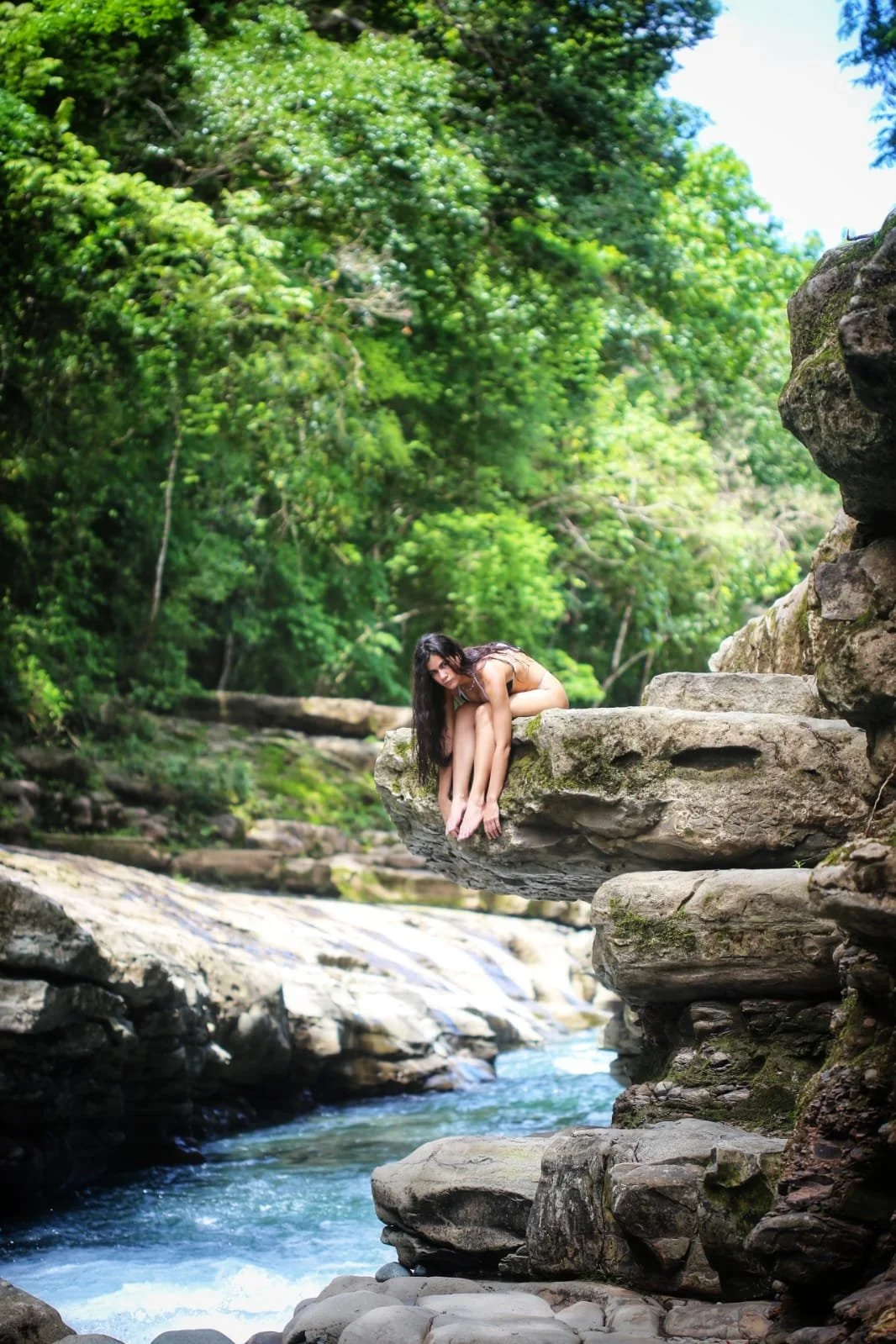
One of the easiest mistakes tourists make when visiting Panama is underestimating the sun. You arrive thinking about beaches, jungles, islands, mountains and cold drinks, and somewhere along the way you forget one very important thing: Panama is close to the equator, and the sun can be seriously strong.
You don't have to be lying on a beach for hours to get burned. You can get plenty of sun while walking around Panama City, exploring Casco Viejo, hiking, swimming, sitting on a boat, visiting an island, watching wildlife or simply enjoying a cold beer outside. Even on days when there are clouds overhead, ultraviolet radiation can still reach your skin.
This catches many visitors by surprise because the temperature doesn't always tell you how strong the sun is. A pleasant breeze can make you feel comfortable while your skin is quietly getting cooked. This is especially true around the coast and on boats, where sunlight can also reflect off the water.
The Caribbean and Pacific coasts can be particularly deceptive. You may spend the afternoon swimming, snorkeling or sitting on the beach and feel completely fine. Then you wake up the next morning looking like a boiled lobster.
And Panama's mountains don't necessarily protect you either. Places such as Boquete, Volcán and Cerro Punta can feel considerably cooler than the lowlands, but cooler temperatures don't mean the sun isn't strong. In fact, being at higher elevation can increase exposure to ultraviolet radiation.
This is why sunscreen should become part of your normal Panama routine rather than something you only remember when you go to the beach.
Put it on before heading outside and remember the areas that tourists frequently forget: the ears, back of the neck, shoulders, tops of the feet and hands. If you're wearing sandals, your feet can get an impressive sunburn while you are completely distracted by everything else happening around you.
If you are going swimming or snorkeling, consider using a water resistant sunscreen and reapply after being in the water. Sweat can also remove sunscreen surprisingly quickly, especially when hiking through the rainforest or exploring during the hotter parts of the day.
A hat is another incredibly simple piece of protection. A wide brimmed hat can keep the sun off your face, ears and neck, while sunglasses can make walking around bright beaches, boats and cities much more comfortable.
And don't forget that getting sunburned isn't just uncomfortable. Excessive ultraviolet exposure can damage the skin over time, so protecting yourself is worth doing even if you normally tan easily.
One of the funny things about travelling in Panama is that visitors often arrive prepared for rain, mosquitoes and jungle insects but completely forget about the giant ball of fire in the sky.
So pack the sunscreen, use it regularly and don't wait until your skin starts turning red to remember it.
You came to Panama to enjoy the beaches, jungle, mountains and sunshine.
Enjoy the sunshine. Just don't become part of it.
One of the easiest mistakes tourists make when visiting Panama is underestimating the sun. You arrive thinking about beaches, jungles, islands, mountains and cold drinks, and somewhere along the way you forget one very important thing: Panama is close to the equator, and the sun can be seriously strong.
You don't have to be lying on a beach for hours to get burned. You can get plenty of sun while walking around Panama City, exploring Casco Viejo, hiking, swimming, sitting on a boat, visiting an island, watching wildlife or simply enjoying a cold beer outside. Even on days when there are clouds overhead, ultraviolet radiation can still reach your skin.
This catches many visitors by surprise because the temperature doesn't always tell you how strong the sun is. A pleasant breeze can make you feel comfortable while your skin is quietly getting cooked. This is especially true around the coast and on boats, where sunlight can also reflect off the water.
The Caribbean and Pacific coasts can be particularly deceptive. You may spend the afternoon swimming, snorkeling or sitting on the beach and feel completely fine. Then you wake up the next morning looking like a boiled lobster.
And Panama's mountains don't necessarily protect you either. Places such as Boquete, Volcán and Cerro Punta can feel considerably cooler than the lowlands, but cooler temperatures don't mean the sun isn't strong. In fact, being at higher elevation can increase exposure to ultraviolet radiation.
This is why sunscreen should become part of your normal Panama routine rather than something you only remember when you go to the beach.
Put it on before heading outside and remember the areas that tourists frequently forget: the ears, back of the neck, shoulders, tops of the feet and hands. If you're wearing sandals, your feet can get an impressive sunburn while you are completely distracted by everything else happening around you.
If you are going swimming or snorkeling, consider using a water resistant sunscreen and reapply after being in the water. Sweat can also remove sunscreen surprisingly quickly, especially when hiking through the rainforest or exploring during the hotter parts of the day.
A hat is another incredibly simple piece of protection. A wide brimmed hat can keep the sun off your face, ears and neck, while sunglasses can make walking around bright beaches, boats and cities much more comfortable.
And don't forget that getting sunburned isn't just uncomfortable. Excessive ultraviolet exposure can damage the skin over time, so protecting yourself is worth doing even if you normally tan easily.
One of the funny things about travelling in Panama is that visitors often arrive prepared for rain, mosquitoes and jungle insects but completely forget about the giant ball of fire in the sky.
So pack the sunscreen, use it regularly and don't wait until your skin starts turning red to remember it.
You came to Panama to enjoy the beaches, jungle, mountains and sunshine.
Enjoy the sunshine. Just don't become part of it.