
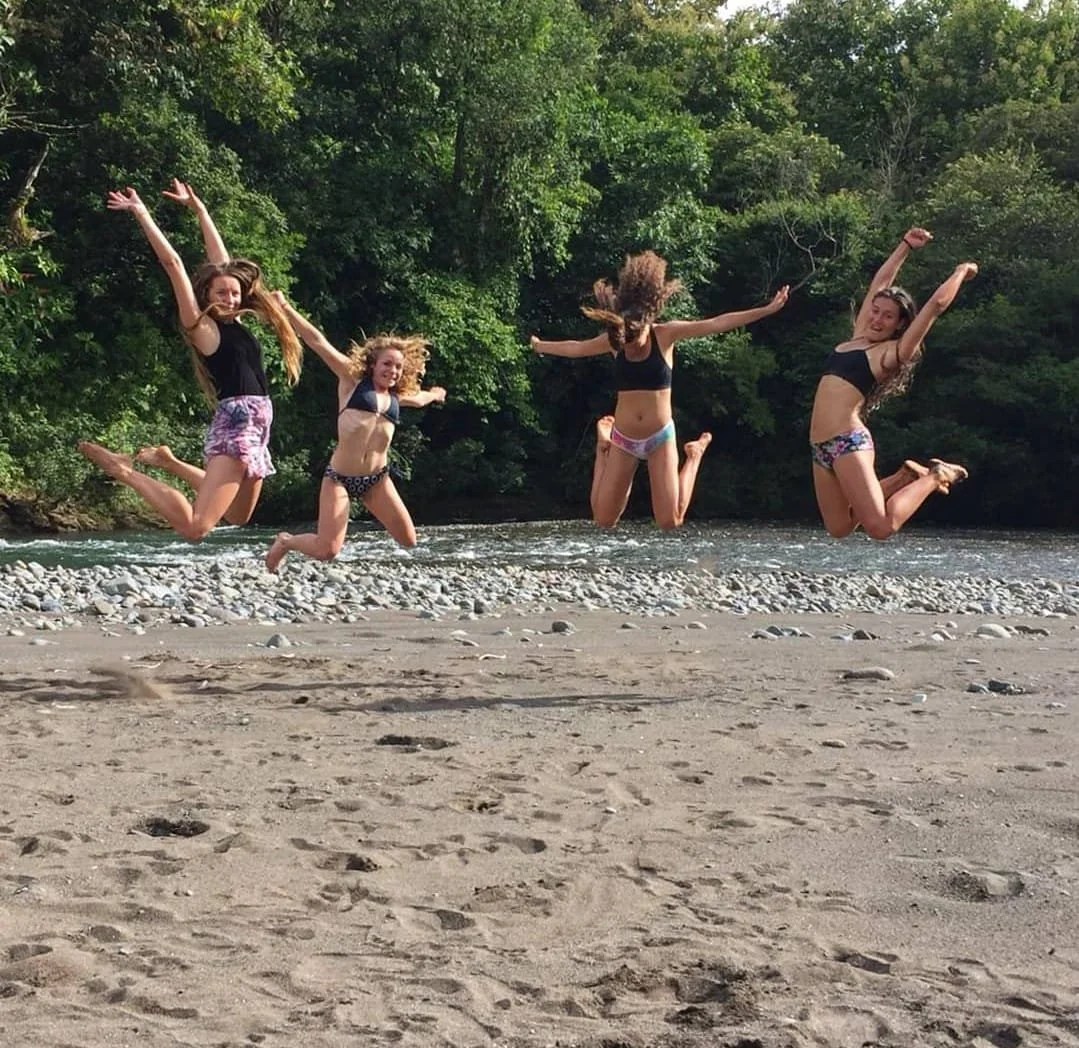
There is something funny about traveling around Panama. You can arrive knowing absolutely nobody, walk into a hostel carrying a backpack, and within a few hours find yourself sitting at dinner with people from Germany, Canada, Australia, France, Argentina and somewhere else you have probably never been. By the next morning, you might have a group to explore with, someone to share a bus with, and three new people following you on Instagram. This is one of the great things about staying in hostels in Panama. They are not simply inexpensive places to sleep. The good ones are social meeting points where travelers naturally find each other.
This is especially true for people traveling alone. Solo travel sounds wonderfully independent when you are planning it at home. You imagine yourself wandering through tropical forests, discovering waterfalls, sitting on beaches and drinking a cold beer while watching the sunset. And all of that can be fantastic. But there is another side to traveling alone. Sometimes you see something incredible and think, "I wish I had someone here to share this with." That is where hostels can completely change the experience. You may arrive alone, but you don't necessarily have to stay alone.
Panama is particularly good for this because it attracts travelers who are moving through the country rather than simply flying into one resort and staying there for two weeks. People are traveling between Panama City, the Pacific coast, the mountains, Bocas del Toro, Boquete, Santa Catalina, Central America and South America. Everyone has somewhere they have just been and somewhere they are going next. That creates an instant conversation starter.
"Where are you going next?"
"Where did you come from?"
"How long are you staying in Panama?"
"Have you been to Bocas?"
"Are you going to Boquete?"
"Did you do the waterfall?"
"Do you want to go?"
That last question is how many hostel adventures begin.
A Hostel Gives You Something Hotels Often Don't
Hotels can be wonderful. You get your own room, your own bathroom, a television, air conditioning and plenty of privacy. But privacy can also make it very easy to disappear.
You arrive at a hotel, check in, take your key, go to your room and close the door. The person in the room next door might be fascinating. They might be traveling around the world for six months. They might be heading to exactly the same place as you tomorrow. They might even become one of your closest friends.
You will probably never know.
A hostel is different because the social areas are part of the experience. You sleep in a shared dorm or stay in a private room, then you come back into the common areas and suddenly there are other people around you. Kitchens, bars, hammocks, terraces, games, shared tables and organized activities all create opportunities for conversation.
The important thing is that you don't necessarily have to be extremely outgoing. You don't have to walk into a room shouting, "Hello everybody, I am looking for friends!"
Thankfully.
Sometimes all it takes is sitting down.
Someone asks where you're from.
You answer.
You ask them where they're from.
Five minutes later you're talking about Panama.
Twenty minutes later you're comparing travel plans.
An hour later you're discussing whether you should all go to a waterfall together tomorrow.
This is the magic of a genuinely social hostel.
Lost and Found Hostel Is a Perfect Example
A great example in Panama is Lost and Found Hostel in the mountains of Chiriquí, between the David and Bocas del Toro areas. It is a very unusual hostel because it isn't located in the middle of a city or tourist town. It is surrounded by forest, mountains and wildlife, and guests have shared spaces, activities, trails, hammocks, games, a jungle bar and communal meals. Current Hostelworld reviews rate the hostel particularly highly for atmosphere, staff, location and value, with an overall rating of 9.8 based on more than 700 reviews.
That environment naturally encourages people to interact.
Imagine arriving at Lost and Found by yourself. You have your backpack, your phone, probably some dirty laundry and absolutely no idea who anyone else is. You find a hammock, sit down and look around. Someone nearby is talking about the waterfall. Someone else is trying to figure out where to go tomorrow. Another traveler has just arrived from Bocas. Somebody is playing cards. Someone else is drinking a beer and telling a ridiculous story about something that happened three countries ago.
You don't need to manufacture a social experience.
It is already happening around you.
And then there is dinner.
The Power of Eating Together
Food might be one of the easiest ways in the world to make people socialize.
Put twenty travelers around separate tables in a restaurant and they are probably going to stay with their own groups.
Put twenty travelers around one shared table and something completely different happens.
People start talking.
At Lost and Found, the evening family dinner is specifically designed as a communal experience, giving travelers an opportunity to sit together and get to know each other. The hostel also has a social jungle bar and common areas where people continue hanging out afterward.
This is much more important than it sounds.
A traveler who might have spent the evening alone in a hotel room is suddenly sitting beside someone from Sweden, across from someone from the United States and next to somebody from France. Within half an hour everyone knows where everyone has been, where they are going and what they are thinking about doing tomorrow.
Then somebody says, "We're going to the waterfall in the morning."
Someone else says, "Can I come?"
Another person says, "Me too."
And suddenly you have a group.
That is one of the great advantages of hostel travel.
Hostels Turn Solo Travel Into Group Travel
One of the most interesting things about hostels is how quickly a group can form.
You don't necessarily arrive intending to make friends. You might actually want to spend the day alone. Then you meet someone who is going in the same direction. They introduce you to someone else. That person knows another traveler. Suddenly five people are planning an adventure together.
This happens constantly in backpacker travel because everybody is operating with a certain amount of flexibility.
A person might say, "I was going to leave tomorrow, but everyone is going hiking, so I'll stay another night."
Someone else might say, "I wasn't going to Bocas until Friday, but these guys are going Wednesday."
And suddenly the itinerary changes.
This is one reason hostels can be such an important part of a Panama backpacking trip. The best memories often aren't the things you carefully planned months in advance. They are the things that happened because somebody said, "Hey, do you want to come?"
The Activities Make It Even Easier
A social hostel does not necessarily mean a party hostel.
That distinction is important.
Some travelers want to meet people but have absolutely no interest in drinking until three in the morning. They want adventure, nature, conversation and maybe a few beers afterward.
That is another reason a place like Lost and Found works so well.
The activities give people something to do together. Hiking, waterfalls, treasure hunts, games, wildlife spotting and exploring the surrounding forest all provide natural reasons for people to interact. The hostel's location inside the forest also means that the environment itself becomes part of the social experience.
Going for a hike with strangers is surprisingly effective.
At the beginning, you might barely know their names.
Twenty minutes later, you're talking about travel.
An hour later, you're talking about relationships.
By the time you get back, somebody knows your entire life story.
That's hostel mathematics.
The Friends You Make Can Continue Traveling With You
Perhaps the most valuable thing about meeting people in hostels is that the friendship doesn't necessarily end when you check out.
You might meet someone in Panama City and discover they are heading toward the Caribbean.
You meet another traveler in Boquete who is going to Bocas.
You meet somebody at Lost and Found who is traveling in the same direction as you.
Suddenly your journey becomes a moving group.
People share transportation.
They recommend places.
They send each other hostel names.
They meet again in another country.
Someone you met for two days in Panama might show up three weeks later in Costa Rica.
Someone you met in the jungle might eventually visit you in another part of the world.
That is something hotels rarely create because the social structure simply isn't there.
Lost and Found Shows Why Location Can Actually Help
Lost and Found is particularly interesting because being remote is part of what makes it social.
You aren't surrounded by a shopping mall, dozens of restaurants and nightlife options where everyone can disappear into their own little world. You are in the mountains, surrounded by nature, and the hostel itself becomes the gathering point.
That means people naturally spend more time in the same areas.
Someone is sitting in a hammock.
Someone is playing a game.
Someone is eating.
Someone is planning tomorrow's hike.
Someone is watching hummingbirds.
Someone is having a beer.
And eventually all those little groups overlap.
The result is a strange little temporary community.
People arrive as strangers and, for a few days, live together.
That is one of the most beautiful things about hostel travel.
You Don't Have to Be Young to Enjoy a Hostel
There is also a misconception that hostels are exclusively for eighteen year olds with enormous backpacks and absolutely no idea what they are doing.
That is becoming increasingly outdated.
Hostels attract people in their twenties, thirties, forties, fifties and beyond. Some are taking a gap year. Some are retired. Some are traveling between jobs. Some have sold everything. Some are on vacation. Some are simply curious about the world.
The common denominator isn't age.
It's attitude.
If you're willing to talk to people, share an experience and occasionally sit down beside a stranger, hostels can be incredibly rewarding.
And in a place like Lost and Found, the nature and adventure side of the experience gives people another reason to connect beyond partying.
Why People Remember the People More Than the Bed
Ask someone years later about an amazing hostel experience and they probably won't remember exactly what their mattress looked like.
They'll remember the people.
They'll remember the person they met at dinner.
They'll remember the group that went hiking.
They'll remember the ridiculous game.
They'll remember sitting in a hammock talking for three hours.
They'll remember the person who convinced them to stay another night.
They'll remember the stranger who became a travel companion.
They'll remember the night everyone ended up sitting together talking about life, travel and completely ridiculous things.
That is the real value of a great hostel.
You aren't just paying for a bed.
You're buying yourself the opportunity to be around people.
And sometimes that opportunity turns into something much more valuable than accommodation.
Panama Is Made for Hostel Travel
Panama has beaches, mountains, jungle, islands, wildlife, surfing, diving, hiking, cities and an enormous variety of travelers passing through. That makes it particularly well suited to hostel travel.
You can spend a few nights in Panama City, head toward the Pacific, travel through the mountains, continue toward Bocas del Toro and keep meeting completely different groups of travelers along the way.
The hostel becomes part of the transportation network of backpacking culture.
You arrive somewhere.
You meet people.
They tell you where they came from.
They tell you where they are going.
You exchange recommendations.
You change your plans.
And then you move on.
This is how backpacking used to work before every travel decision could be researched to death on a phone.
And honestly, it is still a pretty good way to travel.
The Best Part Is That You Don't Know Who You Are Going to Meet
That's probably the biggest reason hostels are such a great way to meet people in Panama.
You have no idea who is going to walk through the door tomorrow.
It could be someone from Brazil.
Someone from Denmark.
Someone from Australia.
Someone from Canada.
Someone from Panama.
Someone who has been traveling for six months.
Someone who has never traveled alone before.
Someone who is supposed to leave tomorrow but suddenly decides to stay another three days.
That unpredictability is part of the fun.
At Lost and Found, the combination of jungle, adventure, communal meals, games, hammocks and shared spaces creates exactly the sort of environment where those random meetings happen naturally. The hostel's own recent guest feedback repeatedly highlights its social atmosphere, friendly staff, family dinners and the combination of nature and activities.
And sometimes the person sitting beside you at dinner turns out to be the person you spend the next month traveling with.
Sometimes they become a lifelong friend.
Sometimes they become a great story.
And occasionally, if you're lucky, they become both.
Hostels Are About More Than Saving Money
Yes, hostels are usually cheaper than hotels.
That matters, especially for backpackers traveling through Panama.
But the biggest advantage isn't necessarily the price.
It is the human connection.
You can stay in a beautiful hotel and have an excellent vacation.
Or you can stay in a hostel and have an experience that changes the entire direction of your trip.
You might arrive alone.
You might leave with five new friends.
You might arrive with a carefully organized itinerary.
You might leave wondering how you somehow ended up spending three extra days in the jungle.
And that is exactly why hostels remain such an important part of backpacking through Panama.
You can book a hotel and get a room. You can book a hostel and sometimes get a story.
And in a country like Panama, where so many travelers are moving through the same amazing places, those stories can become some of the best memories you take home.