
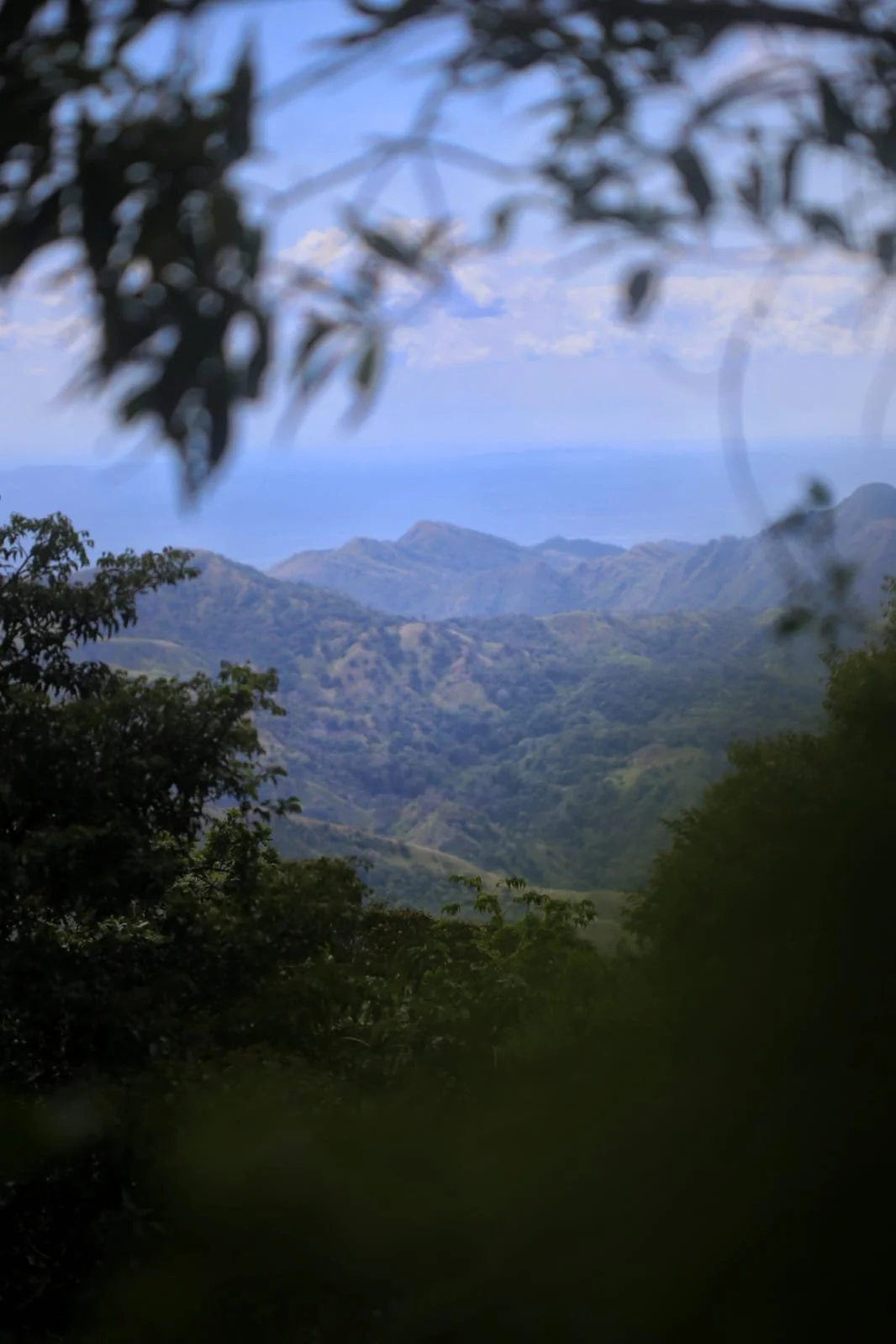
If you are traveling through Panama and want a place that feels like a genuine adventure rather than another stop on the standard tourist route, put Pedasí and Isla Iguana on your list. Pedasí is one of those towns that is surprisingly easy to overlook. It does not have the international fame of Bocas del Toro, the mountains of Boquete or the surfing reputation of Santa Catalina, but that is precisely part of its charm. It is a relaxed little town on the Azuero Peninsula with beaches, wildlife, fishing, surfing, whale watching and access to one of Panama's most interesting small islands.
And the best part is that getting to Isla Iguana does not require an expensive organized package or some complicated expedition. The basic formula is wonderfully simple: stay in Pedasí, get yourself to Playa El Arenal, find a boat captain, negotiate your trip, and head across the Pacific.
Isla Iguana lies roughly 5 kilometers offshore from the Pedasí area and the boat crossing from El Arenal takes around 15 to 20 minutes in normal conditions. The island itself covers about 58.5 hectares, while the protected wildlife refuge covers 651 hectares and includes surrounding marine habitat. More than 40 hectares of coral reef surround the island, with 17 recorded reef building coral species. The waters contain more than 347 species of fish, making the underwater world arguably even more impressive than the island itself.
First, stay in Pedasí
The biggest mistake would be treating Pedasí as somewhere you simply drive through on the way to Isla Iguana.
Stay there.
Pedasí is an underrated little base for exploring this part of Panama. It has restaurants, small hotels, guesthouses, shops and a relaxed local atmosphere, while the coast is only a short drive away. Playa El Arenal, the main departure point for Isla Iguana, is only about five minutes from the town.
This makes Pedasí much more convenient than trying to turn Isla Iguana into a frantic day trip from somewhere much farther away.
It also gives you flexibility. You can spend one day on Isla Iguana, another exploring the beaches around Pedasí, another looking for whales during the appropriate season, and another simply doing absolutely nothing, which is sometimes the most underrated activity in Panama.
Pedasí is also close to beaches such as El Toro, El Lagarto, Los Destiladeros and others, giving you plenty of options when you are not on the island.
How to find your own boat to Isla Iguana
This is where the adventure becomes more interesting.
You do not necessarily need to arrive in Pedasí with a fancy excursion package already booked. Boats leave from El Bajadero at Playa El Arenal, and the official Isla Iguana information specifically recommends arranging a boat directly with local boatmen operating from this beach. The crossing normally takes around 15 to 20 minutes depending on the weather and sea conditions.
So if you like traveling independently, one of the best approaches is to stay in Pedasí and ask locally about boats to Isla Iguana.
Go to Playa El Arenal.
Look around.
Talk to the people operating the boats.
Ask about the sea conditions.
Ask what time they recommend leaving.
And most importantly, agree on exactly what you are paying for before getting into the boat.
You can also arrange a boat ahead of time. The Isla Iguana visitor information currently lists several local boatmen operating from El Bajadero, as well as a local tour operator.
If you prefer an established operator rather than arranging a boat yourself, there are also local businesses around Playa El Arenal offering Isla Iguana trips, including Pedasi Trips and Pedasi Adventures with Capitan Cafeto Tours.
But if you are the type of traveler who likes figuring things out yourself, I actually like the local boat approach better. It feels less like buying a packaged attraction and more like discovering how people in the area actually get to the island.
Just remember that the ocean is not a bus schedule. If conditions are rough, do not pressure a captain to leave simply because you have already paid.
What kind of boat should you expect?
The boats are generally small open pangas rather than enormous tourist vessels. The Isla Iguana visitor information describes the local boats as approximately 7.6 meter, 25 foot pangas equipped with life jackets.
That is exactly the kind of boat you want for this sort of trip.
You are not crossing an ocean liner.
You are jumping into a small boat on the Pacific and heading toward a tropical island sitting on the horizon.
Wear the life jacket when instructed, protect your phone and camera from salt water, bring sunscreen and expect to get wet if the sea is lively.
Before you leave Pedasí
Do not arrive at the beach expecting to buy everything on the island.
There are no hotels and no restaurants on Isla Iguana, and snorkeling equipment is not rented on the island. You should bring your own mask, snorkel and fins if you want to explore the reef. The official visitor information also recommends suitable sun protection and clothing for snorkeling.
Bring water.
Bring food.
Bring sunscreen.
Bring snorkeling equipment.
Bring a towel.
Bring something waterproof for your phone.
And bring a bag for your garbage.
The island is beautiful partly because it has not been turned into a giant beach resort. Don't arrive expecting a beach bar, souvenir shop or restaurant serving ceviche at noon.
That is not what Isla Iguana is.
Your first view of Isla Iguana
The crossing is short, but it feels like a proper little expedition.
As you leave Playa El Arenal, Pedasí gradually disappears behind you. The island becomes larger ahead of you and the Pacific changes color as you approach the reef.
Then suddenly you are there.
White sand.
Turquoise water.
Dry tropical forest.
Rocky shoreline.
Birds overhead.
And almost certainly a few iguanas watching you as if you are the one who has arrived at the wrong address.
The island gets its name from its terrestrial iguanas, and reptiles are one of the things that make the island interesting. But they are only one part of a much bigger ecological story.
Explore both beaches
Isla Iguana has two principal beaches, El Cirial and Playita del Faro. They are connected by a short trail through the island.
Do not make the mistake of arriving, putting your towel down and spending the entire day on the first beach you see.
Explore.
Walk the trail.
Look into the vegetation.
Watch the rocks.
Look up at the birds.
Listen for movement in the dry forest.
The island is small enough that you can explore it without needing an expedition guide, but large enough that wandering around gives you a much better appreciation of what is actually here.
The real treasure is underwater
This is probably the most important thing to understand about Isla Iguana.
The beach is beautiful, but the reef is the real attraction.
More than 40 hectares of coral reef surround the island, with 17 species of reef building corals recorded. The surrounding waters contain more than 347 species of fish.
That means you should not come here simply to lie on the sand.
Bring a mask.
Get into the water.
Move slowly.
Look underneath the surface.
You may find yourself surrounded by schools of tropical fish, coral formations and other marine life within surprisingly shallow water.
The lagoon area in front of El Cirial is specifically highlighted as one of the places to explore, with a reef wall and shallow water suitable for seeing corals and fish.
The underwater landscape also explains why Isla Iguana is so important. The reef is not just pretty scenery for tourists. It is part of a much larger marine ecosystem that supports fish populations and local fisheries.
There is an incredible amount of wildlife here
The official Isla Iguana information lists 62 bird species, more than 200 marine invertebrates, six terrestrial reptile species, three sea turtle species and seven marine mammal species associated with the refuge.
That is an extraordinary amount of biodiversity for such a small island.
And then there are the birds.
One of the most spectacular is the magnificent frigatebird. Isla Iguana is an important nesting site for seabirds and is particularly famous for its frigatebird colony. During breeding season, male frigatebirds inflate their enormous red throat pouches, creating one of the strangest and most spectacular bird displays you can see in Panama.
Look up regularly.
Seriously.
The island can look completely different when you stop staring at the beach and start watching the sky.
Watch the iguanas
The island's namesake deserves some attention too.
Iguanas are often surprisingly good at pretending they are statues. You can walk past one sitting on a rock and it may barely move.
Don't chase them.
Don't feed them.
Just watch.
They are part of the natural experience, and the island is much more interesting when you treat the wildlife as something to observe rather than something to interact with.
The whales are another reason to visit
Isla Iguana is also located in waters visited by humpback whales. The surrounding Pacific becomes particularly interesting during the whale migration season, when humpbacks arrive in Panama's Pacific waters.
The island's own information notes that humpback whales visit the region to give birth and teach their young to dive.
The best period for whale watching in this part of Panama is generally during the middle and latter part of the year, particularly around July through October. August and September can be especially interesting.
This means that a boat trip to Isla Iguana can potentially become much more than an island excursion.
You could be heading toward the island looking for coral and fish and suddenly see a gigantic whale surface nearby.
Or a pod of dolphins.
Or a sea turtle.
Or something else entirely.
That is one of the great advantages of exploring Panama's Pacific coast.
The dry forest is important too
Isla Iguana is not simply a tropical beach island.
It is covered by tropical dry forest, which is a completely different environment from the wet rainforest that many travelers associate with Panama.
Dry forest has its own character. During wetter periods it can become surprisingly green, while during the dry season the vegetation can look much more adapted to heat and limited rainfall.
That makes Isla Iguana especially interesting for travelers who want to understand just how diverse Panama's ecosystems are.
You can leave a humid rainforest destination and, not that much farther away, be standing on an island surrounded by dry tropical forest and coral reefs.
Same country.
Completely different environment.
When should you go?
The island can be visited throughout the year, but conditions matter enormously.
The Pacific dry season, particularly roughly December through early April, can bring stronger winds and rougher seas that can make the crossing more difficult and reduce underwater visibility. During the wetter part of the year, calmer Pacific conditions can sometimes make snorkeling particularly enjoyable.
But there is an important distinction between rain and bad weather.
Rain does not necessarily ruin an Isla Iguana trip.
Strong wind and rough seas are much more important.
A cloudy morning with calm water can be fantastic.
A beautiful sunny day with powerful wind can be a completely different story.
So ask your boat captain about the ocean rather than simply checking whether it is going to rain.
Check conditions before you go
This is not a place where you should simply show up regardless of conditions.
Isla Iguana has occasionally been temporarily closed when strong winds and rough Pacific seas make the boat crossing unsafe.
Your captain will generally have a good understanding of local sea conditions, but check current access information before leaving as well.
The ocean gets the final vote.
You need to pay the protected area entrance fee
Because Isla Iguana is a protected wildlife refuge, visitors are required to pay the applicable entrance fee under Panama's protected area system. Current visitor information specifically advises travelers to arrange the required payment before visiting and carry proof of payment.
Don't think of this as an annoying extra charge.
You are visiting a protected ecosystem containing coral reefs, birds, reptiles, fish, marine mammals and other wildlife.
Your entrance contribution is part of visiting a protected natural area.
There are rules, and they make sense
There are some important restrictions on the island. Alcohol consumption, smoking and loud music are prohibited. The idea is pretty simple: you are visiting a wildlife refuge, not arriving at a beach nightclub.
That is actually one of the reasons the place is so enjoyable.
You can hear the ocean.
You can hear birds.
You can hear the wind.
And if someone suddenly sees an iguana, you do not have to shout over a Bluetooth speaker to hear about it.
Don't turn the reef into your souvenir shop
The coral is alive.
The shells and animals are part of the ecosystem.
Don't take pieces of coral home.
Don't collect animals.
Don't stand on coral.
Don't chase turtles.
Don't touch marine life simply because you can.
And be particularly careful with your fins while snorkeling because it is surprisingly easy to kick coral without realizing it.
The best souvenir from Isla Iguana is a ridiculous number of photographs and a slightly sunburned nose.
Not a piece of reef in your backpack.
How I would do Isla Iguana
If I were planning the trip for someone who wanted the full experience rather than simply ticking Isla Iguana off a list, I would stay in Pedasí for at least two or three nights.
On the first day, settle into Pedasí and explore the town and nearby beaches.
On the second morning, go to Playa El Arenal early and arrange your boat to Isla Iguana. Bring your own snorkeling equipment, plenty of water, food, sunscreen and something waterproof for your valuables.
Take the short boat ride across.
Explore both beaches.
Walk the island.
Look for iguanas.
Spend time watching the frigatebirds.
Then get into the water and spend as much time as conditions allow exploring the reef.
Keep an eye on the open Pacific for dolphins and whales.
And don't rush back.
One of the great things about a place like Isla Iguana is simply sitting on the beach for a while and realizing that you are on a small protected island in the Pacific, several kilometers from the mainland, with almost nothing around you except ocean, forest, birds and reef.
Then, when it is time, meet your captain and make the trip back to Playa El Arenal.
Why Pedasí is the perfect base
This is really the part I think many travelers miss.
Isla Iguana is not the destination. Pedasí is the base for discovering an entire corner of Panama.
You have Isla Iguana offshore.
You have beaches in almost every direction.
You have surfing.
You have fishing.
You have whales during the right months.
You have sea turtles.
You have dry forest.
You have wildlife.
You have small local restaurants and hotels.
And you have a town that still feels considerably more relaxed than Panama's major tourist destinations.
That makes Pedasí a great place to slow down for a few days instead of racing from one famous destination to the next.
Panama is full of places that travelers know because everyone talks about them.
Pedasí is interesting because it is one of those places where you can still feel like you discovered something yourself.
And then there is Isla Iguana sitting offshore, looking almost too perfect to be real.
Find a boat at El Arenal, cross the Pacific, explore the beaches, put your face underwater and discover the reef. Look up at the frigatebirds, look out toward the horizon for whales and dolphins, and keep an eye on the rocks for the island's namesake iguanas. Then go back to Pedasí for the evening and start planning what you are going to explore tomorrow.
That is the beauty of this part of Panama. You don't really need a complicated itinerary.
You just need to get there.