
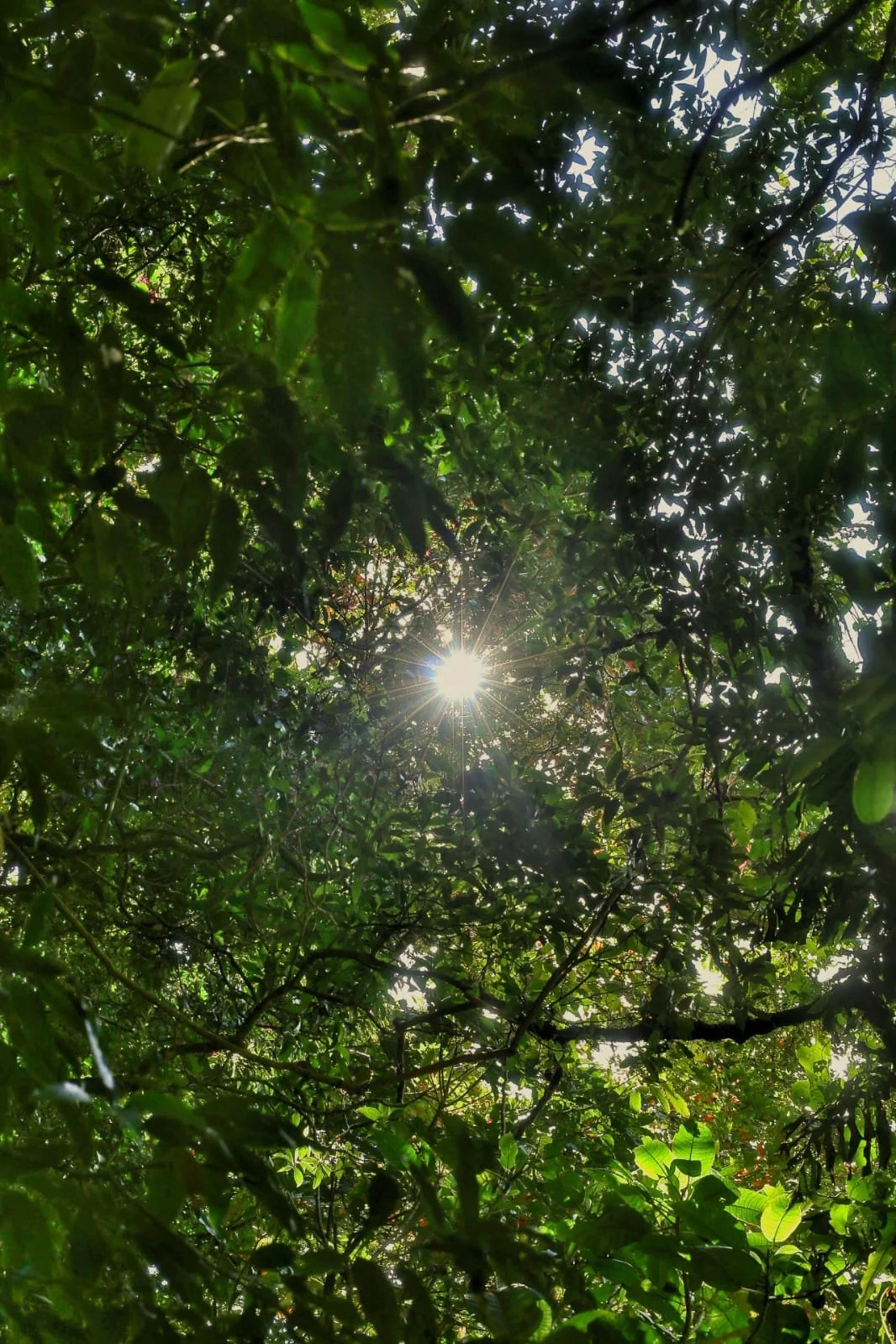
Travel has a way of magnifying attitude. The same place can feel magical or miserable depending on the mindset you bring with you. When backpacking through places like Panama, staying positive isn’t just a personality trait — it’s a travel skill. The landscapes, people, and moments that define a journey reveal themselves most clearly when you’re open to them.
One of the quickest ways a trip loses its spark is by absorbing constant negativity from others. Every destination has travelers who focus on what’s missing instead of what’s present — the room isn’t perfect, the weather isn’t ideal, the schedule isn’t convenient. Spending time with that energy can quietly reshape your own experience. Positivity, on the other hand, tends to spread just as easily.
Backpacking invites you into unfamiliar environments, and that’s exactly where growth happens. Embracing new cultures means accepting differences in pace, comfort, and daily rhythm. Meals may take longer, transportation may be simpler, and conversations may be more spontaneous. Those differences aren’t inconveniences — they’re the experience itself.
Expecting every destination to feel like home can create unnecessary frustration. Not every place has climate-controlled spaces, perfectly smooth roads, or predictable schedules. In tropical mountain regions or coastal villages, nature sets the conditions. Learning to adapt — to humidity, rain, heat, or cool mist — transforms discomfort into discovery.
This mindset becomes especially meaningful in nature-centered destinations like Lost and Found Hostel, where the environment shapes daily life. The cloud forest doesn’t operate on convenience, and that’s part of its beauty. Travelers who arrive curious tend to leave inspired, while those expecting polished perfection often miss what makes the place unique.
Negative reviews often reflect mismatched expectations rather than actual problems. Some travelers judge destinations by how closely they mirror familiar comforts. When reality differs, frustration can turn into criticism. But travel isn’t about replication — it’s about encountering something new on its own terms.
Choosing positivity also means choosing engagement. Ride local buses, talk with residents, explore beyond curated spaces. These moments build connection and perspective. The more you participate, the less small inconveniences matter, because the experience becomes richer than the discomfort.
Travelers who focus on appreciation often discover more than those who focus on critique. A simple view, a shared meal, or a quiet trail can become memorable when approached with curiosity. Positivity doesn’t mean ignoring challenges — it means deciding that they won’t define the journey.
Encouraging others to travel with openness can help shift the atmosphere for everyone. Share stories of discovery rather than complaints. Celebrate places for what they are instead of what they lack. A supportive travel community makes destinations more welcoming for both visitors and locals.
Ultimately, travel rewards attitude as much as location. If you approach the journey ready to adapt, learn, and explore, even simple moments become meaningful. Stay positive, embrace the unfamiliar, and let the experience shape you. If the goal is perfect control, staying home might feel easier — but if the goal is growth, the world is waiting.