
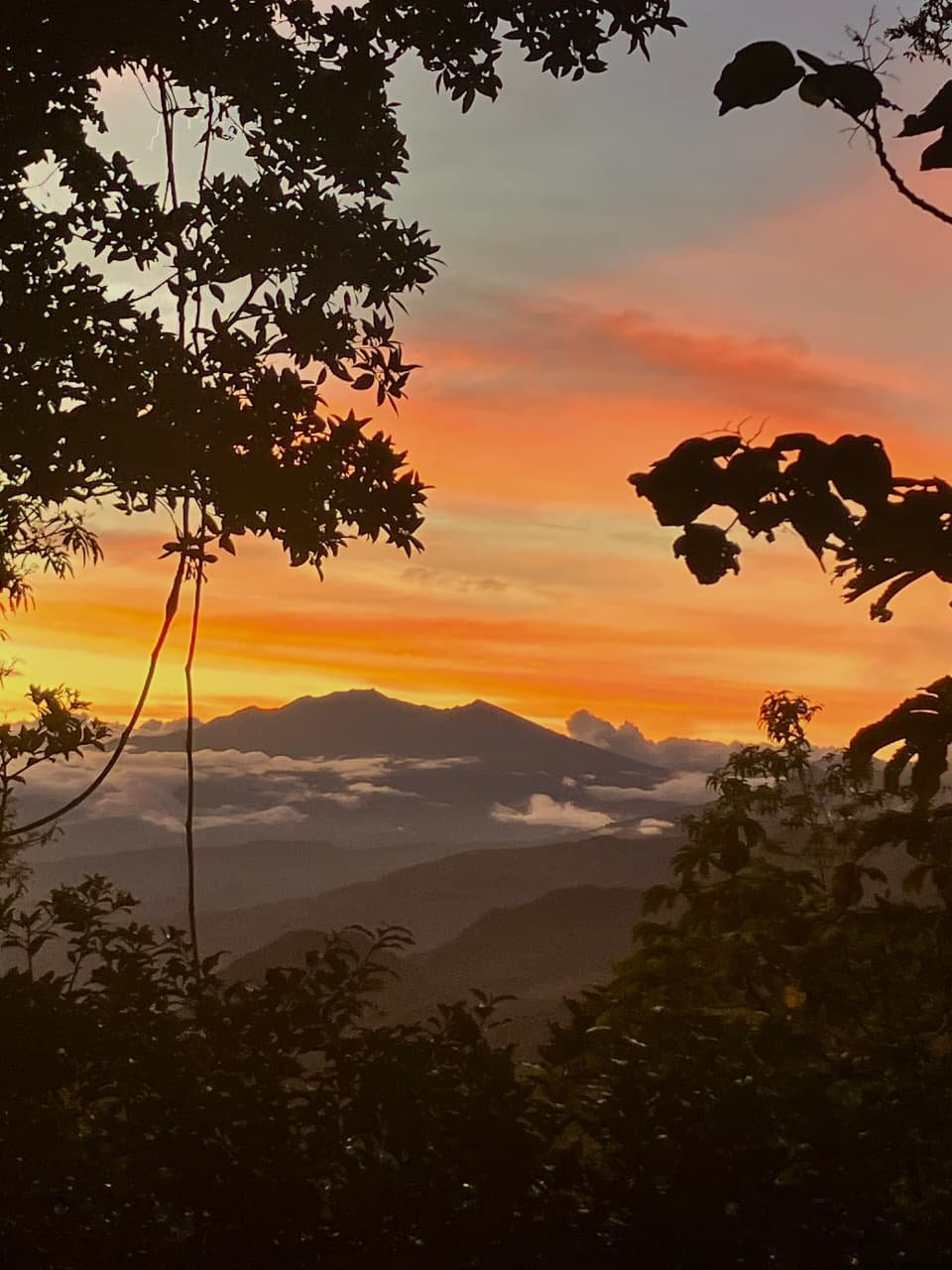
Tucked into Panama’s western highlands, the neighboring towns of Volcán and Cerro Punta remain some of the country’s most underrated mountain destinations. While many travelers head straight to Boquete, these quieter communities offer equally dramatic scenery, cooler temperatures, and a deeper sense of rural authenticity. For travelers who value nature over crowds — a vibe that fits perfectly with your jungle-hostel world — this region feels refreshingly undiscovered.
One of the biggest reasons these towns are overlooked is simple visibility. Tourism marketing in Panama heavily highlights Boquete’s coffee culture and established infrastructure, leaving Volcán and Cerro Punta in the background. Yet the landscapes here are just as striking, with wide valleys, forested slopes, and sweeping views of the highlands that feel more open and expansive than their more famous neighbor.
Both towns sit near the base of Volcán Barú, Panama’s tallest mountain and a defining feature of the region. The volcano shapes everything here — from fertile soils and rolling terrain to dramatic weather patterns. On clear days, the views of the mountain rising above the landscape create a powerful sense of scale that rivals any destination in the country.
Agriculture also gives the area a distinct character. Cerro Punta, in particular, is known as Panama’s vegetable basket, where cool temperatures allow farmers to grow crops rarely seen elsewhere in the tropics. The patchwork of fields, greenhouses, and mountain backdrops creates a landscape that feels more Andean than Central American — a visual surprise many visitors never expect.
Another reason the region deserves more attention is its proximity to La Amistad International Park, one of Central America’s most important protected ecosystems. This UNESCO-listed reserve protects vast tracts of cloud forest and supports extraordinary biodiversity. Trails in the area provide access to pristine environments that feel far removed from conventional tourism routes.
The climate itself is part of the appeal. At higher elevations, temperatures remain cool and fresh year-round, offering relief from Panama’s coastal heat. Mist often drifts across hillsides, creating a moody atmosphere similar to the cloud forest environments you appreciate around your own hosting experience near the continental divide. It’s a setting that invites slow exploration rather than rushed sightseeing.
Volcán and Cerro Punta also reward travelers with space and silence. Roads are quiet, viewpoints are uncrowded, and many hikes feel personal rather than shared. This sense of openness is increasingly rare in popular destinations, making the region especially appealing for hikers, photographers, and anyone seeking immersion in nature.
Culturally, the towns reflect a slower, more traditional rhythm of life. Small local restaurants, family farms, and modest guesthouses offer a grounded experience of highland living. Instead of tourism shaping the environment, daily life continues much as it always has — something many visitors find unexpectedly meaningful.
For travelers exploring western Panama, these towns also serve as a gateway between ecosystems. From high-altitude farmland and cloud forest to protected wilderness and volcanic landscapes, the variety within short distances is remarkable. The diversity mirrors the ecological contrasts you’ve been highlighting across Panama’s nature destinations.
Ultimately, Volcán and Cerro Punta remain underrated not because they lack beauty, but because they quietly preserve it. They offer a version of Panama defined by altitude, agriculture, and wilderness rather than popularity. For those willing to venture beyond the obvious stops, the reward is a highland experience that feels authentic, spacious, and deeply connected to the natural character of Chiriquí.