
Hostel prices in Panama vary widely depending on location, amenities, and the kind of experience a traveler wants. In major hubs like Panama City or popular beach destinations, dorm beds can range from budget-friendly basics to surprisingly upscale stays. For backpackers used to simple bunks and shared kitchens, Panama can feel like a place where the definition of a “hostel” stretches in every direction.
One noticeable trend is that some properties labeled as hostels function more like boutique hotels that happen to include a dorm room or two. These places often feature stylish private rooms, curated decor, pools, and restaurant-style dining. While they may offer social spaces, the overall feel leans closer to a small hotel than a traditional backpacker hostel. Prices at these hybrid properties naturally reflect the upgraded comfort and design.
At the other end of the spectrum are simple, budget-focused hostels that prioritize affordability above all else. These typically offer basic dormitories, shared bathrooms, and minimal extras. For travelers who mainly want a place to sleep between adventures, these hostels provide solid value — but amenities like workspaces, common lounges, or organized activities may be limited.
A growing number of newer hostels in Panama have also moved away from providing guest kitchens. Rising food safety standards, staffing costs, and business models centered around on-site cafés or restaurants have contributed to this shift. While convenient for some travelers, the absence of a kitchen can increase daily travel costs for budget-conscious backpackers who prefer to cook their own meals.
Location plays a major role in pricing as well. Urban hostels in Panama City may charge more due to demand and operating costs, while beach and island hostels price according to tourism seasons. Remote jungle or mountain accommodations, especially those surrounded by protected nature, often charge significantly higher rates because of logistics, transport, and limited infrastructure.
That’s where Lost and Found Hostel sits in a unique position within the market.
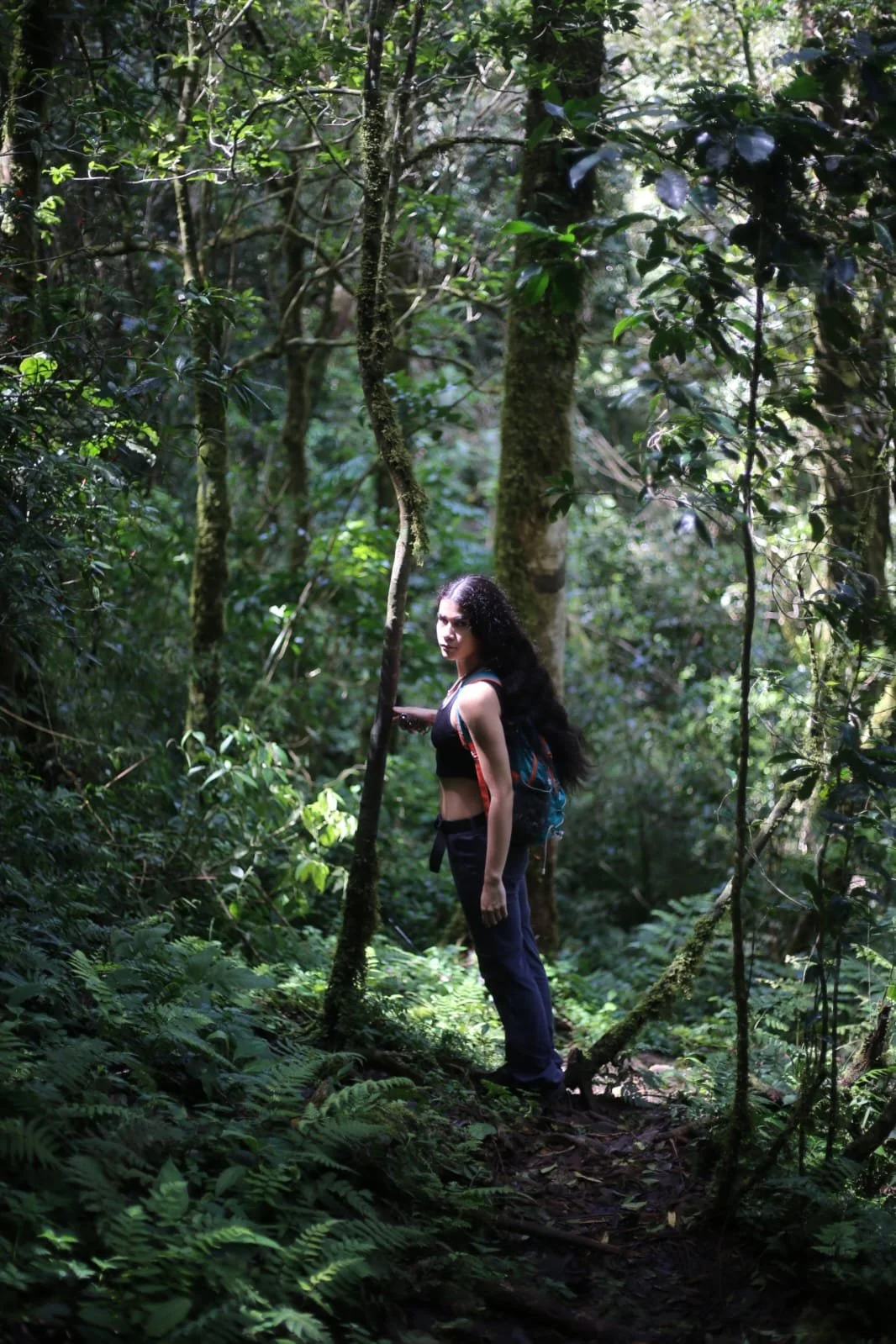
Nestled in the highlands near Boquete with direct access to forest trails, it offers a nature-immersed experience without the premium price tag typically associated with remote eco-lodges. Many secluded lodges in Panama charge much higher nightly rates due to transportation challenges and exclusivity, but Lost and Found maintains a middle-ground pricing approach that remains accessible to backpackers.
In terms of facilities, the hostel also lands comfortably between bare-bones and luxury. Guests find social spaces, nature access, and a community atmosphere without the polished, hotel-like feel of upscale boutique hostels. For travelers seeking a balance between comfort and authenticity, that combination can be especially appealing.
Another factor influencing perceived value is the experience beyond the bed. Remote hostels often serve as gateways to hiking, wildlife viewing, and immersion in nature. When those experiences are included through location alone — such as trail networks starting at the property — the overall value increases compared to accommodations where activities require additional transport and fees.
For backpackers traveling through Panama, understanding these differences helps set realistic expectations. A higher price does not always mean a more social environment, and a lower price does not always mean fewer memorable experiences. The type of hostel matters as much as the price.
Ultimately, Panama’s hostel scene reflects the country itself — diverse, evolving, and shaped by both tourism demand and natural geography. From urban boutique hostels to jungle retreats, travelers can find a wide range of price points and styles. For those looking for strong value in a remote natural setting, places that balance cost, facilities, and access — like Lost and Found — stand out as a compelling choice.