
Mold is a constant companion in Panama’s tropical climate, and anyone living here for more than a few weeks quickly learns that it is less an emergency and more an environmental reality to manage. Heat, humidity, and frequent rain create ideal conditions for spores to grow on almost any surface, from leather shoes to wooden furniture to the corners of bathroom ceilings. Visitors from drier climates are often surprised by how fast it appears, but locals treat it as something to stay ahead of rather than something to fear.
The key reason mold thrives in Panama is the year-round moisture in the air. Even in the so-called dry season, humidity can remain high enough to support growth inside homes. Buildings breathe differently here than in temperate countries, and many structures are designed for airflow rather than sealed insulation. That openness helps with cooling but also means moisture moves freely indoors.
New arrivals often notice mold first on clothing or backpacks stored in closed spaces. Fabric that sits unused in a drawer or suitcase can develop a musty smell in days. This is not a sign of poor hygiene or neglect but simply a reflection of how active the environment is. People adapt by rotating items frequently and allowing air circulation.
Leather goods require special attention because they absorb moisture quickly. Shoes, belts, and bags can develop white or green patches if stored in dark closets. Many residents use silica packets, dehumidifier boxes, or regular sunlight exposure to keep items dry. These small habits become routine, like checking the weather before hanging laundry.
Homes in Panama often emphasize ventilation over airtightness. Windows, louvers, and open-air design help release trapped heat but also invite humidity indoors. Air conditioning reduces moisture, but running it constantly is expensive and not always practical, especially in mountain regions where temperatures are cooler but humidity still lingers.
Bathrooms are a common place to see mold because of constant moisture and limited airflow. Regular cleaning and airflow management make a big difference. Many households simply incorporate mold prevention into normal weekly cleaning routines, the same way dusting is routine elsewhere.
In the western world, mold has recently become a highly publicized concern, often framed as a hidden danger in homes. In tropical countries like Panama, however, people have long lived with it as a manageable environmental factor. Awareness is important, but perspective matters too. The presence of mold does not automatically mean a space is unsafe or unlivable.
Panamanians tend to approach mold practically rather than emotionally. If something grows, it gets cleaned. If airflow is poor, it gets improved. This pragmatic mindset reflects generations of experience living in a humid ecosystem rather than attempting to eliminate it entirely.
The rainy season intensifies mold activity because moisture remains elevated for long periods. During these months, even items left briefly in enclosed spaces can be affected. Travelers staying in forested or highland areas often notice the difference compared to coastal breezes that provide more drying airflow.
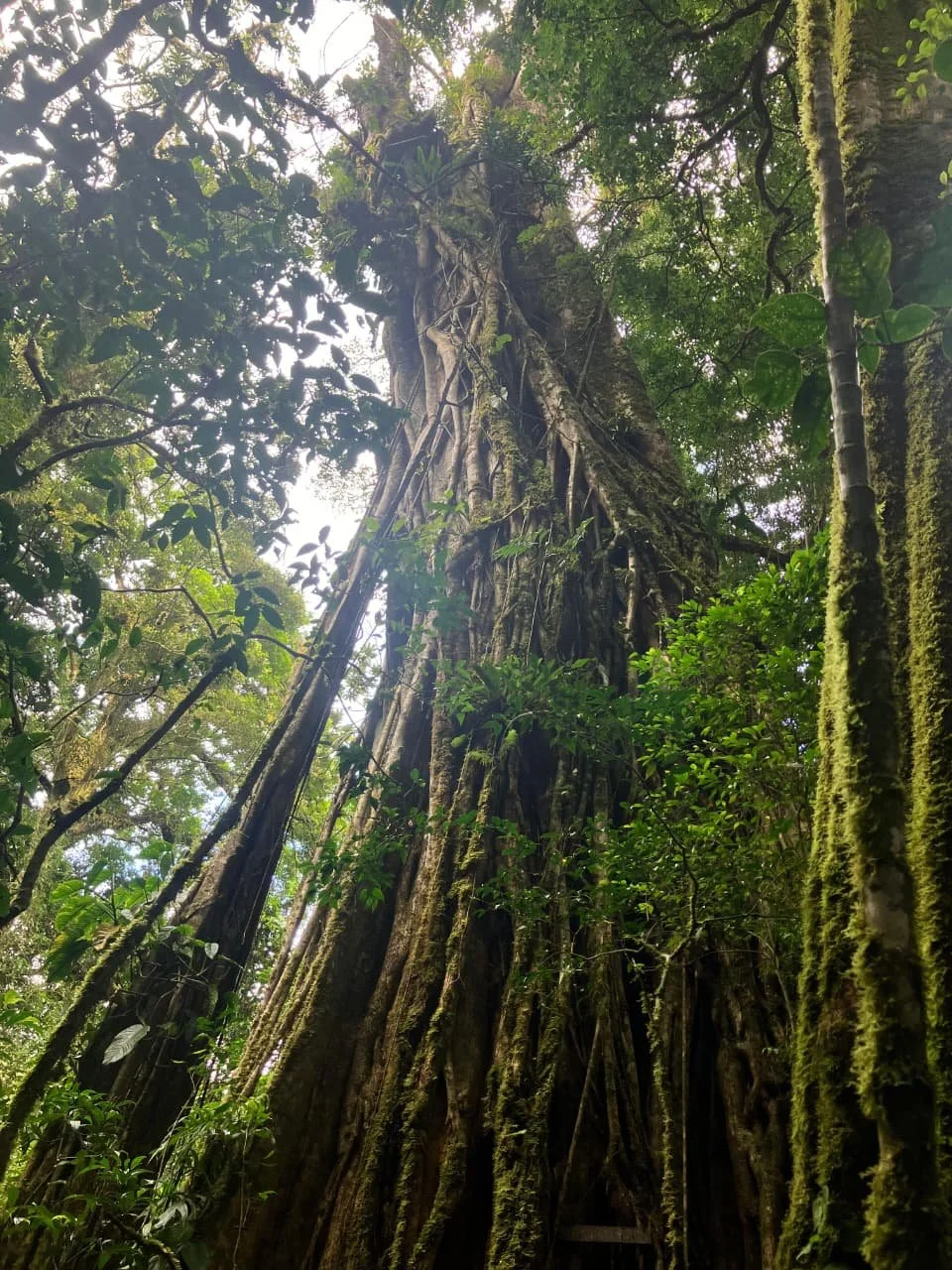
Mountain environments can be especially humid despite cooler temperatures. Clouds, mist, and dense vegetation hold moisture in the air for extended periods. Buildings surrounded by forest or located in valleys experience less drying wind and therefore require more attention to ventilation.
Many people new to Panama assume mold indicates poor construction or maintenance, but that assumption rarely holds true. Even well-built homes with modern materials encounter mold because climate outweighs building style. Prevention is about managing moisture rather than achieving complete dryness.
Simple daily habits make the biggest difference. Opening windows when weather allows, running fans, rotating stored items, and avoiding sealed storage for long periods all help reduce growth. These practices become second nature with time.
Storage solutions in Panama often prioritize airflow. Shelves are preferred over sealed cabinets, and breathable containers are favored over airtight plastic bins. The goal is to let moisture escape rather than trap it.
Electronics and paper items also require care. Books stored in closed spaces can absorb moisture and develop odors. Cameras and lenses benefit from dry boxes or silica packs. These precautions are common among residents and long-term visitors.
Laundry routines reflect the climate as well. Clothes dry best in open air with good circulation, and items should not remain damp for long periods. Indoor drying without airflow can encourage odor and mildew.
Despite increased global conversation about mold-related health concerns, context is important. Panama’s environment naturally contains more spores than temperate climates, and long-term residents adapt through environmental management rather than avoidance. Awareness and cleanliness are emphasized over alarm.
Travelers often find that understanding mold changes their expectations of housing and storage. A small amount of mildew smell does not necessarily indicate neglect. It usually signals that humidity has done what humidity does in the tropics.
Cleaning products designed for mold prevention are widely available in Panama, and many households keep them on hand just as others keep glass cleaner or floor soap. Routine maintenance is simply part of living comfortably in the climate.
Over time, most people develop a relaxed relationship with mold. It becomes another aspect of tropical life alongside rainstorms, lush vegetation, and warm temperatures. Learning how to manage moisture becomes a practical skill rather than a constant worry.
Living in Panama means adapting to the environment rather than trying to impose a dry-climate mindset on a humid ecosystem. Mold is part of that adjustment. With awareness, airflow, and routine care, it becomes manageable background maintenance rather than a defining challenge of daily life.