
Panama’s appeal to filmmakers is rooted in contrast. Few countries offer such an immediate blend of modern skyline, colonial streets, dense rainforest, and two oceans within a compact geography. Productions that need visual diversity without long travel times find Panama unusually efficient as a filming environment.
One of the most internationally recognized productions connected to the country is Quantum of Solace. The film used Panama City’s financial district and surrounding coastal infrastructure to represent globalized power and shadow diplomacy. The polished towers rising from the Pacific shoreline created a cinematic image of a modern tropical metropolis rarely seen on screen.
Another major production rooted directly in Panama’s identity is The Tailor of Panama, based on the novel by John le Carre. The story unfolds within Panama’s political and economic atmosphere surrounding the canal era, and the film captures colonial architecture, tropical climate, and the layered relationship between global powers and local society.
Documentary cinema has perhaps portrayed Panama more authentically than blockbuster film. Director Abner Benaim created Invasion, a deeply reflective exploration of memory, identity, and national experience connected to a defining moment in Panama’s modern history. His work represents Panama telling its own story rather than serving as background for foreign narratives.
Panama’s rainforests frequently appear in international nature documentaries. Productions focusing on biodiversity, bird migration, and tropical ecosystems have filmed extensively in protected areas where wildlife remains accessible and landscapes feel primeval. These programs highlight Panama’s role as a biological bridge between continents.
Television travel series consistently return to the country because it offers a rare combination of infrastructure and wilderness. Episodes often feature canal transit, indigenous communities, island archipelagos, and highland cloud forests within a single narrative arc. Panama becomes a story of connection — ecological, cultural, and geographic.
The engineering story of the canal itself has inspired countless television specials. These productions frame Panama as a place where human ambition reshaped geography, and they often pair archival material with contemporary aerial cinematography of ships moving through the locks.
In literature, the most widely read historical narrative connected to Panama remains The Path Between the Seas by David McCullough. The book’s storytelling approach transformed a complex engineering project into a sweeping human drama involving disease, labor migration, politics, and persistence.
Panamanian literary voices provide a more intimate perspective on life within the country. Writer Justo Arroyo explores identity and society through fiction that reflects everyday realities rather than grand historical narratives. His work represents urban experience, cultural transition, and personal introspection.
Poet Ricardo Miro occupies a central place in national literature. His writing expresses emotional attachment to land and homeland, shaping cultural identity through language rather than landscape imagery alone.
Panama’s visual arts scene has also shaped how the country is perceived culturally. Painter Alfredo Sinclair introduced modernist abstraction into Panama’s artistic tradition, blending international technique with local inspiration. His work helped position Panama within broader conversations about modern art in Latin America.
Contemporary artists often explore themes of urban growth, migration, and environmental change. Their work reflects Panama’s transformation from transit corridor to global hub while maintaining connection to nature and tradition.
Panama’s colonial district, Casco Viejo, is among the most filmed locations in the country. Its narrow streets, restored plazas, and layered architecture provide visual texture suitable for historical storytelling and atmospheric urban scenes.
The country’s Caribbean side offers a different cinematic mood. The islands of Bocas del Toro frequently appear in travel media emphasizing marine ecosystems, Afro-Caribbean culture, and relaxed island life. Wooden stilt houses, mangroves, and turquoise water create a visual language distinct from the Pacific coast.
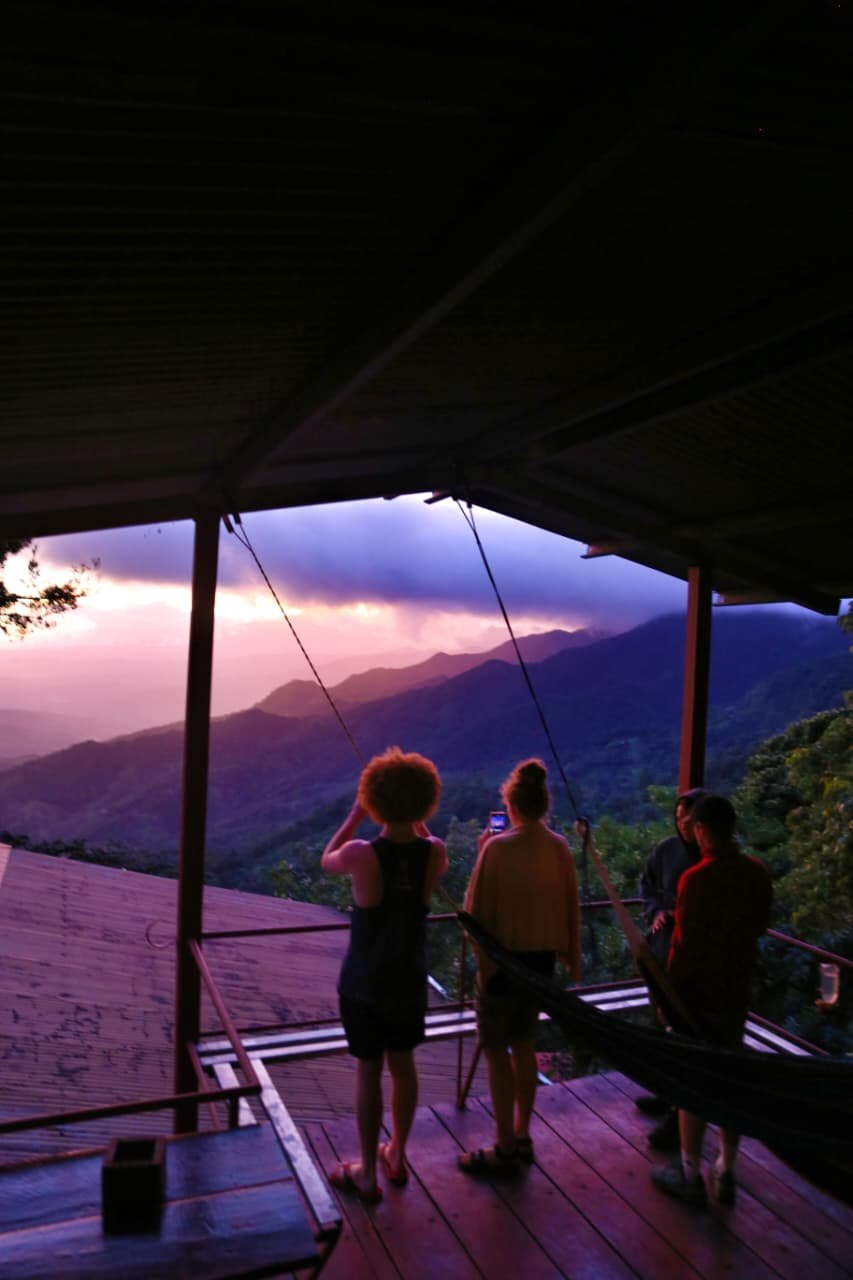
Highland regions provide yet another narrative environment. Misty mountains, coffee farms, and cloud forests create an atmosphere suited to contemplative storytelling and environmental themes. These landscapes often appear in documentaries focusing on climate and conservation.
Panama’s cultural festivals also draw filmmakers seeking vibrant public expression. Carnival celebrations, traditional dances, and regional music scenes offer visual storytelling rooted in community participation rather than staged performance.
Local film festivals play a crucial role in nurturing storytelling from within the country. They create space for emerging directors, documentary voices, and experimental filmmakers whose work explores identity, memory, and social change.
Panama’s identity as a meeting point of cultures influences its creative output across media. Stories emerging from the country often focus on transition, movement, and encounter — themes that mirror its geography as a bridge between worlds.
International productions continue to discover Panama not only for its scenery but for its symbolic meaning. The canal represents connection, the rainforest represents origin, and the skyline represents modernity. Few countries concentrate these narrative metaphors so clearly.
Panamanian literature and art deepen that symbolic landscape by giving voice to lived experience rather than external interpretation. Together, cinema, literature, and visual art form a cultural portrait that is dynamic rather than static.
Creative interest in Panama continues to grow as global audiences seek stories rooted in place. The country’s unique blend of environment, history, and cultural diversity ensures that it will remain a compelling subject for filmmakers, writers, and artists exploring the intersection of humanity and landscape.
Panama’s role in global storytelling is still evolving. As local creators gain visibility and international productions return, the country’s image in media becomes more layered, more authentic, and more reflective of its complexity.
And like the ships that cross its waters, stories connected to Panama continue to move outward — carrying with them images of rainforest horizons, colonial streets, ocean passages, and a nation defined by connection.