
When talking about safety in Panama, it’s important to recognize that most of the country is relatively safe for tourists and residents, but like any nation, there are areas where caution is necessary. The perception of “danger” in Panama often relates more to urban crime and social conditions than to natural hazards.
The capital, Panama City, has some neighborhoods that are considered less safe than others. Districts such as El Chorrillo, San Miguelito, and certain parts of Curundú have historically higher rates of petty theft, muggings, and gang activity. These areas are densely populated, and social challenges have created conditions where crime can be more prevalent.
El Chorrillo, for example, is a central neighborhood close to the financial and tourist districts. While redevelopment and community projects have improved infrastructure, visitors unfamiliar with the area are advised to remain cautious, especially at night. Petty crime like pickpocketing is more common here than violent crime, but localized incidents have occurred.
San Miguelito is a sprawling district with high population density and limited urban planning. Certain neighborhoods within San Miguelito are considered higher risk. Visitors should exercise awareness and avoid wandering into unfamiliar blocks, especially after dark.
Curundú, historically associated with gang activity and poverty, has seen a mix of improvement and ongoing challenges. Many visitors never enter the area, and local guidance often emphasizes avoiding certain streets and always traveling in groups or by taxi when necessary.
Panama City’s downtown core and tourist districts, such as Casco Viejo and El Cangrejo, are generally safe during the day, but petty theft remains common. Visitors should always keep valuables secure and be alert in crowded places.
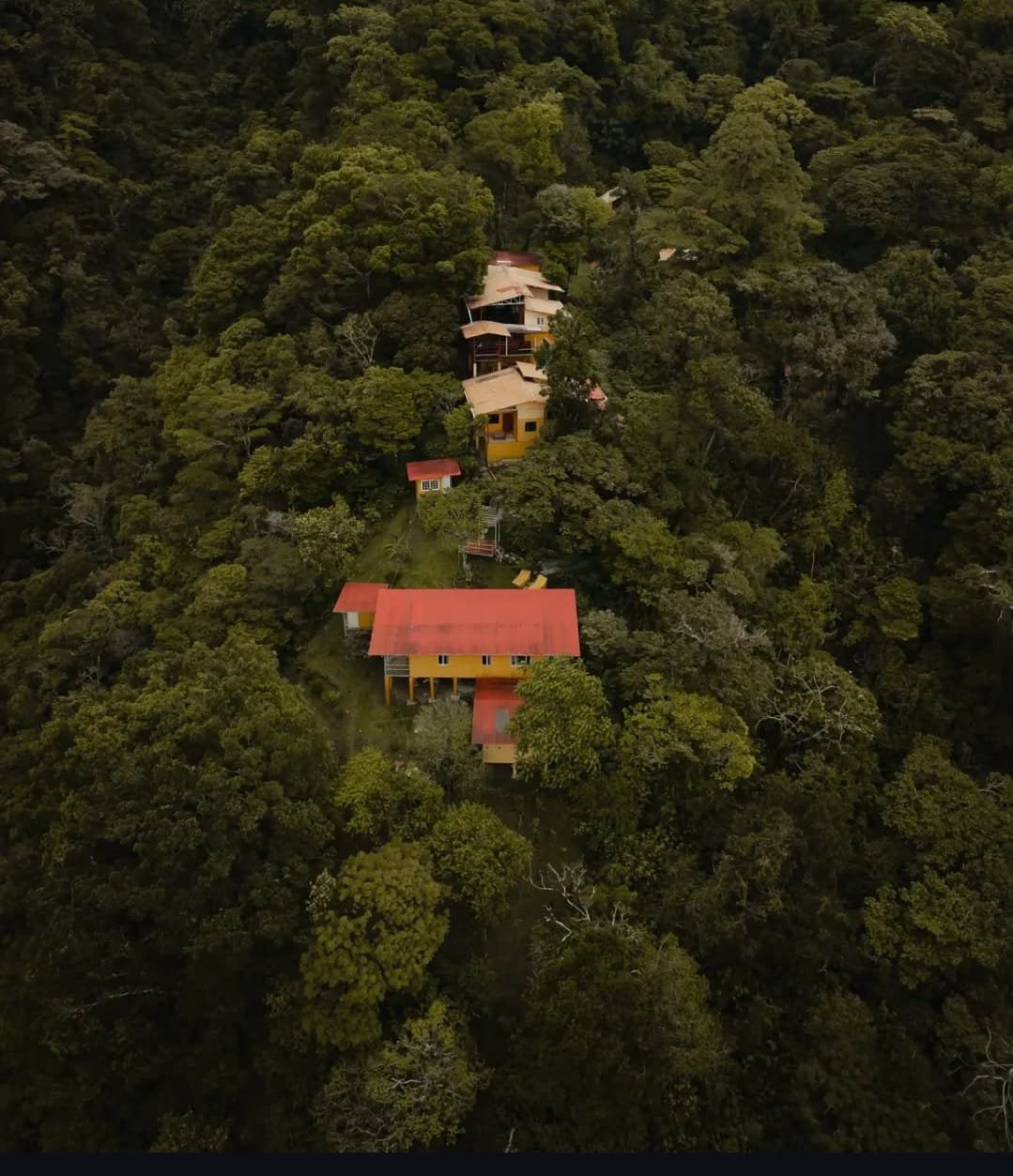
Outside Panama City, crime patterns differ. Certain border regions and remote towns may experience occasional theft or drug-related incidents, but these are generally not targeted at tourists. Rural and highland areas, including Boquete, Cerro Punta, and Lost and Found Hostel, are largely safe.
Bocas del Toro has a reputation for being laid-back but is not without risk. Alcohol-related incidents or occasional thefts have occurred, particularly in crowded nightlife zones. However, violent crime targeting tourists is rare.
In Colón, on the Caribbean side, certain neighborhoods are considered high-risk due to gang activity and socioeconomic challenges. Port areas can be hotspots for opportunistic crime. Travelers are advised to exercise caution, avoid isolated areas, and take taxis or guided transport when navigating unfamiliar parts.
The Darién region, bordering Colombia, is extremely remote and dangerous for reasons beyond typical crime. The dense jungle, lack of infrastructure, and presence of armed groups make travel here highly risky. Only organized, knowledgeable expeditions are advised, and even then, local guides and extreme caution are mandatory.
Petty crime is the most common concern in Panama overall. Pickpocketing, bag snatching, and opportunistic theft occur in crowded areas, public transit, and near bus stations. Tourists are often targeted because of perceived wealth and unfamiliarity.
Traffic safety is another concern that contributes to perceived danger. Road conditions in rural areas can be challenging, with sharp turns, unlit roads, and occasional reckless driving. Many accidents are due to driver error rather than crime, but they remain a significant risk.
Night travel in cities should be approached carefully. Streets in certain high-risk neighborhoods are poorly lit, and public transport options may be limited. Using reputable taxis or rideshare apps is recommended over walking alone at night.
Some local residents advise that the perception of danger is often exaggerated in media reports. Many neighborhoods considered high-risk have active communities, local businesses, and ongoing social programs aimed at reducing crime. Awareness and common sense remain the best protective measures.
Drug-related crime exists but is rarely directed at tourists. Travelers may see signs of drug activity in certain urban zones, but these incidents are mostly internal conflicts among local groups rather than external threats.
For hikers and travelers in rural areas, wildlife and environmental hazards are more likely than crime. Strong currents in rivers, unmarked trails, and tropical weather can pose real physical risks if precautions are ignored.
Gang-related incidents are typically confined to local disputes and do not usually involve tourists. Avoiding areas known for gang activity, especially at night, drastically reduces exposure to risk.
Security measures are widely used in higher-risk neighborhoods. Private guards, gated communities, and surveillance cameras are common in wealthier areas and even in mid-range accommodations. Travelers should consider safety features when choosing lodging.
Hotels and hostels in Panama, including those outside high-risk zones, often provide safety guidance. Staff may advise on which areas to avoid, how to travel at night, and practical precautions like carrying minimal cash or using anti-theft backpacks.
Ultimately, while there are neighborhoods and regions in Panama where extra caution is warranted — particularly in parts of Panama City, Colón, and the Darién jungle — the majority of the country is safe for visitors who exercise awareness. Knowing which areas to avoid, traveling with companions at night, and staying informed about local conditions makes the vast majority of Panama accessible and enjoyable.
Being prepared and respectful of local norms allows travelers to explore both urban and natural environments with confidence, reducing risk while enjoying the diverse experiences the country has to offer.