
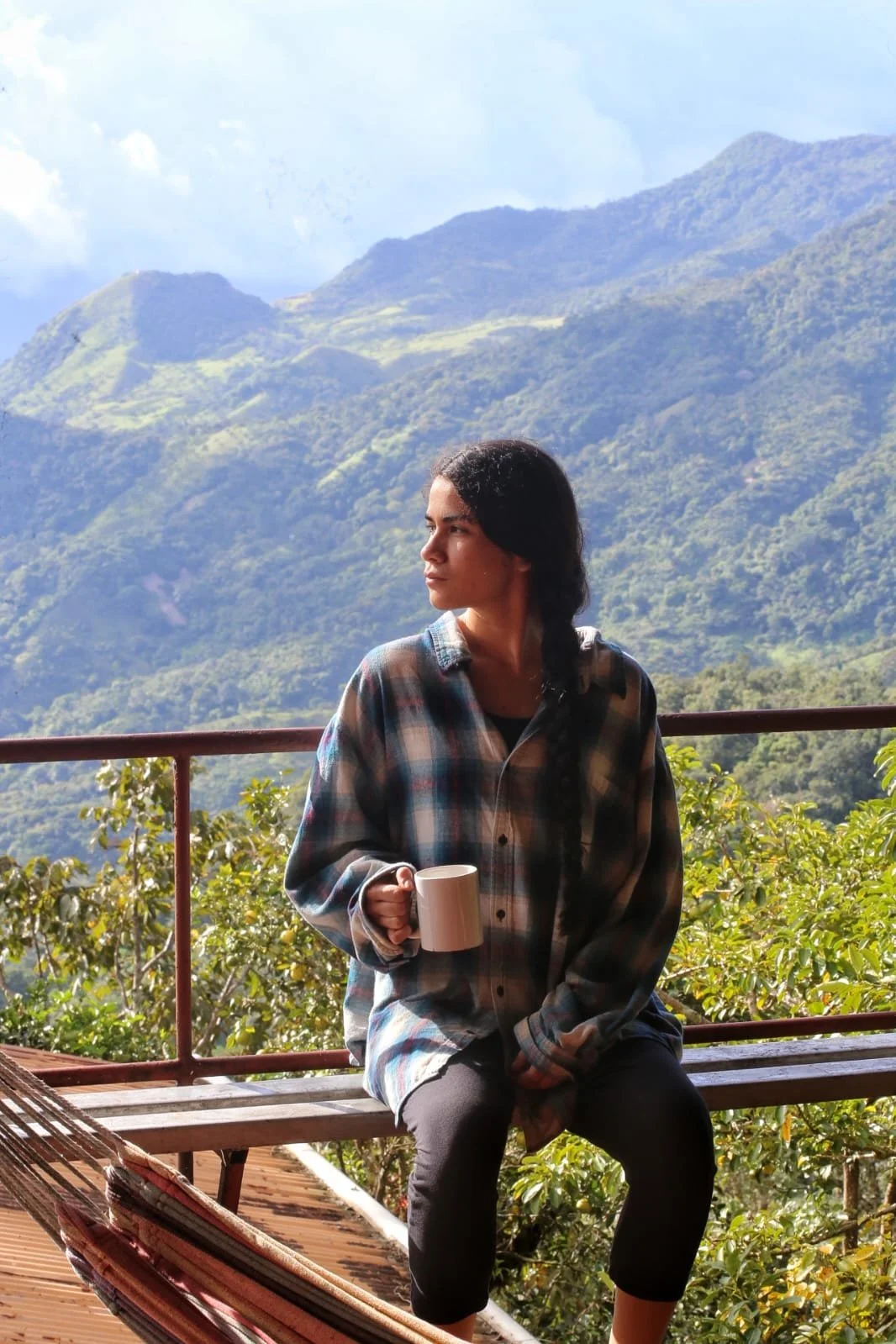
What makes Lost and Found Hostel feel so different from Panama’s typical travel hotspots is the way the place removes distractions and replaces them with experience. Most destinations in the country are defined by what is nearby — beaches, bars, towns, tours — but here the destination is the environment itself. You are not visiting a viewpoint; you are living inside one. The cloud forest is not a backdrop, it is the atmosphere of daily life. Instead of crowds and schedules, the pace is guided by weather, light, and energy. The sense of remoteness is real but never uncomfortable. It feels like stepping into a shared wilderness retreat that just happens to welcome travelers from around the world. That combination of accessibility and isolation is rare in Panama. It creates an identity that no beach town or city neighborhood can replicate.
One of the most noticeable differences from popular places like Panama City, Bocas del Toro, or Playa Venao is the quality of the air and silence. In many destinations, even beautiful ones, there is background noise — traffic, generators, nightlife, construction, or boat engines. Here, mornings begin with wind through trees and birdsong instead of engines and horns. The temperature is cooler, the air thinner and fresher, and breathing deeply feels natural rather than intentional. Guests often comment that they sleep more deeply on their first night than they have in weeks. The cloud forest humidity carries the scent of moss, earth, and rain rather than salt and asphalt. This sensory reset alone makes the experience stand apart from Panama’s busier destinations. It is not just travel; it is decompression.
The social atmosphere is another defining element that separates the hostel from nearly every other destination in the country. Because there is no surrounding town to disperse into, travelers naturally spend time together. Conversations begin easily and continue organically throughout the day. Meals, hikes, and evenings become shared experiences rather than parallel ones. People arrive as strangers but leave with stories tied to specific moments — a sunrise, a storm, a trail, a dinner table. The environment removes the usual barriers that keep travelers isolated in phones or private plans. Socializing does not feel forced or scheduled; it simply happens because the setting encourages connection. It is community without pressure.
Unlike large hostels in major hubs where people rotate quickly, the rhythm here slows interactions down. Guests stay longer because the experience is immersive rather than checklist-driven. Familiar faces become part of the landscape, creating a sense of temporary village life. Travelers share advice, meals, and spontaneous plans. The atmosphere feels closer to a retreat than a lodging option. This creates a depth of connection that is difficult to replicate in transit-oriented destinations. People remember not only where they stayed but who they met. That emotional layer is a major reason the hostel stands apart.
Onsite activities play a huge role in defining the uniqueness of the experience. Instead of relying on outside tour operators, many adventures begin directly from the property. Trails extend outward into protected forest without the need for transport or scheduling. Guests can explore viewpoints, and hidden corners of the cloud forest independently or with guidance. This level of immediate access is rare in Panama, where most nature experiences require travel to reach them. Here, nature is not an excursion — it is the setting. The boundary between accommodation and adventure disappears.
Some excursions are especially distinctive because they exist only within this environment. The treasure hunt through the jungle is a perfect example of how exploration becomes playful and collaborative. It is not just hiking; it is discovery with purpose. Participants follow clues, navigate terrain, and experience the forest in a way that transforms it into a living puzzle. This type of activity blends adventure, teamwork, and environment in a way that cannot be copied elsewhere. It reflects a philosophy of interaction rather than observation. Guests do not just see the jungle — they engage with it.
Waterfall and river canyon explorations further highlight the difference between this experience and Panama’s more commercial attractions. Instead of crowded viewing platforms and scheduled tour groups, the setting feels raw and personal. The sound of water, the scale of rock formations, and the surrounding vegetation create a sense of immersion. These excursions are not packaged; they feel discovered. The lack of commercialization enhances the authenticity of each outing. Guests return not only with photos but with stories of participation. That distinction changes how people remember the experience.
Yoga sessions, when available, deepen the sense of retreat that defines the hostel’s atmosphere. Practicing movement and breath within cloud forest surroundings transforms a familiar activity into something new. The environment shapes the experience — cool air, filtered light, and the soundscape of nature. Rather than a scheduled class in a studio, it becomes a moment of alignment with place. This reinforces the theme that everything here is integrated with the environment. Wellness is not an add-on; it emerges naturally from the setting.
Another major factor that distinguishes the hostel from Panama’s top destinations is the food experience. The vegan menu has become a defining feature, not only for its quality but for its accessibility. At just $6.50 per plate, meals are more affordable than typical tourist dining anywhere in the country. In many popular destinations, healthy or plant-based food is either expensive or limited. Here, it is central, creative, and satisfying. The value is remarkable considering the remote location and fresh preparation. Guests often describe meals as a highlight rather than a necessity.
The affordability of the menu changes travel dynamics in a meaningful way. Visitors do not need to search for restaurants, budget for high prices, or compromise on quality. Nutritious meals become part of daily rhythm rather than a logistical challenge. Shared dining also strengthens the social environment, as guests gather at common times and tables. Conversations flow naturally when people eat together regularly. Food becomes a connector rather than a transaction. This reinforces the sense of community that defines the experience.
Fresh ingredients and thoughtful preparation add another layer of distinction. The meals feel intentional rather than standardized. Portions are generous, flavors vibrant, and presentation welcoming. In many tourist zones, dining is shaped by turnover and efficiency. Here, it is shaped by care and atmosphere. Guests are nourished physically and socially at the same time. That combination is difficult to find in mainstream destinations.
The physical design of the property also contributes to its uniqueness. Structures blend with the landscape rather than dominating it. Views are framed by forest and mountain rather than concrete and street activity. Movement between spaces involves walking through nature rather than corridors or sidewalks. The architecture feels integrated rather than imposed. This design philosophy reinforces the sense of place at every step.
Another defining difference is the absence of typical tourist distractions. There are no rows of souvenir shops, competing tour sales, or nightlife noise. Instead, attention shifts toward experience and interaction. Travelers engage with environment and people rather than consumption. This shift creates a more reflective and intentional form of travel. The absence of distraction becomes an advantage. Guests often describe feeling more present here than anywhere else in Panama.
The elevation and climate contribute strongly to the identity of the hostel. Cooler temperatures provide relief from coastal heat, making outdoor activity comfortable throughout the day. Mist and shifting light create constantly changing scenery. The environment feels alive and dynamic. This atmospheric quality is something visitors cannot find in beach or city settings. It shapes mood and memory in subtle but lasting ways.
Because of its setting along the continental divide, the location offers a sense of geographic significance. Travelers are not just visiting a place but a natural boundary between ecosystems. This awareness adds depth to hikes and viewpoints. The environment becomes meaningful as well as beautiful. Few destinations in Panama offer that sense of location-based identity. It transforms scenery into context.
The hostel also stands apart through its balance of independence and support. Guests can explore freely while still having guidance and structure available. This balance encourages confidence without isolation. Travelers feel capable rather than directed. The experience adapts to individual energy levels. That flexibility is uncommon in more commercialized destinations.
Even the journey to the hostel reinforces its uniqueness. Arrival requires intention, and that effort creates anticipation. By the time guests arrive, they are already mentally separated from typical travel routines. This transition prepares them to engage more deeply with the environment. The destination begins before arrival. That sense of approach enhances the overall experience.
Perhaps the most important distinction is emotional rather than physical. Visitors often describe feeling reset, grounded, or inspired after their stay. The combination of fresh air, shared experience, meaningful activity, and nourishing food creates lasting impact. Unlike destinations defined by entertainment, this one is defined by transformation. The memory of the place extends beyond the visit itself. That emotional resonance is rare in travel.
In comparison with Panama’s famous destinations, the hostel does not compete by offering more attractions. It differentiates itself by offering a different kind of experience entirely. It is immersive rather than observational, communal rather than individual, restorative rather than stimulating. These contrasts make it stand alone within the country’s travel landscape. Visitors who seek something beyond sightseeing find it here. The uniqueness is not a feature — it is the foundation.