
Two Weeks Backpacking Panama — The Route That Actually Feels Like Panama
Panama is one of those rare countries where you can move through completely different worlds in a single trip. Skyscrapers and colonial plazas, Caribbean islands with no roads, misty cloud forests, and raw Pacific coastlines all sit within a surprisingly small map. The key isn’t trying to see everything — it’s choosing stops that feel different from each other. This route does exactly that.
It begins where almost everyone starts, but quickly moves into places that feel less packaged and more real.
Panama City — Where the Journey Begins
Arriving in Panama City is a bit surreal. Glass towers rise behind Spanish colonial streets, and container ships slide through the famous Panama Canal like moving cities. It’s an easy place to adjust to the country — good transport, great food, and neighborhoods made for wandering.
Casco Viejo is where most backpackers orbit. Cafés spill into narrow streets, rooftop bars frame the skyline, and history is layered into every block. The canal visit is worth doing once — impressive engineering, huge ships, global trade in motion. But you don’t need a full day. Panama reveals itself more deeply once you leave the capital.
San Blas Islands — The Caribbean Without Filters
After the city, the San Blas Islands feel like stepping out of time. There are no big hotels, no polished resorts, and very little infrastructure. What you get instead is clear water, tiny palm islands, and the living culture of the Guna people.
Days are simple — swim, walk the sand, watch boats drift across water that looks unreal. Electricity is limited, Wi-Fi is rare, and conversations replace screens. It’s not luxury, and that’s exactly why people remember it.
Highlands Base — Lost and Found Hostel
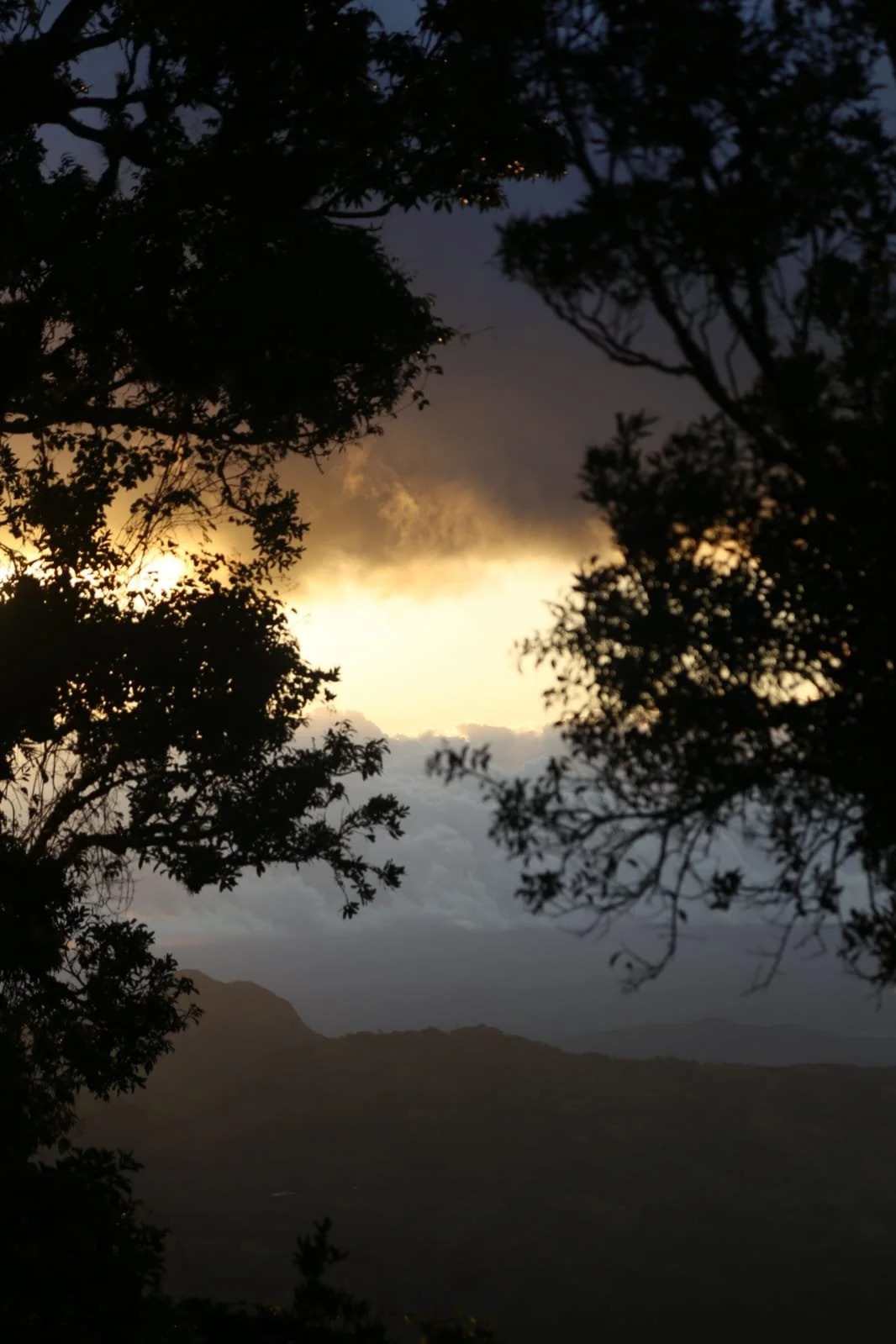
Instead of staying in Boquete town, this route shifts into the cloud forest itself. Lost and Found sits between ecosystems, and that location changes everything about the highlands experience.
You wake to mist in the trees, not traffic. Trails begin where you’re staying. Waterfalls aren’t excursions — they’re part of daily life. Backpackers gather around shared meals and trade travel stories while the jungle settles into night around them.
It’s the kind of place that creates connection — with nature, with other travelers, and honestly with Panama itself. For anyone building stories about travel in the country, this stop becomes the emotional center of the trip.
The surrounding area gives access to forest reserves and wildlife corridors that most visitors never see. It feels discovered rather than visited.
Bocas del Toro — Social Caribbean Energy
After the cool mountain air, the Caribbean warmth of Bocas del Toro feels alive. Water taxis move between islands, music drifts from wooden decks, and the rhythm is relaxed but social.
Days revolve around movement — boat rides, beach stops, snorkeling, wandering small island towns. It’s easy to meet other travelers here, which makes it a natural midpoint in the journey. Compared to San Blas, Bocas has more energy, more variety, and a bit more comfort without losing its laid-back character.
Santa Catalina — The Pacific Reset
The Pacific side of Panama feels different — quieter, rawer, less developed. Santa Catalina is a small coastal village where travel slows down again.
Surf breaks define the landscape, but even non-surfers come for the atmosphere. Boats leave from here toward Coiba National Park, where marine life thrives in protected waters. It’s the kind of place where time stretches and days feel long in the best way.
After the social energy of Bocas, Santa Catalina provides balance.
The Return — Seeing the Country as a Whole
Returning to Panama City at the end feels different than arriving. By then, you’ve seen how many climates, cultures, and landscapes exist inside one country. You’ve moved from global shipping routes to indigenous islands, from cloud forest trails to coral Caribbean waters and Pacific surf.
That contrast is what makes Panama such a strong backpacking destination. Distances are short, but experiences feel far apart.