
Set between Boquete and Bocas del Toro, the Lost and Found Hostel occupies a geographic sweet spot that quietly reshapes how you experience Panama. It isn’t a detour — it’s a pause built directly into one of the country’s most traveled backpacker corridors.
Travelers often think in straight lines: Panama City to the islands, or Panama City to the highlands. But the mountain ridge between Boquete and Bocas hides a different climate zone entirely, and the hostel sits right where that transition happens.
This placement means you don’t need complicated logistics to visit. The same buses that connect Boquete and Bocas pass through the nearby road corridor. You simply hop off, spend a few days immersed in the cloud forest, then hop back on the same route when you continue your journey.
It’s the rare place that feels off the beaten path while physically sitting on it. You’re not rerouting your trip — you’re deepening it.
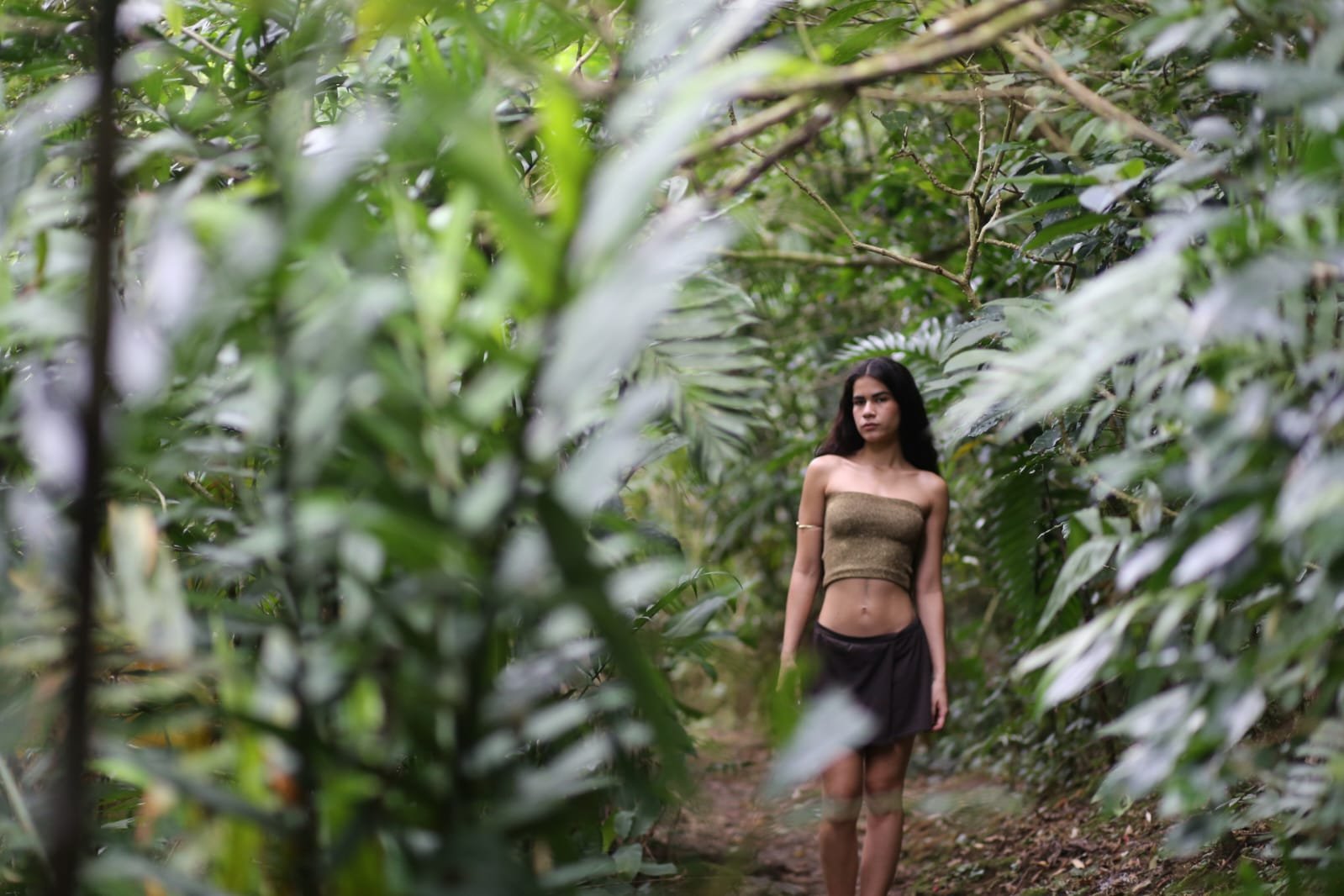
The microclimate here is the real draw. Moist Caribbean air rises over the mountains, cools, and condenses into drifting cloud cover. The result is a constantly shifting atmosphere that feels more like a living ecosystem than a fixed environment.
Mornings often begin with filtered sunlight pushing through mist. By midday, clouds gather and soften the landscape. Evenings settle into cool, damp calm. It’s a rhythm you don’t find on Panama’s coasts or in its cities.
Boquete offers manicured trails, coffee farms, and a polished mountain town experience. Bocas delivers warm water, beach energy, and island culture. The cloud forest between them is something else entirely — raw, quiet, and immersive.
Spending a few days here resets your sense of pace. You stop measuring travel in destinations and start noticing elevation, humidity, and sound.
One of the most practical advantages of the hostel’s position is accessibility. From almost anywhere in Panama, you can reach this mountain corridor within a day’s travel using public transportation.
Coming from Panama City, buses to the western provinces funnel through the same regional routes that serve Boquete and Bocas connections. The country’s geography naturally channels travelers through this region.
That makes the hostel not just convenient, but logical. Instead of racing from one major destination to the next, you experience the transition between ecosystems that most itineraries rush past.
The idea of a “stopover” here doesn’t feel like a compromise. It feels like discovering the missing chapter between two well-known stories.
The landscape reinforces this sense of in-between space. Slopes descend toward both Caribbean and Pacific watersheds. Vegetation shifts subtly with elevation. Weather changes in minutes.
For travelers moving between climates, the stop provides physical acclimatization as well. After hot lowlands or humid islands, the cool mountain air feels restorative.
There’s also a psychological effect. The stillness of cloud forest environments naturally slows movement and conversation. Even short stays tend to stretch into longer ones.
Unlike many remote-feeling places, you don’t sacrifice connection to reach it. Transportation routes remain straightforward, predictable, and affordable.
That balance — remoteness without isolation — is rare in Central American travel. Many hidden spots require complex transfers or private vehicles. Here, public transit does the work.
The phrase “on the way” undersells what’s happening geographically. The hostel sits within the spine of western Panama’s ecosystems, not beside them.
This centrality is why the experience complements both Boquete and Bocas rather than competing with them. It provides contrast — cooler temperatures, thicker forest, quieter nights.
Travelers who skip the stop often describe their route as efficient. Those who stay tend to describe it as complete.
Another reason the location matters is continuity. When you leave, you rejoin the same travel current that brought you there. No backtracking, no complicated route changes.
That continuity makes short stays viable. Even two nights offer enough time to absorb the atmosphere without disrupting your broader itinerary.
In practical terms, it functions like a natural midpoint. In experiential terms, it feels like a different country hidden within Panama’s borders.
The microclimate creates a sensory shift — cooler air, muted light, constant birdsong. After busy transit days, the environment itself becomes the main activity.
Because the stop fits so seamlessly between Boquete and Bocas, travelers often discover it through word of mouth. Someone mentions a place in the mountains where clouds move through the forest, and curiosity does the rest.
What begins as a logistical convenience often becomes one of the most memorable segments of the journey.
Panama offers beaches, islands, cities, and highlands. Few places reveal how those environments connect. This mountain corridor does exactly that.
And that’s ultimately why the hostel’s position matters. It isn’t just located between destinations — it reveals the geography that links them, making the journey across Panama feel continuous rather than fragmented.
When you step back onto the same bus route and continue on, the landscapes ahead make more sense. You’ve experienced the transition, not just passed through it.