
Portobelo is one of Panama’s most historic coastal towns, located along the Caribbean side of the country in Colón Province. Despite its small size, it carries enormous cultural and historical significance.
Founded by the Spanish in the late 1500s, Portobelo was once a major port for shipping treasure from the Americas to Europe. Its protected bay made it strategically important during colonial times.
The town is famous for its preserved Spanish fortifications. These stone structures once defended valuable cargo from pirates and rival powers.
Visitors walking through Portobelo quickly notice the mix of quiet daily life and powerful historical atmosphere. It feels less commercial than many coastal destinations.
One of the most important landmarks is the Church of San Felipe, home to the famous Black Christ statue. This religious icon draws thousands of pilgrims each year.
The surrounding bay offers scenic views of calm Caribbean waters framed by green hills. The natural setting is as memorable as the history.
Portobelo is also a gateway to nearby islands with clear water and relaxed beach culture. These islands are a major reason travelers visit the area.
Reaching Portobelo from Panama City is relatively straightforward. The journey typically takes about two hours by road.
Travelers without a car can take a bus from Gran Terminal Nacional de Transporte de Albrook toward Colón and then transfer to a bus bound for Portobelo.
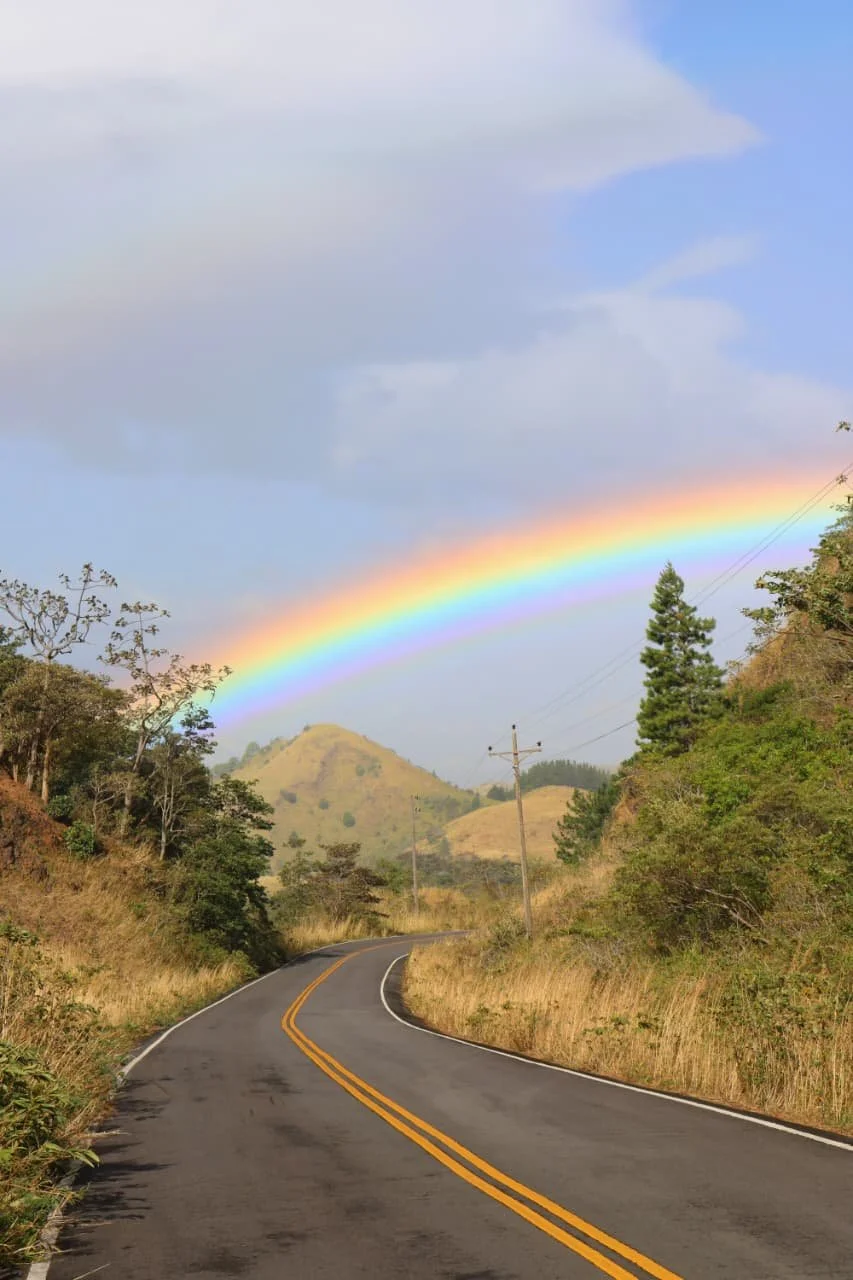
Driving is also simple. The route follows the highway toward Colón before turning onto a scenic coastal road that hugs the Caribbean shoreline.
Many visitors choose to leave early in the morning to avoid traffic and maximize time at the beach.
Once in Portobelo, small boats and water taxis provide access to nearby islands and beaches.
Visiting Isla Mamey
Isla Mamey is one of the closest and easiest islands to reach from Portobelo. The boat ride typically takes around ten minutes.
The island is known for soft sand, shallow water, and a relaxed atmosphere. It is popular for day trips and casual beach outings.
Water clarity is often excellent, making it a good place for swimming and simple snorkeling near shore.
Facilities on the island are basic but sufficient. Visitors can usually find food, drinks, and shaded seating areas.
Because it is close to the mainland, Isla Mamey can be busy on weekends and holidays. Weekdays are quieter and more peaceful.
The calm environment makes it suitable for travelers who want an easy Caribbean beach experience without long travel times.
Discovering Isla Grande
Isla Grande offers a more developed island experience compared to Isla Mamey. It has a small village, guesthouses, and restaurants.
The island’s Afro-Caribbean culture shapes its music, food, and relaxed pace of life. It feels lively yet unhurried.
Travelers often explore the island on foot, discovering beaches, viewpoints, and small local businesses.
Boat access to Isla Grande is typically arranged from the mainland dock near La Guaira, a short drive from Portobelo.
The island is known for scenic coastal views and inviting turquoise water. It is popular for swimming and photography.
Some visitors choose to stay overnight to enjoy sunsets and early morning calm before day-trippers arrive.
Practical Travel Tips
Portobelo and the nearby islands are best visited during the dry season when seas are calmer and travel conditions are easier.
Bring cash, as card payments are not always available in smaller coastal communities.
Light clothing, sun protection, and water are essential due to heat and humidity along the Caribbean coast.
Boat schedules may vary depending on weather and demand, so flexibility helps when planning island visits.
Travelers coming from cooler mountain regions like Boquete or from stays at Lost and Found Hostel often notice the warmer, more humid Caribbean climate immediately.
Portobelo offers a powerful combination of history and nature, while Isla Mamey and Isla Grande provide easy access to Panama’s Caribbean beauty.
Together, they create one of the most rewarding coastal experiences in the country — a place where colonial history meets tropical island life just a short journey from the capital.