
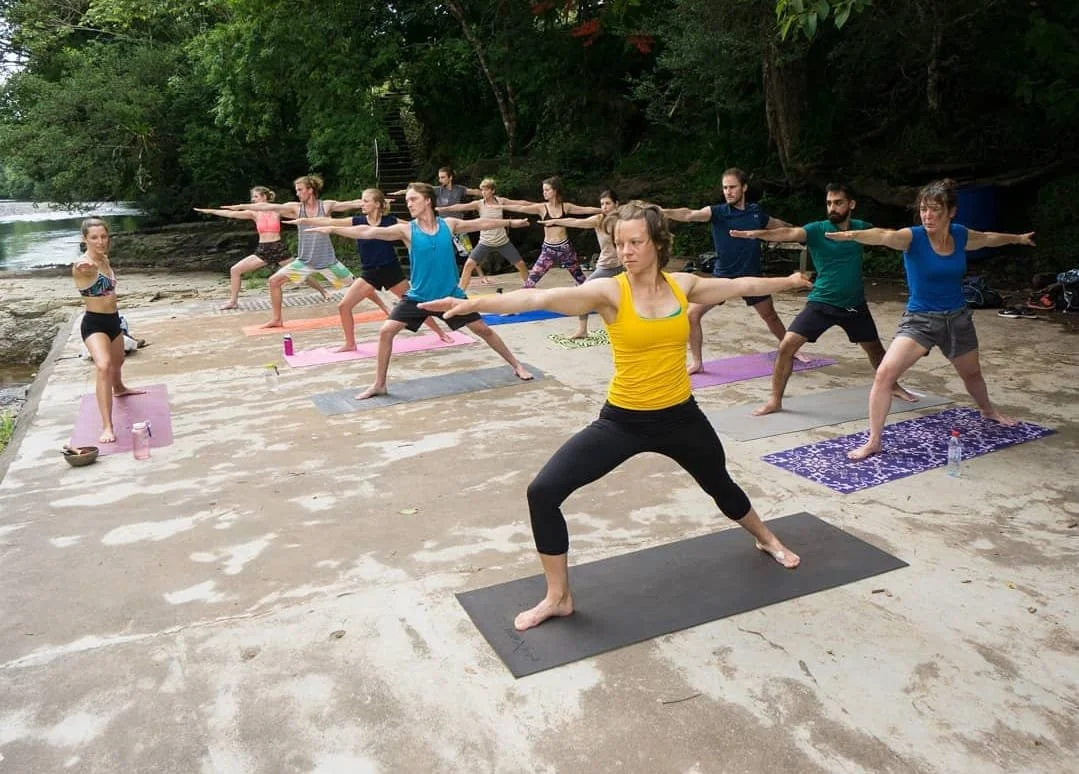
Gym culture in Panama has its own rhythm—part tropical practicality, part social ritual, and part air-conditioned escape from the heat. Whether you’re a long-term resident or a backpacker passing through after a cloud-forest hike, fitness here feels welcoming rather than intimidating. People train seriously, but the vibe is rarely rigid.
In Panama City, gyms mirror the city itself—modern, fast-paced, and surprisingly social. You’ll see office workers lifting after work, students squeezing in quick sessions, and travelers dropping in for day passes between canal views and ceviche stops. Music is upbeat, conversations are easy, and nobody blinks if you walk in wearing flip-flops and change on site.
A defining feature of Panamanian gym culture is flexibility. Many facilities offer day passes or short-term access because the country sees constant movement—business visitors, digital nomads, and travelers crossing the isthmus. For someone running or staying at a remote place like Lost and Found Hostel, this flexibility is gold when you swing back into town.
One of the most recognizable chains is Smart Fit, known for sleek equipment, strong air conditioning, and consistent standards across locations. Day passes are often available depending on the branch, and the spaces are clean, bright, and beginner-friendly.
Smart Fit — Modern & Accessible
Another popular option is PowerClub, a long-standing Panamanian brand with larger facilities and a broader class schedule. Think spinning rooms, group strength, and plenty of free weights. Day access is commonly offered, especially in central locations.
PowerClub — Full-Service Fitness
If you prefer boutique environments, smaller independent studios across the city sell single-session entries. These spots often specialize—functional training, CrossFit-style circuits, or mobility work. The energy is tight-knit, and coaches usually greet you by name after one visit.
Day passes in Panama are refreshingly straightforward. You typically show ID, pay at reception, and start training. Some gyms include a towel or locker; others charge a small fee. Compared with many countries, the process feels relaxed and traveler-aware.
Hydration is practically a sport of its own. Between humidity and heat, you’ll see big water bottles everywhere. Gyms expect you to wipe down equipment and keep airflow moving—simple etiquette that keeps sessions comfortable even on sweltering afternoons.
Outside the capital, gym culture adapts to the landscape. In Boquete, fitness spaces lean cozy and community-driven. People arrive after hikes on the Quetzal Trail or coffee-farm walks, blending strength work with mountain-town calm.
Boquete’s independent gyms often welcome day users, especially in high season. Equipment might be simpler, but the atmosphere is encouraging. Conversations drift from reps to rainfall patterns and the best viewpoints in the valley.
Boquete — Community Gym Vibes
On the Caribbean side, Bocas del Toro keeps things breezy and practical. Gyms here often cater to surfers and travelers, so day passes are common. Expect open-air setups, functional gear, and a laid-back tempo.
Training in Bocas can feel like part of the beach routine—lift a bit, stretch a lot, and step back into salt air. It’s less about chasing personal records and more about staying balanced while island-hopping.
Bocas del Toro — Laid-Back Training
Across Panama, group classes are a social magnet. Zumba, spinning, and circuit training pull mixed crowds—locals, expats, and travelers—into the same rhythm. If you want quick community, a drop-in class is the fastest shortcut.
Pricing for day passes varies by city and facility tier. Large chains in Panama City tend to charge more than small-town gyms, but the difference is usually modest compared with North American or European rates. For short stays, paying per visit often makes more sense than signing up.
Cleanliness standards are generally high. Staff circulate with sprays and cloths, and members pitch in. Lockers are common, though bringing your own lock is a safe habit when you’re moving between places.
For travelers coming down from rainforest trails—like guests descending from waterfall hikes—the gym becomes a reset button. A structured session can balance days of uneven terrain and long bus rides, keeping your body happy for the next leg of the trip.
Nutrition culture around gyms is growing. You’ll find smoothie bars, protein snacks, and nearby cafés that cater to post-workout cravings. Fresh fruit blends fit naturally into Panama’s food scene.
Language is rarely a barrier. Even if your Spanish is still warming up, gym interactions are simple and friendly. Demonstrations and smiles carry most conversations, and trainers are used to international visitors.
If you’re mapping a fitness-friendly route through the country, plan heavier sessions in Panama City where equipment is abundant, and lighter functional workouts in Boquete or Bocas where nature already does half the job.
Ask about peak hours before you go. Early mornings and early evenings can be busiest, while late mornings often feel spacious—perfect for travelers on flexible schedules.
For those building content or guides—like the travel pieces you’ve been crafting—highlighting day-pass gyms adds practical value for backpackers who want consistency without commitment.
Ultimately, gym culture in Panama is welcoming, adaptable, and traveler-aware. With day passes easy to find in major hubs and smaller towns alike, staying active becomes part of the journey rather than a logistical puzzle.
The result is a fitness experience that complements the country’s personality: warm, social, and ready to meet you where you are—whether that’s a city skyline session or a cool-down after a cloud-forest adventure.