
Panama is one of the best places in the Americas to see sloths in the wild — not in sanctuaries, not in cages, just living their slow-motion lives overhead. But spotting one isn’t luck. It’s a skill. And once you learn the signs, you’ll start seeing them everywhere.
The first rule of sloth spotting is simple: slow down. Most hikers move too fast and look too low. Sloths live in the canopy, and their entire survival strategy is based on not being noticed. If you hike like you’re late for a bus, you’ll walk right past them.
Look up — constantly. Sloths are usually high in the trees, often near the ends of branches where leaves are freshest. Your neck will get tired. That’s normal. Consider it part of the experience.
Scan for shapes, not animals. A sloth rarely looks like a sloth at first glance. Instead, look for strange lumps, rounded shadows, or anything that seems slightly out of place among the leaves.
Movement is subtle but revealing. Sloths don’t stay perfectly still forever. Watch for slow arm extensions, gentle swaying, or a branch that moves differently from the wind around it.
Morning and late afternoon are prime times. Heat slows everything down — including your chances. Cooler hours mean more activity and better visibility before the sun flattens the forest into one bright blur.
Learn their favorite trees. Cecropia trees — with tall pale trunks and umbrella-like leaves — are classic sloth hangouts. If you see one, stop and inspect carefully before moving on.
Listen to other hikers and guides. Sloth sightings spread quickly on trails. If people are looking up in one spot, join them. Wildlife is a community activity in Panama.
In Panama City, trails in Parque Natural Metropolitano offer surprisingly good sloth sightings. The forest is dense, but the trails are accessible, making patient scanning easier.
In deeper rainforest environments like Soberanía National Park, sloths blend even more effectively into the canopy. Here, the key is patience. Find a quiet spot and simply watch the treetops.
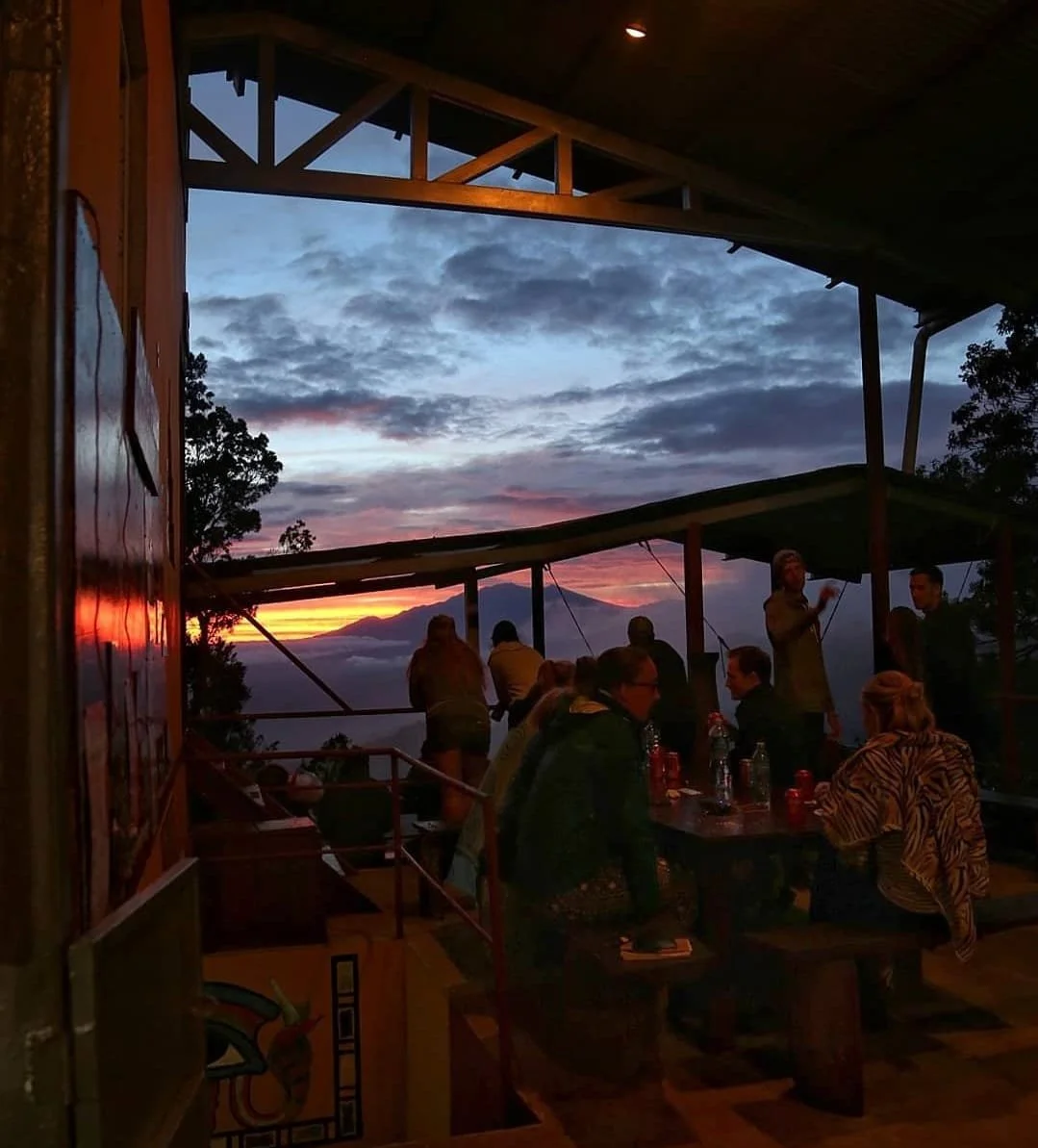
Mountain cloud forests provide a different experience. Around Lost and Found Hostel, cooler temperatures and mist create softer lighting that can make movement easier to detect against the foliage.
The area around the hostel is also a genuine sloth hotspot. Because the forest is mature, quiet, and less disturbed, sloths are regularly spotted along nearby trails and even from viewpoints. Guests often find that simply walking slowly between common areas and trailheads can turn into a wildlife sighting.
Use binoculars if you have them — but don’t depend on them. Most sloths are spotted first with the naked eye by noticing shape and movement. Binoculars confirm what you think you see.
Take breaks and sit quietly. When you stop moving, the forest relaxes. Birds resume calls, branches sway naturally, and hidden animals become easier to notice.
Don’t expect dramatic moments. Sloth sightings are slow reveals. First a shape, then a curve, then a face — and suddenly you realize you’ve been watched the entire time.
On Caribbean-side islands like Bocas del Toro Archipelago, mangrove edges are excellent places to look. Sloths often use shoreline trees where leaves are plentiful and predators are limited.
Weather helps you. Overcast skies reduce glare and make canopy details easier to distinguish. Bright midday sun flattens everything into green chaos.
Stay quiet. Loud voices don’t scare sloths away quickly, but noise keeps you from hearing subtle canopy movement that might reveal one.
Train your eyes using other animals. Once you start spotting birds and monkeys in the canopy, your brain learns what “out of place” looks like. Sloths become easier after that.
Accept that some sightings feel like a puzzle. You may stare for minutes before recognizing a face or limb. That moment of realization is part of the reward.
Respect distance. Never try to touch or approach a sloth. Observing quietly keeps them safe and keeps future sightings possible for other travelers.
The best mindset is curiosity, not expectation. When you stop hunting and start noticing, the forest opens up — and sooner or later, something slow and fuzzy will be hanging above you like it was there all along.