
Backpacking in Panama is a little like dating someone wildly adventurous — unpredictable, beautiful, occasionally muddy, and somehow always worth it. One minute you’re in a sleek Panama City café, the next you’re bouncing up a mountain road toward cloud forest mist, wondering if your backpack just gained five pounds from humidity alone.
Panama is compact, which means you can experience beaches, jungles, islands, and mountains without selling a kidney for transportation. But compact does not mean predictable. Buses run on vibes, rain appears on a whim, and your plans will absolutely change. That’s part of the charm.
Backpackers who thrive here share one trait: flexibility. You don’t fight Panama — you flow with it. And nowhere is that mindset more beautifully obvious than in hostels, especially when it comes to dorm rooms and bathrooms.
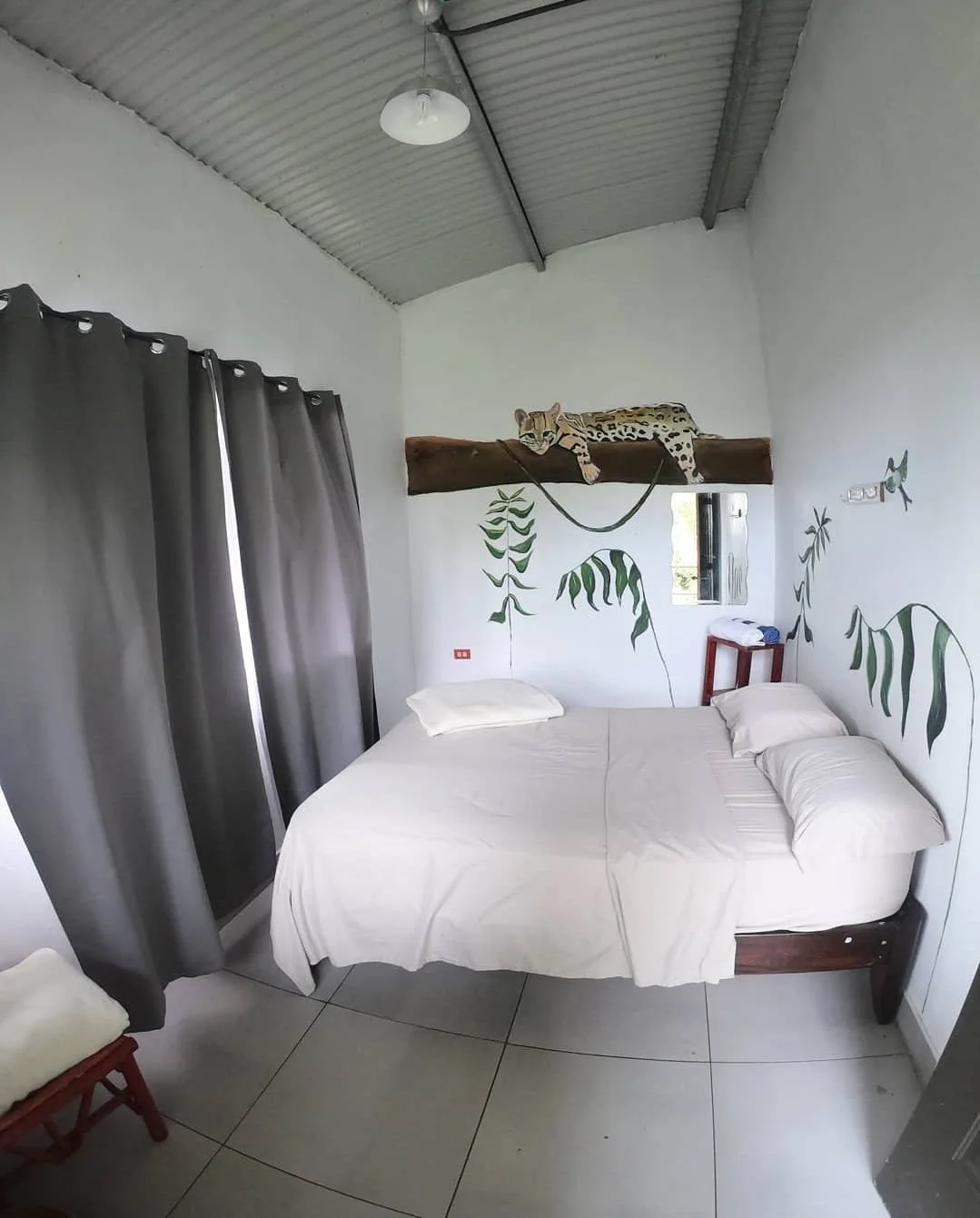
Now let’s address the spicy topic: dorm rooms with toilets outside the room. At first, some travelers react like they’ve been asked to churn butter. “Outside? You mean… I must walk?” Yes. And it’s glorious.
First, let’s talk about sleep — the holy grail of backpacking. Dorms with in-room bathrooms create a nighttime symphony nobody asked for. Flushes. Showers. Sink splashing. Someone dropping a shampoo bottle like a cymbal crash at 3 a.m. When the bathroom is outside, the dorm transforms into what scientists call “quiet enough to remember your dreams.”
Second: humidity. Panama is not a place where moisture politely waits its turn. Bathrooms inside dorms turn into tiny tropical rainforests. Towels never dry. Air gets heavy. Your backpack absorbs the atmosphere like a sponge. External bathrooms keep sleeping spaces fresh and breathable.
Third: smell management. Let’s speak honestly like seasoned travelers. A shared dorm with a built-in bathroom is basically a social experiment in ventilation. Separate facilities preserve harmony and friendships. You may never thank a building layout more.
Fourth: hygiene. When the bathroom is outside, people naturally use it properly. They bring what they need. They finish and leave. When it’s inside the dorm, it becomes a hangout zone for long mirror sessions, experimental laundry attempts, and philosophical phone scrolling.
Fifth: space. Backpackers don’t need marble countertops — they need room to move, sort gear, and not trip over someone’s charging cable. Removing bathrooms from dorms frees space for actual living.
Sixth: nature connection. Especially in mountain regions, stepping outside to brush your teeth means misty air, birds waking up, maybe a view that makes you forget you were half-asleep two seconds ago. It’s not inconvenience — it’s atmosphere.
Seventh: social magic. Outdoor bathroom trips create casual micro-interactions. You meet fellow travelers in their natural state: flip-flops, sleepy eyes, toothbrush diplomacy. These tiny moments often turn into friendships faster than planned activities.
Eighth: cleanliness stays cleaner. External bathrooms can be cleaned thoroughly without disturbing sleepers. Maintenance becomes easier, standards go up, and everyone wins.
Ninth: temperature control. A dorm without plumbing infrastructure running through it stays cooler and more stable. In Panama’s climate, that’s not luxury — that’s survival comfort.
Tenth: adventure continuity. Backpacking is not meant to feel like a sealed hotel box. When your environment flows between indoor and outdoor spaces, you remain connected to where you actually are — a mountain, a forest, a living place.
Eleventh: fewer midnight traffic jams. No waiting awkwardly while someone debates life choices behind a flimsy door. External bathrooms distribute usage naturally.
Twelfth: cost efficiency. Hostels that design shared external facilities can invest more in what backpackers actually care about — better mattresses, stronger showers, good common spaces, maybe even views that make people stay an extra night.
Thirteenth: authenticity. Backpacking in Panama is about simplicity. Dorms with outside bathrooms feel closer to cabins, lodges, and traditional living patterns rather than imported hotel templates.
Fourteenth: environmental benefits. Concentrated plumbing areas reduce water waste and simplify systems — especially important in rural or mountain locations where infrastructure matters.
Fifteenth: personal space boundaries. Sleeping zones stay calm. Functional zones stay functional. The mental clarity is surprisingly satisfying.
Sixteenth: resilience training. If you can handle stepping outside briefly, you can handle delayed buses, surprise rainstorms, and spontaneous hikes — which, in Panama, you absolutely will.
Seventeenth: stories. Nobody ever tells tales about perfectly ordinary bathrooms. But the moment you step outside into cool night air and hear jungle sounds while brushing your teeth — that sticks.
Eighteenth: perspective. Backpacking reminds you how little you actually need to be comfortable. A bed, a breeze, a clean place to wash, and a bit of adventure outside the door.
Nineteenth: community rhythm. Shared spaces encourage respect and awareness. Travelers become participants in a place, not just temporary occupants of a room.
Twentieth — and maybe most important — backpacking in Panama rewards those who embrace the experience instead of customizing it into something familiar. Dorms with bathrooms outside aren’t a downgrade. They’re a design that matches the environment, the pace, and the spirit of travel here.
In the end, Panama isn’t trying to be convenient — it’s trying to be memorable. And when your accommodation quietly supports better sleep, cleaner air, smoother mornings, and unexpected conversations, you realize something funny: the little walk to the bathroom wasn’t a compromise at all. It was part of the adventure.