
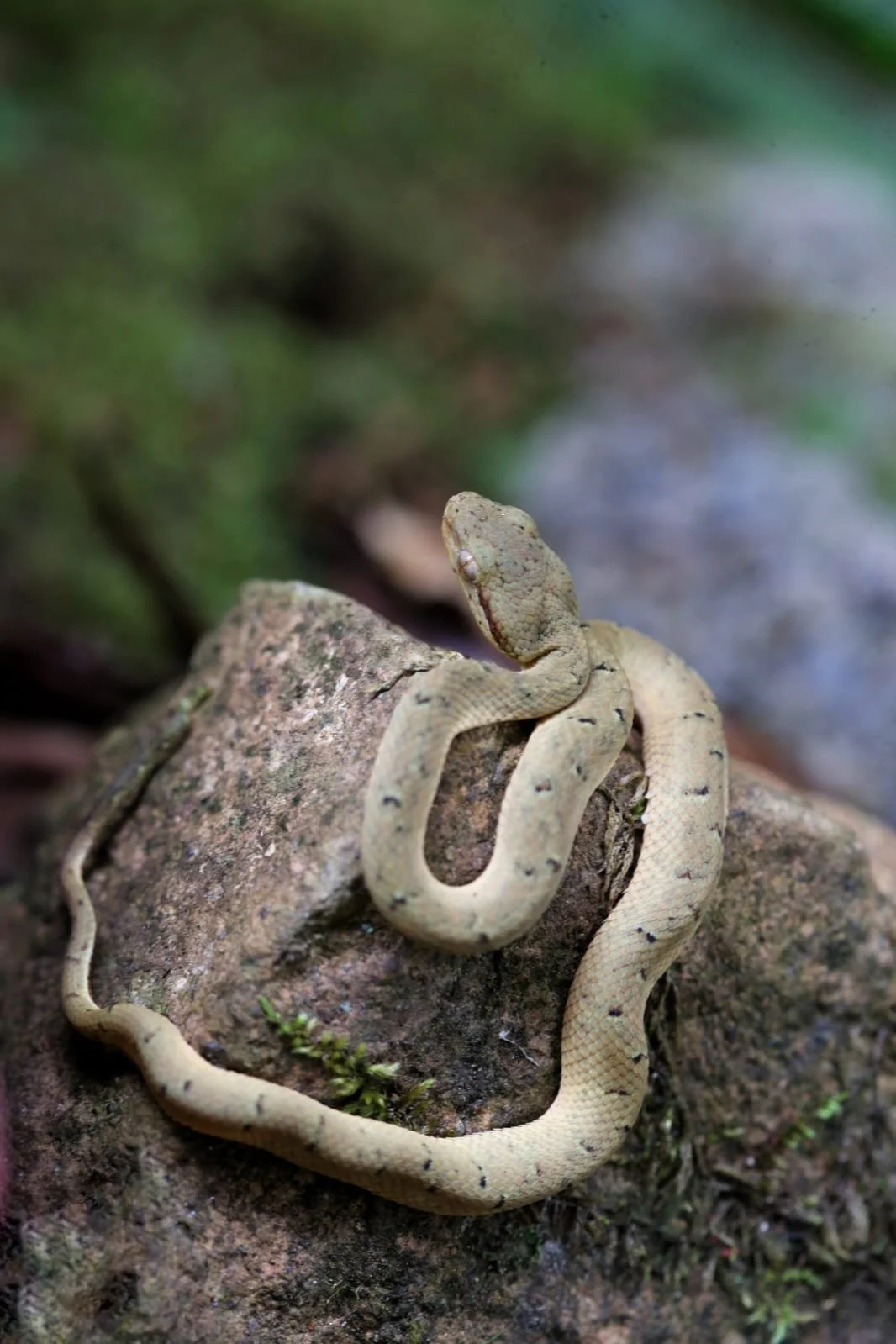
Panama’s tropical forests are among the most biodiverse ecosystems in the world. From humid Caribbean jungles to cool mountain cloud forests, these habitats are home to an incredible variety of amphibians. In fact, scientists have recorded over 200 species of frogs and toads in Panama, many of which exist nowhere else on Earth.
Some are brilliantly colored poison dart frogs, while others rely on camouflage and remain hidden in the leaves. If you spend time exploring Panama’s rainforests—especially around Bocas del Toro or the cloud forests of Boquete—you may hear their calls echoing through the jungle long before you ever see them.
Here are 10 amazing frogs you can find in Panama’s rainforests.
1. Strawberry Poison Dart Frog
The Strawberry poison dart frog is one of the most famous frogs in Central America. These tiny amphibians are known for their vibrant colors and are especially common around Bocas del Toro.
What makes them remarkable is their extreme color variation. Some populations are bright red with blue legs, while others appear completely blue, orange, or yellow depending on the island.
2. Green and Black Poison Dart Frog
The Green and black poison dart frog is another striking species found in Panama. Its bright green patterns stand out dramatically against dark forest backgrounds.
Despite their toxic skin secretions, these frogs are generally shy and spend much of their time hiding among leaves and low vegetation.
3. Hourglass Tree Frog
The Hourglass tree frog gets its name from the hourglass-shaped marking on its back. These frogs are small but extremely adaptable and can be found near ponds, wetlands, and rainforest edges throughout Panama.
At night their high-pitched calls fill the jungle air.
4. Smoky Jungle Frog
The Smoky jungle frog is one of the largest frogs in Central America. These powerful amphibians can grow to nearly 15 cm (6 inches) long.
They often hide among leaf litter on the forest floor and are known for their deep, booming calls.
5. Glass Frog
Glass frogs are among the most fascinating amphibians in the tropics. Species in the Glass frogs have translucent skin on their bellies, allowing you to see their internal organs.
They typically sit on the underside of leaves over streams, where males guard eggs laid by females.
6. Red-Eyed Tree Frog
The Red-eyed tree frog is one of the most iconic rainforest frogs in Central America.
Its features include:
Bright red eyes
Lime green body
Blue and yellow striped sides
These colors help startle predators when the frog suddenly opens its eyes.
7. Túngara Frog
The Túngara frog may look plain, but it has one of the most interesting mating calls in the frog world.
Males produce a distinctive “whine and chuck” call to attract females, creating nighttime choruses around temporary ponds.
8. Lemur Leaf Frog
The Lemur leaf frog is a rare and beautiful species found in humid forests of Central America.
Sadly, habitat loss and disease have caused its population to decline, making sightings especially special.
9. Crowned Tree Frog
The Crowned tree frog has an unusual appearance with bony ridges on its head that look like a crown.
These frogs spend most of their lives in trees and blend well into bark and branches.
10. Harlequin Frogs
The Harlequin frogs were once common across Central America. These brightly patterned frogs live near mountain streams.
Unfortunately, many species have declined dramatically due to chytrid fungus, a disease affecting amphibians worldwide.
A Rainforest Full of Hidden Amphibians
Frogs are everywhere in Panama’s forests—you just have to listen. On humid nights the rainforest becomes alive with their calls, echoing from ponds, streams, and the jungle canopy.
From the tiny strawberry poison dart frog to the massive smoky jungle frog, these amphibians are an essential part of the rainforest ecosystem.
For travelers exploring the jungles of Panama, spotting one of these remarkable frogs can be a reminder that even the smallest creatures play a big role in the natural world. 🐸