
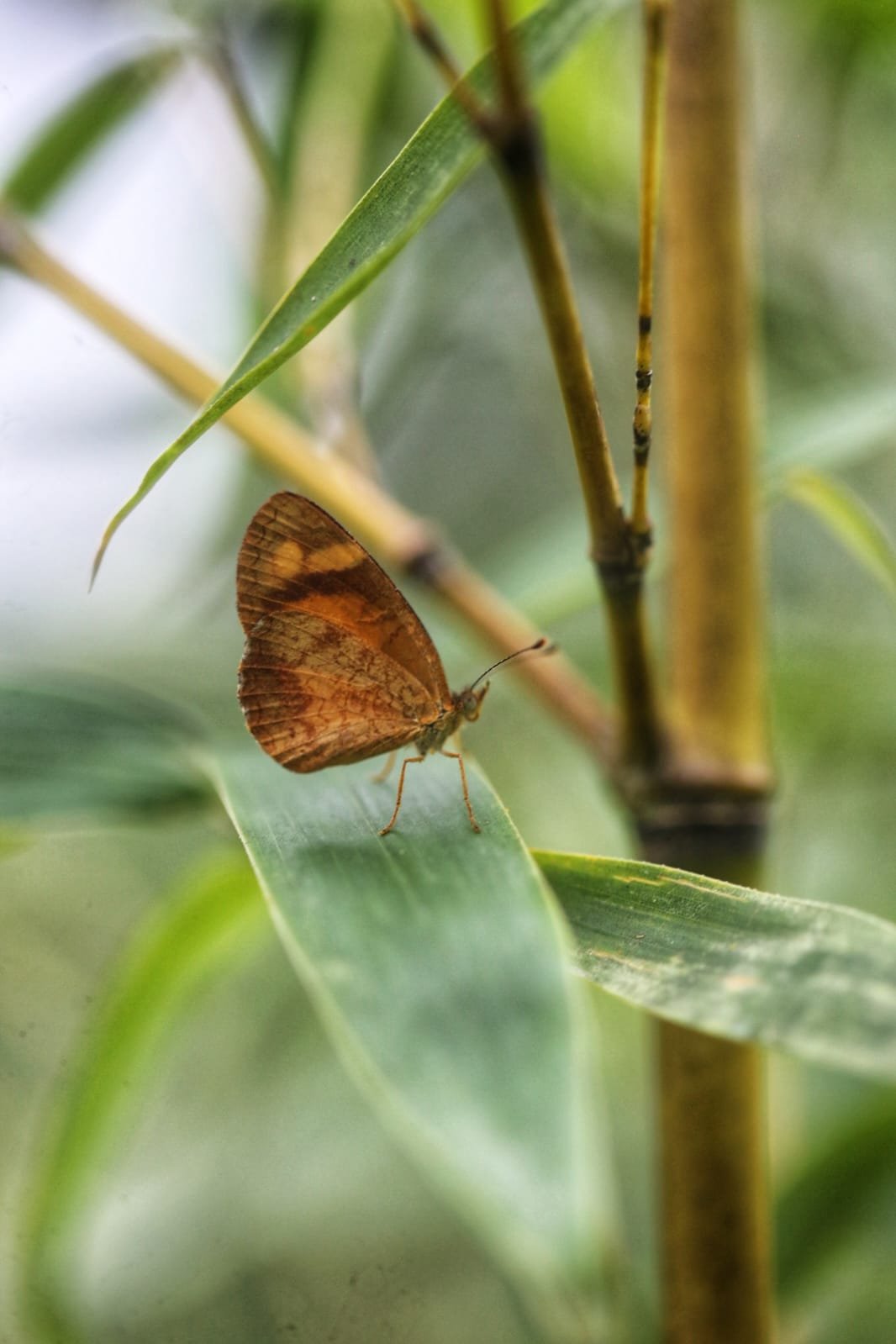
A Cloud Forest Adventure Between Boquete and Cerro Punta
A Legendary Hike Through Panama’s Cloud Forest
Hidden high in the mountains of western Panama lies one of the most beautiful and famous hiking routes in Central America: the Sendero Los Quetzales, commonly known as the Quetzal Trail.
This trail cuts through the misty cloud forests of Volcán Barú National Park, connecting the mountain town of Boquete with the agricultural highlands of Cerro Punta. Along the way, hikers pass through ancient forests filled with moss-covered trees, rushing mountain streams, and incredible biodiversity.
The trail is famous for one reason in particular: it is one of the best places in Panama to see the Resplendent Quetzal, a legendary bird that has been revered by indigenous cultures for centuries.
But the Quetzal Trail isn’t just a scenic stroll through the forest. It’s a serious wilderness hike, and anyone planning to attempt it should prepare properly.
This guide will walk you through everything you need to know before tackling the Quetzal Trail — including planning tips, what to bring, safety precautions, and how to get the most out of this unforgettable adventure.
Where the Quetzal Trail Is Located
The trail runs through Volcán Barú National Park, Panama’s most famous national park and home to the country’s highest mountain.
Key facts about the trail:
Distance: about 9.6 km (6 miles) one way
Typical hiking time: 5–7 hours
Elevation range: about 1,800–2,500 meters above sea level
Temperature: usually 10–16°C (50–60°F)
Difficulty: moderate to challenging
The trail links two ranger stations:
Alto Chiquero (Boquete side)
El Respingo (Cerro Punta side)
Both entrances are a short drive outside the towns, so transportation must be planned in advance.
Why the Quetzal Trail Is So Special
The trail is considered one of the most biodiverse hikes in Panama.
During the hike you pass through multiple ecosystems:
Cloud forest
Bamboo forest
Mountain streams
Alpine forest near the summit slopes
These environments support an incredible variety of wildlife.
Animals You Might See
Resplendent quetzal
White-faced capuchin monkeys
Toucans
Emerald hummingbirds
Tree frogs
Coatis
Hundreds of butterfly species
Birdwatchers especially love this hike because the high elevation forests are home to rare mountain birds that don’t exist anywhere else in Panama.
That said, despite the name, seeing a quetzal is never guaranteed — even experienced birders sometimes miss them.
Choosing Your Direction: Boquete or Cerro Punta
You can hike the trail in either direction, but each option feels very different.
1. Cerro Punta → Boquete (Most Popular)
Most hikers start from Cerro Punta.
Why?
Mostly downhill
Easier physically
Better for casual hikers
Even though it's downhill, it’s still a long hike and can be tough on your knees.
2. Boquete → Cerro Punta
Starting from Boquete means:
Mostly uphill
Harder physically
Slightly better chances of seeing wildlife early in the morning
Early morning wildlife activity is higher, which is why some experienced hikers prefer this direction.
What the Trail Is Like
The Quetzal Trail is not a polished tourist path. It’s a true jungle trail.
Expect:
Muddy sections
Narrow forest paths
Tree roots and rocks
Small bridges and streams
Fog and rain
In some areas the trail becomes steep, especially near the beginning and end.
Certain sections also contain forks in the trail, which is why people occasionally get lost.
Things to Be Careful About
Even experienced hikers underestimate this trail.
Here are the biggest things to watch out for.
1. Weather Changes Quickly
Cloud forests are unpredictable.
You may experience:
Sudden rain
Thick fog
Cold temperatures
Slippery terrain
Always bring a rain jacket and warm layer even if the day starts sunny.
2. Mud and Slippery Trails
The trail becomes extremely muddy during the rainy season.
This increases the risk of:
Slipping
Twisting an ankle
Slow hiking speed
The rainy months October through December can be especially slippery.
3. Getting Lost
Although the trail has some signage, there are multiple forks and side paths.
This can confuse hikers, especially in fog.
Many guides recommend:
Hiking with a guide
Downloading an offline GPS map
Starting early in the morning.
4. Transportation Logistics
One of the biggest challenges is getting back after finishing the hike.
If you start in Cerro Punta and finish in Boquete:
You must arrange transport
Taxis may not always be waiting
Many hikers arrange:
A pickup taxi
A shuttle
Or a guide who handles logistics.
5. Underestimating the Time
Even strong hikers take 5–7 hours to complete the trail.
Slow hikers may take longer.
You must start early, usually around 7 AM.
What to Bring for the Quetzal Trail
Preparation is key.
Essential Gear
Waterproof hiking boots
Rain jacket
1–2 liters of water
Snacks or lunch
Offline trail map
First aid kit
Headlamp (in case it gets dark)
Insect repellent
Optional but Helpful
Trekking poles
Binoculars (for bird watching)
Dry bag for electronics
Extra socks
Best Time of Year to Hike
The trail can be done year-round, but conditions change.
Best months
January – April
Drier trails
Better visibility
Less mud
Rainy season
May – December
More wildlife
Very muddy trails
Higher chance of fog and rain
Should You Hire a Guide?
You can hike it independently, but many people choose a guide.
Advantages of a guide:
Easier logistics
Higher chance of spotting wildlife
No risk of getting lost
Local knowledge of the forest
Birding guides are especially useful if you want to find a quetzal.
Final Thoughts
The Quetzal Trail is one of Panama’s most iconic hikes — a journey through misty cloud forests filled with wildlife and ancient trees.
Unlike many tourist trails, it still feels wild and untouched.
But that wilderness also means hikers need to respect the trail and prepare properly. With the right planning, good gear, and an early start, the hike can easily become one of the highlights of traveling through Panama.
For backpackers passing through the highlands between Boquete, Volcán, and Cerro Punta, this trail is an experience that shouldn’t be missed.