
Backpacking is supposed to be about adventure. You picture yourself hiking volcanoes, swimming under waterfalls, and eating mysterious street food that costs less than a cup of coffee back home. What most people don’t expect is that somewhere along the journey, between bunk beds and bus rides, there’s a decent chance a little romance sneaks into the story. Hostels, it turns out, are not just places to sleep. They are social laboratories where strangers become friends in about twelve minutes, and occasionally something a bit more interesting starts to happen.
There is something about the backpacking world that naturally sets the stage for meeting people. Everyone is slightly out of their comfort zone, slightly sunburned, slightly confused about the next bus schedule, and usually eager to talk to whoever is sitting nearby. The walls between strangers drop quickly when everyone has just survived a nine-hour bus ride with questionable air conditioning and a driver who treated speed bumps like personal enemies.
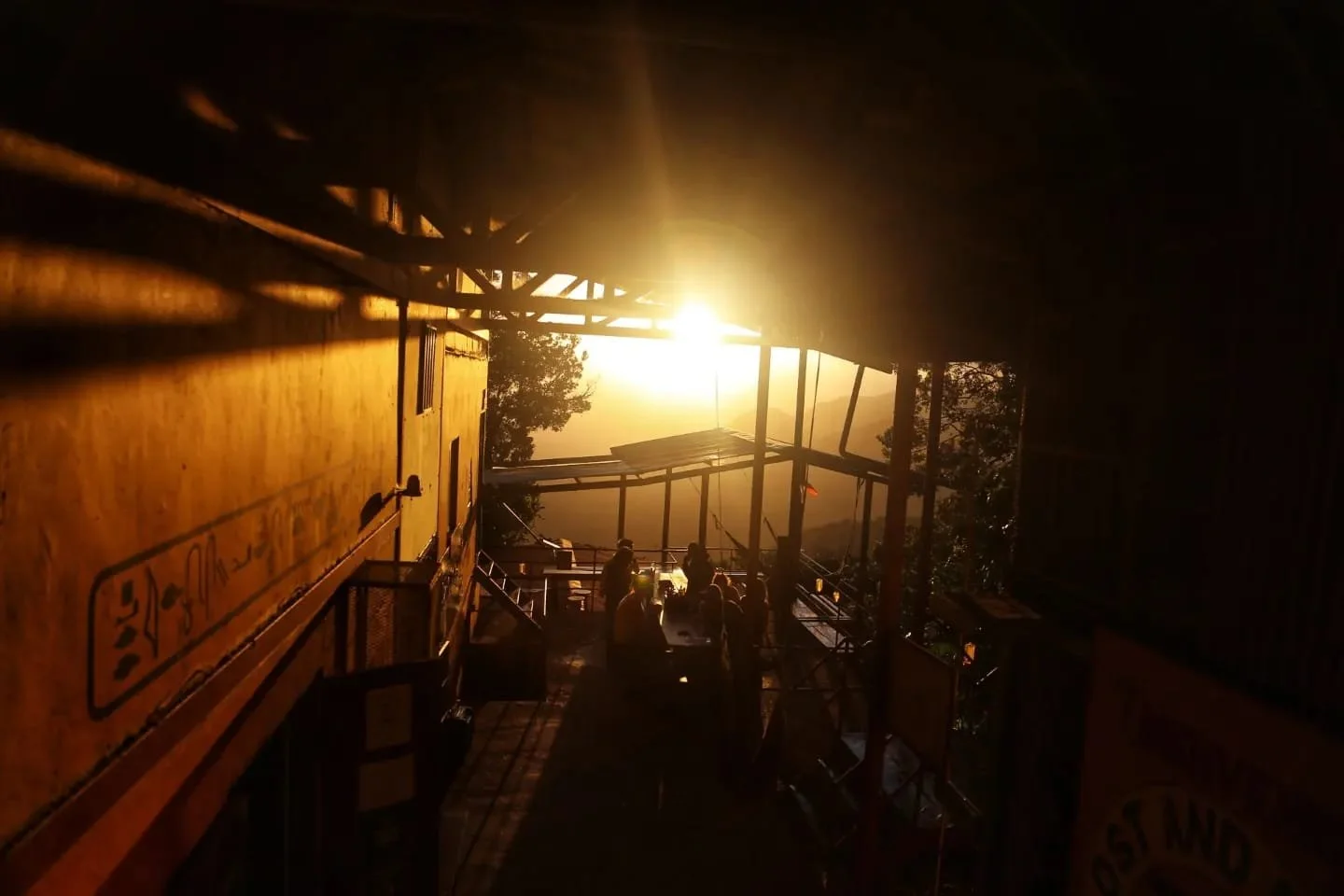
Nowhere does this dynamic feel more real than in remote hostels tucked away in the jungle. One of those places sits quietly on the winding mountain road between Boquete and Bocas del Toro, a place known to travelers as Lost and Found Hostel. It’s the kind of place where people arrive planning to stay one night and mysteriously end up staying four. Part of the reason is the hiking trails and cloud forest views. The other part is that everyone seems to be talking to everyone.
When a group of travelers from five different countries ends up sharing one dinner table, the conversations get interesting very quickly. Someone is explaining how they accidentally hitchhiked across an entire country. Someone else is telling a story about a monkey stealing their breakfast. And somewhere in that mix two people realize they’ve been talking for an hour straight without noticing the time.
Hostel romance doesn’t start the way it does in normal life. There’s rarely a dramatic movie moment where two people lock eyes across a crowded room. Instead it begins with something far more backpacker-appropriate, like borrowing someone’s lighter, sharing a travel tip, or asking the most common hostel question in history: “Where are you headed next?”
The funny thing about travelers is that everyone arrives with stories. Backpackers are professional storytellers by necessity. When your day includes jungle hikes, ferry rides, and trying to communicate in three languages at once, interesting things tend to happen. Good stories make people laugh, and laughter is a powerful social currency in hostels.
One of the most effective ways to meet someone while traveling is simply to say yes to things. Yes to the group hike. Yes to the communal dinner. Yes to the slightly chaotic card game happening at the corner of the table. The more you join in, the more the hostel begins to feel less like a building and more like a temporary village.
Lost and Found Hostel in particular has a way of turning strangers into companions for the day. Guests wake up, grab coffee, and suddenly a plan appears. Someone suggests hiking a trail. Someone else suggests looking for monkeys. Before long a small expedition forms and disappears into the forest together.
Shared adventures do something magical to human conversation. Walking through jungle trails, pointing out birds and strange insects, people naturally start talking about their travels, their homes, and the strange winding paths that led them to this particular place in the mountains.
By late afternoon the group usually returns to the hostel tired, muddy, and hungry. This is when the social energy really begins to build. Backpacks are dropped in dorm rooms, hammocks start swaying gently, and travelers gather around the café or lounge area like they’ve known each other for years instead of hours.
Dinner time at a social hostel is its own kind of comedy. Backpackers attempt to cook complicated meals with minimal ingredients and questionable kitchen equipment. Someone burns garlic. Someone drops pasta on the floor. Someone claims they know how to cook and then immediately proves that they do not.
But the food almost doesn’t matter. The real highlight is the conversation. Plates are passed around, drinks appear, and the stories start flowing again. Travel mishaps, ridiculous bus rides, strange wildlife encounters — it all becomes material for laughter.
Somewhere in this chaos, two people might drift into their own conversation. Maybe they’re talking about the places they’ve loved most on the road. Maybe they’re comparing the worst dorm room snoring experiences they’ve endured. Whatever the topic, the rest of the room gradually fades into the background.
Nighttime in the jungle adds another layer to the atmosphere. The forest outside becomes alive with sound. Frogs begin their nightly orchestra, insects buzz through the air, and the sky fills with stars that city dwellers rarely get to see.
This is usually when someone suggests the famous hostel night walk. Flashlights appear, a small group gathers, and suddenly everyone is wandering through the forest looking for wildlife.
Night walks are strangely romantic adventures. Everyone moves slowly along the trail, whispering whenever someone spots a frog or a tarantula or something mysterious hiding in the leaves. There’s a shared sense of excitement, the kind that makes people laugh quietly and lean closer to each other while peering into the darkness.
At some point someone inevitably jumps at a rustling sound in the bushes, which sends the entire group into laughter. Fear and humor mix together perfectly in the jungle, and it’s surprisingly effective at breaking down social barriers.
Back at the hostel the night usually continues with music, drinks, and the occasional deep philosophical discussion about life, travel, and why every backpacker eventually loses at least one pair of socks somewhere along the journey.
What makes hostel romance unique is its sense of freedom. There are no complicated expectations. People are simply enjoying the moment, sharing a place, and seeing where conversations lead.
Sometimes nothing more happens than a great conversation and a long laugh under the stars. Other times two travelers decide to explore the next destination together, turning a solo trip into a temporary partnership on the road.
Backpacking teaches people to embrace these spontaneous connections. When you’re constantly moving, you learn to appreciate the brief but meaningful friendships that appear along the way.
Even when travelers part ways, the memory sticks around. Years later someone might remember a random jungle hostel, a night walk through the forest, and the person they shared that moment with.
The funny thing is that nobody really plans for romance while backpacking. It just quietly appears when people least expect it, somewhere between the shared dinners, the jungle hikes, and the laughter echoing through a hostel at night.
And if nothing else, the road guarantees one truth: somewhere in the world right now, two backpackers are falling in love while trying not to wake the entire dorm room climbing down from the top bunk.