
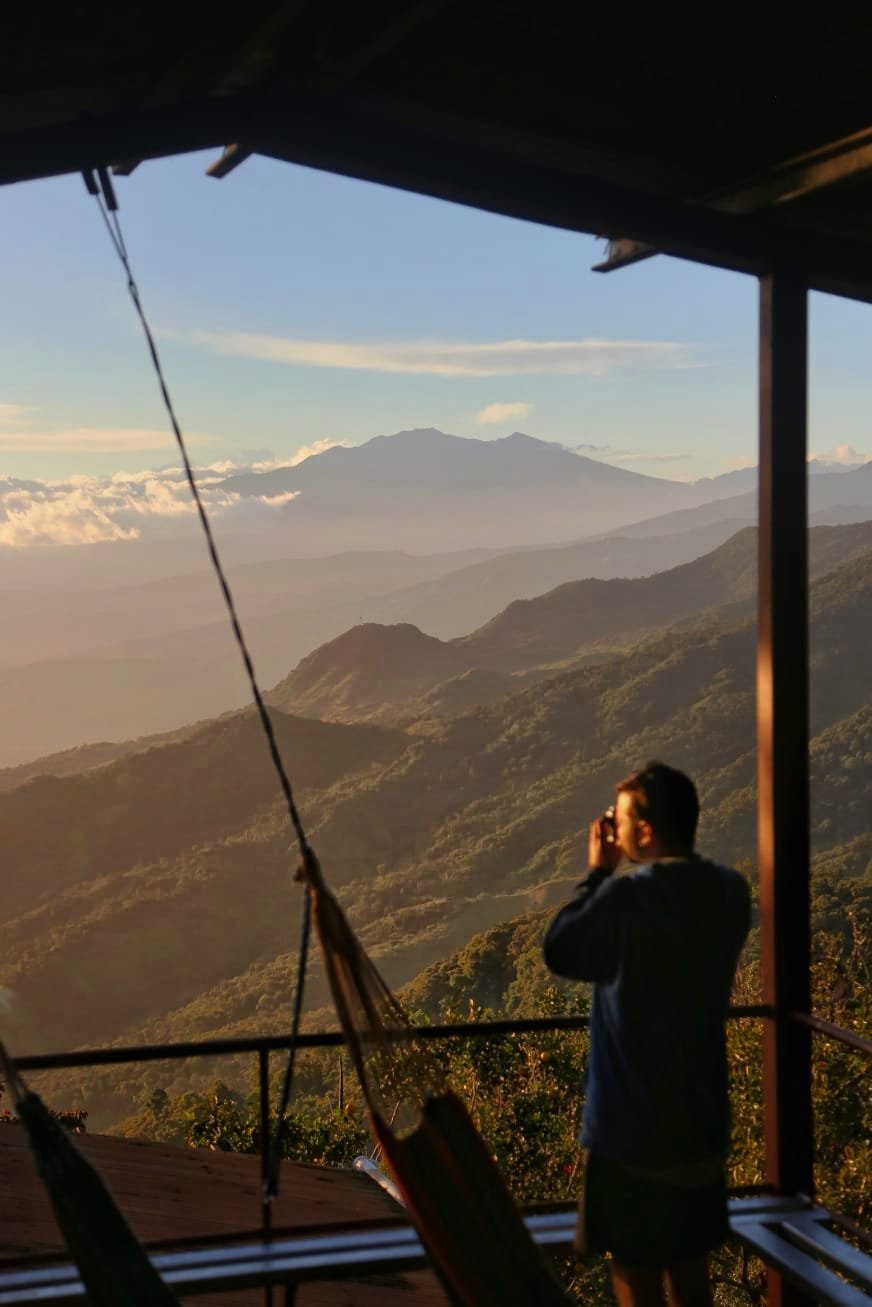
For many travelers planning a trip to Central or South America, one of the first questions that comes up is safety. The good news is that Panama has built a strong reputation over the past two decades as one of the safer and more stable destinations in the region. Thanks to a relatively strong economy, modern infrastructure, and a tourism industry that continues to grow every year, travelers generally find that Panama feels comfortable, welcoming, and easy to navigate. While no country is completely free of crime, Panama consistently ranks among the safer places to visit in Latin America, especially when compared with many countries further south.
When looking at safety statistics, Panama typically falls somewhere in the middle range globally but performs well when compared with much of the region. The country’s homicide rate in recent years has hovered around 12 to 13 per 100,000 people, which is lower than many Latin American countries and significantly below some nations in Central America. Importantly for visitors, most violent crime in Panama is concentrated in specific urban neighborhoods and is usually linked to gang activity or drug trafficking rather than tourists. Travelers moving through common destinations like Panama City’s historic districts, the mountain town of Boquete, the islands of Bocas del Toro, or the Pacific beaches generally experience very little trouble.
When comparing Panama to Costa Rica, the two countries share many similarities in terms of safety and tourism infrastructure. Both nations attract large numbers of international travelers every year and have well-developed travel industries designed to support visitors. Costa Rica has long been known as one of the safest countries in Central America, but in recent years crime rates there have risen slightly, especially in major tourist areas where petty theft has become more common. Panama’s crime index is often reported slightly lower than Costa Rica’s, and surveys frequently show that people feel somewhat safer walking alone at night in Panama than in Costa Rica. That said, the practical experience for travelers in both countries is very similar. Petty crimes such as pickpocketing, phone snatching, and opportunistic theft are the most common issues in both places, particularly in crowded areas like bus terminals, nightlife districts, and busy markets.
Colombia, by comparison, has undergone an incredible transformation over the last twenty years but still presents a different safety profile. Cities such as Medellín, Bogotá, and Cartagena have become major international travel destinations and are far safer today than they were decades ago. However, Colombia still experiences higher overall crime rates than Panama or Costa Rica, and some regions of the country remain unstable due to organized crime and remnants of armed groups. Visitors to Colombia are often advised to be more cautious when moving around cities at night, to avoid certain neighborhoods entirely, and to rely on registered taxis or ride-sharing apps instead of walking between districts. While millions of tourists visit Colombia safely every year, Panama and Costa Rica are generally considered easier destinations for first-time travelers to the region.
Even though Panama is considered safe overall, there are still certain areas where travelers should exercise more caution. In Panama City, neighborhoods such as El Chorrillo, Curundú, and parts of San Miguelito are known to have higher crime rates and are not typically places tourists need to visit anyway. Most travelers spend their time in districts like Casco Viejo, the Cinta Costera waterfront, El Cangrejo, or Punta Pacifica, which are far safer and well-patrolled. Another place where visitors should stay aware is around large transportation hubs such as the Albrook Bus Terminal, which is one of the busiest bus stations in Central America. The area is generally safe, but the sheer number of people moving through it creates opportunities for pickpockets and bag theft.
Outside of the capital, Panama tends to feel extremely relaxed. Mountain towns such as Boquete and Volcán are known for being quiet and peaceful, while beach destinations along both the Caribbean and Pacific coasts are popular with backpackers and surfers. In these areas the biggest risks are usually small things like leaving valuables unattended at the beach or walking alone late at night after bars close.
For solo female travelers, Panama is generally considered a welcoming and manageable destination. Many women travel through the country independently each year without major problems, especially in popular backpacker destinations where hostels and tour operators create a strong sense of community. However, like in many parts of the world, there are a few precautions that can make the experience smoother. Walking alone late at night in quiet areas is best avoided, particularly in big cities. Using registered taxis, ride-sharing apps, or transportation arranged by hotels or hostels is usually the safest way to move around after dark. It’s also a good idea to keep an eye on drinks in nightlife settings and avoid accepting rides or invitations from strangers you have just met.
Another thing female travelers sometimes notice in Panama is occasional street comments or catcalling, particularly in cities. While this behavior is generally more annoying than threatening, it can still feel uncomfortable for some visitors. Dressing modestly in certain areas and walking with confidence often helps minimize unwanted attention, though most travelers find that people are friendly and respectful overall.
There are also a few general travel precautions that apply throughout the country. Keeping phones and wallets secure in crowded places is important, as opportunistic theft can happen anywhere people gather in large numbers. Travelers should also be aware that protests occasionally block highways in Panama, particularly the Pan-American Highway, which can cause significant travel delays even though demonstrations are usually peaceful. Finally, when exploring remote natural areas such as jungle trails or islands, it’s always best to let someone know where you are going and travel with others whenever possible.
Overall, Panama stands out as one of the most approachable destinations in Latin America for travelers seeking a mix of adventure, nature, and culture without the higher safety concerns sometimes associated with the region. When compared with Costa Rica, the safety levels are very similar, with Panama sometimes edging slightly ahead in certain crime statistics. Compared with Colombia, Panama generally presents fewer security concerns and requires fewer precautions for first-time visitors. With a little common sense and awareness, travelers usually find that Panama is not only safe, but one of the easiest and most enjoyable countries in the region to explore.