
If there’s one animal that perfectly embodies the relaxed, unhurried spirit of Panama, it’s the sloth. These gentle, slow-moving creatures inhabit forests across the country, from the misty cloud forests of Boquete and Chiriquí to the tropical lowlands near Panama City, the Caribbean coast, and the islands of Bocas del Toro. Observing a sloth in its natural habitat is more than a wildlife encounter; it is a rare and magical experience that invites travelers to slow down and observe life from a completely different perspective. Sloths are masters of patience, survival, and camouflage, and watching one navigate the trees with deliberate movements is a lesson in nature’s ingenuity. Panama, with its diverse ecosystems — from mangrove-lined coasts to misty highland cloud forests — provides some of the best sloth-viewing opportunities in the world, and each region offers its own unique glimpse into their fascinating lives.
Sloths in Panama belong to two distinct families: three-toed sloths (Bradypodidae) and two-toed sloths (Megalonychidae), each with unique characteristics and behaviors. The most common is the brown-throated three-toed sloth, easily identified by its round face, gentle smile, and three long claws on each limb. These claws allow it to hang effortlessly upside down in the trees, sometimes for hours or even days. Their movement is famously slow, averaging only 0.03 miles per hour, which is key to avoiding predators such as jaguars, harpy eagles, and ocelots. Algae often grows in their fur, giving them a greenish tint that blends perfectly with the forest canopy. This algae not only helps camouflage them but also creates a miniature ecosystem, providing food and habitat for tiny insects and moths that live exclusively in sloth fur. Three-toed sloths are almost entirely arboreal, feeding mainly on leaves, flowers, and fruit, and they descend to the forest floor only about once a week to defecate — a dangerous and energy-intensive behavior that researchers believe may help fertilize the trees they inhabit.
The Hoffmann’s two-toed sloth, slightly larger than the three-toed, is more nocturnal and exhibits slightly faster, though still deliberate, movements. Unlike its three-toed cousin, it has two long claws on its forelimbs and a more pronounced snout. Its diet is more varied, sometimes including small birds’ eggs or lizards, in addition to leaves and fruit. Two-toed sloths are surprisingly agile for their size, especially in the trees, and are excellent swimmers, often using rivers and streams to move across their habitat. Their nocturnal lifestyle means daytime sightings are rarer, making them a thrilling discovery for patient observers. Two-toed sloths also tend to have a longer lifespan in the wild than three-toed sloths, often living over 20 years, while three-toed sloths average around 15 years in the wild. Observing both species in their natural environment allows travelers to appreciate subtle differences in behavior, diet, and locomotion.
There are also subspecies within these families, each adapted to different regions of Panama. The pale-throated three-toed sloth, often found in the Caribbean lowlands, has lighter facial markings and fur and is slightly more active during the day. Brown-throated sloths dominate the lowlands and mid-elevation forests, including Soberanía National Park, Chagres National Park, and the islands of Bocas. Both species are equipped with remarkable adaptations, including strong, flexible limbs for grasping branches, a slow metabolism that conserves energy, and a low body temperature that matches the ambient climate. This combination allows sloths to survive on a diet of leaves, which are low in calories and nutrients, while remaining largely hidden from predators.
Sloths are more than just slow movers; their behavior and biology are fascinatingly complex. They sleep between 15 and 20 hours a day, have a metabolic rate half that of similar-sized mammals, and digest their food extremely slowly — sometimes taking up to a month to fully digest a single meal. They are expert climbers, relying on their curved claws and muscular grip to move through the canopy with incredible stability. Despite their deliberate movements, they are surprisingly strong and can hang from a branch for hours without tiring. They also play a crucial ecological role: their diet influences tree growth, their defecation helps fertilize the forest floor, and their fur algae contribute to the rainforest’s microecosystem. Some studies even suggest that sloths host unique microbial communities that help digest their tough, leafy diet, making them living examples of nature’s remarkable adaptations.
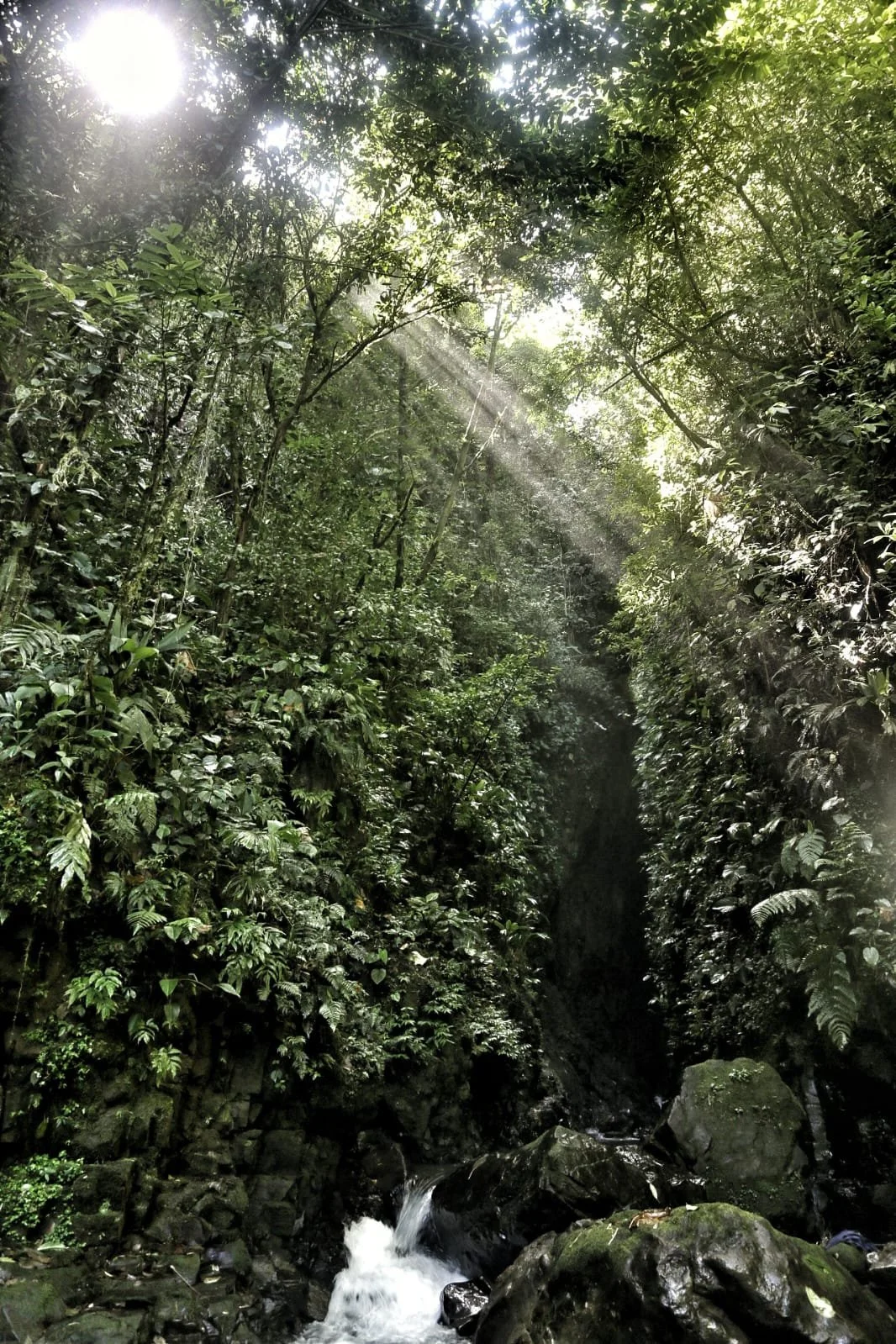
The best way to see sloths in Panama is by exploring a combination of ecosystems. Lowland tropical forests, such as Soberanía National Park near Panama City and Parque Nacional Chagres, are excellent for spotting brown-throated three-toed sloths. Trails like Pipeline Road in Soberanía provide guided walks that reveal sloths hidden high in the canopy, alongside colorful toucans, parrots, monkeys, and butterflies. For higher elevations, the cloud forests around Boquete and Chiriquí Province offer an ethereal setting where three-toed sloths cling to moss-covered branches amidst orchids, bromeliads, and mist-laden trees. Trails like the Quetzal Trail and Los Quetzales National Park are perfect for those seeking a combination of hiking, birdwatching, and slow wildlife observation. Early morning and late afternoon are prime times for spotting activity, while the quiet misty atmosphere of the cloud forest enhances the feeling of immersion in the natural world.
A unique highlight is the Lost and Found Hostel, located in the Fortuna Cloud Forest. Its surrounding trails and streams are perfect habitats for both three-toed and occasional two-toed sloths. Staying overnight allows travelers to experience sloths at different times of day, observe feeding or climbing behavior, and hear the forest come alive with birds, frogs, and insects. The hostel also offers a rare opportunity to combine social interaction with wildlife observation, creating a balance between adventure, comfort, and immersion in nature. Walking quietly along the trails, it’s common to spot a sloth slowly navigating branches, stretching a limb, or resting in a mossy tree — a reminder of the delicate balance of life in the rainforest.
Bocas del Toro also provides excellent sloth-viewing opportunities. Isla Bastimentos and Red Frog Beach feature protected forests where three-toed sloths are commonly found. These islands’ ecosystems are quieter than mainland parks, allowing travelers to observe sloths in a more undisturbed environment. A short walk through forest trails from the beaches can reveal sloths hanging in the canopy, while the surrounding wildlife — monkeys, iguanas, birds, and amphibians — enriches the experience. Traveling by boat to these islands offers additional scenic beauty, with turquoise waters, mangroves, and distant mountains framing a truly tropical adventure.
The journey itself to view sloths in Panama is as spectacular as the animals themselves. Traveling between Bocas del Toro, Boquete, and Chiriquí exposes visitors to a variety of landscapes, including Caribbean beaches, banana and coffee plantations, misty highlands, winding rivers, and lush valleys. Along these routes, it is often possible to spot sloths even from buses or shuttles, as they hang high in roadside trees. The gradual change in climate and vegetation—from humid lowlands to cooler cloud forests—demonstrates the adaptability of sloths to a range of environments, and highlights the diversity of Panama’s ecosystems. The combination of careful observation, patience, and travel through varying habitats maximizes both sightings and appreciation of these remarkable creatures.
To increase the chances of sightings, travelers should plan early morning or late afternoon excursions, move quietly through the forest, and consider hiring knowledgeable guides who know where sloths are likely to be found. Binoculars are essential for spotting sloths high in the canopy, and a careful scan of cecropia trees, fig trees, and other preferred species can yield rewarding discoveries. Combining lowlands, highlands, and islands allows one to observe both three-toed and two-toed species, witness feeding and resting behaviors, and see how these animals interact with their environment. Staying overnight at Lost and Found Hostel or in other forest lodges adds an immersive element, giving visitors more chances to observe subtle behaviors like grooming, stretching, or slow movements from branch to branch.
Sloths are a living testament to adaptation and survival. Their slow metabolism, unique climbing abilities, camouflaging fur, and low-energy lifestyle make them incredibly resilient in a challenging environment. Observing them is a meditation in motion, reminding travelers of the value of patience, attention to detail, and the beauty of moving at one’s own pace. From lowland forests near Panama City to the Caribbean islands, to misty highlands and cloud forests around Boquete and the Lost and Found Hostel, every encounter is an opportunity to connect deeply with nature, witness remarkable evolutionary adaptations, and embrace the slow, serene rhythm of the rainforest.
Panama’s sloth-viewing opportunities are unmatched: from the Caribbean coast to inland reserves, from protected islands to highland cloud forests, and from short hikes to overnight stays in immersive lodges, travelers are offered experiences that combine wildlife observation, adventure, and ecological education. Observing sloths is not just about spotting an animal — it is about understanding their unique behaviors, appreciating the intricate ecosystems they inhabit, and embracing a slower, more mindful pace in life. The country’s diverse habitats, protected areas, and accessibility make it a paradise for nature enthusiasts, wildlife photographers, and anyone seeking a meaningful connection to the natural world.