
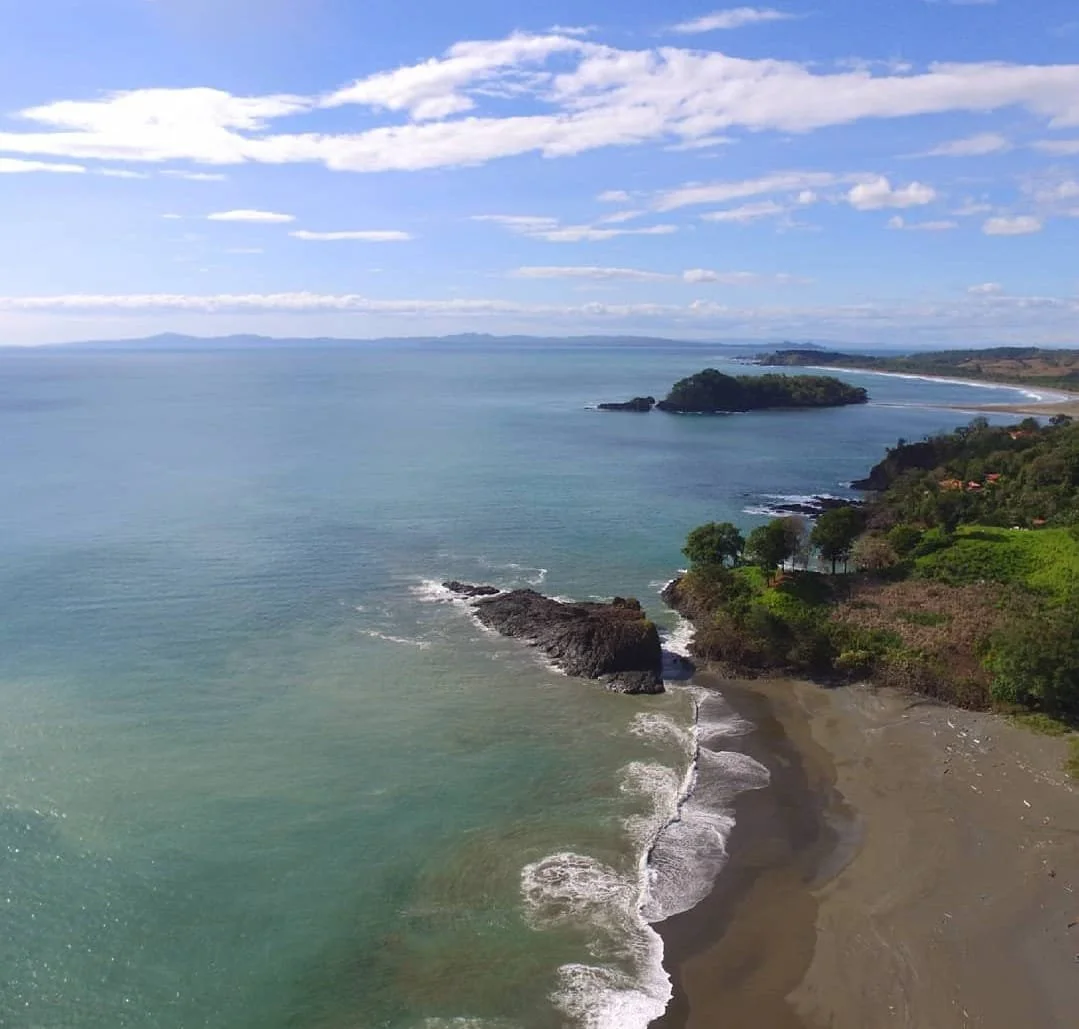
Backpacking in Panama feels less like travel and more like being pulled through a series of unfolding worlds, each one revealing itself only when you’re ready to leave the last behind. It’s not linear. It doesn’t follow a strict plan. It moves like a current—sometimes fast, sometimes still—guiding you from one atmosphere to another, each with its own energy, its own rhythm, its own quiet magic. You don’t just pass through Panama. You drift through it, and somewhere along the way, it begins to change you. Not suddenly, not dramatically—but slowly, subtly, like a tide rising beneath your feet.
It begins in Panama City, where glass towers rise into the sky and the ocean reflects a restless, electric energy. At first, it feels like any modern capital—alive, loud, constantly moving. Traffic hums, voices echo, and everything seems to demand your attention at once. But then you wander into Casco Viejo, and something shifts. Time folds in on itself. The streets whisper stories through their crumbling walls, balconies lean toward each other as if sharing secrets, and music lingers in the air long after it’s been played. You notice how the light hits the old stone, how footsteps echo differently on narrow streets, how conversations feel slower here, more intentional.
Even the massive Panama Canal, with its slow-moving giants crossing between oceans, feels less like infrastructure and more like a quiet force—something ancient disguised as modern. You stand there watching ships pass, and for a moment, everything feels suspended. It’s as if the country is showing you its power, but also its patience. This is where the journey begins, but it already feels like something deeper is waiting beneath the surface, something you can’t quite name yet.
And then, almost suddenly, the city releases you.
You leave behind the noise and movement, and the road carries you into something softer, something quieter, until you arrive in the San Blas Islands. Here, time dissolves completely. The water is too clear to be real, the sand too white, the horizon too perfect. There is nothing here to distract you—no signal, no urgency, no reason to rush. Just the rhythm of waves and the slow passage of the sun overhead. You begin to notice things again: the way the light changes throughout the day, the sound of wind brushing through palm trees, the gentle repetition of the ocean breathing in and out.
Days stretch into something undefined. You wake with the sun, swim without purpose, eat when food appears, and sleep when the sky fades into darkness. Conversations happen slowly, without interruption, without the constant pull of elsewhere. It’s not just a place—it’s a pause. A quiet unwinding of everything you didn’t realize you were carrying. And in that stillness, something inside you begins to settle.
From there, the land rises again, pulling you inward toward the green heart of El Valle de Antón. Hidden inside an ancient volcanic crater, it feels like a place the world forgot to reclaim. Mist lingers in the trees, drifting between branches like something alive. Waterfalls fall endlessly into jungle pools, their sound echoing through the valley like a constant reminder of movement and time. The air is thicker here, richer with life, and every step feels like it carries you deeper into something unknown.
You walk without destination, guided only by curiosity. Trails twist and disappear, reappearing in unexpected places. Birds call from unseen branches, insects hum in the background, and the forest seems to shift around you as you move. It’s not just a landscape—it’s an environment that invites you to slow down, to listen, to exist within it rather than pass through it. Your thoughts quiet. Your senses sharpen. You begin to feel more present, more aware, more connected.
But Panama never lets you stay in one state for too long.
The ocean calls again, and you answer it in Santa Catalina, where time doesn’t just slow—it stretches. Days blur into each other in a haze of sun, salt, and golden light. The horizon feels endless, as if the world extends far beyond what you can see. Sunsets linger impossibly long, painting the sky in colors that feel almost unreal, as if the day itself is reluctant to end.
There is a quiet rhythm here, one that doesn’t need to be explained. Mornings begin slowly, with the sound of waves and the distant sight of surfers moving toward the horizon. Afternoons dissolve into heat and stillness, where even time seems to pause. And then evenings arrive, bringing people together in a way that feels natural, effortless. Conversations flow easily. Stories are shared without hesitation. It’s a place where connections form without intention, where people meet not because they planned to, but because they happened to be in the same moment at the same time.
And then, once again, the landscape shifts.
The mountains rise, drawing you upward into Boquete, where the air cools and the clouds drift low enough to touch. The world feels different here—quieter, deeper, layered with a sense of calm that settles into your body. Mist rolls through the valleys, revealing and hiding the landscape in slow, deliberate movements. Trails disappear into the forest, inviting you to follow without knowing exactly where they lead.
You hike through cloud forests where every step feels suspended between earth and sky. You breathe in air that feels cleaner, lighter, almost new. Coffee grows quietly on the slopes, rooted in volcanic soil that has shaped this land for centuries. Everything here feels grounded, steady, present. It’s a place that doesn’t demand anything from you—it simply exists, and in doing so, invites you to do the same.
And then, almost as if it has been waiting for you this entire time, you find it.
Hidden deep in the jungle, suspended between worlds, lies Lost and Found Hostel.
You don’t just arrive here—you stumble into it, as if guided by something unseen. The journey in feels uncertain, winding through landscapes that grow more remote with every turn. And just when it feels like you’ve gone too far, like you’ve left everything behind, it appears.
From the moment you step into it, something shifts.
This is not just a hostel. It feels like a threshold—a place between places, where the outside world fades and something else takes its place. Built by backpackers who understood the deeper rhythm of travel, it exists outside of expectation. There are no distractions here, no easy exits, no reason to rush. The jungle surrounds you completely, holding you in a space that feels both isolated and deeply connected.
And in that space, something rare begins to happen.
People open up.
Conversations begin without introduction, as if they were always meant to exist. Strangers become familiar in a matter of hours, drawn together by the shared experience of being here, in this place that feels both hidden and essential. There is a sense of presence that’s hard to explain—an awareness that this moment matters, that this place matters, that the people around you matter.
Days unfold without structure. You follow jungle trails that seem to lead both outward and inward. You sit overlooking valleys that stretch endlessly into green, watching clouds move like slow rivers through the mountains. You listen—to the forest, to the silence, to yourself.
And then night falls, and everything shifts again.
There’s a pull—subtle at first, then undeniable. People gather, not because they have to, but because it feels right. Stories emerge, laughter builds, and the energy grows into something alive. Time becomes fluid, slipping away unnoticed as moments stretch beyond their edges. It feels ancient, almost ritualistic—a gathering point where travelers have come together long before you, and will continue to do so long after you’ve gone.
It is chaotic, alive, imperfect—and completely real.
This is why it stays with people.
Not because of what it offers, but because of what it reveals.
It strips away everything unnecessary—plans, distractions, expectations—and leaves only what matters: connection, experience, presence. It’s not something you pass through. It’s something that becomes part of you.
And eventually, you leave.
The journey continues, pulling you down toward the Caribbean, into the vibrant, shifting energy of Bocas del Toro. Here, the world bursts back into motion. Colors are brighter, sounds are louder, everything feels heightened. Boats move between islands, music drifts across the water, and life unfolds in a constant state of movement.
You explore, you swim, you dance, you lose track of time again—but in a different way now. Because something has changed.
Beneath the movement, beneath the laughter and the music, there is a stillness you recognize. A memory of the jungle, of the quiet, of the place where everything slowed down and became something more.
Backpacking in Panama is not just a route. It’s a passage. A sequence of transformations, each one guiding you deeper—not just into the country, but into yourself. It teaches you to move, to pause, to connect, and to let go.
And somewhere along that path, hidden in the mountains, is a place that feels like it was never meant to be found.
And yet, somehow, you do.