
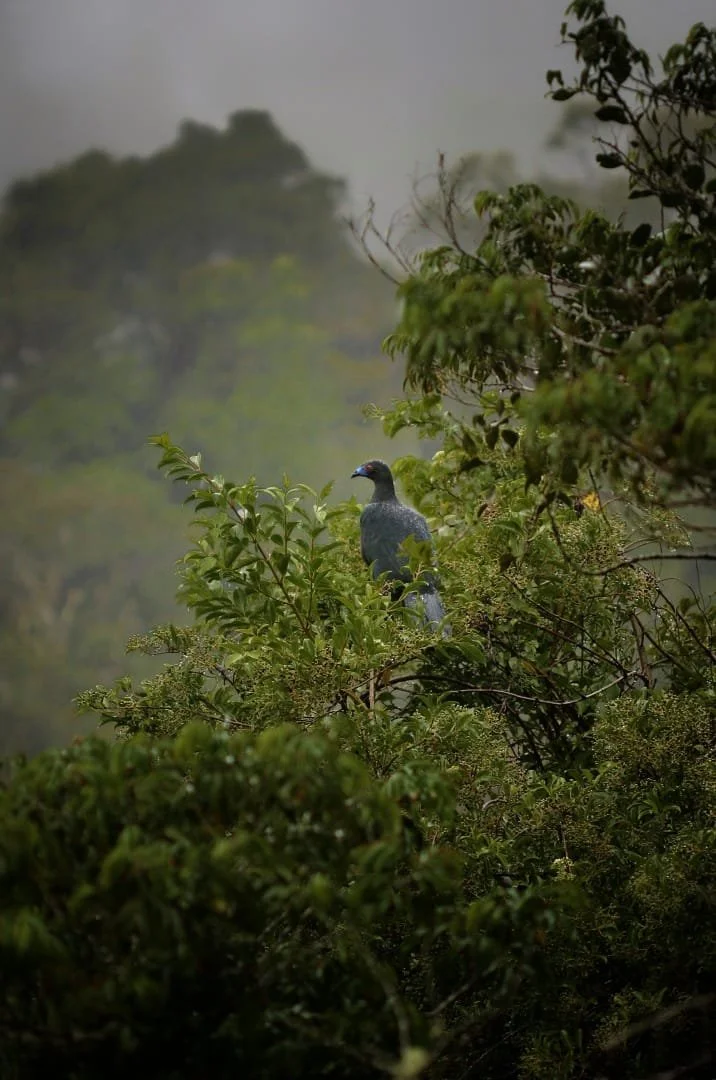
High in the cloud-kissed mountains of Panama, where cool air rolls through valleys layered with rainforest and volcanic soil nourishes every root, a quiet transformation reshaped the global coffee world. This is the home of Geisha coffee—a bean so refined, so complex, and so rare that it has come to symbolize the absolute peak of specialty coffee. What began as a little-known varietal has evolved into one of the most coveted agricultural products on Earth, commanding record-breaking prices and drawing coffee enthusiasts from every corner of the globe. But beyond the headlines and luxury status lies a deeper story—one of environment, precision, patience, and a near-perfect alignment between nature and human craft.
Although Geisha coffee traces its origins back to Ethiopia, it was in the highlands of Panama where it truly found its identity. Regions like Boquete and nearby Volcán offer ideal growing conditions that are almost impossible to replicate elsewhere. Elevations often exceed 1,500 meters, and at these heights, coffee plants grow more slowly due to cooler temperatures. This extended maturation period allows sugars and compounds within the coffee cherry to develop more fully, resulting in extraordinary complexity. Add to this the rich volcanic soil, consistent rainfall, and the unique microclimates created by surrounding cloud forests, and you have a natural environment that seems designed specifically for producing exceptional coffee. The balance of sunlight, shade, altitude, and moisture gives Geisha beans their signature clarity and vibrancy—qualities that are incredibly difficult to achieve elsewhere in the world.
What truly sets Geisha coffee apart is its flavor profile—something that consistently surprises even seasoned coffee drinkers. This is not the heavy, bitter coffee many people are used to. Instead, Geisha offers a delicate, tea-like body with explosive aromatics. Notes of jasmine, bergamot, tropical fruits, citrus, and honey are commonly found, often layered in a way that evolves as the coffee cools. The aroma alone can be intoxicating, filling the air with floral and fruity scents that feel closer to fine perfume than a morning brew. Each cup becomes an experience, not just a drink. It’s a coffee that invites you to slow down, to pay attention, to taste intentionally. For many, their first encounter with Geisha is transformative—it completely redefines what coffee can be.
The turning point for Geisha coffee came in 2004 at the prestigious Best of Panama competition. When Panamanian producers submitted Geisha beans, the results stunned judges and buyers alike. The coffee scored at unprecedented levels and fetched prices that shattered previous records. Overnight, the global coffee industry took notice. What had once been a niche varietal became the most sought-after coffee in the world. Auctions began to see Geisha lots selling for hundreds—and eventually thousands—of dollars per pound. The name “Geisha” became synonymous with luxury, quality, and rarity, and Panama found itself at the center of a global coffee movement.
But behind the prestige lies an enormous amount of work and risk. Geisha plants are notoriously difficult to cultivate. They are more fragile than other coffee varieties, more susceptible to disease, and they produce lower yields. Farmers must invest significant time and resources into maintaining these plants, often with no guarantee of success. Harvesting is done by hand, with workers carefully selecting only the ripest cherries at the perfect moment. Even after harvesting, the process is far from over. The beans must be processed with extreme precision—whether through washed, natural, or honey methods—to bring out their full potential. Each decision along the way affects the final flavor, and even small mistakes can compromise the quality. This level of care is one of the reasons Geisha coffee is so rare—and why it commands such high prices.
In regions like Boquete, coffee farms have become destinations for travelers seeking to understand this process firsthand. Visiting a Geisha-producing farm is unlike a typical coffee experience. Guests can walk through plantations set against dramatic mountain backdrops, learn about cultivation techniques, and witness the intricate steps that go into producing each batch. Tastings are conducted with the same level of detail as wine tastings, often using precise brewing methods like pour-over or siphon to highlight the coffee’s delicate characteristics. These experiences offer a deeper appreciation not only for the coffee itself, but for the people and environments that make it possible.
Geisha coffee has also had a profound impact on Panama as a whole. It has elevated the country’s reputation on the global stage, turning it into a destination for coffee connoisseurs and industry professionals alike. It has encouraged innovation among farmers, who continue to experiment with new processing techniques and push the boundaries of what coffee can achieve. At the same time, it has created economic opportunities, allowing producers to earn higher returns for their work and invest further in quality and sustainability. In many ways, Geisha has become a symbol of national pride—a reflection of what Panama can produce when everything comes together at the highest level.
Despite its luxury status, Geisha coffee remains deeply connected to the land. It is still grown in remote, mountainous regions, still dependent on natural conditions, and still shaped by the hands of those who cultivate it. Every cup represents not just a product, but a process—one that involves patience, skill, and respect for nature. It’s a reminder that even in a world driven by speed and scale, true excellence often comes from slowing down and focusing on the details.
There’s also an emotional element to Geisha coffee that’s hard to quantify. Drinking it is not just about taste—it’s about connection. Connection to a place, to a craft, and to a moment. Whether you’re sipping it in a small café in Boquete, enjoying it at a tasting session on a mountainside farm, or brewing it carefully at home, there’s a sense that you’re part of something rare and special. It’s not a daily coffee for most people—it’s an experience reserved for when you want to truly appreciate what coffee can be.
In the end, Geisha coffee is more than just a beverage—it’s a story in a cup. A story of origin, discovery, innovation, and dedication. It represents the meeting point of nature and human effort at its highest level. And in the highlands of Panama, where clouds drift through coffee trees and time seems to slow just enough for perfection to take shape, that story continues to evolve with every harvest.