
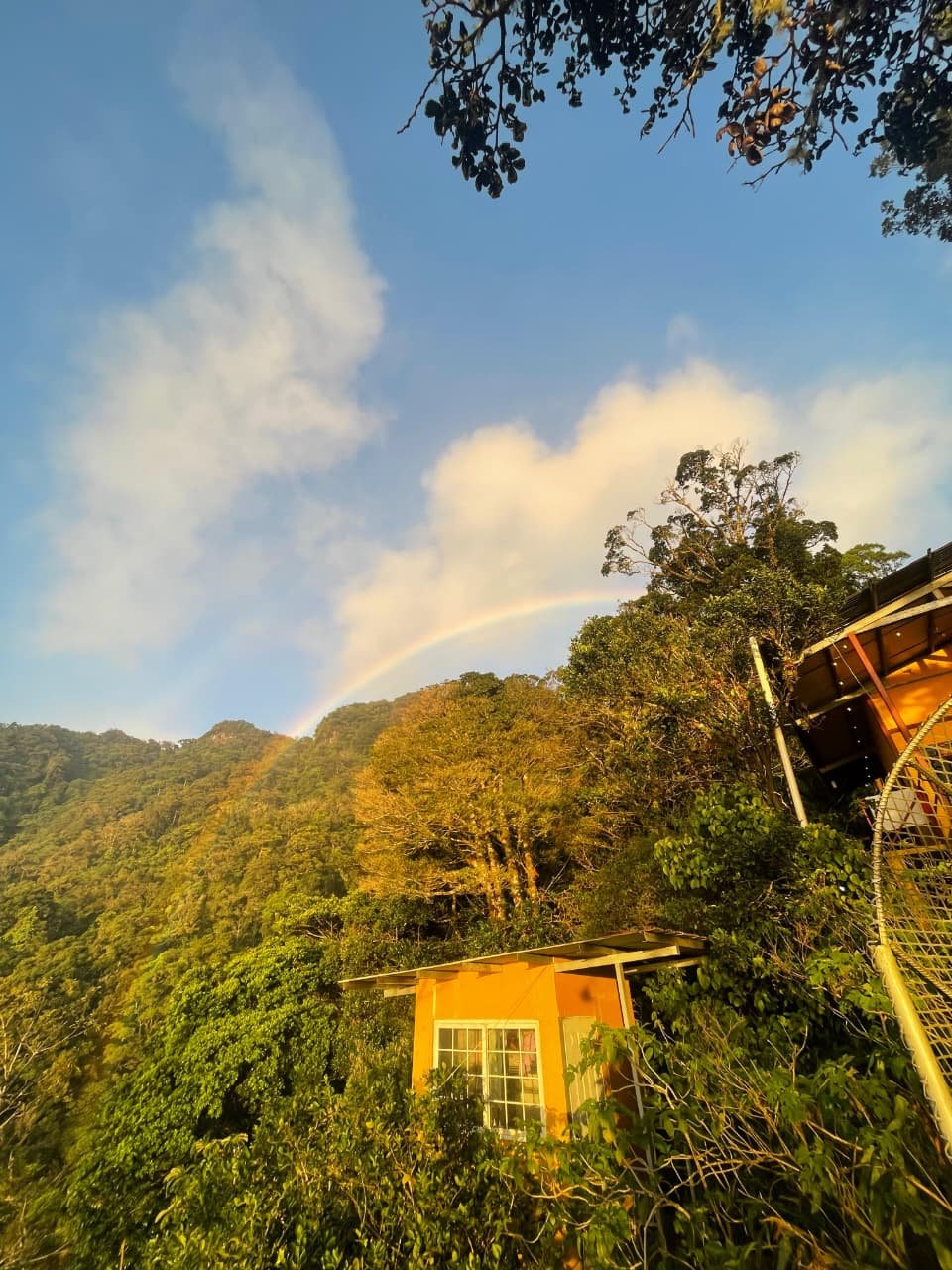
Planning a trip through Panama today is no longer about picking up a single guide and following it from cover to cover—it’s about navigating a landscape of information that is as layered and diverse as the country itself. The modern backpacker is part researcher, part curator, piecing together insights from traditional guidebooks, Google searches, Google Maps, personal blogs, YouTube videos, and AI tools to create something that feels both informed and personal. Panama, with its blend of urban sophistication, remote wilderness, and deeply rooted local culture, demands this kind of multi-dimensional approach. From the towering skyline of Panama City to the misty highlands of Boquete and the island rhythms of Bocas del Toro, each region offers a different experience, and no single source can fully capture that range. The key is not choosing one method over another, but understanding how each one shapes your expectations—what it highlights, what it hides, and how it ultimately influences the journey you create.
Traditional guidebooks from publishers like Lonely Planet and Moon Travel Guides remain one of the most structured and reliable starting points for understanding Panama as a whole. These books are carefully researched and edited, offering curated itineraries, cultural insights, and logistical advice that help travelers see how the country fits together beyond just individual destinations. They excel at providing context—explaining regional differences, historical background, and the practical flow of travel between areas—which is especially valuable in a geographically diverse country. They also work offline, making them dependable in remote areas where internet access is limited. However, their static nature is their biggest drawback; information can become outdated quickly, especially when it comes to prices, transport schedules, and business listings. They also tend to reinforce established travel routes, meaning that while they are excellent for first-time visitors, they can sometimes limit the sense of discovery by guiding everyone along the same well-worn path.
Google, as a general research tool, brings speed and immediacy into the equation. A quick search can reveal current information about transportation, safety, weather, and attractions, often updated within days or even hours. This is particularly useful in Panama, where conditions can change quickly and flexibility is essential. However, Google’s strength—its vast amount of information—is also its weakness. Results are often shaped by search engine optimization rather than authenticity, meaning that highly ranked articles are not always the most accurate or insightful. Travelers must sift through a mix of high-quality sources, generic listicles, outdated content, and sponsored posts, all of which can blur the line between genuine recommendations and marketing. Without a clear filter, it’s easy to fall into the trap of following the same “top attractions” as everyone else, missing out on the more subtle, local experiences that define Panama beyond the surface.
Google Maps deserves its own category because it has quietly become one of the most powerful tools for backpackers on the ground. It functions as a real-time, interactive guidebook that evolves constantly based on user input. In Panama, Google Maps is invaluable for navigation, discovering nearby restaurants, checking opening hours, and reading recent reviews that reflect current experiences. It allows travelers to move fluidly through unfamiliar environments, whether navigating the busy streets of Panama City or finding hidden spots in smaller towns. The ability to save locations, create custom maps, and explore areas visually adds another layer of control and flexibility. However, Google Maps is not perfect. Reviews can be inconsistent, biased, or outdated, and highly rated places are not always the most authentic—they are often simply the most visible or accessible. Smaller, local businesses may be underrepresented, and in more remote areas, information can be sparse or inaccurate. As a result, while Google Maps is incredibly useful for logistics and navigation, it should be balanced with other sources that provide deeper cultural and experiential context.
Travel blogs add a more personal, narrative-driven perspective to the research process. Unlike guidebooks, which aim for neutrality and structure, blogs are shaped by individual experiences, opinions, and storytelling styles. This can make them incredibly engaging and relatable, offering insights into what a place feels like rather than just what it offers. Blogs often highlight hidden gems, unique itineraries, and off-the-beaten-path experiences that may not appear in mainstream resources, making them a valuable tool for travelers looking to go beyond the obvious. However, blogs come with their own set of challenges. Many are influenced by sponsorships, affiliate marketing, or the need to rank well on search engines, which can lead to biased or overly polished recommendations. Information may also become outdated, and the quality can vary widely depending on the author’s experience and intent. For every insightful, well-researched blog, there are many others that recycle the same information without adding real value. As with Google, critical thinking is essential when using blogs as a research tool.
YouTube builds on the storytelling aspect of blogs by adding a visual and emotional dimension that no written source can fully replicate. Watching someone explore Panama City, hike through Boquete, or relax in Bocas del Toro allows you to experience the atmosphere, pace, and energy of a place before you arrive. It helps set expectations in a way that is immediate and intuitive, showing not just where to go, but what it feels like to be there. This can be incredibly helpful for deciding whether a destination aligns with your travel style. However, like blogs, YouTube content is often curated for engagement and entertainment. Videos tend to highlight the best moments while minimizing challenges or inconveniences, and influencer partnerships can shape what is presented. The result is a version of Panama that is visually compelling but not always fully representative of reality. Travelers who rely too heavily on YouTube may arrive with expectations that don’t quite match their actual experience.
AI tools bring all of these sources together into a single, dynamic interface. By synthesizing information from multiple inputs, AI can provide clear, personalized guidance that adapts to your needs in real time. It can answer specific questions, suggest itineraries, and help you navigate the complexities of travel planning without requiring you to dig through endless pages of content. In a country like Panama, where logistics, culture, and geography intersect in complex ways, this ability to connect the dots is incredibly valuable. However, AI is not without limitations. It depends on available data and may occasionally generalize or miss hyper-local nuances. It also lacks the human element—the unpredictability, the personal stories, and the lived experiences that make travel meaningful. As a result, AI is best used as a tool for clarity and efficiency, rather than a replacement for exploration and independent discovery.
In the end, the most effective way to research Panama is not to rely on a single source, but to layer them. Use guidebooks from Lonely Planet and Moon Travel Guides to build a strong foundation and understand the country as a whole. Turn to Google for real-time updates and practical details, and rely on Google Maps to navigate and explore once you’re on the ground. Read blogs for personal insights and unique perspectives, watch YouTube for a visual sense of place, and use AI to tie everything together into a coherent plan. Each tool offers a different piece of the puzzle, and when combined thoughtfully, they create a richer, more complete picture of what traveling through Panama can be. Because Panama itself is not one-dimensional—it is a country of contrasts, surprises, and depth—and the way you research it should reflect that complexity.