
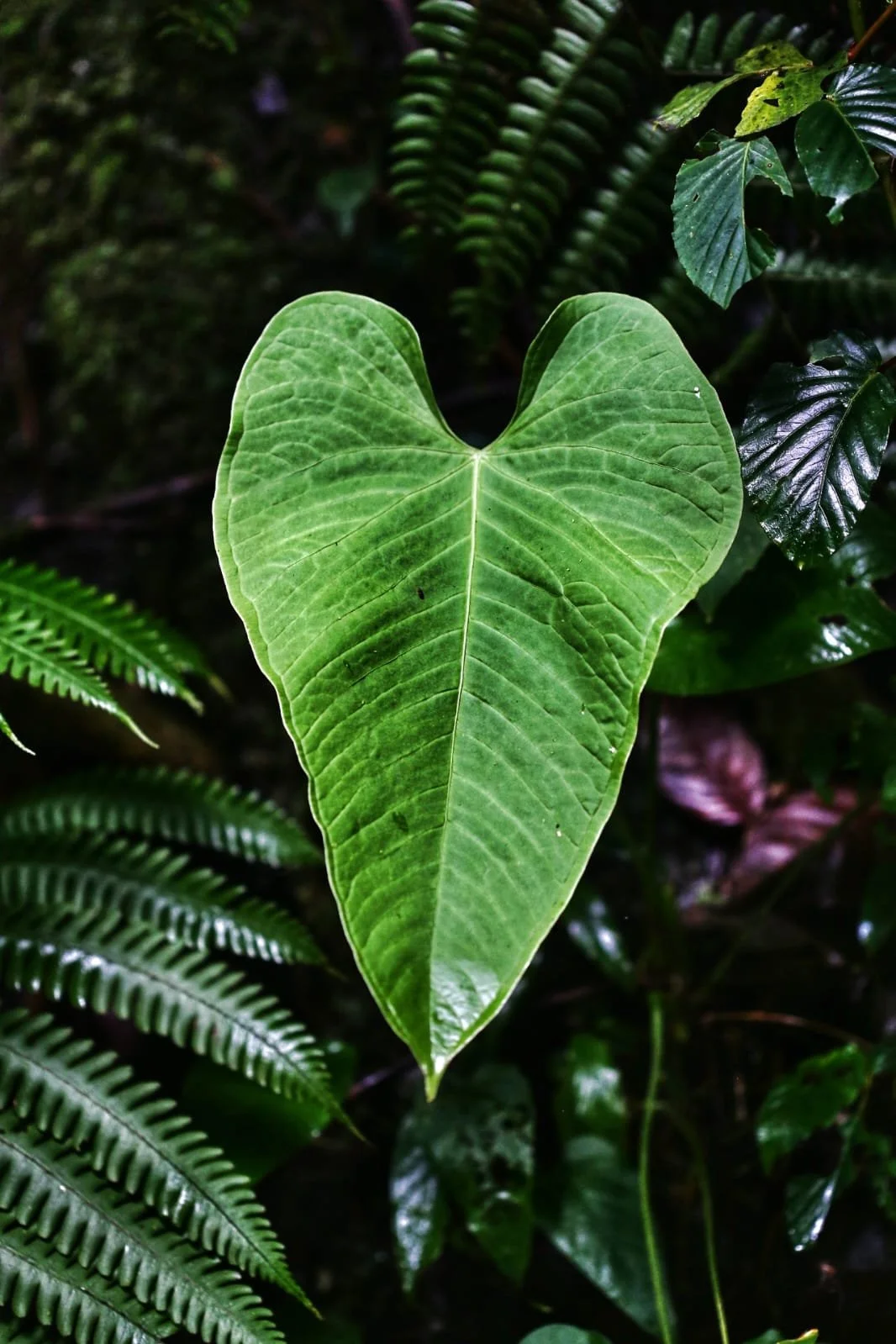
Panama is one of those rare places in the world where nature doesn’t simply exist in the background—it surrounds you, moves with you, and constantly reminds you that you are traveling through something alive. Positioned as a natural bridge between North and South America, Central America has allowed Panama to become a biological crossroads where species from both continents mix, evolve, and thrive. This unique position has created an extraordinary level of biodiversity across its landscapes, from dense tropical rainforests and misty cloud forests to mangroves, rivers, and remote islands. Among this vast ecological richness are over 150 species of snakes, making Panama one of the most diverse countries in the region for reptile life. For many travelers, especially those planning jungle hikes, waterfall adventures, or off-the-beaten-path exploration, the topic of snakes can bring a mix of curiosity and concern. However, the reality is far less intimidating than most people imagine. While snakes are indeed present throughout Panama, encounters are relatively rare, and dangerous interactions are even rarer when you understand their behavior, habitats, and how to move through their environment with awareness. This guide exists to replace uncertainty with understanding, and fear with confidence, so that you can experience Panama fully without unnecessary worry.
When discussing snakes in Panama, the most important thing to understand is the difference between perception and reality. The sheer number—over 150 species—can sound overwhelming at first, but the vast majority of these snakes are non-venomous and completely harmless to humans. Only a small fraction are venomous, and an even smaller number are responsible for most recorded bites. In fact, the majority of snakes you might encounter play a vital role in maintaining ecological balance by controlling rodent populations and supporting the food chain. Travelers often search questions like “Are snakes dangerous in Panama?” or “Is it safe to hike in Panama jungle?” and the answer is consistently reassuring: yes, it is safe. Snake bites are extremely rare among tourists and are far more likely to occur in rural or agricultural environments where people are moving through dense vegetation daily and interacting more directly with wildlife. For the average traveler walking established trails, staying in hostels, and exploring popular regions, the risk is minimal. Understanding this context is crucial, because it shifts the narrative from fear-based thinking to realistic awareness, allowing you to enjoy the environment rather than feel threatened by it.
Among the venomous snakes in Panama, one species stands out above all others in terms of importance and awareness: the Fer-de-lance, locally known as the terciopelo. This snake is responsible for the majority of venomous bites in Central America, not because it is aggressive, but because it is highly adapted to its environment and often found in areas where humans also travel. Its thick, muscular body is typically patterned in shades of brown, tan, and olive, with distinctive triangular markings that allow it to blend almost perfectly into leaf litter on the forest floor. This camouflage is its greatest strength, making it extremely difficult to spot. The fer-de-lance relies on stillness rather than movement, often remaining motionless as it waits for prey, which is why most encounters happen when someone unknowingly steps too close. It is commonly found in lowland rainforests, agricultural areas, forest edges, and occasionally along jungle trails, particularly on the Caribbean side of Panama where conditions are warm and humid. Despite its reputation, it is not a snake that seeks confrontation. Like nearly all snakes, its instinct is to avoid humans, and it will typically only react defensively if it feels threatened or cornered. This understanding is essential, because it reinforces a simple but powerful truth: awareness—especially watching where you step—is the most effective form of safety.
Another venomous species that often captures attention is the Bushmaster, the largest viper in the Americas and one of the most impressive snakes found in Panama. Growing to lengths that can exceed three meters, the bushmaster carries a powerful venom and has an intimidating presence. However, despite its size and reputation, it is one of the rarest snakes to encounter. Bushmasters inhabit deep, undisturbed primary rainforest, far from human activity, and are known for their extremely reclusive behavior. They prefer isolation and are highly sensitive to disturbances, which means they actively avoid areas where people are present. For travelers exploring typical routes, established trails, or even remote hostels, the likelihood of encountering a bushmaster is incredibly low. It exists more as a fascinating possibility within Panama’s ecosystem than a realistic concern for visitors. Similarly, the Coral snake is another venomous species that draws attention due to its striking coloration. With its bright red, yellow, and black bands, it is one of the most visually distinctive snakes in the region. However, coral snakes are small, secretive, and spend most of their time hidden under leaf litter, logs, or underground. They are non-aggressive and rarely encountered, and many harmless species mimic their coloration, adding an extra layer of complexity to identification.
While these venomous species often dominate discussions, the true story of snakes in Panama lies in the overwhelming majority that are non-venomous and harmless. The Boa constrictor is one of the most well-known examples, a large and powerful snake that subdues its prey through constriction rather than venom. Despite its size and strength, it poses no threat to humans and tends to avoid interaction. Another common species is the Parrot snake, a bright green, slender snake that lives primarily in trees and is often seen moving quickly through branches. Its vibrant color and speed make it one of the more noticeable snakes, yet it is completely harmless. The Cat-eyed snake is another frequently encountered species, especially near water. It is nocturnal and mildly venomous to its prey, but not dangerous to humans. These snakes, along with many others, form the backbone of Panama’s snake population and highlight an important reality: most snakes you might see are not only safe, but also essential to the environment.
Understanding where snakes live is a crucial part of understanding how to travel safely and confidently in Panama. The country’s ecosystems vary dramatically, and each one supports different types of snake species. In lowland rainforests, particularly on the Caribbean side, biodiversity reaches its peak. These environments are hot, humid, and dense with vegetation, creating ideal conditions for snakes that rely on camouflage and ambush hunting. Leaf litter, fallen logs, and thick undergrowth provide perfect hiding spots, which is why careful footing is important in these areas. In contrast, cloud forests such as those around Boquete offer a cooler, mistier environment where fewer dangerous species are found. The snakes here are often smaller, arboreal, and non-venomous, making encounters generally low-risk. Rivers, waterfalls, and canyon systems are also important habitats, as they attract prey and provide hydration. Snakes may be found near riverbanks, on rocks, or in vegetation along the water’s edge. Even farms and rural areas can become hotspots for snake activity due to the presence of rodents, which serve as a primary food source. This diversity of habitats explains why snakes can be found throughout Panama, but also why they are rarely concentrated in one specific place.
Snake activity is closely linked to environmental conditions, particularly temperature, humidity, and time of day. Most snakes are more active during early morning and late afternoon when temperatures are moderate, while many species become nocturnal in hotter regions to avoid daytime heat. Rainfall also plays a significant role in snake behavior. After rain, the environment becomes cooler and more humid, and prey species such as frogs and rodents become more active, which in turn increases snake activity. This is why travelers on early morning hikes or nighttime jungle walks may have a slightly higher chance of encountering a snake. However, even during these peak times, encounters remain relatively rare. Snakes rely on stealth and avoidance, not visibility, and they will often detect your presence and move away long before you ever see them.
From a safety perspective, the approach to snakes in Panama is rooted in simple awareness rather than fear. The most important habit you can develop is watching where you step, especially on jungle trails where leaf litter can hide well-camouflaged species. Wearing proper footwear, such as hiking shoes or boots, provides an added layer of protection, while using a flashlight or headlamp at night significantly improves visibility and reduces risk. Avoiding the urge to touch or approach snakes is equally important. Even non-venomous snakes can bite if they feel threatened, and attempting to handle wildlife is one of the most common causes of negative encounters. Staying on established trails, being cautious near water sources, and avoiding reaching blindly into vegetation or under rocks are all practical measures that dramatically reduce any potential risk. These precautions are simple, easy to follow, and highly effective.
If you do encounter a snake, the correct response is straightforward and calm. Stop immediately, assess the situation, and slowly create distance between you and the snake. There is no need for panic or sudden movement. Snakes do not chase humans, and their primary instinct is to escape rather than confront. Giving them space allows them to move away naturally without feeling threatened. In the unlikely event of a snake bite, the key is to remain calm, limit movement to slow the spread of venom, and seek medical attention as quickly as possible. Panama has access to antivenom in major hospitals, and treatment outcomes are generally very good when handled promptly. It is important to emphasize again that such incidents are extremely rare for travelers who follow basic precautions.
Beyond safety, it is important to recognize the ecological importance of snakes in Panama. They play a critical role in controlling rodent populations, which helps protect crops and reduce the spread of disease. They also serve as both predators and prey within the food chain, contributing to the balance that allows ecosystems to function properly. Without snakes, the delicate equilibrium of Panama’s natural environments would be disrupted, leading to cascading effects throughout the ecosystem. In many ways, their presence is a sign of a healthy, functioning environment.
The reality of snakes in Panama is far removed from the fear often associated with them. Most travelers will never see one, and those who do typically experience a brief, non-threatening encounter that becomes a memorable part of their journey rather than a negative one. Snakes are not lurking around every corner, nor are they a significant danger when approached with awareness and respect. They are simply part of the wild, intricate, and beautiful environment that makes Panama such a unique destination.
Traveling through Panama—whether you are hiking jungle trails, exploring cloud forests, swimming in waterfalls, or venturing into remote landscapes—is an opportunity to step into a world that is still deeply connected to nature. Snakes are part of that world, but they are not something to fear. With knowledge, awareness, and a respectful approach, you can move confidently through these environments, knowing that you are not in danger, but rather participating in a living ecosystem that has existed long before you arrived. And in the end, that is what makes Panama so special—not just what you see, but what you learn to understand.