
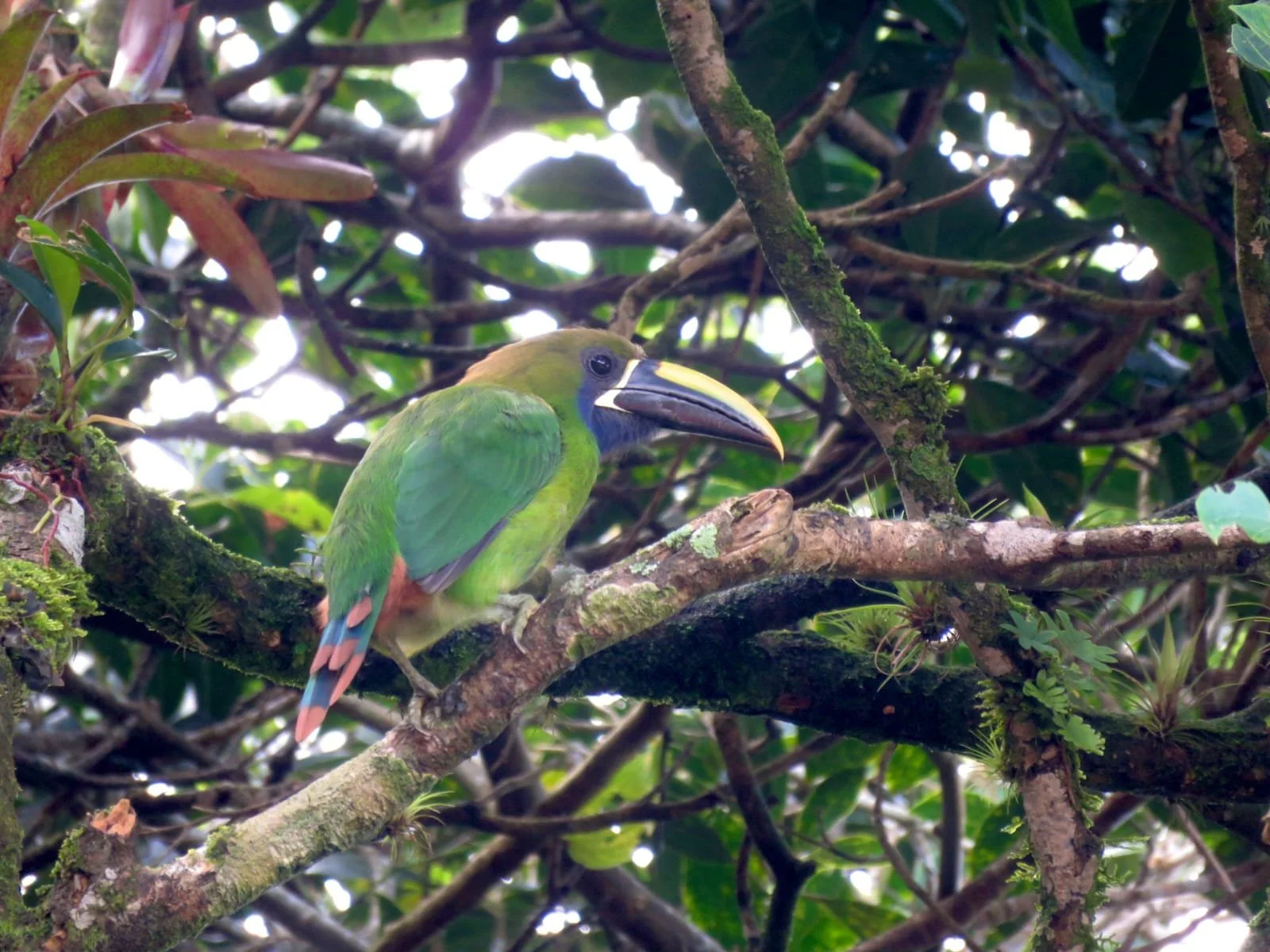
The resplendent quetzal, scientifically known as Resplendent Quetzal, is one of the most iconic and breathtaking birds in all of Central America—and spotting one in the wild is considered a once-in-a-lifetime experience for many travelers. With its vibrant emerald-green plumage, deep crimson chest, and long flowing tail feathers, the quetzal looks almost mythical, as if it belongs more to legend than to the natural world. Revered by ancient civilizations like the Maya and Aztec, this bird symbolizes freedom and beauty, partly because it is believed to die in captivity, making it impossible to truly tame.
In Panama, the quetzal is a rare but rewarding sight. Unlike more common birds, quetzals require very specific habitats—cool, high-elevation cloud forests with dense canopy cover and an abundance of fruiting trees. Panama provides ideal conditions for them, particularly in the western highlands near the border with Costa Rica. The most well-known region for spotting quetzals is the cloud forest area around Boquete, as well as in protected areas like Volcán Barú National Park.
🌿 Habitat and Behavior
Quetzals thrive in cloud forests at elevations typically between 1,200 and 3,000 meters. These forests are cool, misty, and rich in biodiversity, filled with moss-covered trees and abundant fruit-bearing plants—especially wild avocados, which are a favorite food of the quetzal.
They are primarily frugivorous, meaning their diet consists mostly of fruit, although they occasionally eat insects and small creatures. Because they rely heavily on specific trees for food, their presence is closely tied to the health of the forest ecosystem.
Quetzals are also known for their elusive nature. They are quiet, shy, and tend to stay high in the canopy, making them difficult to spot. Their bright colors blend surprisingly well with the lush green forest, which adds to the challenge.
When to Spot a Quetzal
Timing plays a crucial role in increasing your chances of seeing a quetzal. While they are present year-round, certain times are more favorable:
Breeding season (roughly March to June):
This is the best time to see quetzals in Panama. During this period, males display their long tail feathers and become more active, especially in mating displays.
Early morning (6:00 AM – 9:00 AM):
Quetzals are most active shortly after sunrise when they feed. This is the prime window for sightings.
Late afternoon (3:30 PM – 5:30 PM):
Another active feeding period before they settle in for the night.
Cloudy or misty days:
Overcast conditions often improve your chances because quetzals feel more secure leaving cover.
📍 Best Places to See Quetzals in Panama
In Panama, there are a few standout locations where quetzal sightings are more common:
1. Boquete Region
The forests around Boquete are among the most reliable places in the country. Guided birding tours are highly recommended, as local guides know the trees where quetzals frequently feed or nest.
2. Volcán Barú Area
The slopes of Volcán Barú National Park provide ideal habitat. The higher you go, the better your chances.
3. Fortuna Forest Reserve (Near Lost and Found Hostel)
The forests surrounding the Fortuna region, including trails near Lost and Found Hostel, are excellent spots for wildlife lovers. This area is part of a lush, protected cloud forest ecosystem, making it one of the more underrated but highly rewarding places to look for quetzals.
Many travelers staying at Lost and Found report early morning hikes along the nearby trails as a great opportunity for birdwatching. Around 6:00–8:30 AM, when the forest is still quiet and the light is soft, quetzals are most likely to be active—especially if there are fruiting trees nearby. Guides and locals in the area sometimes know specific trees where quetzals have been seen feeding or nesting.
Tips for Spotting a Quetzal
Because quetzals are elusive, spotting one requires patience, awareness, and sometimes a bit of luck:
Hire a local guide: Guides in Boquete or the Fortuna area know exactly where to look and can recognize subtle signs like calls or movement.
Look for movement, not just color: Their bright plumage can blend into the forest canopy, so focus on subtle motion in the trees.
Listen carefully: Quetzals have soft, whistling calls that can help locate them.
Bring binoculars: Essential for viewing high in the canopy.
Be patient and quiet: Sudden movement or loud noise will scare them away.
Life Cycle and Nesting
Quetzals have a fascinating life cycle. They typically nest in natural tree cavities, often using holes left by woodpeckers. The female lays 1–2 eggs, and both parents take turns caring for the young.
One of the most interesting aspects of their nesting behavior is that they will often reuse the same nesting sites if conditions are favorable. However, habitat destruction can severely impact their breeding success, making conservation efforts critical.
Cultural Significance
The quetzal has deep cultural roots in Central America. In ancient civilizations, the bird was associated with freedom and wealth. In fact, the currency of neighboring Guatemala is named after the bird, reflecting its symbolic importance.
Conservation Status
The quetzal is considered a species of concern due to habitat loss. Deforestation and climate change threaten its cloud forest habitat. Conservation areas like national parks and reserves in Panama play a vital role in protecting these birds and their environment.
Spotting a quetzal in Panama is not guaranteed—but that’s exactly what makes it so special. It’s a bird that rewards patience, respect for nature, and a sense of adventure. Whether you’re hiking through the cloud forests of Boquete, exploring Volcán Barú National Park, or wandering the trails near Lost and Found Hostel, the possibility of seeing this legendary bird adds a sense of magic to the journey.
In the end, the quetzal isn’t just something you see—it’s something you experience.