
When traveling through Panama, one of the most important—and often underestimated—parts of your budget is food. It’s easy to assume that because Panama is considered affordable, eating out will always be cheap. But the reality is more nuanced, and where you are in the country can dramatically change what you pay for a meal. Two of the most popular backpacker destinations—Boquete in the mountains and Bocas del Toro on the Caribbean coast—offer completely different dining experiences, price ranges, and overall value. Understanding the contrast between these two places not only helps you budget better, but also helps you decide how and where to spend your money for the best experience.
Let’s start in Boquete, a lush highland town known for its cool climate, coffee culture, and laid-back atmosphere. One of the biggest advantages of eating in Boquete is variety combined with value. This is a place where you can eat well on almost any budget. At the lowest end, local fondas and small family-run eateries offer full meals—typically rice, beans, meat, and sides—for around $3 to $6. These meals are simple but hearty, and they give you a real taste of local life. Move slightly up the scale, and you’ll find cafés and casual restaurants serving everything from breakfast plates and sandwiches to pastas and international comfort food, usually in the $7 to $15 range. Portions are often generous, and quality is consistently solid. Then there’s the higher end of the spectrum, where Boquete surprises many travelers. Upscale restaurants, steakhouses, and gourmet dining experiences can range from $15 to $30 or more, especially if you add wine or cocktails. Yet even here, the prices often feel reasonable compared to what you would pay in North America or Europe. Boquete strikes a rare balance—it offers both affordability and quality without forcing you to choose one over the other.
Now contrast that with Bocas del Toro, where the entire dynamic shifts. As a Caribbean island destination, Bocas del Toro has a completely different cost structure, largely influenced by its geography. Getting food onto the islands requires transportation, and those costs are reflected in restaurant prices. While you can still find budget meals—typically around $5 to $8 at smaller, local spots—they are less common than in Boquete. Most casual restaurants in Bocas sit in the $10 to $18 range for a main dish, offering a mix of seafood, tacos, burgers, and Caribbean-inspired plates. Once you step into more popular, waterfront, or highly rated restaurants, prices can quickly rise to $15 to $25 or more per meal. Add drinks—especially cocktails or imported alcohol—and your bill can climb fast. In Bocas, you’re often paying not just for the food, but for the setting: ocean views, sunset vibes, music, and atmosphere all play a role in the final price.
What makes Bocas particularly unique is its social dining culture. Eating out here is rarely just about food—it’s part of the lifestyle. Meals turn into long evenings, drinks flow easily, and restaurants double as social hubs. It’s easy to lose track of spending when every dinner feels like an experience. In contrast, Boquete’s dining scene is more grounded. While there are certainly beautiful places to eat, the focus tends to be more on the food itself rather than the party atmosphere. This difference alone can have a major impact on your daily budget.
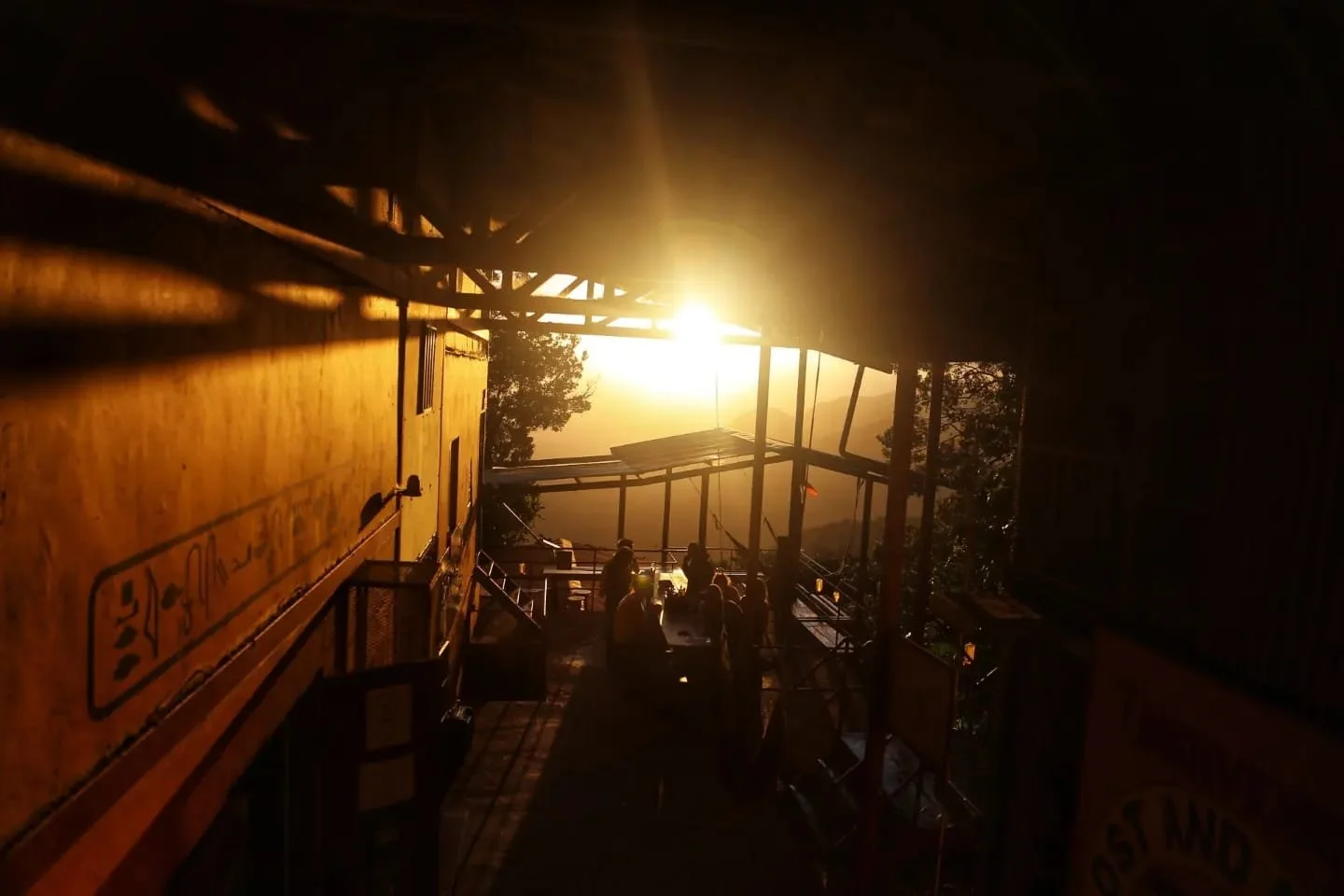
But here’s where things get interesting—and where Panama really shows its diversity. If you step slightly off the main tourist path, you can find incredible value in unexpected places. A perfect example is Lost and Found Hostel, tucked away in the mountains between Boquete and Bocas del Toro. This unique, jungle-surrounded hostel offers something rare: a fully vegan restaurant where all meals are priced at just $6.50. In a world where specialty diets and unique settings often come with higher costs, this is a standout. It’s proof that being off the beaten track doesn’t mean spending more—in fact, it can often mean spending less. Eating “jungle eats” like this, surrounded by nature and a social backpacker atmosphere, can be one of the most affordable and memorable dining experiences in Panama. It also highlights an important truth: sometimes the best value isn’t found in cities or tourist centers, but in the hidden places in between.
Another key factor to consider is consistency. Boquete tends to offer more stable pricing across the board, making it easier to predict your daily food budget. In Bocas, prices can fluctuate depending on location, popularity, and even timing. A beachfront restaurant at sunset will almost always cost more than a simple lunch inland. Being aware of these patterns can help you manage your spending without missing out on the experiences that make Bocas special.
So what’s the takeaway? If you’re traveling on a tight budget and want maximum value, Boquete is your best friend. It offers affordable meals, a wide range of options, and consistently good quality. If you’re heading to Bocas del Toro, be prepared to spend a bit more—but also to enjoy a completely different dining experience, one that blends food with atmosphere, nightlife, and oceanfront living. And if you’re looking for something unique, don’t overlook places like Lost and Found Hostel, where being off-grid can actually mean better prices and more memorable meals.
In the end, eating in Panama is not just about cost—it’s about context. One day you’re enjoying a $4 local meal in the mountains, the next you’re watching the sunset with a seafood plate in Bocas, and somewhere in between you’re sharing a $6.50 vegan dinner in the jungle with new friends. Different places, different prices—but all part of the same incredible journey.