
Backpacking through Panama isn’t just a journey across landscapes—it’s a journey through different states of being. One moment you’re navigating the fast pace and vertical energy of Panama City, surrounded by glass towers and traffic, and the next you’re breathing in cool mountain air in Boquete, where time seems to stretch and soften. Then, just as quickly, you find yourself barefoot in Bocas del Toro, where the days are dictated not by clocks but by tides, sunlight, and social energy. This constant shifting of environments is what makes Panama such a dynamic place to travel—but it’s also what makes wellness such an essential part of the experience. Without awareness, the movement can drain you. With intention, it can transform you.
The truth is that backpacker wellness isn’t automatic, even in a place this beautiful. Travel can quietly wear you down in ways you don’t immediately notice. Long bus rides compress your body and disrupt your rhythm. Nights out stretch longer than expected. Meals become inconsistent—sometimes too much, sometimes too little, often not what your body is used to. You’re constantly adapting, constantly adjusting, constantly processing new environments and new people. It’s exciting, but it’s also a form of low-level stress. And over time, if you don’t pay attention, it builds. You might not feel “unwell,” but you feel slightly off—less energized, less present, less grounded.
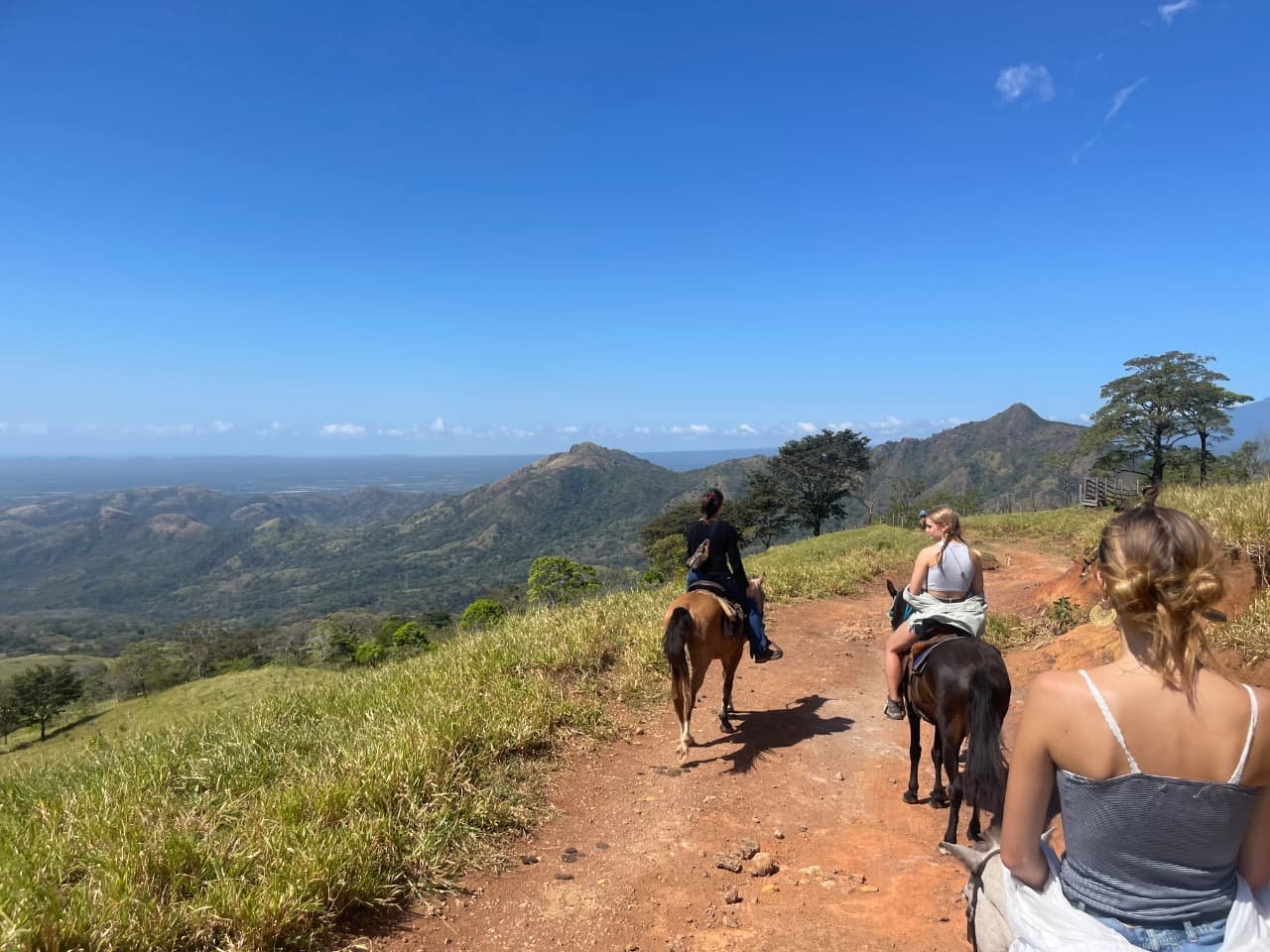
What makes Panama special is that it naturally offers you the tools to rebalance—if you let it. The environments themselves are almost designed to bring you back into alignment. When you move inland into the mountains, something shifts almost immediately. In places like Boquete or Santa Fe, the temperature drops, the air becomes fresher, and the noise fades. Your body responds without you having to think about it. Sleep becomes deeper and more restorative, not because you planned it that way, but because the environment supports it. You wake up earlier, naturally. Your breathing slows. Your mind feels less cluttered. Even simple things—like drinking a cup of coffee while looking out over green hills—take on a kind of quiet importance.
In places like Lost and Found Hostel, this effect becomes even more pronounced. Here, wellness isn’t something you pursue—it’s something that surrounds you. You’re living in the landscape rather than observing it. Trails begin right outside your door, and movement becomes part of your day without needing to be scheduled. Conversations happen organically, often deeper and more meaningful than the quick exchanges of city life. There’s a sense of shared presence, where people are not just passing through but actually experiencing a place together. It’s in these environments that many travelers feel a kind of reset—not dramatic or forced, but subtle and lasting.
Then, when you return to the coast, the rhythm changes again. In Bocas del Toro, life becomes fluid, social, and open-ended. The ocean becomes central—not just as a backdrop, but as a physical and emotional anchor. There’s something deeply regulating about water. Swimming, floating, even just sitting near it has a way of pulling you into the present moment. It reduces mental noise. It reconnects you with your body. It reminds you to slow down, even when everything around you is encouraging movement and interaction. Days blend together in a way that feels freeing rather than disorienting.
But the coast also introduces a different kind of challenge. The social energy is high, and it’s easy to get caught in a cycle of late nights, spontaneous plans, and constant stimulation. You meet people quickly, bond quickly, and often part ways just as quickly. There’s a kind of intensity to it—a feeling that you need to make the most of every moment, to say yes to every invitation. And while that energy can be incredible, it can also become exhausting if you don’t balance it. Wellness here isn’t about avoiding the experience—it’s about pacing it. It’s about knowing when to lean in and when to step back, when to join the group and when to take a quiet moment for yourself.
One of the most underrated and quietly powerful tools for maintaining that balance across Panama is something you’ll find in more and more hostels: yoga. In many backpacker hubs—especially in places like Bocas del Toro, Boquete, and mountain hideaways like Lost and Found Hostel—yoga sessions are often offered either completely free or for around $3–$5. And unlike formal studio classes back home, these sessions tend to be relaxed, inclusive, and rooted in the environment around you.
You might find yourself practicing on a wooden deck overlooking jungle canopy, on a rooftop catching the early morning light, or in an open-air space where the sounds of birds and wind replace music. The experience feels less like a structured class and more like a shared moment of grounding. Travelers of all levels join—some experienced, some trying it for the first time—and that creates an atmosphere that is welcoming rather than intimidating. It’s not about performance. It’s about reconnecting.
These sessions become especially valuable in the context of backpacking. After long travel days, nights out, or physically demanding hikes, yoga offers a simple way to reset your body. It helps release tension from buses and backpacks, improves sleep, and brings your attention back to the present moment. Mentally, it creates a pause—a space where you’re not planning your next destination or replaying past conversations, but simply existing where you are. And socially, it offers a different kind of connection. Instead of bonding over drinks or nightlife, you’re sharing a quieter, more intentional experience with others.
Over time, these small moments add up. A morning stretch here, a sunset session there—they create a rhythm within the unpredictability of travel. You start to feel more balanced, more aware, more in tune with yourself despite constantly changing surroundings. And because these classes are often free or very low-cost, they become one of the most accessible wellness tools available to backpackers in Panama—something that fits seamlessly into even the tightest budgets.
This balance between connection and solitude is one of the most important aspects of mental wellness while backpacking. Travel is often framed as a social experience, and in many ways it is. You meet people from all over the world, share stories, create memories, and form connections that can feel surprisingly deep given how quickly they develop. But there’s also a quieter side to travel that’s just as important. The moments when you’re alone—walking along a beach, sitting in a hammock, watching the sunset—are where a different kind of processing happens. These are the moments where you integrate your experiences, where you make sense of what you’re seeing and feeling. Without them, everything can start to blur together.
Physical wellness follows a similar pattern. In Panama, movement is built into the experience in a way that feels natural rather than forced. You walk more. You hike. You swim. You carry your bag. Your body is constantly engaged, but it doesn’t feel like exercise—it feels like exploration. This kind of movement is sustainable because it’s enjoyable. It doesn’t require discipline in the traditional sense; it happens because of where you are and what you’re doing. At the same time, it’s easy to overlook the basics. Hydration, for example, becomes critical in Panama’s heat and humidity. You lose more water than you realize, and even mild dehydration can affect your energy, your mood, and your sleep. Drinking enough water isn’t just a health tip here—it’s a daily necessity.
Food plays a central role as well, but not in a rigid or restrictive way. Local meals are simple and balanced, built around staples like rice, beans, and fresh ingredients. If you lean into this style of eating, it supports your body naturally. But if you drift toward convenience—fried snacks, sugary drinks, irregular meals—you’ll feel the difference quickly. Again, it’s not about perfection. It’s about awareness. Paying attention to how different choices affect how you feel, and adjusting accordingly.
One of the most powerful aspects of wellness in Panama is the idea of rhythm without rigidity. You don’t need a strict routine to feel grounded—you need small, consistent anchors. A morning coffee, a daily walk, a swim, or even a short yoga session. These small habits create a sense of continuity, even as everything around you changes. They give you something to return to, something that stays consistent no matter where you are. And in a lifestyle that is constantly shifting, that consistency becomes incredibly valuable.
What truly sets Panama apart is how easy it is to change your environment when you need to. If you feel overstimulated, you can head to the mountains. If you feel isolated, you can go somewhere more social. If you feel tired, you can slow down. If you feel restless, you can move. This ability to adjust your surroundings allows you to maintain balance in a way that few destinations offer. You’re not stuck in one mode—you can move between them as needed, using the country itself as a kind of wellness map.
In the end, backpacker wellness in Panama isn’t about following a set of rules or maintaining a perfect routine. It’s about developing a sense of awareness—of your body, your mind, and your environment. It’s about noticing when something feels off and having the flexibility to respond. It’s about understanding that wellness isn’t something separate from travel—it’s something that exists within it.
When you find that balance—when you let the mountains reset you, the ocean ground you, and small practices like yoga quietly bring you back to yourself—you realize that backpacking through Panama isn’t just about seeing new places. It’s about feeling more like yourself than you have in a long time.