
There are moments in Panama when the air itself seems alive—when what looks like drifting petals or ash suddenly reveals itself as something far more extraordinary. Butterflies, hundreds, sometimes thousands of them, moving with quiet determination across the landscape. No fanfare, no dramatic headlines—just one of the most remarkable migrations in the natural world unfolding almost unnoticed.
Panama, a slender bridge between North and South America, plays a crucial role in this phenomenon. Its geography makes it a natural funnel, a narrow passage where ecosystems converge and migratory paths compress. For butterflies, this land is not just a place to live—it is a corridor, a crossroads, and for many species, a vital stretch of an ancient journey written into instinct.
Unlike the well-known migrations of birds or whales, butterfly migrations are more subtle, more mysterious. The most iconic traveler is the Monarch butterfly, famous for its epic journey across North America. While many monarchs head toward Mexico, others move further south, passing through Central America, including Panama. But monarchs are not alone. Species like the Cloudless sulphur and various longwings and swallowtails also participate in seasonal movements, often triggered by rainfall patterns, temperature changes, and the availability of host plants.
What makes Panama so fascinating in this story is not just that butterflies pass through—it’s how they pass through. The country’s varied landscapes create natural pathways. Along coastlines, river valleys, and mountain passes, butterflies travel in loose streams, sometimes flying just a few feet above the ground, sometimes higher, carried by warm currents of air. In places like Darién National Park, these movements can feel almost primeval, as if the forest itself is breathing them forward. In the highlands near Boquete, shifting winds and cooler temperatures influence their routes, creating subtle variations in timing and direction.
Unlike birds, butterflies do not migrate in coordinated flocks with leaders and formations. Their movement is more fluid, more individual, yet guided by a shared internal compass. Scientists believe they rely on a combination of environmental cues—sun position, polarized light, temperature gradients, and even the Earth’s magnetic field—to orient themselves. What’s even more astonishing is that, in some species like the monarch, migration spans multiple generations. The butterfly you see in Panama may not be the one that began the journey, but it carries the same instinct, the same invisible map.
The purpose of this migration is survival. Butterflies are deeply connected to the plants they depend on. When seasons change and food becomes scarce in one region, they move to where life continues to flourish. In tropical areas like Panama, the environment offers refuge, breeding grounds, and continuity. For some species, it is a destination. For others, it is a passage—a necessary chapter in a much longer story.
Timing is everything. Butterfly movements through Panama often align with the transition between wet and dry seasons. As rains shift across the isthmus, they influence plant growth, which in turn dictates where butterflies can lay eggs and feed. You might witness a sudden surge of yellow sulphur butterflies streaming along a roadside, all moving in the same direction, as if pulled by an unseen force. Days later, they are gone, leaving behind only the memory of motion.
Despite their delicate appearance, migrating butterflies are remarkably resilient. They face predators, storms, exhaustion, and the sheer challenge of distance. Many will not survive the journey. Yet enough do to ensure the continuation of the cycle, year after year. Their wings may be fragile, but their persistence is anything but.
For travelers and observers, witnessing this migration requires a mix of timing, luck, and awareness. It doesn’t happen in one predictable place or at one guaranteed time. Instead, it reveals itself in fleeting moments—along a quiet trail, beside a river, or even on a dusty road cutting through the countryside. It is easy to miss if you are not paying attention, and unforgettable if you are.
In a world where so much of nature feels documented and mapped, butterfly migration through Panama remains something of a secret. It doesn’t announce itself loudly. It doesn’t demand attention. But for those who notice, it offers a glimpse into a hidden rhythm of the natural world—one that connects continents, generations, and ecosystems through something as simple, and as extraordinary, as a pair of wings.
And in that moment, watching them pass, you realize something profound: the land beneath your feet is not just a destination. It is part of a journey much larger than your own.
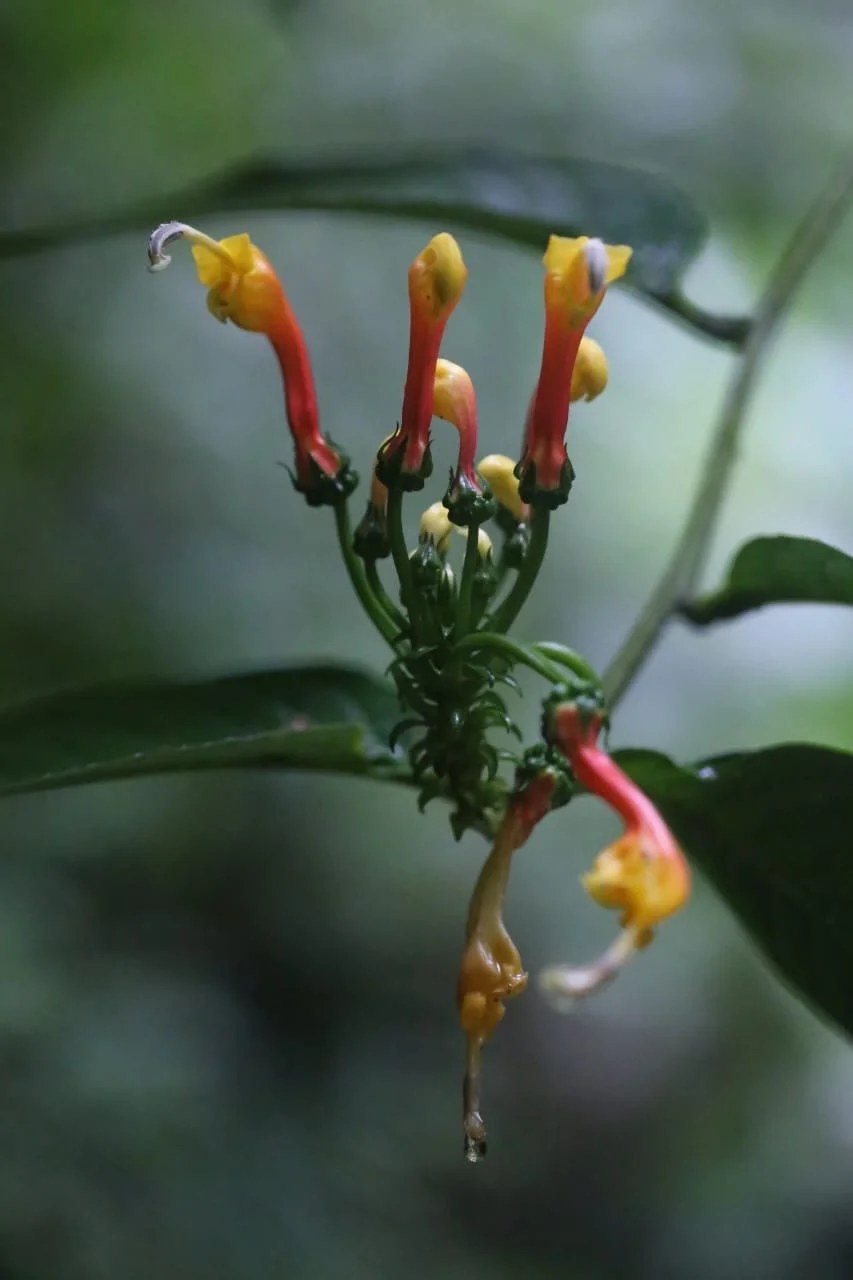
Wings Across a Narrow Land: The Silent Migration of Butterflies Through Panama