
Panama doesn’t follow the seasonal script most travelers grow up with. There’s no winter chill, no autumn leaves, no spring bloom in the traditional sense. Instead, life here pulses between two dominant forces: the dry season and the rainy season. And while that might sound simple on paper, the reality is far more complex, dramatic, and fascinating. These aren’t just weather patterns they are transformations that reshape the landscape, influence wildlife behavior, dictate travel rhythms, and ultimately define your entire experience in the country. Understanding Panama’s seasons isn’t just helpful for planning it’s the difference between seeing a destination and truly understanding it. Because in Panama, the same place can feel like two completely different worlds depending on when you arrive.
The dry season, known locally as verano, typically stretches from mid-December through April, and it brings with it a sense of clarity and openness that travelers instantly feel. The skies turn a deep, uninterrupted blue, clouds become rare, and rain all but disappears especially along the Pacific coast. Days are long, bright, and intensely sunlit, with temperatures hovering in the high 20s to low 30s Celsius, but often feeling hotter due to direct sun exposure. In places like Panama City, the heat reflects off glass and concrete, creating an almost amplified warmth that builds throughout the day, while coastal regions like Pedasí and the islands of the Gulf of Chiriquí experience a drier, more intense sunlight that defines the rhythm of daily life. Mornings begin early, afternoons slow down dramatically, and evenings bring a welcome, gentle breeze that resets the day.
One of the defining characteristics of the dry season is its predictability. Travelers quickly realize that plans can be made and kept with ease. Boat trips run on time, roads remain accessible even in remote regions, and hiking trails stay firm and navigable rather than muddy or slippery. This reliability opens up the entire country in a way that feels effortless. You can wake up and decide to explore an island, hike a volcano, or drive across provinces without worrying about sudden weather disruptions. It’s the season where Panama feels logistically simple, almost cooperative, and that ease creates a sense of freedom that many travelers crave. For those looking to maximize movement, see multiple regions, and keep a fast-paced itinerary, the dry season delivers a level of consistency that makes everything smoother.
But that same clarity comes with intensity. By March and April, the peak of the dry season, the sun becomes relentless. Without cloud cover or rainfall to soften it, the heat builds day after day, especially on the Pacific side where landscapes begin to dry out. Grasses turn golden, rivers shrink, and the once-lush environment takes on a more rugged, sunburnt appearance. It’s a striking contrast to the stereotypical image of a tropical paradise, and for some travelers, it can feel surprising. The lack of rain also means less natural cooling, so midday heat can feel overwhelming, pushing people into shade, hammocks, or the ocean. In cities, the heat lingers into the evening, and even locals adjust their routines to avoid the most intense hours of the day.
Another important aspect of the dry season is its social energy. This is peak travel time, when backpackers, vacationers, and digital nomads all converge. Hostels are full, tours are running daily, and there’s a noticeable buzz in popular destinations. In places like Boquete or along the Caribbean coast in Bocas del Toro, conversations flow easily, plans form quickly, and the atmosphere feels lively and connected. For many, this is a major advantage the chance to meet people, share experiences, and feel part of a larger travel community. But it also means higher prices, busier accommodations, and the need to book ahead if you want the best options.
Then, almost quietly at first, everything begins to shift. The rainy season often called the “green season” arrives around May and gradually builds in intensity through the year, peaking around October and November. Unlike the dry season, this period doesn’t announce itself with a sudden change. Instead, it creeps in. A few clouds appear in the afternoon. A short rain shower interrupts an otherwise sunny day. The air becomes heavier, richer, more saturated with moisture. And then, before you know it, the entire country transforms.
The biggest misconception about Panama’s rainy season is that it rains constantly. In reality, the pattern is far more dynamic and, in many ways, more enjoyable than people expect. Mornings are often bright, clear, and calm perfect for exploring, hiking, or traveling. By early afternoon, clouds begin to gather, building slowly until they release in dramatic bursts of rain. These storms can be intense but are usually short-lived, lasting anywhere from 30 minutes to a few hours. Afterward, the air cools, the light softens, and the landscape feels refreshed. It’s a daily cycle that creates a rhythm one that encourages you to plan your days differently, to move with the weather rather than against it.
What the rainy season takes away in predictability, it gives back in beauty. This is when Panama becomes overwhelmingly green. Jungles thicken, rivers swell, waterfalls appear where there were none before, and the entire country feels alive in a way that the dry season can’t replicate. In mountainous regions like Santa Fe or the cloud forests surrounding Boquete, mist drifts through trees, creating an atmosphere that feels almost dreamlike. The air is cooler in the highlands, the colors more vivid, and the overall experience more immersive. It’s not just about seeing nature it’s about being surrounded by it completely.
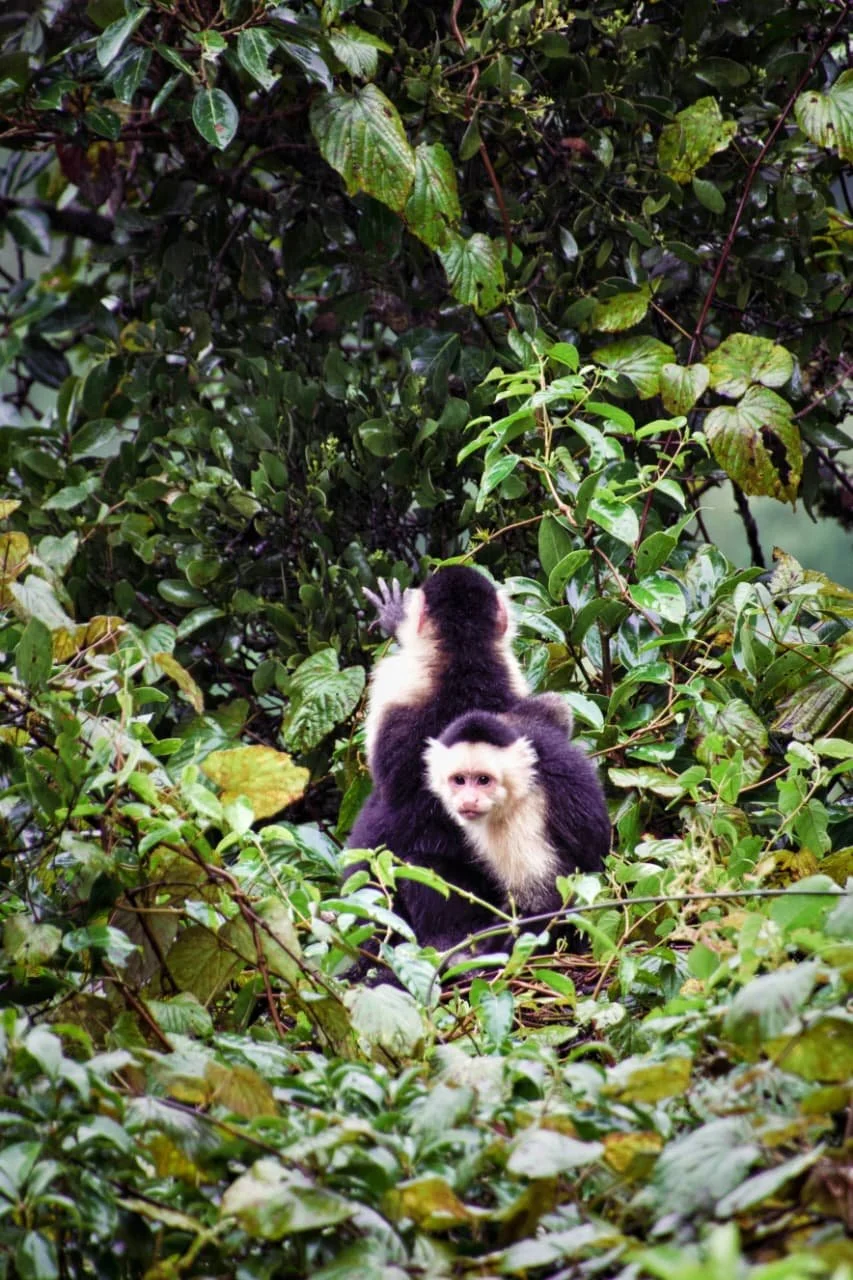
Wildlife also responds to the rainy season in powerful ways. Increased water and plant growth create ideal conditions for insects, amphibians, birds, and mammals, making this one of the best times for nature enthusiasts. Frogs emerge in vibrant colors, birds become more active, and the forest feels louder, fuller, and more dynamic. Even simple walks become experiences, as movement and sound seem to come from every direction. For travelers interested in biodiversity, photography, or simply feeling connected to a living ecosystem, the rainy season offers something far deeper than the dry months.
Of course, this season comes with its own challenges. Travel can become less predictable, especially in more remote areas where heavy rain may affect roads or boat schedules. Muddy trails can make hiking more physically demanding, and humidity levels rise significantly, often approaching 100 percent. This can make the air feel heavier, and simple activities more tiring. Insects become more noticeable, and planning requires a bit more flexibility. But for many travelers, these “challenges” become part of the experience rather than drawbacks small trade-offs for a richer, more authentic connection to the country.
One of the most fascinating aspects of Panama’s climate is how easily you can move between these two worlds. Elevation plays a massive role, and by simply heading into the mountains sometimes just an hour’s drive you can escape both the intense heat of the dry season and the heavy humidity of the lowlands. Places like El Valle de Antón and the highlands around Boquete offer cooler, spring-like conditions year-round, making them perfect refuges no matter the season. This ability to shift climates so quickly is one of Panama’s greatest travel advantages, allowing you to adapt your journey in real time.
For travelers, the choice between seasons ultimately comes down to priorities. The dry season offers ease, energy, and accessibility perfect for those who want to move quickly, explore widely, and enjoy classic beach conditions. The rainy season, on the other hand, offers depth, atmosphere, and a sense of discovery ideal for those willing to slow down, embrace unpredictability, and experience Panama at its most vibrant and alive. Neither is objectively better; they simply offer different versions of the same country.
And that’s the real secret.
Most travelers only ever experience one side of Panama. They come during peak season, follow the well-worn route, and leave with a version of the country that’s bright, sunny, and easy to navigate. But those who stay longer or return during a different season unlock something entirely new. They see the transformation. They feel the contrast. They understand how deeply the rhythm of rain and sun shapes everything.
Because in Panama, the seasons don’t just change the weather.
They change the entire story.