
Backpacking through Central America is one of those rare travel experiences where you can wake up in a misty volcano town, spend the afternoon swimming in the Caribbean, and end your night eating street food for just a couple of dollars, or, depending on where you are, dropping $50 without even realizing it. What makes this region so fascinating isn’t just its jungles, beaches, and cultures, but how dramatically your budget can stretch or shrink as you cross borders. Some countries feel like you’ve hacked the system and unlocked ultra-cheap travel, while others hit you with prices that feel closer to North America than the developing world. If you’re planning a backpacking trip and want to know where your money will go the furthest, and where it definitely won’t, this is the full breakdown, from the absolute cheapest to the most expensive.
At the very bottom of the price spectrum sits Nicaragua, the undisputed champion of budget backpacking in Central America. This is the kind of place where your money seems to stretch endlessly, where a full day of eating, transport, and accommodation can cost less than a single dinner in a more expensive country. On a daily budget of roughly $22–$32, you can live comfortably, not just survive. What makes Nicaragua so special is that it’s not just one thing that’s cheap, it’s everything. Hostels are incredibly affordable, often starting at $5–10 for a dorm bed, local meals like rice, beans, grilled meat, and fried plantains can cost as little as $3, and local buses, colorful, chaotic, and authentic, rarely cost more than a couple of dollars. Even beers are cheap enough that social nights don’t destroy your budget. The real magic, though, is in the experiences. You can hike volcanoes, explore colonial cities like Granada, or watch sunsets over crater lakes without constantly thinking about money. The only time your budget might take a hit is in more touristy beach towns like San Juan del Sur, where the influx of international visitors has nudged prices upward, or when you opt for private shuttle transport instead of local buses. Still, even with those small bumps, Nicaragua remains the place where backpackers feel rich without actually spending much at all.
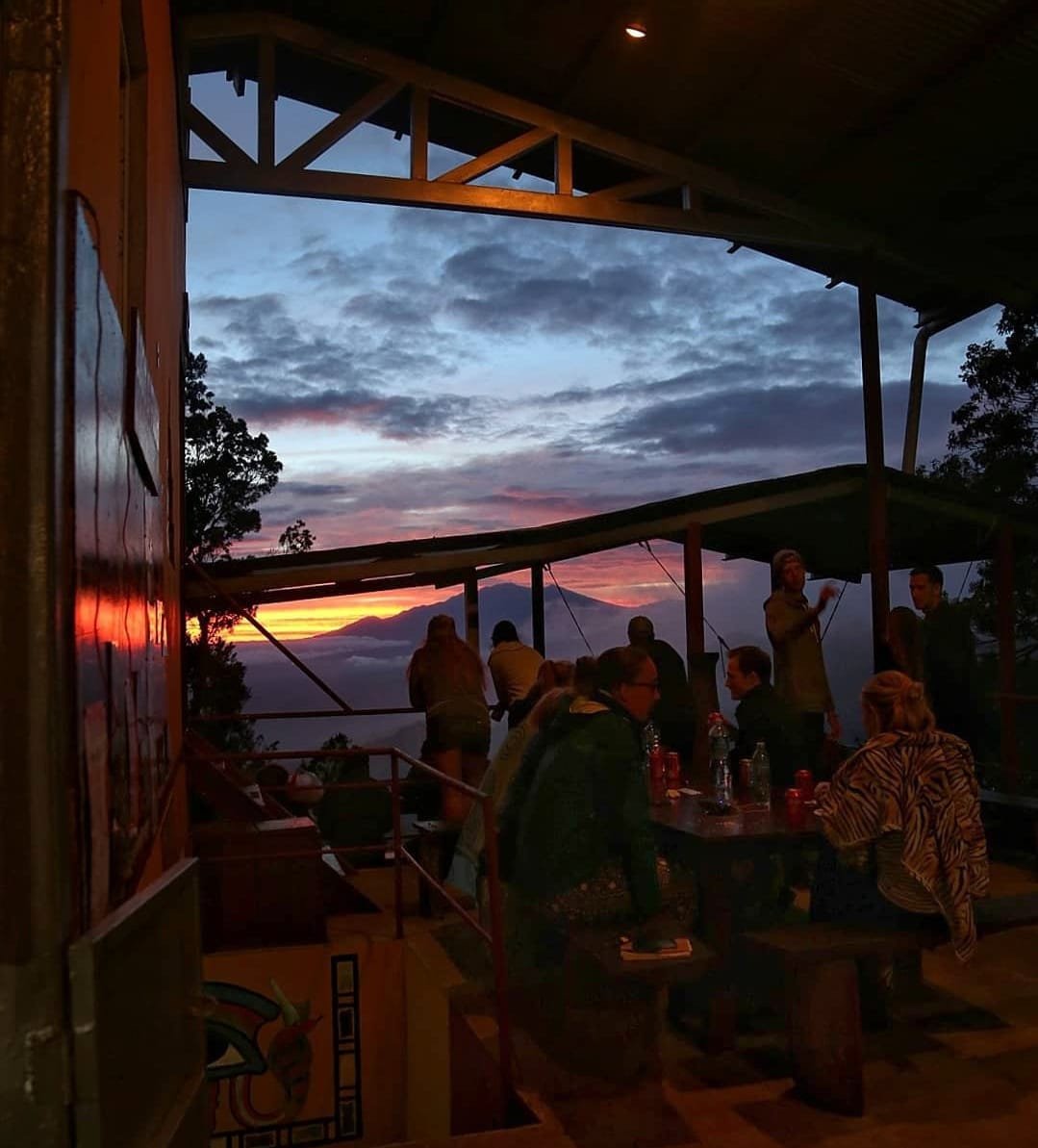
Just behind it is Guatemala, a country that feels like it was built for backpackers who want both affordability and unforgettable experiences. With a daily budget of around $25–$35, Guatemala offers incredible value, especially if you’re willing to travel like a local. Food is one of the biggest highlights here, not just because it’s cheap, but because it’s everywhere. Small eateries and street vendors serve up filling meals for just a few dollars, and it’s entirely possible to eat well all day without spending more than $10. Transportation is another win, with the iconic “chicken buses” providing one of the cheapest ways to get around in the entire region. These brightly painted former school buses are an experience in themselves, often costing just a couple of dollars for long journeys. Accommodation is equally budget-friendly, with hostels starting at around $5–10, especially if you stay outside the most polished tourist hubs. But Guatemala also introduces something you start to see more of as you move through Central America: the “tourist bubble effect.” In places like Antigua or around Lake Atitlán, prices can climb quickly, especially for boutique hostels, Western-style cafes, and guided tours. The famous Acatenango volcano hike, for example, is unforgettable—but it’s also one of the more expensive activities in the country. Even so, Guatemala strikes a near-perfect balance between cost and experience, making it one of the most rewarding destinations for budget travelers.
Next up is El Salvador, a country that has quietly transformed into one of the region’s best-kept secrets. With a daily budget hovering around $28–$38, it remains highly affordable while offering a unique blend of surf culture, local charm, and improving infrastructure. What really sets El Salvador apart is the food—specifically pupusas, the national dish. These thick, stuffed tortillas can cost as little as $0.50 to $1 each, making them one of the cheapest and most satisfying meals you’ll find anywhere in Central America. It’s not uncommon for travelers to eat multiple meals a day for just a few dollars total. Accommodation and transport are also reasonably priced, and because the country uses the US dollar, you avoid the hassle of currency exchange. That said, there are pockets where prices creep up, particularly in surf hotspots like El Tunco, where the growing popularity of the area has brought in more upscale cafes, bars, and accommodations. Surf lessons, board rentals, and nightlife can quickly add up, but even then, it remains cheaper than similar beach destinations in neighboring countries. El Salvador feels like a place that hasn’t fully “blown up” yet, which makes it an excellent choice for budget-conscious travelers looking for something a bit different.
Then comes Honduras, a country that can either be incredibly cheap or surprisingly expensive depending entirely on where you go. On the mainland, Honduras easily competes with Guatemala and Nicaragua in terms of affordability, with daily costs around $30–$40. Local food is cheap, accommodation is budget-friendly, and transport is accessible. Places like Copán offer rich cultural experiences without high costs, and you can travel comfortably without feeling like you’re constantly spending. But then there are the Bay Islands, particularly Roatán and Utila, which completely change the financial landscape. These Caribbean islands are famous for their world-class diving, drawing travelers from all over the world, and with that comes higher prices. Accommodation, food, and activities can easily double compared to the mainland, and diving packages, while often considered good value for what you get, are still a significant expense for backpackers. This contrast makes Honduras a bit unpredictable, you can have some of your cheapest days in Central America followed by some of your most expensive, all within the same country.
Right in the middle of the spectrum sits Panama, a country that feels modern, developed, and at times, a little bit sneaky with its pricing. On paper, a backpacker can get by on $35–$50 per day, but in reality, your spending can swing wildly depending on your location and lifestyle. Panama City, for example, feels like a completely different world compared to the rest of Central America. With its skyscrapers, rooftop bars, and modern metro system, it’s easy to forget you’re in a region known for budget travel. Prices for accommodation, nightlife, and dining in the capital can rival those in North America, especially in trendy districts. However, the country still offers plenty of ways to save. Local fondas serve hearty meals at low prices, public transport is cheap and efficient, and rural destinations like Boquete or Santa Catalina can be much more budget-friendly. Then there are places like Bocas del Toro and the San Blas Islands, where costs rise again due to tourism demand and logistics. Island life in Panama is beautiful, but it rarely comes cheap, and tours, especially to San Blas, are often one of the biggest expenses travelers face. Panama is a country of contrasts, where your budget can feel either manageable or stretched depending on your choices.
Near the top of the cost scale is Belize, a destination that often catches backpackers off guard with its prices. With daily costs ranging from $55–$80, Belize feels far removed from the budget-friendly reputation of Central America. The reason for this is a combination of factors, including its strong ties to the Caribbean and the high cost of imported goods. Food, accommodation, and everyday expenses are noticeably higher, especially in popular island destinations like Caye Caulker and Ambergris Caye. While these places are undeniably beautiful, with crystal-clear water and access to the Belize Barrier Reef, they come at a premium. Tours such as snorkeling and diving are incredible but also expensive, often making up the bulk of a traveler’s budget. Even inland, where prices are slightly lower, it’s difficult to achieve the same level of affordability found in countries like Nicaragua or Guatemala. Belize is less about budget travel and more about paying for a specific kind of tropical experience.
Finally, at the top of the list is Costa Rica, the most expensive country in the region and one that feels distinctly different from its neighbors in terms of pricing. With daily budgets typically ranging from $45–$65 or more, Costa Rica demands a bit more financial planning, especially for backpackers. The country is known for its incredible natural beauty, from dense rainforests to pristine beaches, but accessing that beauty often comes with a price tag. National park entrance fees can range from $15–25, and many of the most popular activities—ziplining through the jungle, white-water rafting, guided wildlife tours—are significantly more expensive than similar experiences elsewhere in Central America. Food is another major factor, with prices often resembling those in the United States, particularly in tourist-heavy areas. Accommodation and transportation also lean toward the higher end, making it challenging to maintain a strict budget. While it’s still possible to save money by eating at local “sodas” and avoiding tours, Costa Rica requires a level of discipline that isn’t necessary in cheaper countries. It offers a polished, safe, and highly organized travel experience but you pay for that convenience.
When you step back and look at the region as a whole, a few patterns become impossible to ignore. Islands almost always mean higher prices, no matter the country, due to transportation costs and tourism demand. Capital cities and highly developed areas tend to push budgets upward, while rural and less-visited regions remain far more affordable. Perhaps most importantly, your spending habits matter just as much as the country you’re in, choosing local food over Western meals, public buses over private shuttles, and independent exploration over guided tours can dramatically change your daily costs. For travelers looking to stretch their budget as far as possible, focusing on Nicaragua, Guatemala, and El Salvador is the smartest move, while limiting time in Costa Rica and Belize can keep your overall trip from becoming unexpectedly expensive. In the end, Central America offers something rare: the ability to design your adventure exactly how you want it, whether that means traveling on a shoestring budget or indulging in a few well-earned splurges along the way.