
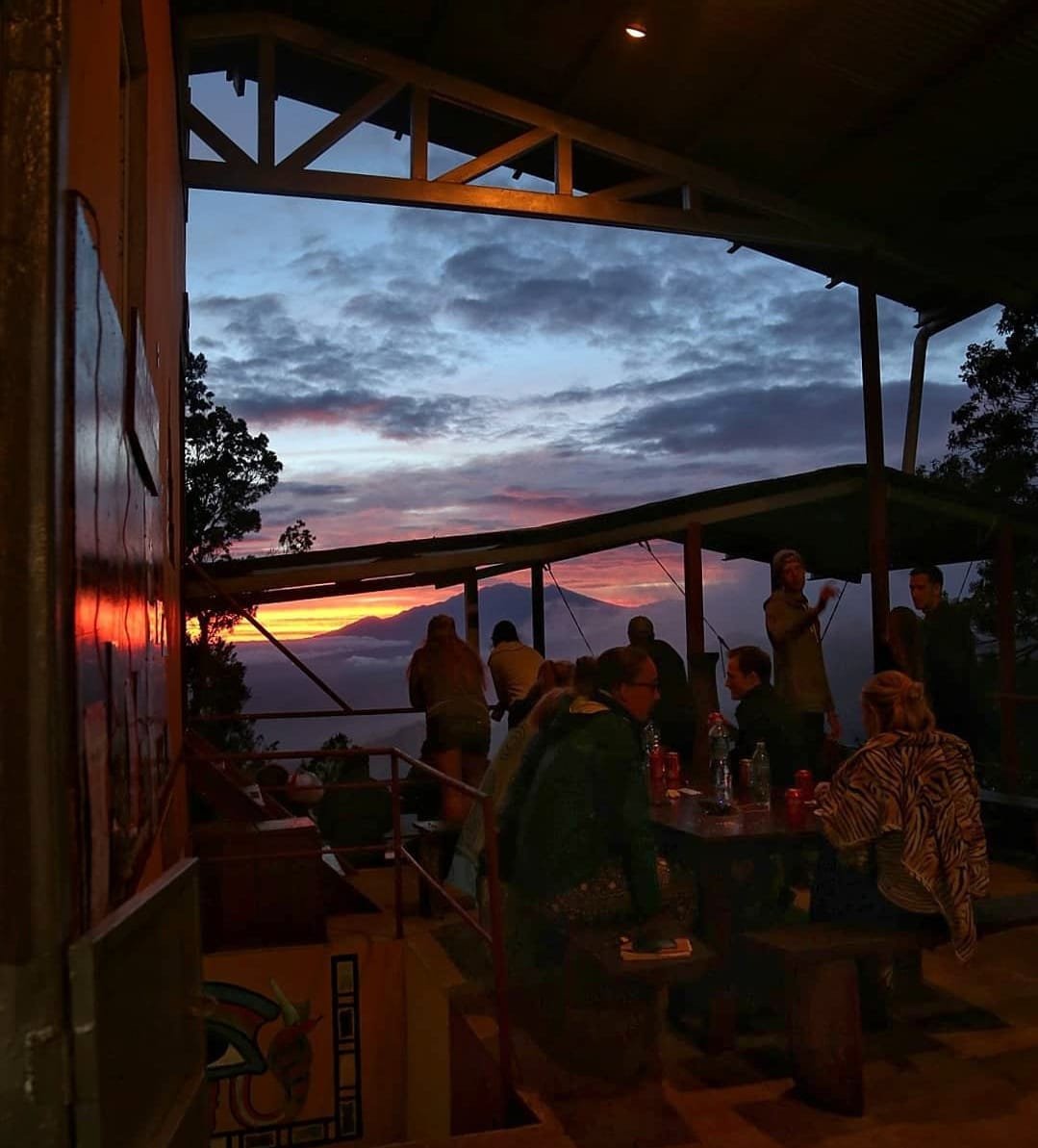
If you’re planning a Central America backpacking adventure and torn between Panama and Costa Rica, you’re not alone. These two tropical powerhouses offer rainforests, beaches, wildlife, volcanoes, and epic hostel culture. But when it comes to travel costs for the average backpacker, the differences can seriously impact how long you stay, how comfortably you travel, and how many waterfall beers you can afford. Let’s break down Panama vs Costa Rica travel costs in real, practical, backpacker terms — and have a little fun while we do it.
First, let’s address the headline fact: Panama is generally cheaper than Costa Rica for backpackers. Not dramatically cheaper in every single category, but consistently more budget-friendly across accommodation, transportation, food, and activities. Costa Rica has built a reputation as Central America’s eco-luxury destination, and prices often reflect that.
Accommodation is usually the biggest daily expense for backpackers, so let’s start there. In Panama City — especially around Casco Viejo — you can find dorm beds ranging from $12 to $20 per night. In contrast, in popular Costa Rican hotspots like Tamarindo, dorm beds often run between $18 and $30. During high season, Costa Rica prices can climb even higher.
Private rooms show an even bigger difference. In Panama, a basic private room in a hostel or guesthouse can cost $30–$50 per night in many areas. In Costa Rica, similar rooms often start at $50–$80. Multiply that over a two-week trip and you’ll feel it in your budget.
When it comes to food, Panama wins again for affordability. Local fondas (small eateries) serve hearty plates of rice, beans, plantains, and protein for $4–$6. In Costa Rica, even local sodas (small restaurants) usually charge $6–$9 for comparable meals. It may not sound huge, but daily food costs add up quickly.
Groceries also tend to be cheaper in Panama. Backpackers who cook in hostel kitchens will notice that produce, eggs, and basic staples often cost less. Costa Rica imports a lot and has higher taxes on certain goods, which trickles down to shelf prices.
Alcohol is another big backpacker expense — especially in social hostels. In Panama, local beers often cost $1–$2 in shops. In Costa Rica, you’re more likely to pay $2–$3.50. In tourist beach towns, that Costa Rican beer might hit $4 or more.
Transportation is where Panama really shines for budget travelers. Public buses in Panama are extremely cheap and widely available. You can cross significant distances for just a few dollars. In Costa Rica, bus travel is reliable but generally costs more for similar distances.
For example, traveling between major towns in Panama might cost $5–$10. In Costa Rica, comparable routes often cost $10–$20. Shuttle vans in Costa Rica, which many backpackers rely on, frequently cost $40–$60 per leg — far higher than Panama’s shared transport options.
Domestic flights? Both countries have them, but Panama’s central hub — Panama City — offers strong connectivity and competitive pricing due to its international airline traffic. Costa Rica’s airports are good too, but flights between regions can be pricey.
Now let’s talk about national park entry fees. Costa Rica is famous for its protected areas, but foreigners often pay $15–$20 per park. In Panama, many parks charge lower entry fees, sometimes $5–$10, and some hiking areas are free or minimally regulated.
Adventure tours tell a similar story. Ziplining in Costa Rica can easily cost $50–$70. In Panama, similar canopy tours may run $30–$50. Surf lessons, snorkeling trips, and waterfall tours generally lean cheaper in Panama as well.
Island hopping is iconic in both countries. Panama’s Bocas del Toro offers affordable boat taxis and budget-friendly island stays. In Costa Rica’s Santa Teresa area, transportation and accommodation often come with a premium price tag.
Currency plays a subtle but important role. Panama uses the U.S. dollar, which simplifies budgeting for American travelers and eliminates exchange rate surprises. Costa Rica uses the colón, and while exchange is easy, fluctuating rates can slightly impact your daily calculations.
ATMs and card payments are common in both countries, but Panama’s use of the dollar often feels psychologically simpler and more transparent for many backpackers tracking expenses.
Let’s talk about visas and entry costs. Many nationalities receive similar tourist allowances in both countries, typically 90 days. However, Costa Rica sometimes enforces stricter proof-of-exit requirements, which can mean extra bus ticket purchases for onward travel.
In terms of backpacker infrastructure, Costa Rica is highly developed and polished. This is wonderful for comfort but often means higher pricing. Panama feels slightly more raw and less commercialized in many regions — which often translates into better deals.
Beach destinations in Costa Rica like Manuel Antonio National Park are stunning but can be expensive due to entrance fees and accommodation demand. Panama’s beaches — from the Pacific to the Caribbean — often offer equally beautiful landscapes with fewer crowds and lower overall costs.
Mountain destinations follow a similar trend. In Panama’s highlands, including areas near Boquete, you can find budget-friendly hikes, affordable coffee tours, and lower-cost hostels. Costa Rica’s Monteverde region, while spectacular, tends to price activities at a premium.
Transportation to remote jungle lodges in Costa Rica often requires 4x4 vehicles or organized transfers, adding hidden costs. In Panama, many nature areas are accessible via affordable public transport combined with short taxi rides.
Wildlife tours in Costa Rica are world-class but often structured and guided — which means paying guide fees. In Panama, you can often experience wildlife more casually, whether hiking independently or staying in hostels surrounded by rainforest.
Surf towns in Costa Rica have become globally famous, and prices reflect that fame. Panama’s surf spots remain more under-the-radar, often meaning cheaper boards, lessons, and accommodation.
Healthcare access is good in both countries, but Panama’s private clinics are generally more affordable for travelers paying out of pocket.
Long-term backpackers will especially notice rent differences. Monthly stays in Panama can be significantly cheaper than comparable long-term rentals in Costa Rica.
Internet and coworking spaces are widely available in both countries, though Costa Rica’s digital nomad popularity sometimes inflates coworking prices.
Taxi fares in Costa Rica can surprise travelers, especially in tourist zones. Panama’s taxi culture — while requiring some negotiation — is often cheaper overall.
Street food culture is stronger and more budget-friendly in Panama, offering quick, satisfying meals for low prices.
Costa Rica does offer incredibly strong environmental protections and infrastructure, which partly explains its higher costs. You are paying for a highly developed eco-tourism system.
However, Panama delivers a powerful combination of affordability and diversity. You can explore the engineering marvel of the Panama Canal one week, hike cloud forests the next, and relax on Caribbean islands without demolishing your savings.
Backpacker party culture exists in both places, but Panama often feels more flexible and less commercialized, which can mean fewer overpriced bar crawls and more organic social experiences.
Travel insurance costs are similar for both destinations, though Costa Rica’s activity-heavy reputation sometimes increases premiums slightly.
Ultimately, if your goal is stretching your backpacker budget as far as possible, Panama typically wins. If your goal is ultra-polished eco-tourism with structured experiences, Costa Rica may justify its higher price tag.
Both countries are safe, beautiful, and packed with biodiversity. But from a purely financial perspective — daily budget, food, transport, accommodation, tours — Panama consistently offers better value for money.
That doesn’t mean Costa Rica isn’t worth it. It absolutely is. But if you’re comparing dollars, dorm beds, beers, buses, and budget adrenaline, Panama quietly comes out ahead.
For backpackers chasing jungles, beaches, volcanoes, and unforgettable experiences without watching their wallet evaporate, Panama often delivers the better bang for your buck.
In the end, your travel style matters most. But if affordability is your compass, Panama lets you stay longer, explore deeper, and order that extra sunset beer — and that’s a powerful advantage in the backpacker budget showdown.