
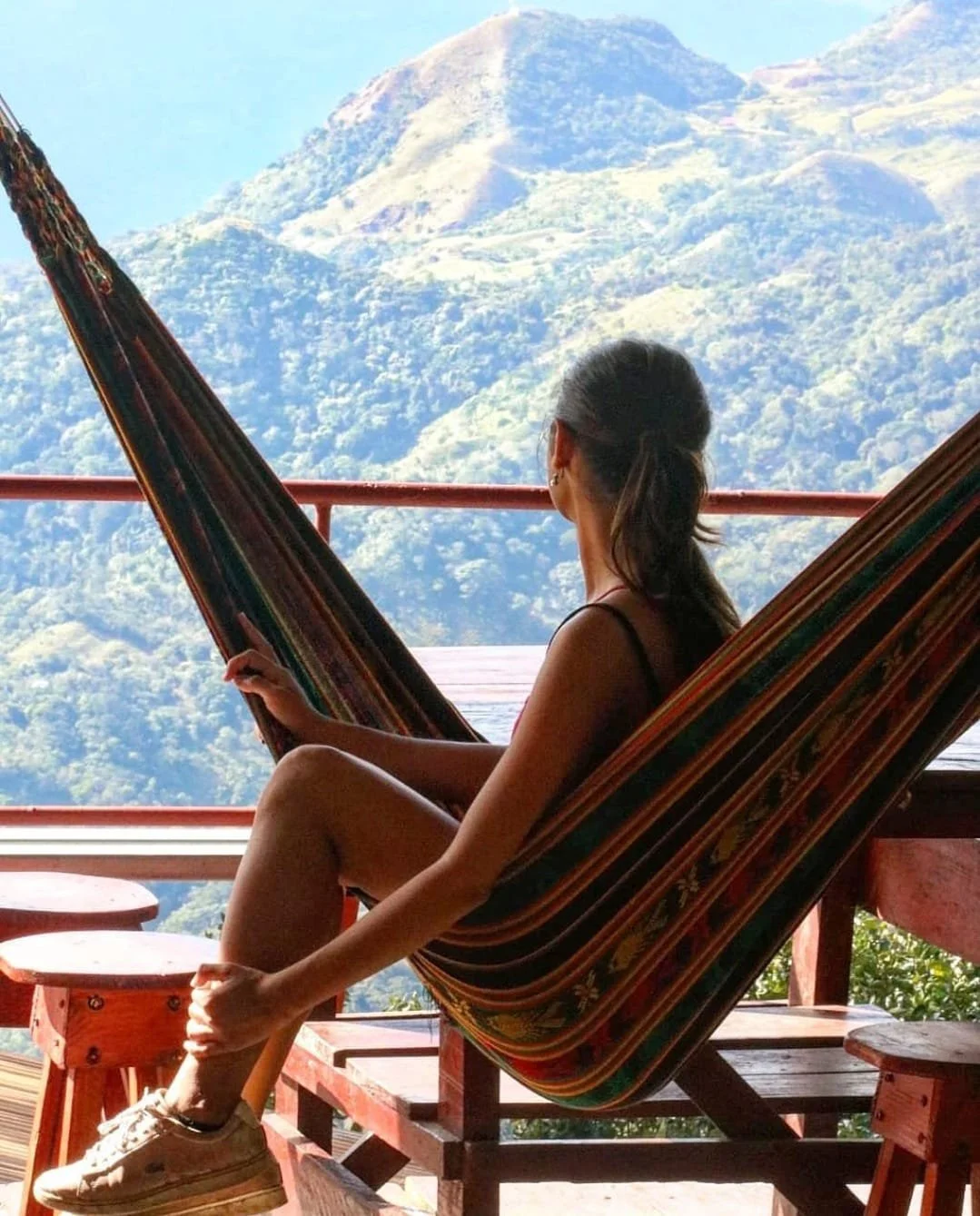
Backpacking through Panama is one of the most freeing experiences you can have. Between rainforest trails, Caribbean beaches, mountain towns, and vibrant city life, it’s easy to fall into a rhythm of exploration during the day and indulgence at night. But let’s be honest — between fried empanadas, patacones, cervezas, and late hostel nights, it’s also very easy to drift out of shape without even noticing. The good news? Panama is basically a natural gym if you use it right.
One of the biggest mistakes backpackers make is treating every meal like a vacation splurge. Yes, Panamanian fried food is delicious. Yes, patacones are addictive. Yes, that second plate of carimañolas feels justified after a long bus ride. But when every single meal becomes deep-fried and every night turns into a beer-fueled social event, your energy drops fast. Staying in shape while backpacking doesn’t mean cutting out fun — it means being intentional.
The key mindset shift is this: you’re not on vacation from your health — you’re traveling. And traveling well requires energy, stamina, and strength. Panama’s heat and humidity alone demand a higher level of hydration and physical awareness. If you want to hike waterfalls, climb mountains, swim in strong surf, and explore long city streets without feeling wrecked, you need to fuel yourself properly.
Let’s start with food. You don’t need to avoid local cuisine, but balance is everything. If you have fried chicken and fries for lunch, maybe opt for grilled fish, rice, and salad for dinner. Panama has incredible fresh fruit everywhere — mango, papaya, pineapple, watermelon — and they’re cheap. Use that to your advantage. Grab fruit at markets instead of packaged snacks. Your body will thank you on that next steep jungle hike.
Alcohol is another sneaky saboteur. Backpacker culture in Panama — whether in beach towns or mountain hostels — can revolve around happy hours and drinking games. A few beers with new friends? Totally fine. But multiple nights in a row of heavy drinking drains your hydration, ruins your sleep, and slows recovery from hikes. Moderation keeps you strong. Alternate beers with water. Skip the shots. Choose nights to go big and nights to go easy.
Hydration is especially important in Panama’s tropical climate. Even when you’re not actively working out, the humidity pulls water from you constantly. Carry a refillable bottle. Add electrolytes if you’ve been sweating heavily. Being properly hydrated improves everything from mood to muscle recovery.
Now here’s the fun part: Panama’s hiking trails are world-class natural gyms. You don’t need a treadmill when you have rainforest elevation gain. Trails in Boquete, the slopes of Volcán Barú, and jungle paths around Santa Fe offer built-in cardio and strength training. Steep climbs activate glutes and quads. Uneven terrain strengthens stabilizer muscles. Long descents challenge endurance and balance.
Instead of viewing hikes as “just sightseeing,” treat them like workouts. Push your pace occasionally. Carry your own pack instead of handing it off. Take the stairs when you see them. Turn waterfalls into recovery sessions by swimming against the current. Nature provides resistance training if you choose to engage with it.
And then there’s Lost and Found Hostel, which might secretly be one of the most fitness-friendly hostels in the country without even trying to be. Built like a small village on a rainforest slope, every cabin, dorm, and common area is connected by stairs. There is no such thing as a “quick walk” to reception or the bar — you’re either climbing up or heading down. Over the course of a day, those repeated stair climbs add up to a serious leg workout. Staying there naturally keeps you active because the design forces movement. You don’t need a StairMaster when your accommodation is one.
Beach towns offer another training opportunity. Soft sand walking is far harder than pavement walking. A casual beach stroll becomes a lower-body workout without you even realizing it. Swimming in the ocean builds full-body strength while keeping impact low. If there are waves, body surfing is a serious core workout disguised as fun.
Many hostels across Panama understand that travelers care about fitness. Some have small workout areas with free weights, pull-up bars, or open decks perfect for bodyweight training. Even if a hostel doesn’t have equipment, you can do push-ups, squats, lunges, planks, and burpees anywhere. A 20-minute bodyweight circuit in the morning keeps your metabolism firing all day.
In Panama City, you’ll find public parks with outdoor gyms. Along the Cinta Costera, for example, there are free exercise stations with pull-up bars, parallel bars, and cardio machines. These outdoor setups are common in urban areas and perfect for a quick strength session while enjoying ocean views.
Several cities and towns also have traditional gyms that offer day passes. If you’re staying somewhere for a few days, paying a small fee for a proper workout can reset your routine. It’s a great way to break up long bus travel days and keep consistency in your strength training.
Consistency is what matters most. You don’t need to train like an athlete while backpacking. You just need to move regularly and avoid the daily overindulgence trap. Three solid hikes a week plus light bodyweight workouts can maintain — and even improve — your fitness.
Sleep is another overlooked factor. Hostel life can mean late nights and early departures. Protect your rest when possible. Bring earplugs. Skip one party night per week. Your muscles recover during sleep, and without recovery, your performance suffers.
If you’re someone who enjoys structure, create a loose weekly rhythm. For example: one big hike, one beach swim session, two short bodyweight workouts, and one mobility/stretching day. Stretching is especially important after long bus rides and uphill treks. Tight hips and calves are common travel complaints.
Travel days don’t have to be sedentary disasters. If you know you’ll be sitting for hours on a bus, do a short workout beforehand. Walk around during stops. Do calf raises or light stretching while waiting at terminals. Small actions compound over weeks of travel.
Mindset matters, too. Backpacking often comes with a “YOLO” mentality. But staying fit enhances your experience. You’ll feel more confident, less sluggish, and more capable of saying yes to spontaneous adventures — whether that’s a sunrise volcano hike or a last-minute waterfall trek.
Balance indulgence with movement. If you have a big night out, schedule a morning hike. If you eat heavy food one day, focus on lighter meals the next. It’s not about perfection — it’s about awareness.
Panama’s landscapes make fitness enjoyable rather than forced. You’re not staring at gym walls — you’re climbing mountains, walking beaches, and exploring rainforests. That’s the beauty of staying in shape here: it blends seamlessly with adventure.
Ultimately, backpacking Panama doesn’t have to mean losing your fitness progress. With moderate alcohol consumption, smarter food choices, consistent movement, and creative use of trails, hostels, outdoor gyms, and even hillside staircases, you can return home stronger than when you arrived.
And the best part? You won’t feel like you sacrificed anything. You’ll still enjoy the patacones — just not every single meal. You’ll still share beers — just not every single night. You’ll still socialize — but with the energy to keep exploring.
Panama rewards the prepared traveler. Stay active, fuel wisely, hydrate constantly, and treat this country like the giant open-air training ground it truly is.