
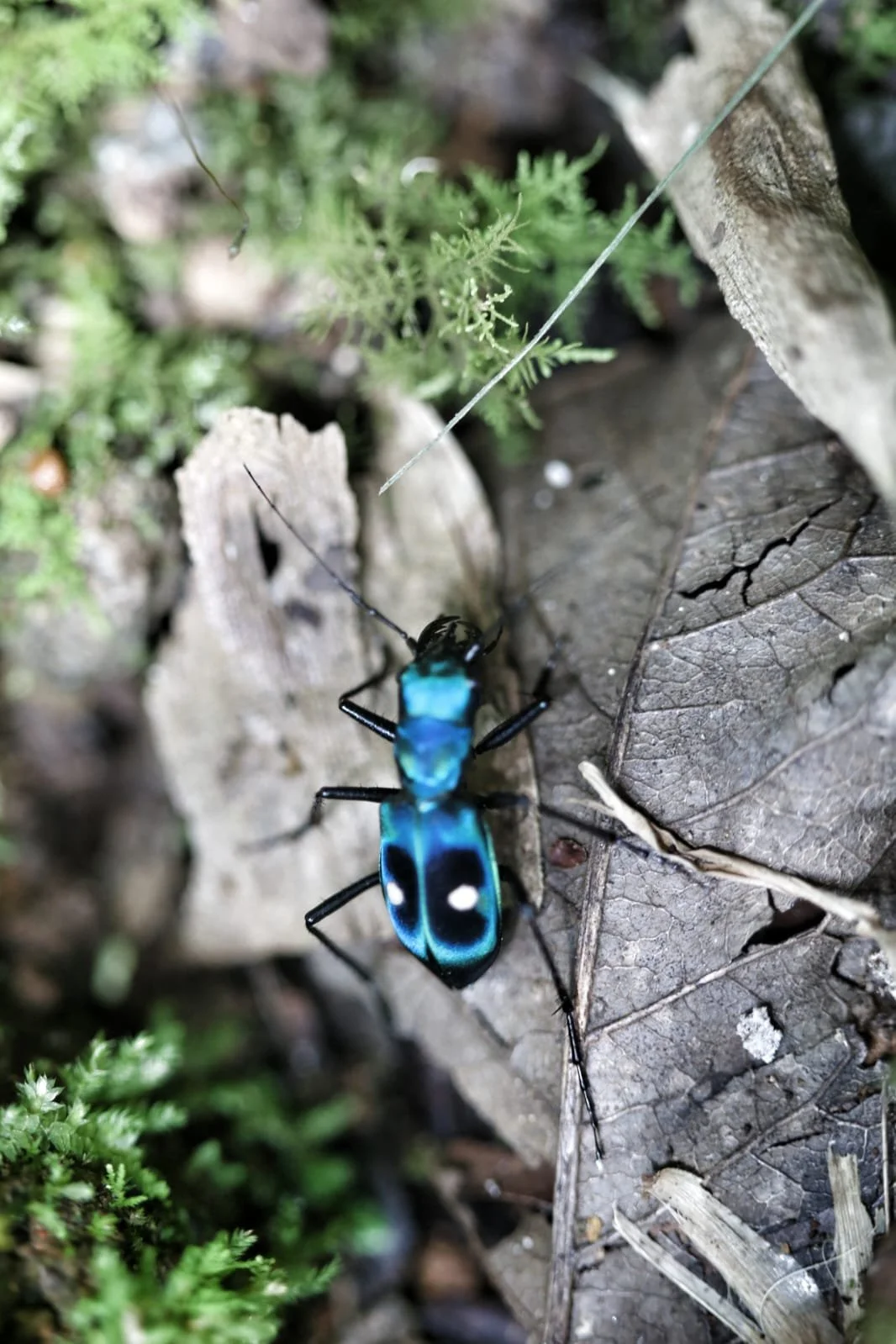
If you’re planning on travel in Panama, dreaming about misty mountains, lush jungles, and remote cabins deep in the rainforest, you might want to read this first. Because while nature in Panama is breathtaking, biodiverse, and wildly beautiful… it is also very much alive. And by alive, we mean crawling, slithering, buzzing, stinging, biting, and occasionally sipping.
This is your ultimate tongue-in-cheek survival guide to the small but terrifying creatures you might encounter while hiking in Panama, exploring inland rainforests, or sleeping in rustic jungle lodges. These aren’t safari-sized beasts. These are the quiet ones. The tiny specialists. The creatures that operate 24 hours a day while you’re admiring waterfalls and posting sunset photos.
Let’s begin with one of the most unsettling insects in Central America: the kissing bug. It sounds romantic. It is not. This nocturnal blood-feeder hides in cracks of wooden walls and thatched roofs in rural areas. When the lights go out, it may emerge—attracted to warmth and carbon dioxide—to feed on exposed skin.
Some kissing bugs can carry Chagas disease. You may never feel the bite. You may wake up with swelling near the eye or mouth and the uncomfortable realization that something stood inches from your face in the dark while you were asleep. Welcome to rural nature in Panama, where even the insects have night shifts.
But that’s only the opening act.
Tarantulas and Wandering Spiders in Panama
When people think about dangerous animals in Panama, spiders quickly make the list. Inland forests are home to large tarantulas—hairy, slow-moving, and dramatic in appearance. They roam the forest floor at night or live in burrows along hiking trails.
While tarantulas are not aggressive toward humans, stumbling upon one during late-night bathroom walks in a jungle lodge can instantly accelerate your heart rate. Their size alone is enough to make you reconsider minimalist footwear choices while hiking in Panama.
Then there are wandering spiders. Unlike polite web-builders, these spiders roam freely through forest undergrowth. They explore. They hide beneath leaves, inside boots left outside, and occasionally in backpacks resting on cabin floors. They move quickly. Which is somehow worse.
Giant Centipedes and Scorpions: Small but Mighty
Few things test your composure like a tropical giant centipede. Glossy, muscular, and equipped with far too many legs, these arthropods can deliver a painful venomous bite if handled or stepped on. They hide under rocks, logs, and damp leaf litter—exactly the kinds of places you’ll encounter while exploring nature in Panama.
Flip a log during a jungle hike and you may find one coiled beneath, glistening like something from a prehistoric nightmare. They move with confidence. You do not.
Scorpions, meanwhile, prefer discretion. They hide beneath stones, inside woodpiles, and occasionally in shoes left outside overnight. Their sting is typically painful rather than life-threatening, but “painful” in the tropics can feel impressively theatrical.
Snakes in Panama: The Ones You Really Don’t Want to Surprise
No article about snakes in Panama would be complete without mentioning the fer-de-lance. Camouflaged perfectly among fallen leaves, it blends seamlessly into jungle trails. Step too close, and you may have a very bad day.
Coral snakes advertise themselves with bright warning colors, while the elusive bushmaster inhabits dense rainforest regions inland. Most snakes prefer to avoid humans entirely, but surprise encounters while hiking in Panama can happen if you wander off trail or reach blindly into vegetation.
The key theme? Watch where you step. Always.
Tarantula Hawks and Vampire Bats
If spiders and snakes weren’t enough, inland Panama is also home to the tarantula hawk—a large wasp known for delivering one of the most painful insect stings recorded. It hunts tarantulas, paralyzing them before dragging them to underground burrows.
It is not aggressive toward humans, but seeing one glide past on a jungle trail can make you question your commitment to outdoor adventure.
And yes, vampire bats exist in rural areas. They primarily feed on livestock, but the knowledge that a small, silent mammal can make a tiny incision and sip blood while its host sleeps is enough to inspire dramatic bedtime paranoia during travel in Panama.
The Real Villain: Mosquitoes in Panama
All of these creatures combined cannot compete with the true ruler of tropical discomfort: the mosquito.
Tiny. Persistent. Relentless.
Mosquitoes in Panama can transmit dengue and malaria, particularly in certain regions. Sandflies can transmit leishmaniasis, which can cause skin lesions sometimes described as “flesh-eating” in appearance because the sores can slowly erode tissue if untreated. It is not literally devouring you—but the imagery alone is enough to send you into a late-night spiral.
You will encounter mosquitoes while relaxing near rivers, trekking through humid rainforest, or enjoying sunsets in remote villages. They operate at dawn, dusk, and whenever you forget repellent.
Hiking in Panama: Should You Be Terrified?
After reading about kissing bugs, tarantulas, wandering spiders, giant centipedes, scorpions, snakes in Panama, tarantula hawks, vampire bats, dengue, malaria, and leishmaniasis, you might be reconsidering travel in Panama entirely.
But here’s the twist.
Millions of people live safely in Panama. Thousands go hiking in Panama every single day. Encounters with dangerous animals in Panama are statistically rare, and most wildlife actively avoids human interaction. Simple precautions—wearing proper footwear, using insect repellent, shaking out boots, sleeping under nets in rural areas—dramatically reduce risk.
In fact, statistically speaking, you’re more likely to be struck by lightning in Panama than seriously harmed by most of these creatures.
And lightning? People get struck every day.
Okay, not literally every day. But enough to remind us that fear is often louder than reality.
Because the truth about nature in Panama is this: it is wild, vibrant, biodiverse, and astonishingly beautiful. The same forests that host tarantulas and snakes also shelter orchids, waterfalls, toucans, monkeys, and cloud forests that look like something out of a dream.
Yes, things crawl. Yes, something might slither across a trail. Yes, you may hear unfamiliar sounds at night.
But the real danger of travel in Panama?
You might fall in love with the adventure.
And then no amount of creepy crawlies will keep you away.