
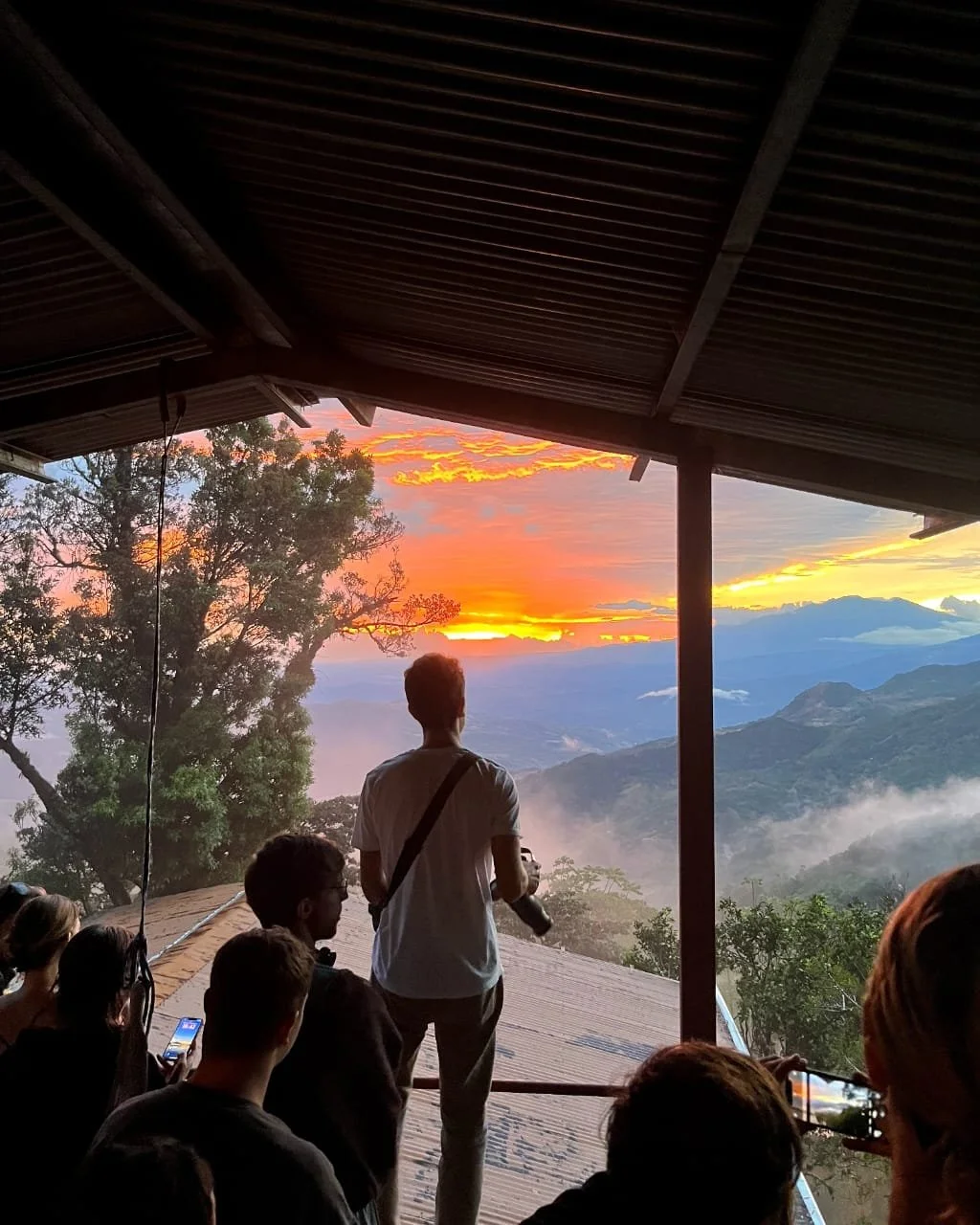
Panama has quietly become one of the most attractive countries in Latin America for remote workers. It offers something rare: modern infrastructure mixed with wild nature, a stable economy that uses the U.S. dollar, strong banking systems, decent healthcare, and dramatically different landscapes packed into a small country. In the same week, you can work from a skyscraper apartment overlooking the Pacific, then relocate to a mountain town wrapped in cool mist and coffee farms. For digital nomads who want flexibility, lifestyle balance, and reliable internet, Panama delivers — but each town offers a completely different experience.
The biggest surprise for many remote workers is how diverse Panama feels. It isn’t just beaches and palm trees. It’s mountain highlands, cloud forests, Caribbean islands, surf towns, cattle country, colonial neighborhoods, and full-blown cosmopolitan city life. That diversity means there’s no single “best” place — there’s only the best place for your working style, personality, and bandwidth needs.
Panama City is the most obvious starting point. It’s modern, vertical, and international. Glass towers rise above the Pacific Ocean, and coworking spaces operate with the efficiency you’d expect in a financial capital. Internet speeds here are the most reliable in the country, often fast enough for heavy video calls, content uploads, or tech-based work. If your job requires consistent high bandwidth and you can’t afford downtime, Panama City is the safest bet.
Beyond infrastructure, the capital offers lifestyle depth. You can finish work and walk along the Cinta Costera at sunset, explore colonial streets in Casco Viejo, or eat at restaurants that rival major global cities. Rooftop bars, live music, galleries, and networking events are easy to find. For remote workers who want urban stimulation and professional energy, Panama City feels less like a tropical escape and more like a serious base.
Still, not everyone thrives in big-city environments. That’s where the highlands come in. Boquete, tucked into the mountains of Chiriquí Province, has become a magnet for remote workers who value cooler weather and outdoor access. The temperature drop alone — often ten degrees cooler than the coast — makes long work sessions more comfortable. Instead of traffic noise, you hear rivers and birds.
Boquete’s internet has improved significantly over the years. Many rentals now offer stable speeds strong enough for video conferencing, especially in central areas. Coffee shops cater to laptop users, and there’s a sizable expat community that makes integration easy. The lifestyle here leans toward early mornings, fresh coffee, and afternoon hikes. It’s ideal for writers, designers, consultants, and anyone who wants quiet focus paired with weekend adventure.
Nearby David offers a different dynamic. It’s less scenic and less touristy, but highly practical. As one of Panama’s larger cities, it has solid medical facilities, shopping centers, reliable utilities, and lower rental costs than the capital. Remote workers who prioritize convenience over charm often find David to be an underrated base. It may not have a beach view or mountain mist, but it provides stability and affordability.
Along the Pacific coast, Coronado and surrounding beach communities attract remote workers who want sand without sacrificing access to Panama City. About two hours from the capital, this stretch of coastline has grown into an expat-friendly zone with fiber internet in many residential developments. The days revolve around structured work blocks followed by sunset walks and ocean air.
Further down the Azuero Peninsula, Pedasí offers a slower rhythm. It’s small, charming, and community-oriented. The internet is surprisingly dependable in most rentals because many long-term foreign residents live there. Pedasí appeals to people who don’t need constant stimulation. Instead of nightlife and traffic, you get quiet mornings, local markets, and easy access to untouched beaches.
For those drawn to island life, Bocas del Toro is the most tempting option. Turquoise water, boat taxis, colorful wooden buildings, and a Caribbean vibe define daily life. Working here requires some flexibility, as internet speeds can vary depending on the island and weather. However, in the main town on Isla Colón, several cafes and accommodations now offer reliable connections. Many nomads adjust their schedules around the tropical rhythm — productive mornings followed by afternoon swims.
Bocas has a unique energy. It blends backpackers, entrepreneurs, artists, and long-term expats. It’s not polished, but that’s part of its charm. Remote workers who prioritize lifestyle and scenery over ultra-fast connectivity often fall in love with the freedom of working steps from the sea.
El Valle de Antón provides yet another contrast. Located inside the crater of an extinct volcano, it’s quiet, green, and cooler than the lowlands. The town feels tucked away, but still close enough to Panama City for weekend access. Internet speeds are generally sufficient for standard remote work, though not as robust as the capital. The appeal lies in its atmosphere — waterfalls, hiking trails, weekend artisan markets, and a calm that fosters deep focus.
Santiago de Veraguas is less discussed in digital nomad circles but deserves attention. It’s a practical inland city with lower rent and everyday Panamanian life. It lacks beach views and tourism glamour, but for remote workers who simply want affordability and strong basic infrastructure, Santiago works well. Sometimes the best place to focus is the one without distractions.
Playa Venao has quietly developed into a surf-and-laptop hybrid community. Originally known for waves and beach parties, it now has enough cafes and rentals with decent internet to support longer stays. The energy is youthful and active. Days often revolve around morning work sessions and afternoon surf breaks. For creative entrepreneurs or freelancers who thrive in social environments, it’s an appealing choice.
Las Tablas offers cultural immersion rather than digital convenience. Famous for Carnival and traditional celebrations, it reflects rural Panamanian heritage. Internet quality can vary, so it’s better suited to lighter remote work. But for writers or long-term slow travelers, the authenticity and community spirit are compelling.
Across all these towns, one theme remains constant: internet quality depends on location. Even within the same town, one neighborhood may have fiber while another relies on slower connections. Smart remote workers always test speeds before committing to long leases and maintain a backup mobile data plan.
Cost of living varies widely. Panama City sits at the top of the range, especially in modern high-rise neighborhoods. Beach communities and mountain towns can be moderately priced, while inland cities remain more affordable. Grocery prices are similar nationwide, but rent is the biggest variable. The good news is that Panama’s use of the U.S. dollar simplifies budgeting for American remote workers.
Healthcare access is another advantage. Panama City offers high-quality private hospitals. Larger towns like David also provide reliable care. For nomads planning longer stays, this infrastructure adds peace of mind.
Safety in Panama is generally strong compared to much of Central America. Like anywhere, some neighborhoods require awareness, but violent crime rates in most remote-work-friendly towns are low. Practicing standard precautions is usually sufficient.
One factor many remote workers overlook is climate preference. Coastal areas are hot and humid year-round. Mountain towns are cooler but can be misty and rainy. Choosing the right climate dramatically affects productivity and comfort.
Community also matters. Panama City offers networking events and entrepreneurial circles. Boquete and Pedasí have tight-knit expat communities. Bocas fosters social spontaneity. Each environment shapes how isolated or connected you feel.
Another consideration is access to nature. In Panama, nature is never far away. Even in the capital, you can escape to rainforest trails within an hour. In smaller towns, waterfalls, beaches, and rivers may be within walking distance. For many remote workers, that immediate access to outdoor therapy is the biggest draw.
Transportation within the country is relatively straightforward. Domestic flights connect major hubs quickly. Buses are affordable and frequent. Having Panama City as a central base makes exploring other towns easy.
Visa regulations are an evolving factor. Panama has introduced digital nomad options that allow longer legal stays, though requirements change. Many remote workers rotate in and out under tourist status, but official visas provide more stability for long-term planning.
Ultimately, the best town for remote work in Panama depends on what fuels you. If you need speed, structure, and stimulation, Panama City stands out. If you crave cool air and mountain views, Boquete is compelling. If beach life keeps you motivated, Coronado, Playa Venao, or Bocas may be your answer. If affordability and simplicity matter most, Santiago or David may surprise you.
Panama’s real strength lies in flexibility. You can test one town for a month, then move on. The country is small enough to explore without massive relocation stress. That mobility allows remote workers to adapt with the seasons and their evolving needs.
Work in the morning, explore in the afternoon, and watch the sunset somewhere entirely different next month. That’s the rhythm Panama quietly offers — a country where professional life and tropical adventure don’t compete, but coexist.