
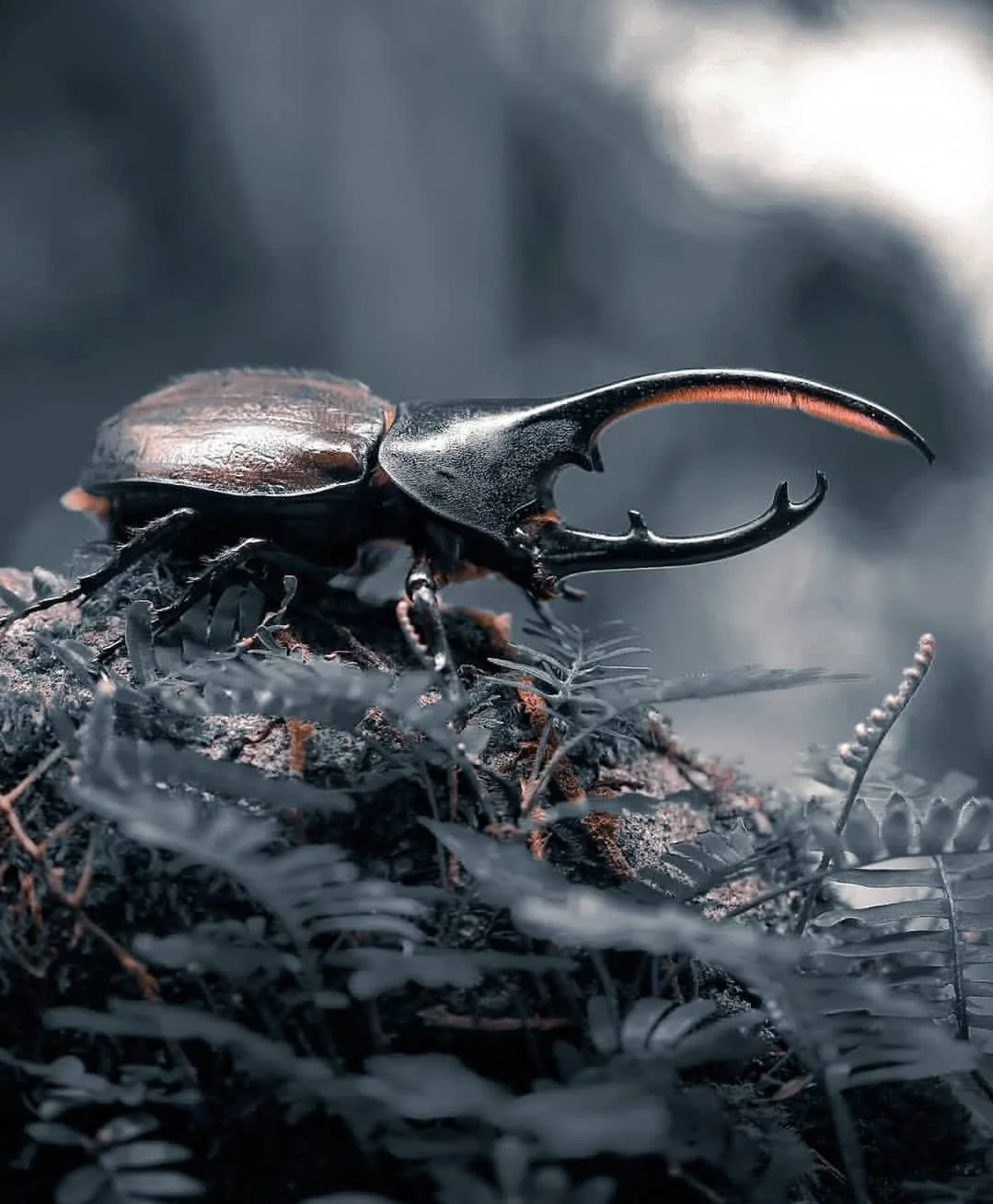
Deep in the rainforests of Panama lives one of the most feared insects in the Americas: the bullet ant. At first glance it might not look particularly terrifying. It’s simply a large, dark-colored ant slowly moving along the jungle floor or climbing a tree trunk. But this insect has earned its dramatic name for a reason. People who have been stung often say the pain feels like being hit by a bullet.
The bullet ant (Paraponera clavata) is famous for delivering what many scientists consider the most painful insect sting in the world. The pain is so intense that it tops the famous Schmidt Pain Index, a scale used by entomologists to measure the severity of insect stings. The scientist who created the scale described the sensation as “pure, intense, brilliant pain.” Not exactly a pleasant jungle souvenir.
Fortunately, bullet ants are not aggressive creatures. They usually prefer to go about their business unnoticed. Most stings happen when someone accidentally steps near a nest or brushes against a tree where the ants are traveling. When disturbed, the ants can become defensive, and their powerful stinger quickly reminds you that the rainforest is full of surprises.
One reason bullet ants are so memorable is their size. Compared to the tiny ants most people are used to, bullet ants are giants. Workers can grow over an inch long, making them among the largest ants in the world. Their long legs and strong jaws give them a prehistoric appearance, and when you see one up close, it’s clear this is not your average backyard insect.
Bullet ants typically live in colonies at the base of trees in tropical forests. Their nests are often hidden among roots or leaf litter, with small entrance holes leading into underground chambers. From these nests, the ants travel up and down nearby trees searching for nectar, small insects, and other food sources.
Despite their fearsome reputation, bullet ants are actually important members of the rainforest ecosystem. They help control insect populations and also play a role in the complex web of tropical forest life. Like many insects, they contribute to maintaining balance in the environment.
Interestingly, bullet ants also have cultural significance among certain indigenous groups in the Amazon basin. In some traditional initiation ceremonies, young warriors must wear gloves filled with bullet ants as a test of endurance and bravery. The experience is said to be extraordinarily painful, reinforcing just how powerful the sting really is.
For travelers hiking in Panama’s forests, encountering a bullet ant is rare but possible. The good news is that simply being aware of your surroundings dramatically reduces the chances of getting stung. Watching where you step, avoiding disturbing ant trails, and paying attention to tree trunks along trails are usually enough precautions.
If you do spot one, it’s actually a fascinating animal to observe—from a safe distance. Watching a bullet ant slowly patrol the forest floor reminds you that the rainforest is filled with creatures both beautiful and formidable.
In a country known for monkeys, sloths, and colorful birds, the bullet ant represents another side of Panama’s wildlife: small, powerful, and unforgettable. It may only be an ant, but in the jungle, it’s an insect that definitely packs a punch. 🐜🌿