
Traveling in Panama is full of incredible experiences—rainforests, islands, mountains, wildlife, and some of the friendliest people in Central America. But like any destination, there are a few ideas that might sound perfectly reasonable at first… until you actually try them. Whether it’s underestimating the weather, misjudging travel distances, or assuming you can handle the tropical heat like a local, Panama has a way of teaching travelers a few lessons the hard way.
One of the most common mistakes visitors make is assuming they can walk everywhere in Panama City. When you look at a map, distances might appear manageable. But once you step outside, the tropical heat and humidity quickly change your mind. A 20-minute walk can suddenly feel like a marathon under the midday sun, especially if there isn’t much shade along the route. Locals often plan their days around avoiding the hottest hours, something travelers quickly learn after their first sweaty afternoon trek.
Another idea that sounds good in theory is planning too many destinations in a short amount of time. Panama may be a relatively small country, but its geography can make travel slower than expected. Mountain roads, jungle terrain, and long bus routes can turn what looks like a short trip on the map into an entire day of travel. Visitors sometimes think they can easily go from Panama City to Boquete, then to Bocas del Toro, and back again within a couple of days. In reality, trying to rush around the country often means spending more time on buses than actually enjoying the places you came to see.
A mistake that many travelers make at least once is ignoring the afternoon rain during the rainy season. In much of Panama, especially from May through November, heavy tropical rainstorms often arrive in the late afternoon. Visitors sometimes head out on long hikes or beach trips without checking the weather patterns, only to find themselves caught in a sudden downpour. While the rain usually doesn’t last all day, when it does arrive it can be intense and very wet.
Another thing that seems like a great idea at the time is underestimating the power of the sun. Because Panama sits close to the equator, the sun can be extremely strong even when the weather feels pleasant. It’s very common to see travelers enjoying a beach day without realizing how quickly they’re getting sunburned. By evening, the consequences are obvious, and the next few days of the trip may involve searching for aloe vera instead of exploring.
Some visitors also assume they can eat street food late at night without thinking twice about it. Panama has amazing street food—empanadas, fried snacks, grilled meats, and fresh seafood—but travelers who dive into everything immediately sometimes regret it the next day. Like anywhere in the world, it’s smart to choose busy food stands where ingredients are fresh and turnover is high.
Another classic mistake is assuming every beach is safe for swimming. Panama has stunning coastlines on both the Pacific and Caribbean sides, but ocean conditions can vary. Certain beaches experience strong waves or powerful currents at different times of the year. What looks like a calm paradise can sometimes hide surprisingly strong surf, especially on the Pacific coast.
Travelers also sometimes think it’s a good idea to pack way too much for a tropical trip. Many people arrive in Panama with large suitcases full of clothes they never end up using. The reality is that most days require simple, lightweight clothing, and laundry is easy to find in many towns. After a few days of carrying a heavy bag around buses, boats, and hostels, travelers quickly realize they could have packed half as much.
Another surprisingly common mistake is assuming wildlife will appear on command. Panama is one of the most biodiverse countries in the world, and it’s possible to see monkeys, sloths, tropical birds, and other animals throughout the country. But nature doesn’t operate on a schedule. Some travelers expect wildlife sightings every hour and become impatient when the forest seems quiet. Ironically, the best sightings often happen when you slow down, stay quiet, and spend time observing the environment.
Some visitors also believe they can fit every activity into a single trip, trying to see every island, mountain, beach, and rainforest in just a week or two. Panama offers an incredible variety of landscapes, but part of the magic comes from slowing down and enjoying each place rather than rushing through a checklist of destinations.
Even experienced travelers sometimes make the mistake of assuming they’ll stick to their original itinerary. But Panama has a funny way of changing plans. Many people arrive expecting to stay somewhere for one night and end up staying for several days after discovering a place they love. This happens frequently in remote mountain locations or nature-focused accommodations where the surrounding environment encourages visitors to relax and stay longer.
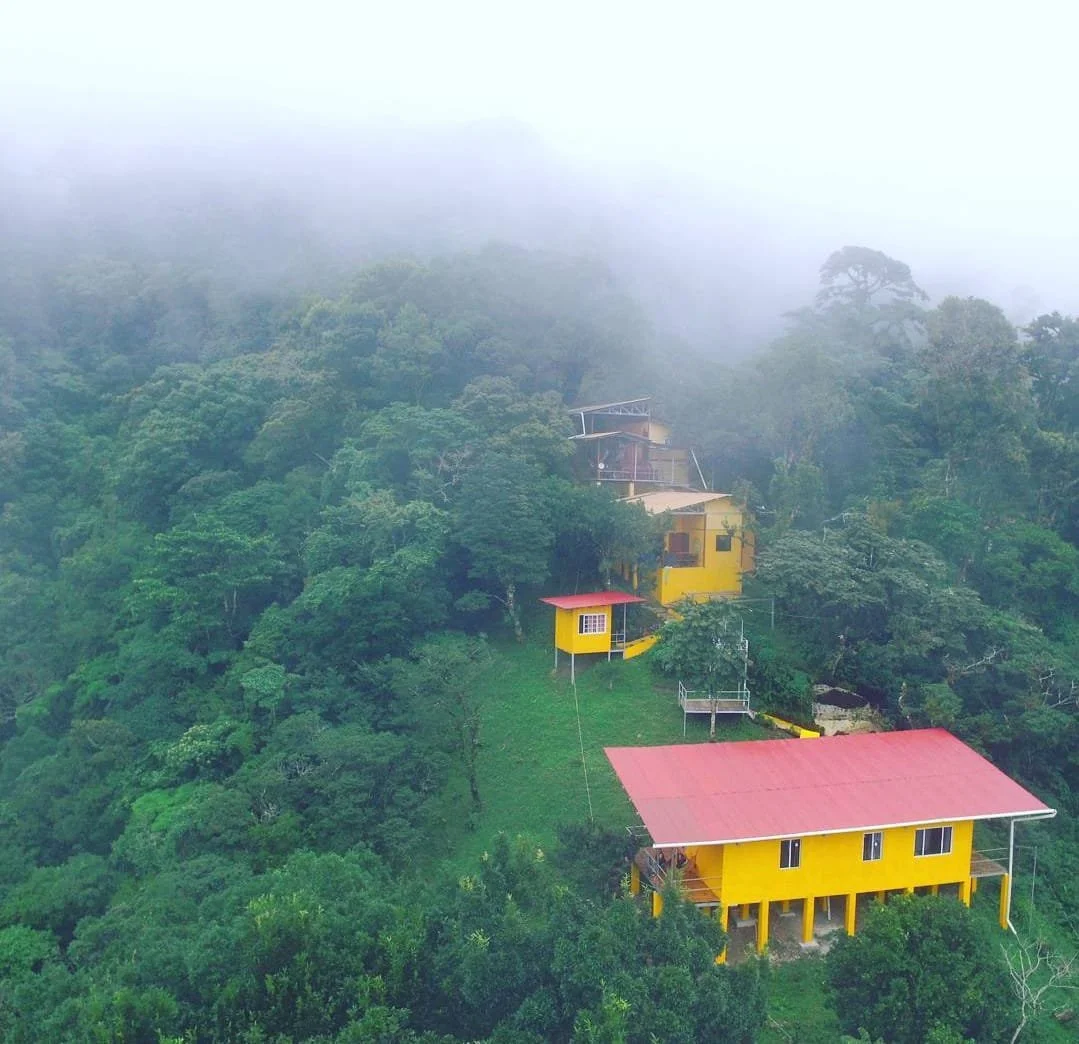
In fact, travelers who visit places deep in the rainforest often discover that the biggest mistake would be not allowing extra time. Some locations, like jungle hostels hidden in the cloud forest, are so peaceful that guests end up extending their stay simply to enjoy the quiet trails, wildlife, and views. What was originally meant to be a quick stop becomes a memorable highlight of the trip.
At the end of the day, most of these “bad ideas” are simply part of the learning experience that comes with travel. Panama rewards curiosity and adventure, but it also reminds visitors to slow down, stay flexible, and respect the natural environment around them.
And sometimes the ideas that seem like mistakes at first end up becoming the best travel stories later.