
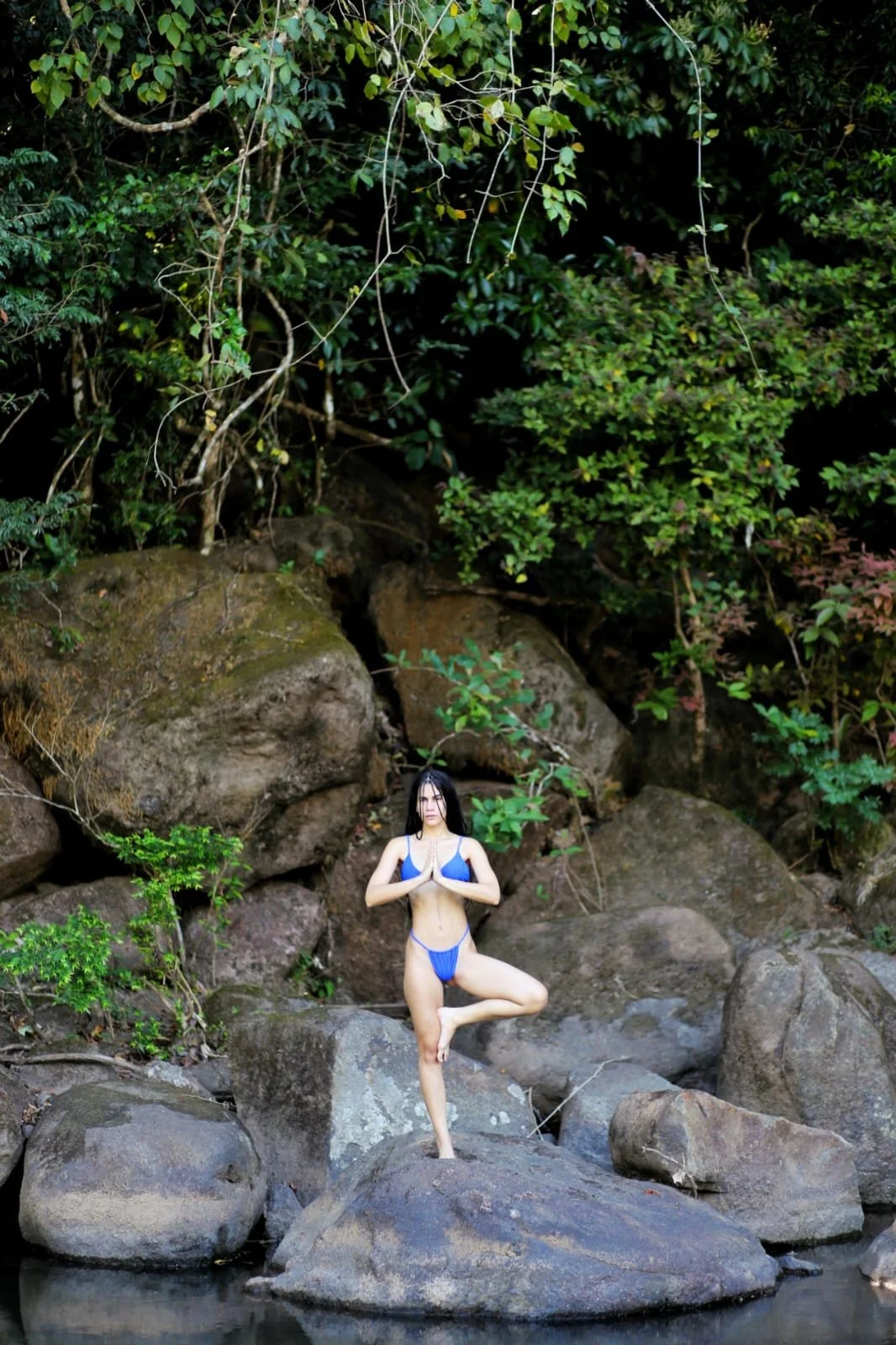
Panama is often reduced in people’s minds to a single image: ships passing through the famous canal. While the Panama Canal is certainly one of the most impressive engineering feats on Earth, it represents only a tiny fraction of what the country actually offers. Travelers who take the time to explore Panama quickly discover that it is one of the most diverse and fascinating destinations in the Americas. From tropical islands and remote rainforests to vibrant cities and rich cultural traditions, Panama delivers an incredible range of experiences within a relatively small geographic area. Yet despite all of this, the country still flies under the radar compared to its neighbors like Costa Rica or Mexico, making it one of the most underrated travel destinations in the world.
One of the biggest reasons Panama remains underrated is that many travelers simply don’t realize how much variety exists here. Within a single day, you can move from a modern skyline filled with glass skyscrapers in Panama City to dense tropical jungle filled with wildlife. You can explore Caribbean islands with crystal-clear water, hike through cloud forests in the mountains, and then finish the day eating fresh seafood on the Pacific coast. Few countries offer this level of geographic diversity in such a compact space. For travelers who enjoy both nature and culture, Panama offers the best of both worlds without requiring long travel distances between destinations.
Panama is also one of the easiest countries in Latin America to travel through, especially for English-speaking visitors. Because of the long history connected to the Panama Canal and international trade, English is widely understood in many parts of the country, particularly in tourism areas. The U.S. dollar is also used alongside the Panamanian balboa, which eliminates the hassle of currency conversion for many travelers. Infrastructure is generally strong, roads are good, and transportation between major destinations is straightforward. All of these factors make Panama an incredibly accessible destination for both first-time travelers and experienced backpackers.
Nature lovers quickly discover that Panama punches far above its weight when it comes to biodiversity. The country acts as a natural bridge between North and South America, allowing species from both continents to mix. As a result, Panama is home to an astonishing number of animals and plant species. It’s possible to see sloths, monkeys, toucans, colorful frogs, and hundreds of bird species in many parts of the country with relatively little effort. National parks, protected reserves, and biological corridors cover large portions of the country, making it easy for travelers to immerse themselves in wild landscapes that still feel largely untouched.
The beaches of Panama are another major highlight that many travelers overlook. On the Caribbean side, the islands of Bocas del Toro offer clear turquoise water, coral reefs, and laid-back island culture that rivals much more famous Caribbean destinations. On the Pacific side, travelers will find long stretches of uncrowded coastline, dramatic sunsets, and some of the best surfing in Central America. Places like Playa Venao and Santa Catalina attract surfers from around the world, while countless smaller beaches remain blissfully quiet compared to other tropical destinations.
Beyond the natural beauty, Panama’s cultural diversity adds another layer that makes the country special. Indigenous groups such as the Guna, Emberá, and Ngäbe-Buglé maintain traditions that go back centuries. Travelers can visit indigenous communities, learn about traditional crafts, and experience cultures that still live closely connected to the land and rivers around them. These experiences provide a meaningful window into Panama’s deep cultural roots, which many visitors don’t expect before arriving.
Food is another pleasant surprise for travelers. Panamanian cuisine blends influences from Spain, Africa, the Caribbean, and indigenous traditions. Simple dishes like arroz con pollo, fresh ceviche, fried plantains, and hearty soups are widely available and incredibly satisfying after a long day of exploring. Because Panama has both Caribbean and Pacific coastlines, seafood is especially fresh and abundant. Markets and small roadside restaurants often provide some of the most authentic meals, giving travelers a real taste of everyday life in the country.
Adventure travel opportunities are abundant across Panama. You can snorkel alongside tropical fish in coral reefs, hike through jungle trails filled with wildlife, surf powerful Pacific waves, zipline above rainforest canopies, or explore caves hidden deep within the mountains. Even within a single region, travelers often find multiple outdoor activities waiting to be discovered. For those who enjoy active travel, Panama provides endless opportunities to get outside and explore.
One particularly special experience for nature lovers can be found in the highlands and rainforests of western Panama. Hidden deep in the jungle mountains near Santa Fe is Lost and Found Hostel, a remote eco-hostel that has become a favorite stop for adventurous backpackers. Surrounded by cloud forest and wildlife, the hostel offers hiking trails, waterfalls, and frequent animal sightings right outside your door. Guests often spot monkeys, birds, agoutis, and coatimundis wandering through the forest around the property. The experience feels worlds away from city life and perfectly captures the wild side of Panama that so many travelers fall in love with.
Another reason Panama remains underrated is that it hasn’t yet been overwhelmed by mass tourism. While certain areas see steady visitor numbers, large parts of the country still feel authentic and local. Small towns, mountain villages, and quiet beaches offer a slower pace of life where travelers can connect with people and landscapes in a much more personal way. This sense of discovery is becoming increasingly rare in popular travel destinations, which is why many people who visit Panama end up recommending it passionately to others.
Panama also benefits from a year-round tropical climate that makes travel possible in every season. Even during the rainy months, showers are often short and followed by sunshine. The lush greenery created by these rains keeps forests vibrant and waterfalls flowing. For travelers who enjoy photography, wildlife, or simply beautiful scenery, Panama’s landscapes remain striking throughout the year.
In many ways, Panama offers the same experiences that make other Central American countries famous—but often with fewer crowds and greater variety. You get tropical islands like the Caribbean, surf beaches like Costa Rica, colonial history like Colombia, and rich biodiversity like the Amazon, all packed into one country that is surprisingly easy to explore.
For travelers willing to look beyond the canal and spend time exploring its islands, mountains, jungles, and cultures, Panama reveals itself as one of the most rewarding destinations in the world. It’s the kind of place where one day you’re snorkeling in turquoise water, the next you’re hiking through cloud forest, and the following day you’re watching the sunset over a quiet Pacific beach. That combination of accessibility, natural beauty, culture, and adventure is exactly why Panama remains one of the most underrated countries on the planet—and why those who visit often end up wanting to come back again and again.