
Sloths may be famous for moving slowly, but what many people don’t realize is that their digestive system is even slower than their movements. In fact, the entire lifestyle of a sloth—from the way it climbs trees to how often it sleeps—is designed around digesting food that provides very little energy.
Panama is home to two species of sloths: the brown-throated three-toed sloth and Hoffmann’s two-toed sloth. While they share the same forests and look similar at first glance, their diets and digestive systems reveal fascinating differences that help them survive in the rainforest canopy.
The Brown-Throated Three-Toed Sloth
The brown-throated three-toed sloth is the most commonly seen sloth in Panama and is famous for its extremely specialized diet. These sloths are primarily leaf eaters, meaning they survive almost entirely on foliage from specific rainforest trees.
Leaves are one of the toughest foods in nature to digest. They contain a lot of fiber and often include chemical defenses produced by plants to discourage animals from eating them. To deal with this, three-toed sloths have evolved an extraordinary multi-chambered stomach, similar in concept to the stomach of a cow.
Inside this stomach lives a community of bacteria that slowly break down the leaves through fermentation. Because this process takes so long, food can remain inside a sloth’s digestive system for two to four weeks before it is fully processed.
This extremely slow digestion explains why three-toed sloths sleep so much—sometimes 15 to 18 hours per day. Leaves simply do not provide enough calories for a fast lifestyle.
Favorite Foods
Three-toed sloths tend to prefer leaves from certain rainforest trees such as:
Cecropia trees
Guarumo trees
Various young tropical leaves that are easier to digest
Because they rely on specific trees, these sloths often spend most of their lives in the same few trees, rarely traveling far.
Another strange behavior related to digestion is their famous once-a-week bathroom trip. Roughly every seven days, the sloth slowly climbs down from the canopy to defecate at the base of the tree. Scientists believe this may help maintain the ecosystem that exists in their fur, including moths and algae.
Hoffmann’s Two-Toed Sloth
The Hoffmann’s two-toed sloth is less specialized than its three-toed cousin. While it also eats leaves, it has a much more varied diet and is considered an opportunistic feeder.
This sloth’s digestive system is still slow and complex, but it is slightly more flexible because it processes different types of food. Two-toed sloths may eat:
Leaves
Fruits
Flowers
Tree buds
Occasionally insects or small animal matter
Because they are less picky eaters, two-toed sloths can move between different tree species more easily than three-toed sloths. They are also mostly nocturnal, feeding during the night when many rainforest plants release strong scents that help guide them to food.
Even though they have a broader diet, digestion is still incredibly slow. Food may stay in their stomach for days or weeks, and their metabolism remains one of the slowest among mammals.
Their powerful arms and long claws allow them to hang upside down effortlessly while feeding, sometimes staying in the same position for hours.
Comparing the Diets of Panama’s Sloths
Although both species live in Panama’s forests, their feeding habits reveal different survival strategies.
Three-toed sloths
Mostly eat leaves
Highly selective about tree species
Active mainly during the day
Extremely slow metabolism
Two-toed sloths
Eat a wider variety of foods
More flexible in their habitat choices
Mostly active at night
Slightly faster and stronger climbers
These differences allow both species to share the same forests without competing too heavily for the exact same food sources.
Why Sloths Digest Food So Slowly
Sloths have evolved to survive on a diet that many other animals could not handle. Leaves are abundant in tropical forests but provide very little energy.
To cope with this, sloths evolved:
Large fermentation chambers in their stomach
Specialized gut bacteria that break down plant fibers
Extremely slow metabolism to conserve energy
A lifestyle that minimizes movement
In fact, a sloth’s stomach can hold up to one-third of its body weight in food at any given time.
This slow digestion is also why sloths are careful about what they eat. A bad meal could take weeks to pass through their system.
Sloths in the Cloud Forest Highlands
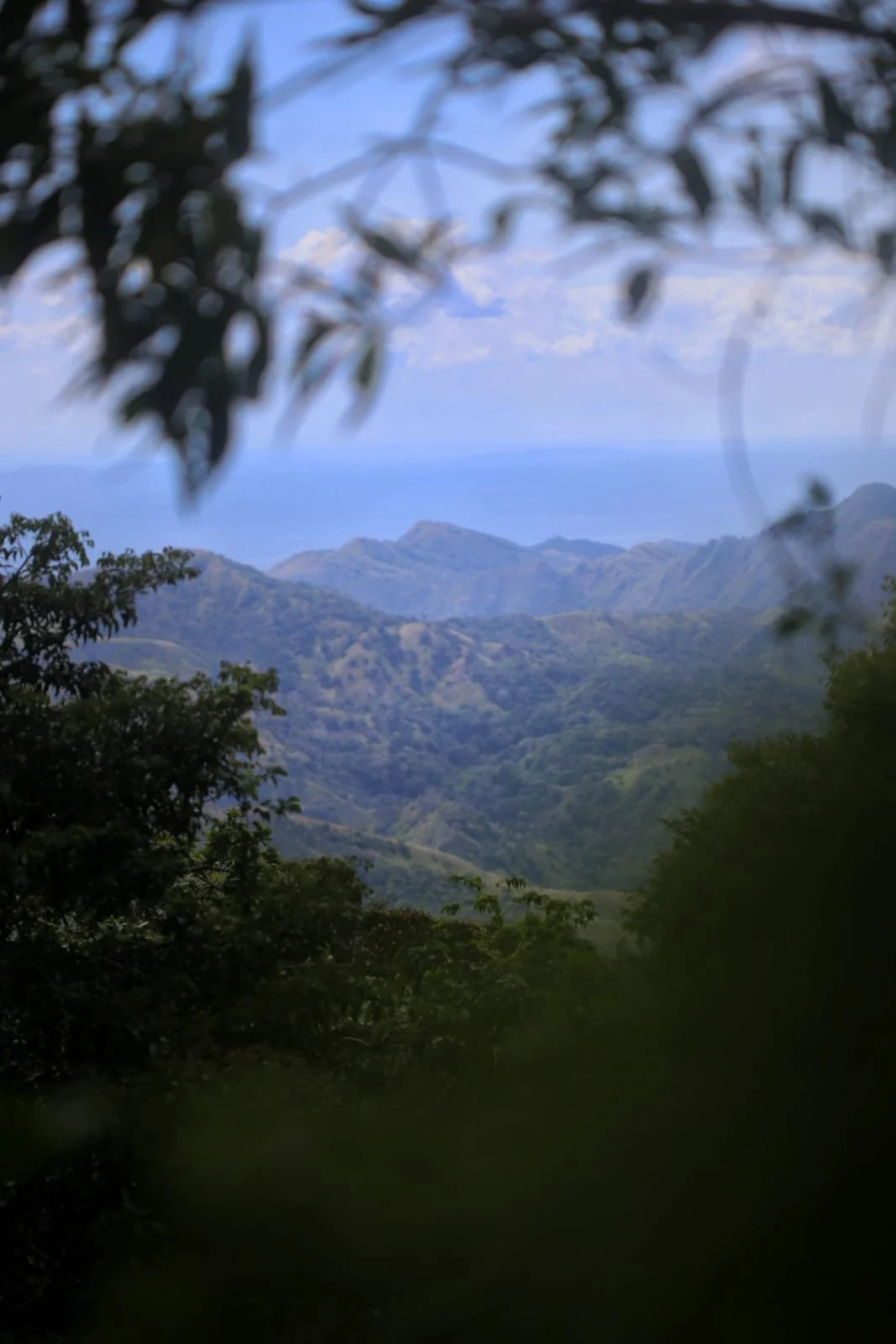
One of the surprising places where travelers sometimes encounter sloths is around Lost and Found Hostel, a remote backpacker lodge surrounded by jungle in the mountains of western Panama.
The forest around the hostel connects to the wild landscapes of the nearby highlands and protected reserves. Because the area contains a mix of tropical trees and dense vegetation, it provides suitable feeding habitat for sloths moving through the canopy.
Guests hiking the jungle trails or exploring the surrounding forest sometimes spot a sloth slowly climbing through the trees or resting high above the path. Since sloths spend so much time feeding and digesting, they often remain in the same tree for long periods, making patient observation the best way to find them.
The Perfect Animal for the Rainforest
Sloths are often described as lazy, but in reality they are perfectly adapted specialists. Their slow digestion, careful diet, and energy-saving lifestyle allow them to survive on food sources that most animals ignore.
In the towering canopy of Panama’s rainforests, these gentle creatures live a life that follows a completely different rhythm from the fast-moving world below. They eat slowly, digest slowly, and move slowly—but that strategy has worked for millions of years.
And if you’re lucky enough to spot one in the wild, watching a sloth quietly munching on leaves high in the trees is a reminder that sometimes the slowest lifestyle is also the most successful.