
Traveling alone as a woman through Panama is one of those experiences that can feel both exciting and intimidating before you arrive, but once you’re actually on the ground, the reality is often far more relaxed than expected. Panama has quietly built a reputation as one of the easier and safer countries in Central America for solo female travelers. It’s not perfect, and it’s not risk-free, but it strikes a balance that makes independent travel not only possible, but genuinely enjoyable. The key isn’t to be fearless, it’s to be aware, adaptable, and tuned into your surroundings.
In Panama City, the experience feels familiar if you’ve spent time in other major cities. There’s a mix of modern infrastructure, busy streets, and vibrant neighborhoods where locals and travelers move around comfortably. Areas like Casco Viejo are full of cafés, hostels, and nightlife, and during the day it’s completely normal to see solo women exploring, working remotely, or wandering with a camera in hand. You can sit at a café alone, walk along the waterfront, or browse shops without drawing attention. At night, things shift slightly, as they do in any city. It’s not about avoiding going out, but about being intentional. Using Ubers instead of walking long distances, sticking to well-lit and populated streets, and avoiding unfamiliar or quieter neighborhoods helps you stay in control of your environment. Places like El Chorrillo or certain parts of Calidonia are best avoided unless you know exactly where you’re going.
Where Panama really becomes a dream for solo female backpackers is outside the capital. In places like Bocas del Toro, Boquete, Santa Catalina, or El Valle, the pace slows down and the atmosphere becomes far more communal. Hostels play a huge role in this. They’re not just places to sleep, they’re social ecosystems. It’s incredibly easy to meet other travelers, join group activities, and quickly build a network of people you feel comfortable around. Many women arrive alone and within a day or two are making plans with others, heading to the beach, cooking dinner together, or organizing hikes. That sense of shared experience naturally increases your safety without you even having to think about it.
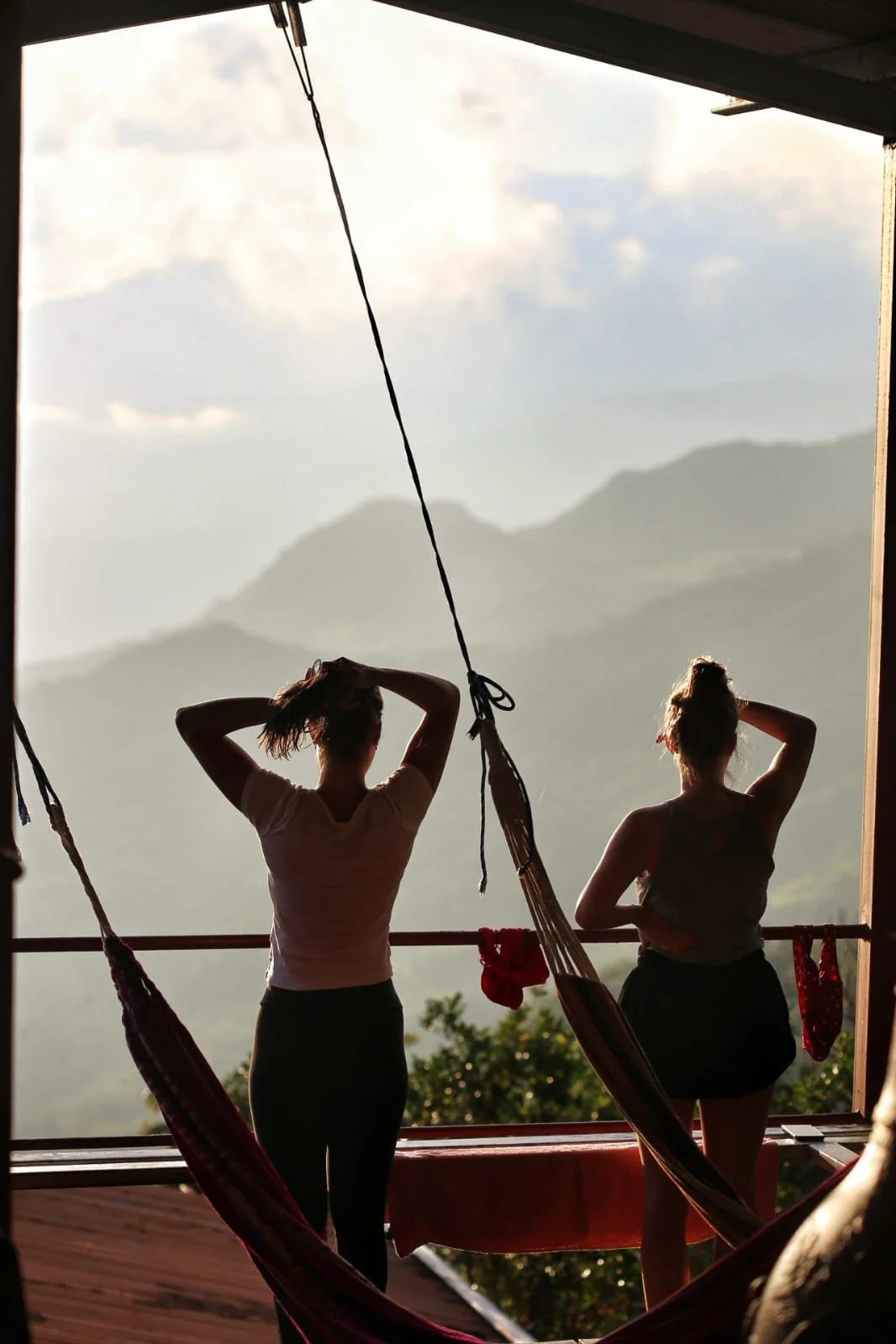
In the mountains, places like Lost and Found Hostel offer an especially strong sense of community. Tucked deep in the cloud forest, it’s the kind of environment where travelers connect easily, share meals, and look out for each other. For solo female travelers, spaces like this can feel particularly reassuring, remote, yes, but also structured, social, and supportive. You’re rarely truly alone unless you want to be.
That said, being a solo female traveler anywhere in the world comes with a certain layer of awareness, and Panama is no exception. Catcalling does happen occasionally, especially in urban areas, but it’s typically more of a nuisance than a threat. The best approach is usually to ignore it and continue confidently. More serious issues are uncommon, but your instincts are your best tool, if something feels off, trust that feeling immediately and remove yourself from the situation. Confidence, posture, and awareness go a long way in shaping how you’re perceived and treated.
Transportation is another important piece of the puzzle. Buses are widely used and generally safe, but timing matters. Arriving somewhere late at night when you don’t know the area can feel uncomfortable, especially if you’re alone. Whenever possible, aim to arrive during daylight hours or arrange transport in advance. In cities, ride apps are reliable and widely used, making it easy to get around without unnecessary stress.
And then there’s one very specific situation that’s worth highlighting, boats in Bocas del Toro at night. During the day, water taxis are a normal, safe, and essential part of life in Bocas del Toro. They connect islands, beaches, and hostels, and are used constantly by locals and travelers alike. But at night, especially late at night, things change. Taking a boat alone after dark, particularly if it’s not an official or clearly organized water taxi, is something best avoided. Visibility is low, safety standards can vary, and being alone in that setting removes a layer of security you’d otherwise have. If you do need to travel by boat at night, it’s much smarter to go with others, arrange it through a trusted hostel, or stick to well-known operators. It’s not about fear, it’s about reducing unnecessary risk in a situation where you have less control.
The same general principle applies across Panama: most things are safe, but context matters. Walking alone during the day in a busy area? Usually fine. Walking alone late at night in a quiet, unfamiliar neighborhood? Not the best idea. Wearing jewelry or using your phone? Totally normal, but avoid being distracted or flashing valuables unnecessarily. These are small adjustments, not restrictions, and they quickly become second nature.
One of the most important things to understand is that Panama is a country used to travelers. Tourism is well-established, especially along the backpacker route, and locals are generally friendly and helpful. If you ever feel unsure, asking for advice at your hostel or from other travelers is always a good move. Information flows easily in backpacker communities, and people are usually happy to share tips or even join you for part of your journey.
What makes Panama especially rewarding for solo female travelers is the balance it offers. You get independence, adventure, and the freedom to move at your own pace, but you’re never too far from a social environment if you want one. You can spend a morning hiking alone in the mountains, an afternoon chatting with new friends, and an evening sharing a meal with people from around the world. That combination builds confidence in a very natural way.
In the end, traveling solo as a woman in Panama isn’t about constantly thinking about safety, it’s about developing awareness without losing your sense of curiosity. Don’t stress too much, because most of your experience will feel easy and enjoyable. But stay aware, especially in situations where you’re alone, it’s late, or you’re unsure of your surroundings. Skip unnecessary risks, like taking late-night boats alone in Bocas, and lean into the parts of travel that connect you with others.
Do that, and you’ll likely find that Panama doesn’t just feel manageable, it feels empowering.