
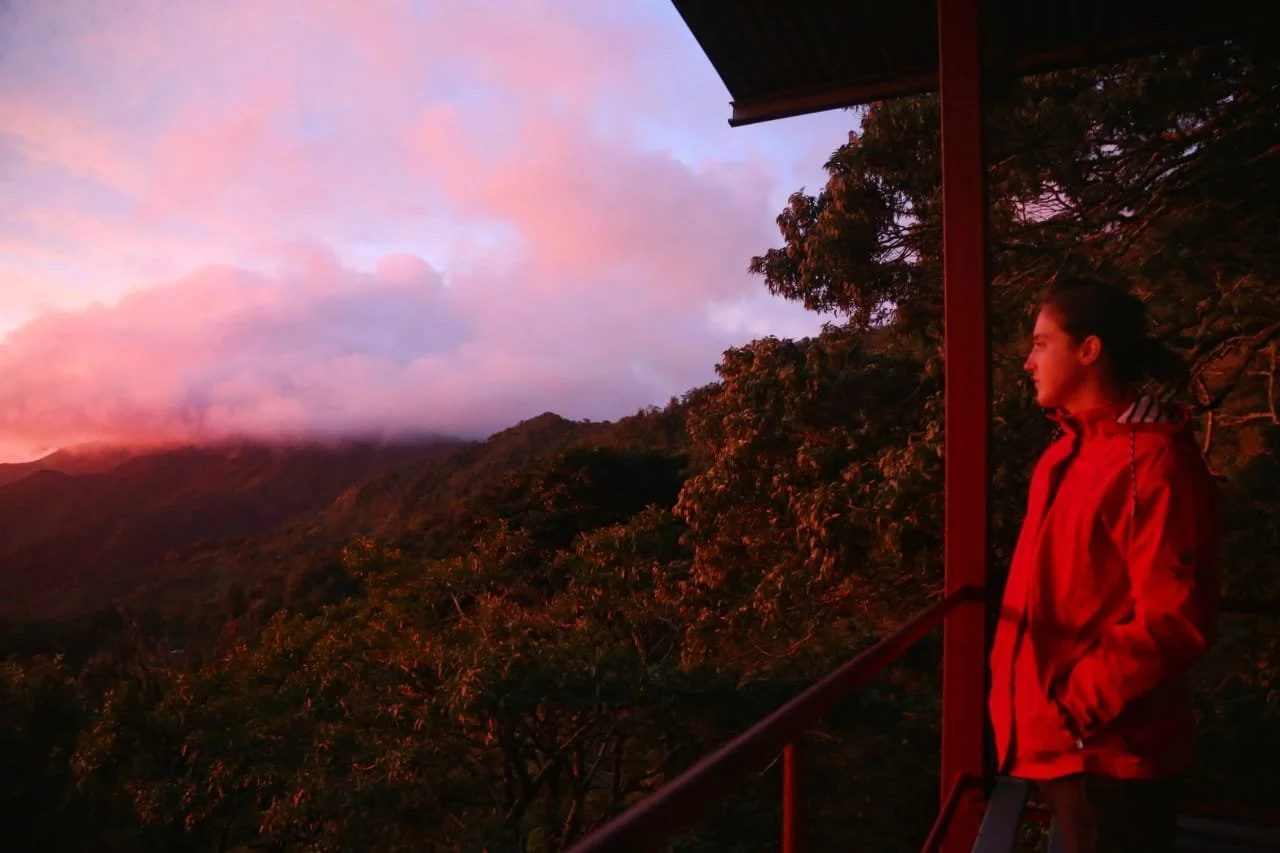
At first glance, backpacking through Panama seems straightforward when it comes to accommodation. You open an app, scroll through a list of hostels, compare prices, read a handful of reviews, and book. Done. But anyone who has actually spent time on the ground, from the buzzing streets of Panama City to the misty hills of Boquete and the laid-back islands of Bocas del Toro, quickly realizes that hostel pricing here is far more dynamic, nuanced, and occasionally misleading than it first appears. In Panama, the price of a dorm bed isn’t just about the number you see online; it’s a living, breathing thing shaped by seasons, location, amenities, and the subtle art of not overplanning your trip.
Let’s start with the seasonal swings, because they are the backbone of everything. Panama operates on two main seasons: dry and rainy. The dry season, roughly from December to April, is peak travel time. Sunshine dominates, roads are easier to navigate, beaches are postcard-perfect, and naturally, prices climb. During this period, a dorm bed that might cost $10–$15 in the low season can easily jump to $18–$30 or more in popular areas. In hotspots like Bocas del Toro or Boquete, where demand surges with international travelers escaping winter back home, availability tightens and prices follow suit. Book too early, and you might lock yourself into a higher rate. Book too late, and you risk slim pickings.
Then comes the rainy season, often misunderstood and unfairly avoided. From May through November, Panama transforms. Yes, there are daily showers, but they’re often short, dramatic bursts rather than all-day washouts. The upside? Prices drop. Hostels that were bustling in high season suddenly become negotiable. Walk-in rates become a real thing again, and discounts quietly appear if you’re willing to ask. A dorm bed can dip back down to $8–$15, sometimes even less in quieter regions. For the flexible traveler, this is where Panama becomes a bargain.
But price is only half the story. What really impacts your budget is what your hostel includes, or doesn’t include. One of the most overlooked details when choosing a hostel in Panama is whether it has a kitchen. It sounds minor, but it can dramatically affect your daily spending. A hostel without a kitchen might seem cheap at $12 a night, but if you’re forced to eat every meal out, your daily costs can skyrocket. Panama isn’t the cheapest country for dining, especially in tourist-heavy zones. Suddenly, that “cheap” hostel is costing you an extra $15–$30 per day in food.
On the other hand, a slightly more expensive hostel with a well-equipped kitchen can be a budget traveler’s best friend. Being able to cook your own meals, even just breakfast and dinner, adds up quickly in savings. It also changes your travel rhythm. You’re not constantly chasing restaurants or settling for overpriced convenience food. You gain control over your spending, and that’s something no booking platform will calculate for you.
And this brings us to the limitations of online reviews. Reviews are helpful, but they are snapshots in time, often written by people with very different expectations than your own. A hostel that was “amazing” six months ago might have changed management, declined in cleanliness, or lost its social vibe. Conversely, a place with mediocre reviews might actually be a hidden gem that just doesn’t photograph well. In Panama especially, where smaller, independent hostels are common, the reality on the ground can differ wildly from what you see online.
This is where word of mouth becomes your secret weapon. Once you arrive, start asking other travelers. Not just “Where are you staying?” but “Would you stay there again?” and “What’s the real vibe like?” Backpackers are brutally honest in person in ways they often aren’t online. They’ll tell you if a place is dead, overpriced, noisy, or full of long-term residents who never leave the couch. They’ll also point you toward places that don’t show up at the top of search results, those smaller hostels with character, fair prices, and a genuinely good atmosphere.
Taxi drivers, café staff, and even hostel workers themselves can also be surprisingly useful sources of information. In a country like Panama, where tourism is important but still personal in many areas, local insight can lead you to better deals and better experiences than any algorithm.
Perhaps the biggest mistake travelers make, though, is overplanning. It feels safe to book your entire trip in advance, locking in accommodation for every night. But in Panama, this approach can quietly drain your budget. You lose flexibility, the ability to leave a place you don’t like, to stay longer somewhere you love, or to take advantage of a better deal you discover along the way. You also miss out on negotiating power. Walking into a hostel during low or shoulder season and asking for a rate can sometimes get you a better price than anything listed online.
Overplanning also disconnects you from the natural flow of travel. Panama is a country where plans change easily. You might hear about a hidden beach, a festival, or a great group heading somewhere new. If your accommodation is already locked in, you’re stuck choosing between losing money or missing out.
In the end, understanding hostel prices in Panama is less about memorizing numbers and more about learning how the system breathes. Prices rise and fall with the seasons, but your real expenses are shaped by daily choices, where you eat, how you book, and how open you are to changing plans. The smartest travelers here aren’t the ones with the most detailed itineraries; they’re the ones who stay flexible, talk to people, and understand that the best deals, and often the best experiences, are found not on a screen, but on the ground.