
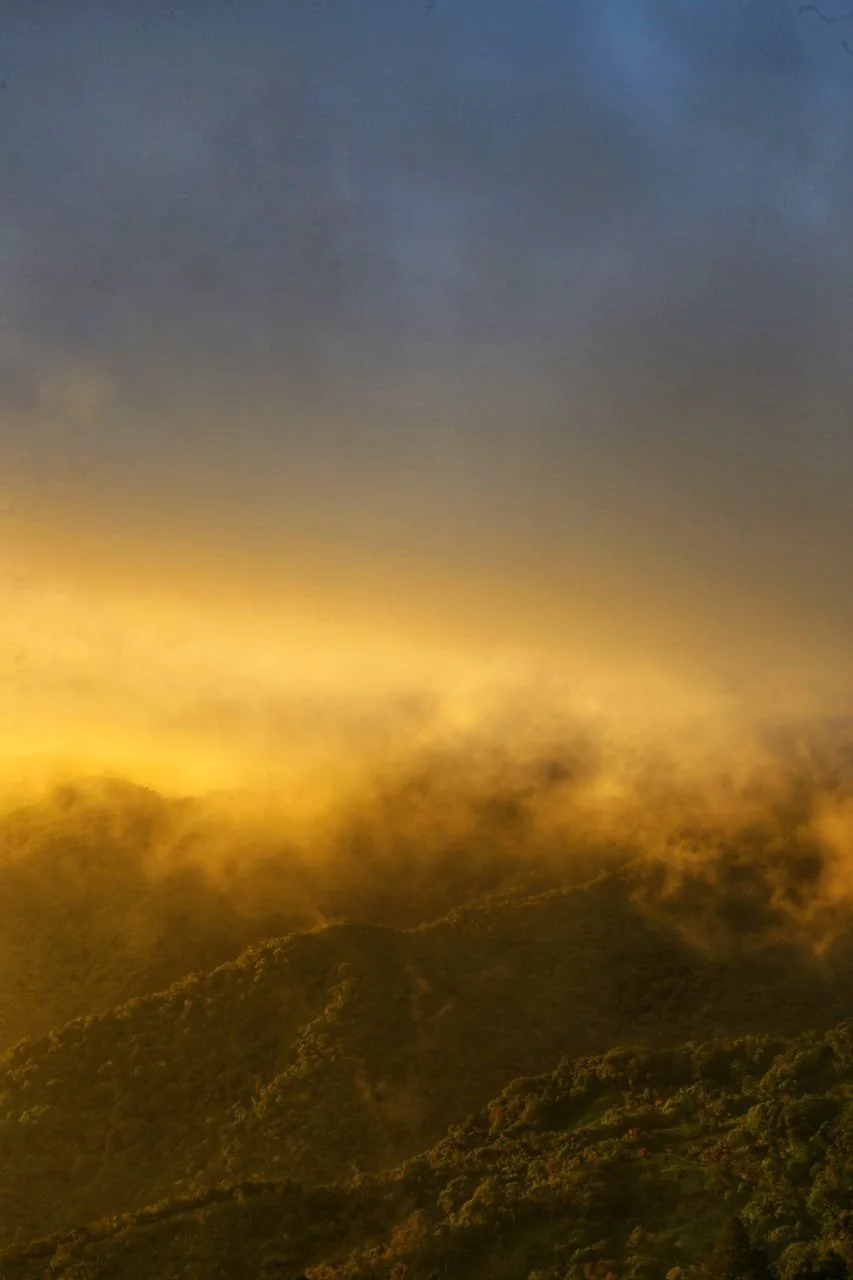
Panama is often sold as a paradise, and it is. Lush jungles, remote islands, misty mountains, and wildlife so rich it feels almost mythical. But beneath that beauty lies a different kind of thrill, one that turns every hike, swim, and jungle trail into something a little more electric. Because in Panama, the wild isn’t just something you observe, it’s something that notices you back. From venomous snakes hidden in the undergrowth to insects so small you barely feel them until it’s too late, this is a place where nature still plays by its own rules. And for travelers, especially those venturing off the beaten path, understanding the “freaky” side of Panama’s wildlife is part of the adventure.
Let’s start with one of the most infamous jungle inhabitants: the fer-de-lance, known scientifically as Bothrops asper. This snake is responsible for more bites in Central America than any other, and it’s not because it’s aggressive, it’s because it’s perfectly camouflaged. You can walk right past one and never know it was there. Found along forest trails, plantations, and even near rural homes, this snake blends into leaf litter so well that many encounters happen by accident. Its venom is potent, affecting blood and tissue, making it one of the most feared creatures in the region.
Then there’s the elegant but equally dangerous Bushmaster, the largest venomous snake in the Americas. These snakes prefer deep jungle and are rarely seen but that’s part of what makes them so unnerving. They can grow over three meters long and strike with incredible speed. Encountering one is rare, but knowing they’re out there in the dense forest adds a certain edge to any remote hike.
Moving into the trees, you might come across the Eyelash viper, a small, vividly colored snake often found coiled on branches at eye level. Their beauty, bright yellows, greens, and even pinks, makes them look almost unreal. But don’t be fooled. These snakes rely on camouflage and stillness, and hikers sometimes get dangerously close without realizing it.
And yes, Panama even has sea snakes. The Yellow-bellied sea snake drifts through warm Pacific waters, often far from shore but occasionally seen closer in. Highly venomous but generally non-aggressive, they’re a reminder that even the ocean here has its own hidden dangers.
But snakes are only part of the story. Panama’s insect world is where things get truly unsettling. Take the infamous Bullet ant, often described as delivering the most painful sting on Earth. Found in lowland rainforests, these ants don’t swarm but if you accidentally brush against one or disturb a nest, you’ll know immediately. The pain is intense, burning, and can last for hours. It’s not usually life-threatening, but it’s unforgettable.
Then there are velvet ants, though they’re not ants at all, but wingless wasps. The Velvet ant is brightly colored, almost fuzzy-looking, and deceptively harmless in appearance. But they carry a sting so painful they’ve earned the nickname “cow killers.” They’re rarely aggressive, but stepping on one barefoot is a mistake you won’t make twice.
Wasps in Panama come in many forms, from solitary hunters to aggressive swarm defenders. Species like the Paper wasp build nests in visible places, under eaves, branches, and structures. Disturbing one of these nests can lead to multiple stings, and unlike bees, many wasps can sting repeatedly.
And then there are mosquitoes, arguably the most persistent and underestimated threat. In Panama, they’re not just an annoyance. They can carry diseases like Dengue fever, Zika virus, and Chikungunya. Found everywhere from city streets to deep jungle, they’re most active at dawn and dusk. Unlike the more dramatic creatures, mosquitoes are relentless, turning even a calm evening into a battle if you’re not prepared.
Ticks and chiggers are another hidden nuisance. These tiny parasites latch onto your skin as you brush past vegetation, often going unnoticed until later. They thrive in grassy and forested areas, and while not all carry disease, they can cause irritation and discomfort that lingers long after your hike ends.
Leeches, especially in wetter jungle regions, add another layer of discomfort. These small, blood-sucking creatures attach silently, often in muddy or swampy terrain. You might not feel them at all until you notice the blood later. While not dangerous, the experience can be unsettling for first-time jungle explorers.
Spiders in Panama range from harmless to mildly concerning to downright intimidating. The Brazilian wandering spider is one of the few to be cautious around, known for its potent venom and tendency to roam rather than stay in a web. More commonly, you’ll encounter large but harmless species like tarantulas, including the Panamanian golden tarantula. These spiders look terrifying but are generally shy and non-aggressive.
Scorpions also make their presence known, especially in rural areas or older buildings. Most species in Panama are not deadly, but their stings can be painful. They often hide in shoes, under rocks, or in dark corners, making it wise to shake things out before putting them on.
And then there are the truly strange creatures, like the chitra, more commonly known as botflies. These insects don’t bite or sting in the traditional sense. Instead, they lay eggs that can end up under human skin, where larvae develop. It’s rare, but it happens, especially in remote jungle areas. The idea alone is enough to make your skin crawl.
Even in the water, caution is part of the adventure. While Panama’s rivers and oceans are generally safe, there are occasional encounters with creatures like stingrays or jellyfish. Most are harmless if left alone, but stepping in shallow water without awareness can lead to painful surprises.
Despite all of this, it’s important to understand that most of these creatures are not out to get you. Encounters are rare, and serious incidents are even rarer. The real danger comes from ignorance or carelessness, stepping where you can’t see, reaching into hidden spaces, or ignoring basic precautions.
What makes Panama so thrilling is this exact balance. It’s not a sterilized version of nature, it’s the real thing. Every rustle in the leaves, every buzz in the air, every shadow on the trail adds a layer of awareness that makes the experience more vivid, more immediate.
In the end, the “freaky” wildlife of Panama isn’t something to fear, it’s something to respect. It’s what makes the jungle feel alive, what turns a simple hike into an adventure, and what reminds you that you’re not just passing through, you’re stepping into a world that has been thriving long before you arrived.
And once you’ve felt that? Ordinary travel never quite feels the same again.
Jungle Roulette: The Beautiful, Biting, and Downright Dangerous Creatures of Panama