
Traveling in Panama is generally easy and welcoming, but like anywhere, there are unspoken rules that can shape how locals perceive you. Panamanians are friendly, relaxed, and proud of their culture, but certain behaviors can come across as disrespectful or out of touch. Knowing the “don’ts” can make a big difference in how you’re received.
One of the biggest mistakes travelers make is being overly loud or confrontational. Panamanian culture tends to value calm, respectful interaction. Raising your voice, arguing aggressively, or showing frustration publicly can be seen as rude. Even in disagreements, people usually keep things relatively composed. Staying polite and patient goes a long way.
Another common faux pas is disrespecting personal greetings. In Panama, greetings matter. Walking into a small shop, a restaurant, or even passing someone in a rural area without saying “buenos días” or “buenas” can come off as cold or impolite. It’s a small gesture, but it carries weight.
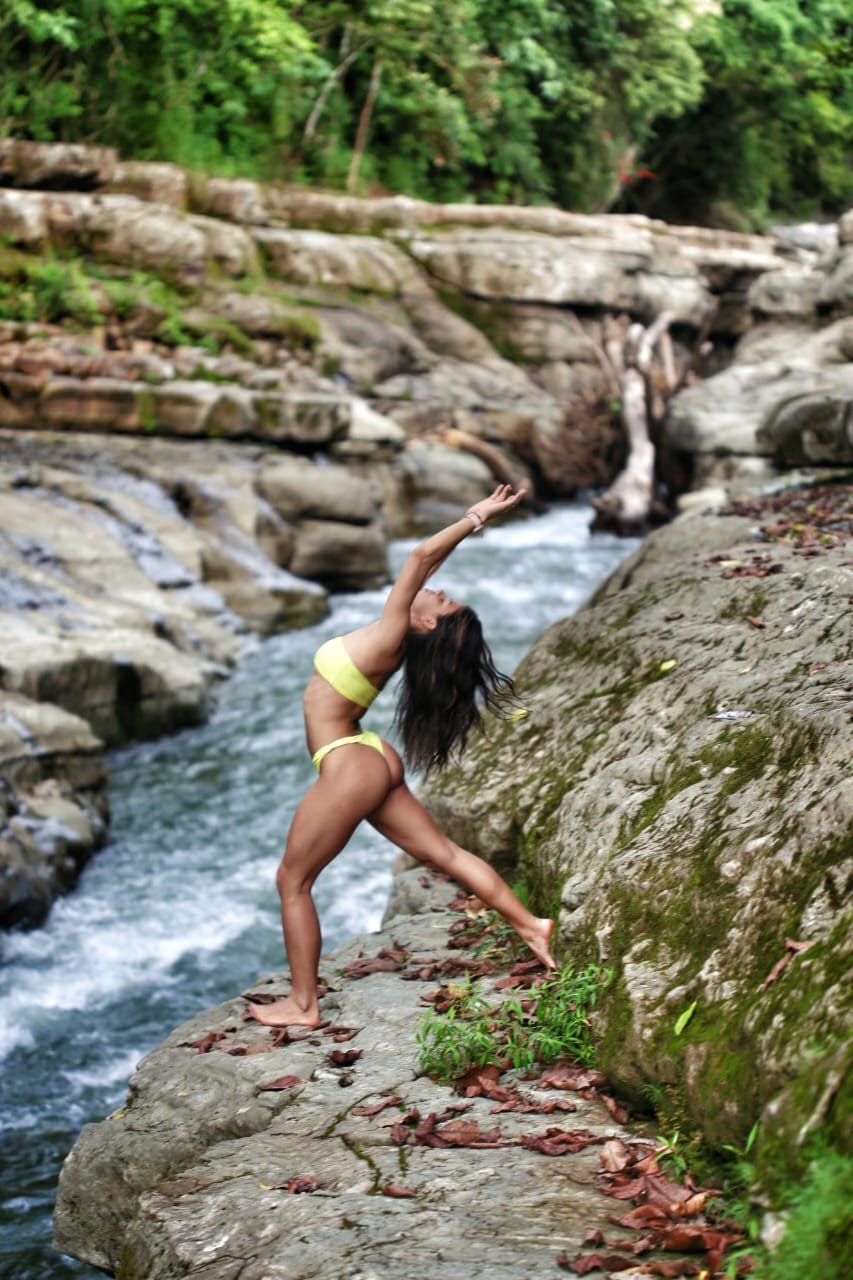
Dress matters more than many travelers expect. While beachwear is fine at the beach, wearing tank tops, shirtless outfits, or very revealing clothing in towns or cities, especially in places like Panama City, can be frowned upon. Panamanians generally take pride in looking presentable, even casually. Walking around barefoot or in swimwear away from the coast is a definite no.
A subtle but important one is pointing or gesturing carelessly. Pointing directly at people can be considered rude. It’s better to gesture more subtly. Also, using overly animated or aggressive hand gestures can sometimes be misinterpreted.
Another thing to avoid is assuming everyone speaks English. While English is widely understood in tourist areas, especially around the canal and business districts, many people primarily speak Spanish. Jumping straight into English without at least trying a few words in Spanish can come across as dismissive. Even a simple “hola” or “gracias” makes a positive impression.
Talking negatively about the country is also something to avoid. Panamanians are proud of their country, its growth, and its culture. Complaining loudly about infrastructure, prices, or comparing it unfavorably to other countries can feel disrespectful. If you have concerns, it’s better to express them thoughtfully and privately.
When it comes to money, being careless with small change or tipping expectations can stand out. While tipping is appreciated, it’s not always as formalized as in places like the U.S. Throwing money around or acting entitled in service situations can create a bad impression. Respect and courtesy matter more than the tip itself.
Another important cultural point is respect for authority and rules, even if they seem loosely enforced at times. This includes things like traffic laws, police interactions, or rules in public spaces. Being dismissive or sarcastic with authorities is a quick way to get into trouble.
In more rural or Indigenous areas, such as the comarcas, there are additional sensitivities. Taking photos of people without permission, entering communities without proper respect, or treating the area like a tourist attraction rather than someone’s home can be deeply offensive. These areas have their own customs and governance, and visitors are expected to respect them.
Public behavior is also important. Excessive public intoxication or inappropriate behavior can be frowned upon, especially outside of party zones. While Panama certainly has nightlife, there is a line between enjoying yourself and losing control in public.
Finally, one of the most overlooked faux pas is impatience. Things in Panama don’t always move at the same pace as in North America or Europe. Services may take longer, processes may feel slower, and schedules can be flexible. Showing frustration or entitlement over this can come across poorly. Adapting to the local rhythm is part of the experience.
In the end, avoiding cultural missteps in Panama comes down to a few simple principles, be polite, be patient, and show respect for people and their way of life. Do that, and you’ll find that Panama opens up in a much warmer and more welcoming way.
Cultural Faux Pas in Panama, What Not to Do When You Travel