
Tucked into a cool green valley in the highlands of Panama, the small town of Boquete has quietly transformed from a sleepy agricultural community into one of the most well-known expat hubs in Latin America. What makes this transformation so fascinating is that it did not happen overnight, nor was it driven by a single factor. Instead, Boquete’s rise as a retirement haven is the result of a rare combination of climate, accessibility, affordability, timing, and community, all aligning in a way that made it irresistible to foreigners seeking a better lifestyle. Today, it stands not only as a destination, but as a blueprint—one that other parts of Panama are now beginning to follow.
To understand Boquete’s appeal, you have to start with its climate. Located in the shadow of Volcán Barú, the town sits at an elevation that produces what many describe as “eternal spring,” with temperatures typically ranging between 15 and 24 degrees Celsius. This balance eliminates the need for both air conditioning and heating, something that is surprisingly rare in the world. Over time, this climate becomes more than just a comfort, it becomes a lifestyle. People walk more, socialize outdoors, garden, hike, and spend time in nature because the weather allows it every single day of the year.
Historically, Boquete was built on coffee. The volcanic soil and mountain air created ideal growing conditions, and for decades the town existed almost entirely around agriculture. This isolation kept it underdeveloped and largely unknown, but it also preserved its natural beauty. When globalization and retirement migration trends began to accelerate in the early 2000s, Boquete was perfectly positioned to benefit. It had everything retirees were looking for, it just hadn’t been discovered yet.
That discovery phase was fueled by broader changes happening across Panama. Government incentives like the Pensionado visa made retiring in the country financially attractive, offering discounts on healthcare, utilities, and everyday living. At the same time, Panama’s use of the US dollar and its relatively stable economy gave retirees confidence that their savings would hold value. As global interest in retiring abroad increased, Panama consistently ranked as one of the top destinations in the world, with its affordability and quality of life standing out.
Boquete quickly became the poster child of this movement. Early expats arrived, shared their experiences, and built a community that made it easier for others to follow. This network effect was crucial. Unlike destinations that rely purely on marketing, Boquete grew through word of mouth. Forums, blogs, and personal recommendations spread the message that this small mountain town offered something rare, a high quality of life without the stress or cost of developed countries.
Infrastructure followed demand. The nearby city of David became an anchor, providing hospitals, shopping, and an airport, while Boquete itself developed restaurants, cafes, and services that catered to an international population. Importantly, it modernized without becoming overbuilt, maintaining its charm while still improving livability. Real estate expanded alongside this growth, offering everything from modest homes to mountain-view estates, drawing in both retirees and investors.
Lifestyle is where Boquete truly differentiates itself. Life here is not just about comfort, it is about rhythm. Days are shaped by nature, whether it is hiking through cloud forests, visiting coffee farms, or enjoying local markets. Social life revolves around community events, clubs, and gatherings, creating a sense of belonging that many retirees struggle to find elsewhere. Healthcare access, proximity to amenities, and cultural adaptability all reinforce the feeling that Boquete is not just livable, but sustainable long term.
Yet Boquete’s success has also created a new dynamic. As the town has grown, prices have risen, development has increased, and some of the early “hidden gem” appeal has faded. It is still highly desirable, but it is no longer early stage. And that raises an important question for today’s investors and retirees:
Where are the next Boquetes?
The New Frontier — Up and Coming Retirement Areas in Panama
As Boquete matures, attention is shifting to other parts of Panama that are beginning to show similar patterns of growth. These areas may not yet have the same infrastructure or recognition, but they share the same underlying ingredients that made Boquete successful in the first place.
One of the most promising is El Valle de Antón. Set inside a volcanic crater, El Valle offers a similar springlike climate but with a different dynamic. It is closer to Panama City, making it more accessible, and it already has a steady flow of domestic tourism. Retirees are increasingly drawn to its peaceful atmosphere, natural beauty, and manageable scale. While still quieter than Boquete, it is gaining attention as a balanced option between accessibility and tranquility.
On the Azuero Peninsula, Pedasí is emerging as a coastal counterpart to Boquete’s mountain appeal. Once a quiet fishing town, it has developed into a growing expat and retiree community while still maintaining its charm. Nearby areas like Playa Venao are bringing in tourism, surf culture, and investment, creating a ripple effect that is slowly transforming the region. Pedasí offers something different, ocean breezes instead of mountain air, but the same sense of community and lifestyle that retirees are seeking.
Another area quietly gaining traction is Santa Fe. Much like Boquete decades ago, Santa Fe remains largely untouched. It offers cool temperatures, cloud forests, and a deep connection to nature, but without the infrastructure or international recognition. This makes it less convenient, but also full of potential. For those willing to be early, Santa Fe represents the kind of place Boquete once was.
Further west, near the highlands of Chiriquí, smaller communities around Volcán and other mountain regions are also beginning to attract attention. These areas offer similar climates to Boquete but at lower costs and with less development. They are not yet fully formed expat hubs, but the pattern is familiar, a few early arrivals, growing awareness, and gradual infrastructure improvements.
Even coastal areas beyond the well known expat zones are evolving. Places like Las Lajas and quieter parts of the Pacific coast are starting to see interest from retirees looking for affordability and space, even if they lack the immediate convenience of more established towns.
The Pattern Behind It All
What makes these emerging areas interesting is not just their individual qualities, but the pattern they follow. Boquete was not unique because of one feature, it was the combination of climate, affordability, accessibility, and timing. The same ingredients are now appearing elsewhere in Panama, just at earlier stages.
Retirees and investors who arrive early in these markets often benefit the most. They see appreciation, community growth, and lifestyle improvements as the area develops. But with that opportunity comes uncertainty. Not every town will become the next Boquete, and not every investment will pay off.
Boquete’s transformation into an expat haven is not just a story about one town, it is a reflection of a broader shift in how people think about retirement and lifestyle. It represents a move away from traditional expectations toward something more flexible, more global, and more focused on quality of life.
At the same time, its success has opened the door for other parts of Panama to follow a similar path. From the volcanic basin of El Valle to the beaches of Pedasí and the untouched highlands of Santa Fe, new opportunities are emerging for those willing to look beyond the obvious.
In many ways, Boquete is no longer just a destination, it is a signal. It shows what can happen when the right conditions come together in the right place at the right time. And across Panama, there are still places where that process is just beginning.
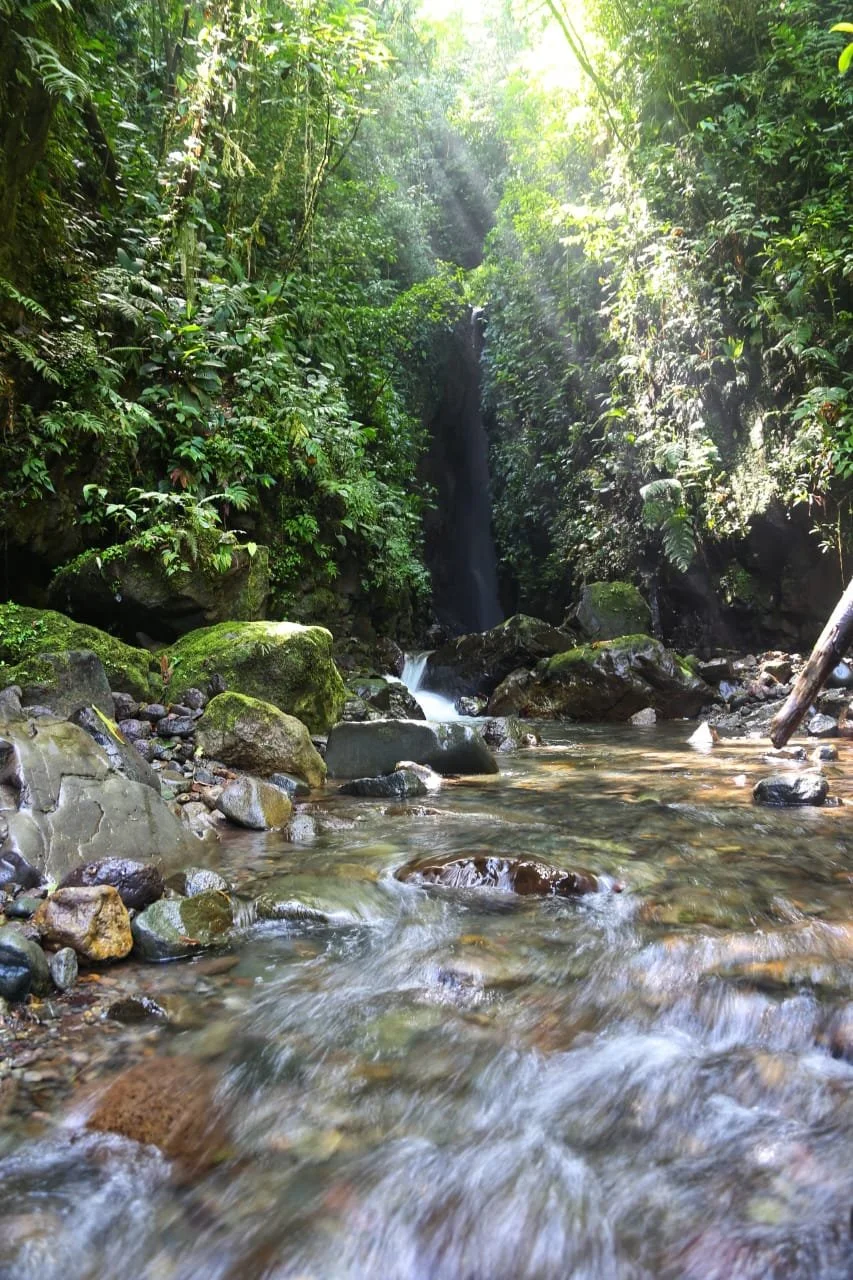
How Boquete Became Panama’s Expat Haven and Retirement Paradise — And Where the Next Boquetes Are Emerging